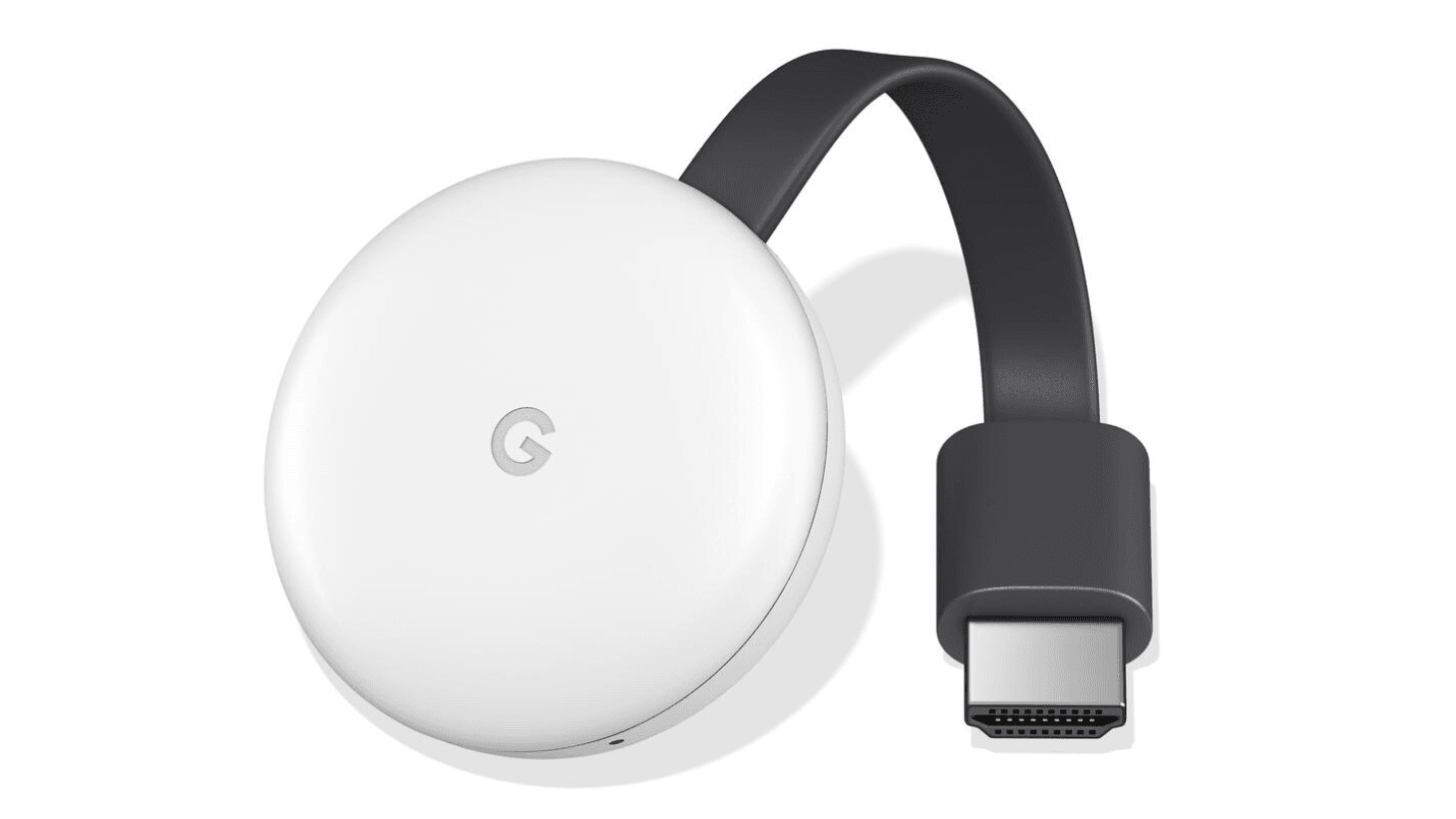
Chromecast is Google's line of streaming hardware. Its TV models were built to cast online content from a phone, tablet or laptop to a TV. Google announced on August 6, 2024 that it was ending Chromecast production, and it names the Google TV Streamer as the replacement. The casting technology itself, Google Cast, is still in use on the Streamer and on compatible TVs.
What Google sells now
When Google announced the end of production, it said Chromecast would be available only while supplies lasted. The old Chromecast with Google TV address on the US Google Store now redirects to the Google TV Streamer (4K), which has a Buy button. Google's store page says you can cast to the TV from compatible apps on phones, tablets and laptops.
The US Google Store lists the Google TV Streamer (4K) at $149.99 before tax as of November 2026. Google announced it in August 2024 at a launch price of $99.99, with availability from September 24, 2024.
How casting works
Google Cast lets Android, iOS and Chrome web apps send video, audio and screen sharing to compatible receivers. Google's developer documentation lists Chromecasts, smart TVs, smart speakers and smart displays among those receivers.
Google's casting instructions start with one requirement. The phone, tablet or laptop must be on the same Wi-Fi network as the Chromecast, Google TV Streamer or Cast-enabled TV.
- Open the app: start a Google Cast-enabled app on the sending device.
- Tap Cast: select the Cast button inside the app.
- Pick the screen: choose the device you want to cast to.
In Google's Cast model, the phone, tablet or laptop controls playback. The receiver gets the stream over its own internet connection and displays it.
Casting a browser tab works differently. Google says content from a Cast-enabled website plays directly on the streaming device, so the computer can shut down. With a cast browser tab, the computer has to stay on for the whole session.
Google Cast built into TVs
A separate dongle is not the only way to get casting. Google's developer documentation counts a Cast-enabled television as a receiver, alongside Chromecasts, smart speakers and smart displays. Google's casting instructions name Cast-enabled TVs next to the Chromecast and the Google TV Streamer as devices a phone, tablet or laptop can cast to.
Support for older Chromecasts
Google said its Chromecast support policy did not change when it announced the end of production, with software and security updates continuing for the latest devices. Support differs by model. Google's Chromecast firmware page, dated October 12, 2026, gives these details.
- Chromecast (1st generation): no longer receives software updates, security updates or technical support from Google, which also warns that performance may decrease.
- Chromecast with Google TV (4K): the page lists an August 2026 security patch.
- Chromecast with Google TV (HD): the page lists an October 2025 security patch.
What to do if you own or want one
If you have a first generation Chromecast, keep in mind that Google says that model no longer gets software updates, security updates or technical support. If you have a Chromecast with Google TV, Google's firmware page lists the current firmware version and security patch for the 4K and HD models.
If you are buying new from Google, the Google TV Streamer (4K) is the device its US store sells in the Chromecast's place. If your TV is Cast-enabled, it can act as the receiver, so a new box may not be needed for casting alone. See How to Cast a Laptop to a TV With Chromecast, How to Factory Reset Chromecast With or Without a Remote and Chromecast Not Working? How to Fix It.