
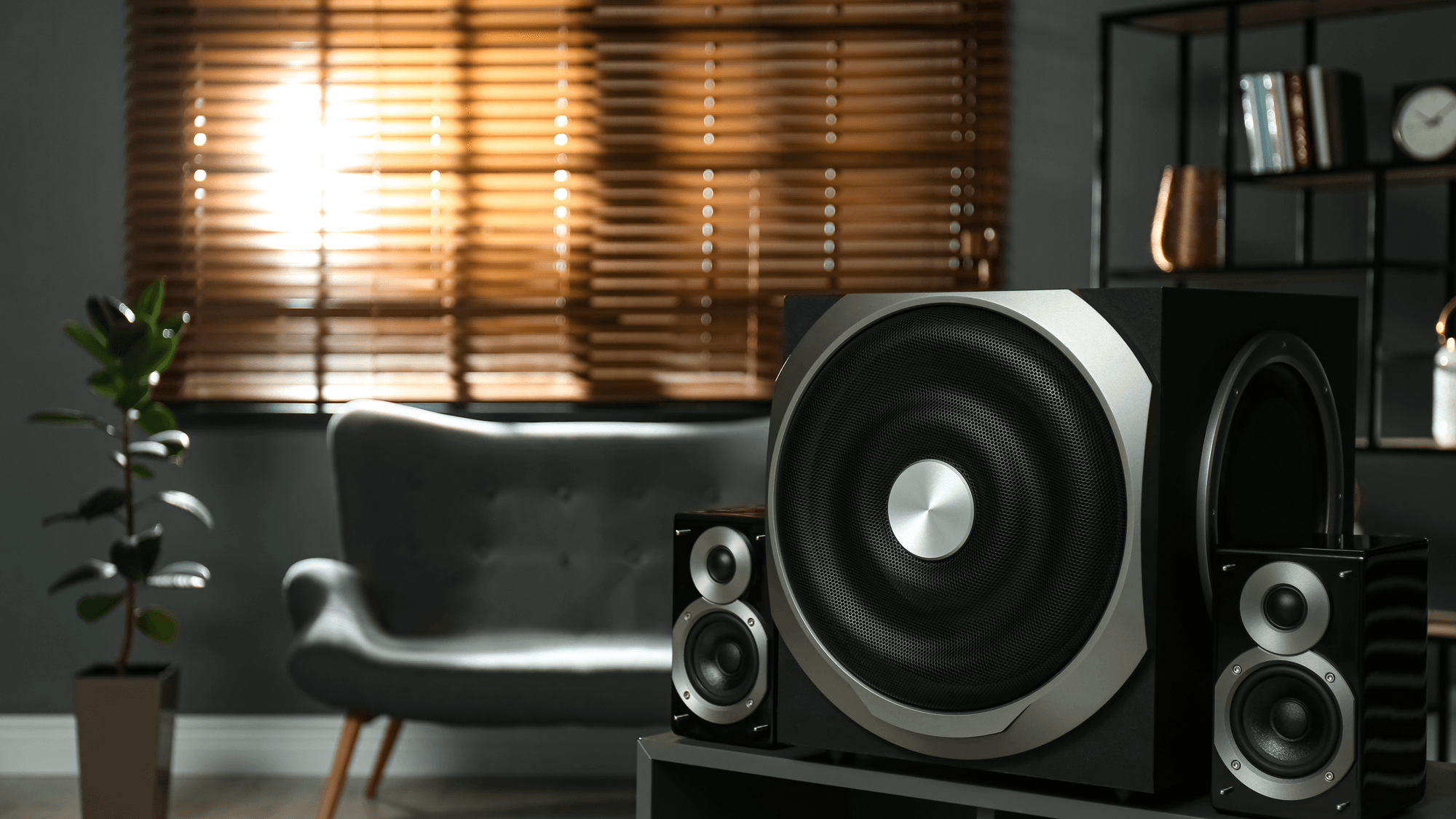
A subwoofer is a speaker built to play the lowest part of the audio range, the bass. Klipsch defines it as a speaker designed to produce the lowest frequencies, and both Klipsch and Bose put that range at roughly 20 Hz to 200 Hz. Bose calls the same kind of speaker a bass module.
What a subwoofer does
Sonos says its Sub 4 generates deep, low-frequency sound for music and home theater. Polk describes its subwoofers as adding deep bass to hi-fi and home theater systems, and SVS describes its sealed SB-1000 Pro as producing bass for music and home theater.
The 20 Hz to 200 Hz figure is a general description, not a measurement of any one model. Bose calls bass modules specialized speakers that reproduce sound between approximately 20 Hz and 200 Hz. The figures makers publish for individual models differ from the general range and from each other.
- Sonos Sub 4: reaches as low as 25 Hz. Sonos gives this as a low-end figure, not a full frequency response range.
- Klipsch Flexus Sub 100: frequency response of 26 Hz to 250 Hz, plus or minus 3 dB.
- Polk Monitor XT12: overall frequency response of 24 Hz to 160 Hz, with an adjustable low-pass crossover of 80 Hz to 160 Hz/LFE.
- SVS SB-1000 Pro: frequency response of 20 Hz to 270 Hz, plus or minus 3 dB.
What the .1 in 5.1 means
Dolby's Dolby Digital page lists five main channels in a 5.1 mix: left, center, right, left surround and right surround. The .1 is the Low-Frequency Effects channel, or LFE. Dolby explains that this channel needs about one-tenth the bandwidth of each of the other channels.
Wireless and wired subwoofers
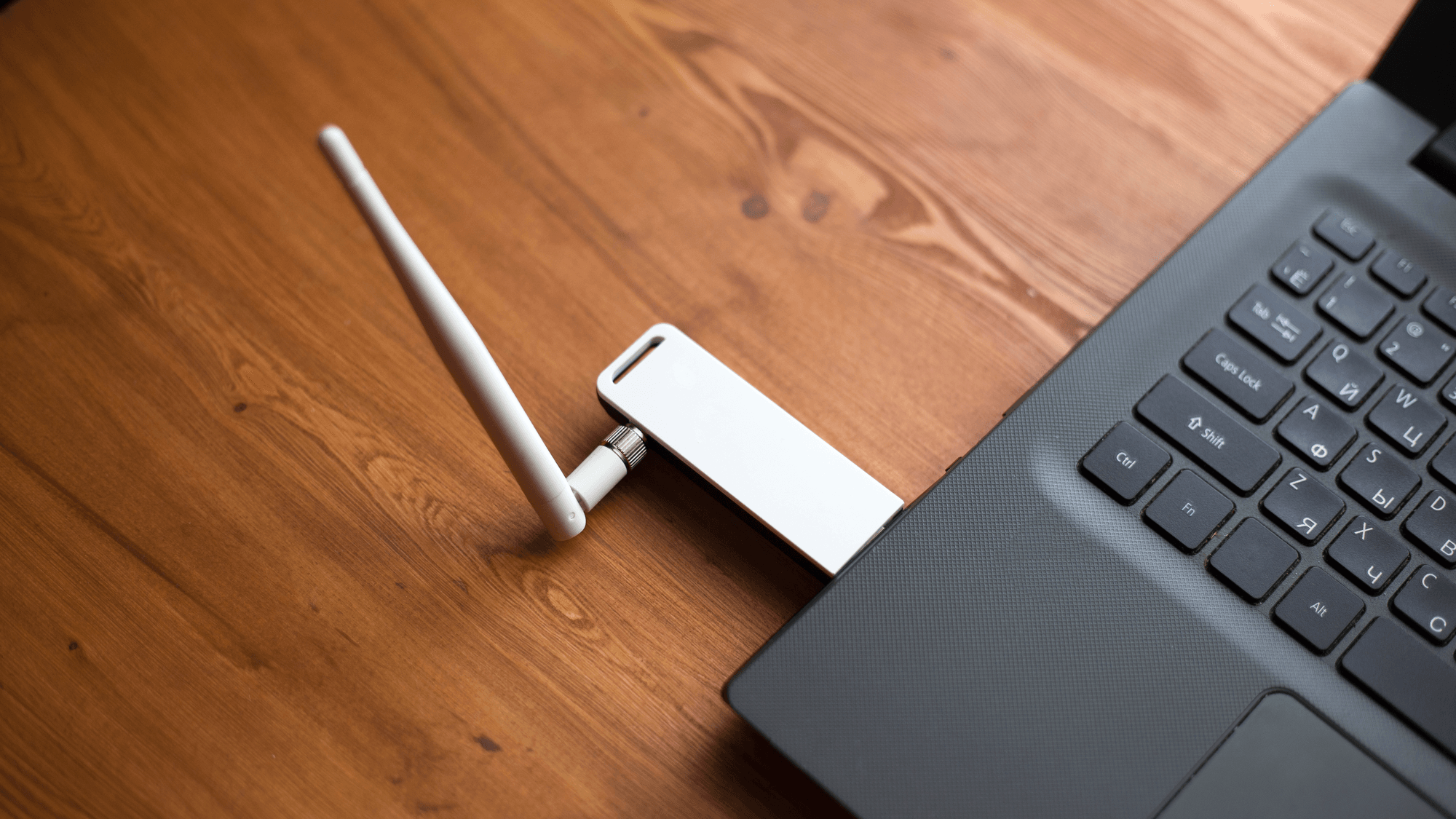
The Sonos Sub 4 connects to a compatible Sonos soundbar or speaker over WiFi and still requires its power cord, and its optional Ethernet connection goes to a router. Bose says most of its modern bass modules connect wirelessly and only require a power outlet.
- Polk Signa S4: the manual describes the subwoofer connecting wirelessly to the soundbar during pairing.
- Klipsch Flexus Sub 100: lists both an RCA/LFE line input and Flexus Transport 2.4 GHz wireless.
- SVS SB-1000 Pro: supports an optional SVS SoundPath Wireless Audio Adapter, which removes the audio cable run from the source component to the subwoofer.
- Bose Bass Module 500: can be hardwired to select Bose soundbars with the Bose Bass Module Connection Cable. Bose lists the TV Speaker as compatible through a wired connection only.
Where to put it
Bose specifies floor placement for the Bass Module 500, against the same wall as the television and soundbar and near an outlet. Its guidance says moving the module closer to walls and corners increases bass, and moving it away reduces bass. Polk's Monitor XT12 manual places a single subwoofer beside the front speakers along the same wall, approximately 6 inches from the wall.
Klipsch says corner placement can increase output. For ported subwoofers, Klipsch specifies wall clearance of at least twice the diameter of the port exit, which it describes as probably 6 to 12 inches.
The Sonos Sub 4 can sit on the floor vertically or horizontally. At least one side of its acoustic slot must stay unobstructed, and laying it flat under furniture requires at least 1 inch of clearance above it.
What to check before you buy or set one up
If you already own a soundbar, check the subwoofer's compatibility list first, because Sonos ties the Sub 4 to compatible Sonos products and Bose lists one pairing as wired only. If you want no audio cable across the room, look for a wireless link in the specs, and still plan for a nearby outlet.
If the bass sounds too heavy or too light once it is running, try moving the subwoofer, since Bose ties the amount of bass to distance from walls and corners. Klipsch's placement guide describes one method: put the subwoofer at the listening position, play something with consistent deep bass, then move around the room at seated ear height to find spots where it could go.