
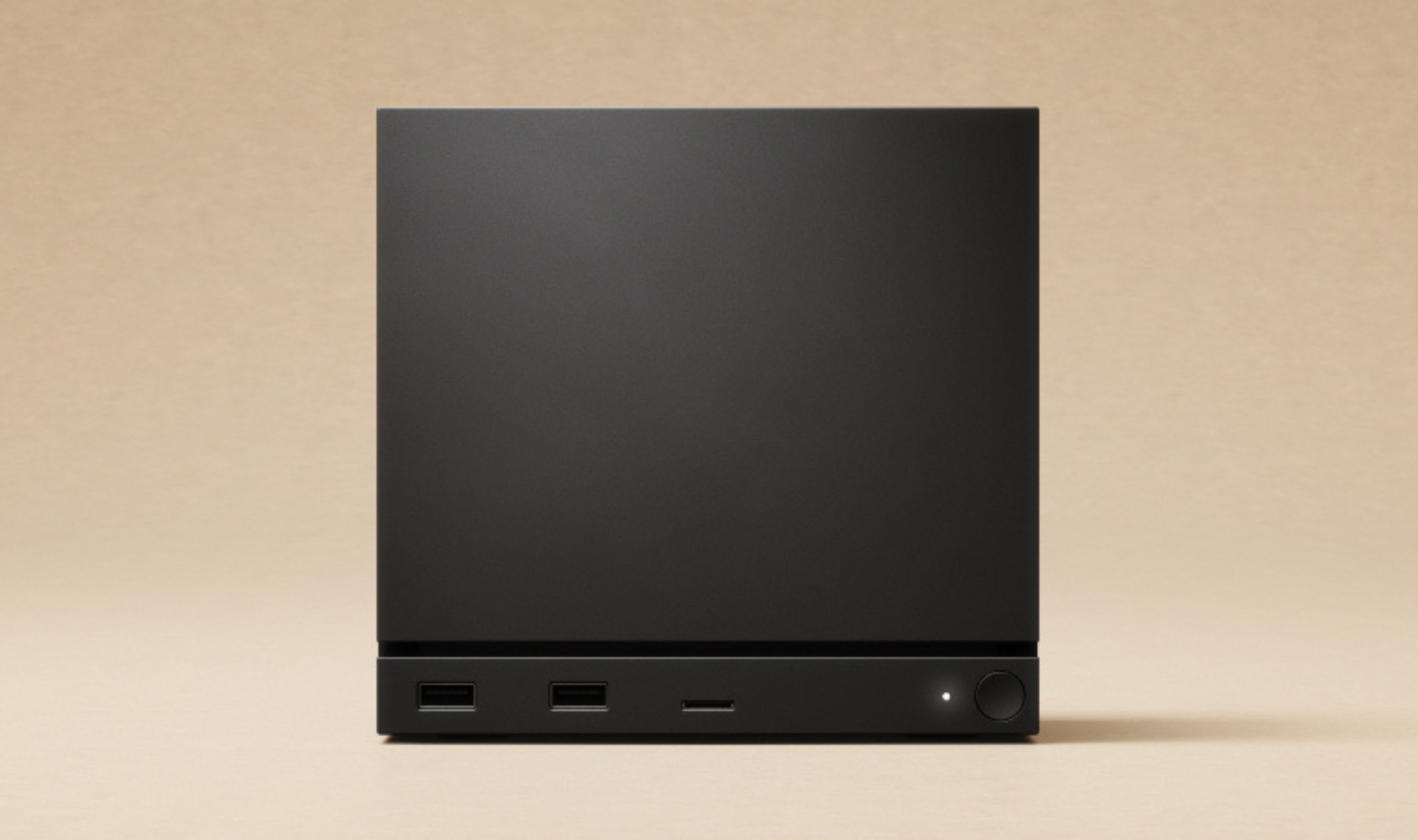
Months of fan speculation that Valve would lock its next flagship game to the $1,049 Steam Machine ended with a single Bloomberg interview.
Valve engineer Pierre-Loup Griffais told Bloomberg the company has no interest in exclusives.
"Restricting where people can play a game I don't think is a great model, at least for us," Griffais said.
"We're much more interested in having the whole PC catalog as our 'launch exclusive.'"
The statement directly addresses a question that has circled the Steam Machine launch since its unveiling: Would Valve repeat the strategy it used with the Valve Index VR headset? The company created Half-Life: Alyx specifically to drive interest in its second VR hardware push. With the Steam Machine going through a troubled launch cycle (a global memory crisis forced Valve to revise its original ~$700 price target to a starting price of $1,049, with the 2TB model with controller topping out at $1,428), the assumption was that only a Half-Life 3 exclusive could move units at that price point.
Not according to Valve. Valve's Yazan Aldehayyat echoed Griffais in separate comments, telling Bloomberg that restricting players is not a business model the company wants to adopt. The Steam Machine's entire pitch, the company argues, is that it runs the full Steam catalog on a Linux-based open system.
Locking games to the device would undermine that message. The clarification lands as dataminers continue finding evidence of a project internally codenamed "HLX" (or "Project Helix") across Valve's software updates, fueling speculation that a Half-Life 3 announcement could arrive alongside the Steam Machine this year. But Valve's stance is clear: even if it ships, anyone with a PC running Steam can play it.
It's a strategy that runs counter to the entire console industry. Sony recently announced it would focus on PlayStation exclusives, cutting PC ports for first-party titles.
Nintendo and Xbox have built hardware launches around flagship exclusives for decades. Valve is betting that open access sells more hardware than walled gardens.
Early data suggests the approach isn't hurting demand. Boiling Steam's analysis of Steam's Global Top Sellers chart points to estimated sales of 12,000 to 15,000 Steam Machine units per week, a solid figure given the waitlist-only availability and $1,000-plus price floor.