
The Justice Department sued Lyft on Monday, alleging that passengers who use service dogs or mobility devices have repeatedly been denied rides because of their disabilities. It is seeking $53 million in compensation for affected passengers who submitted complaints to Lyft or the department. The government also wants a court to require changes to Lyft’s policies and disability access training for employees and drivers.
Filed in federal court in the Northern District of California, the lawsuit alleges violations of Title III of the Americans with Disabilities Act (ADA). The allegations extend beyond drivers refusing trips: the department says passengers denied service have also faced improper charges, including cancellation fees. It further alleges that Lyft has failed to make reasonable changes to its rules and procedures to accommodate passengers with disabilities.
One accommodation at issue is allowing passengers with mobility disabilities to use the front seat when they need to, which the department alleges Lyft has denied. The department says the ADA obliges Lyft to carry disabled passengers alongside their service animals and help riders who use stowable wheelchairs or other mobility devices. Its complaint accuses both Lyft and its drivers of routinely turning away passengers with disabilities.
Under the ADA, a dog qualifies as a service animal when it has been trained to carry out a task connected to its handler’s disability, the department explains. Dogs that provide emotional support do not qualify on that basis, because emotional support does not constitute such a task under the law. The lawsuit concerns access for passengers using qualifying service animals as well as those using mobility devices.
The compensation request is separate from a civil penalty the government is also asking the court to impose. Alongside those financial remedies, the department seeks an order requiring Lyft to end discriminatory conduct and bring its policies into compliance with the ADA.
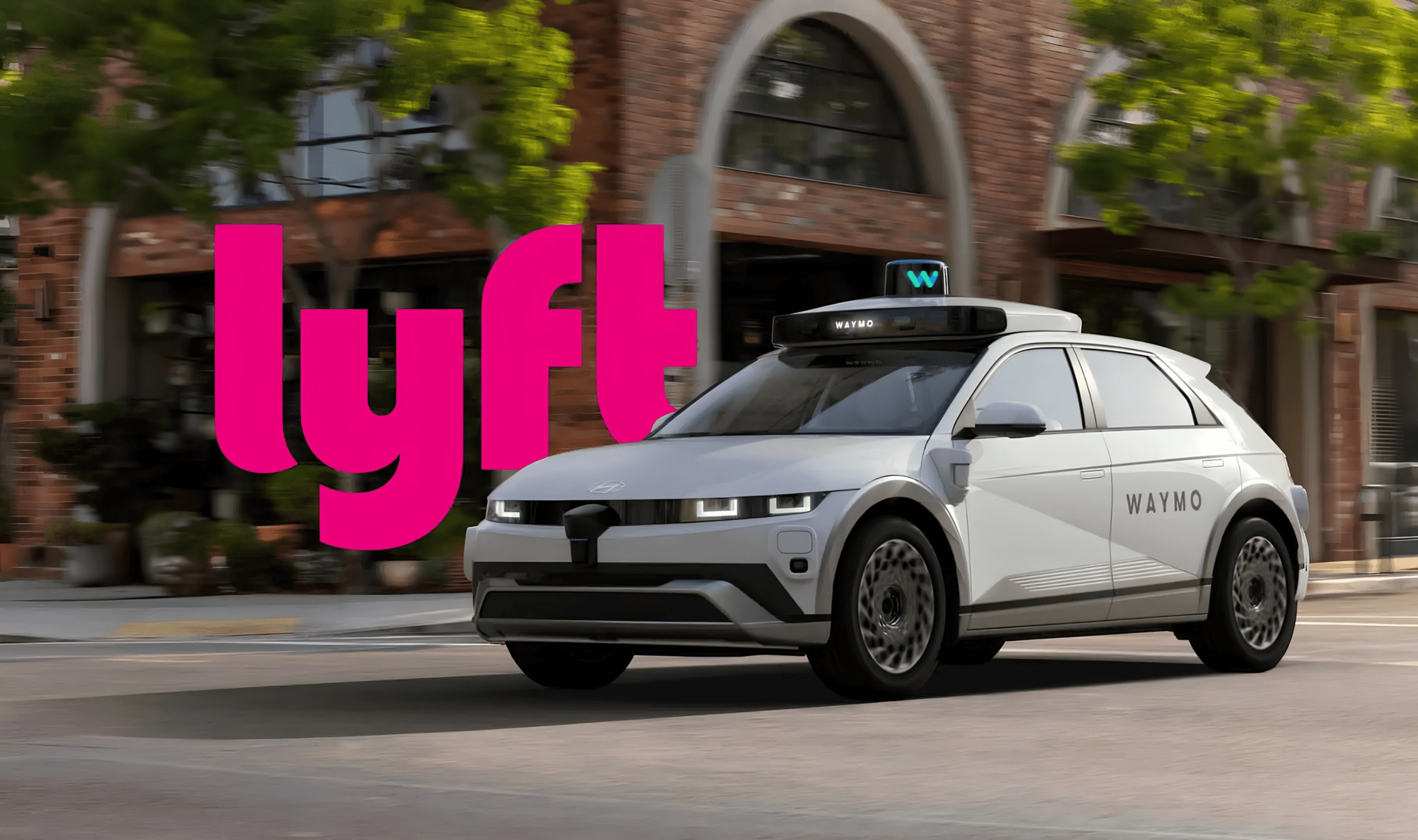
In September, Waymo rides became available through Lyft’s app in Nashville, with no extra charge for being matched to a Waymo vehicle. Riders could decline an autonomous vehicle or opt out entirely, while Lyft said its network would include both autonomous vehicles and cars driven by people.