
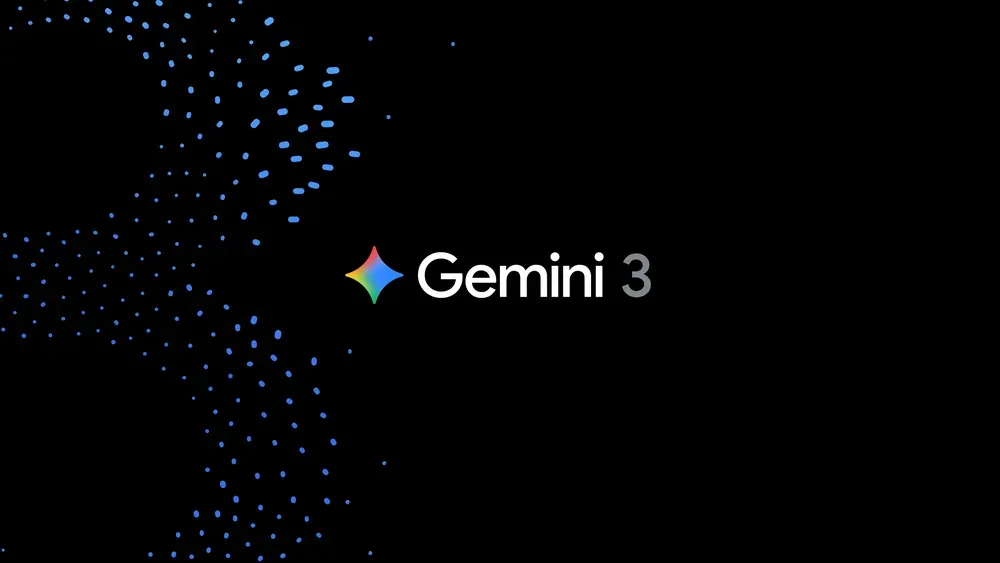
Apple confirmed a multi-year partnership with Google on Monday, selecting Gemini AI models to power its next-generation Siri voice assistant. The deal marks a strategic shift for Apple, which will use Google's technology as the foundation for Apple Foundation Models starting later this year.
Google's Gemini models and cloud infrastructure will support Apple Intelligence features, including a revamped Siri expected to launch in 2026. Apple stated that after careful evaluation, Google's technology provides "the most capable foundation" for its AI ambitions. The partnership follows months of speculation and internal testing of alternatives including OpenAI's ChatGPT.
Bloomberg's Mark Gurman first reported the potential deal in August 2025, with subsequent reports in November detailing a customized 1.2 trillion-parameter Gemini model. Apple reportedly plans to pay Google approximately $1 billion annually for access to the AI technology. The arrangement continues Google's existing financial relationship with Apple, which already pays billions yearly to remain the default search engine on iOS devices.
Apple's AI-powered Siri upgrade was originally announced at WWDC 2024 with a planned 2025 launch, but faced multiple delays. The company postponed the release to spring 2026 following internal development challenges and high-profile departures from its AI division. This delay placed Apple behind competitors including Google, Amazon, Meta, and OpenAI in the AI assistant race.
The Gemini integration will run on Apple's Private Cloud Compute servers, maintaining the company's privacy standards while keeping user data separate from Google's infrastructure. This architecture allows Apple to leverage Google's AI capabilities without compromising its privacy-first approach. The setup ensures queries remain within Apple's ecosystem rather than being processed on Google's servers.
Gemini will power core aspects of Siri's functionality, including query planning and summarization capabilities. Apple's on-device language models will handle knowledge search systems, creating a hybrid approach that combines external AI power with local processing. This technical architecture represents a pragmatic solution to Apple's AI development challenges.
The partnership announcement coincided with Google briefly surpassing Apple's market capitalization for the first time since 2019. Alphabet reached an intraday value exceeding $4 trillion last week, while Apple hovered around $3.83 trillion. Market analysts view the deal as validation of Google's AI leadership and a strategic move by Apple to accelerate its AI capabilities.
Apple's current ChatGPT integration with Siri, introduced in iOS 18, is expected to continue alongside the Gemini partnership, though Apple has not explicitly confirmed this arrangement. CEO Tim Cook indicated during Apple's last earnings call that the company intends to integrate with additional AI models over time. This suggests Apple may adopt a multi-model approach similar to Anthropic's Model Context Protocol standard.
The revamped Siri is expected to debut with iOS 26.4 in March or April 2026, featuring enhanced conversational abilities and cross-app intelligence. Users can anticipate more intuitive responses, on-screen awareness, and personalized features that leverage Gemini's multimodal capabilities. The upgrade represents Siri's most significant transformation since its original launch.
Industry observers note the partnership reflects broader trends in AI development, where even competing tech giants collaborate to accelerate innovation. While Apple and Google compete in hardware, software, and services, their AI collaboration demonstrates the resource-intensive nature of modern AI development. The deal could pressure other players including Amazon and Microsoft to pursue similar partnerships.
Privacy remains central to Apple's implementation, with Gemini processing occurring exclusively on Apple's infrastructure. This approach addresses potential ethical concerns about data handling while differentiating Apple from competitors who may share user data more freely. The company's privacy standards have become a key brand differentiator in the AI era.
The Gemini-powered Siri upgrade arrives as Google demonstrates new AI capabilities at CES 2026, including visually rich responses for Google TV. These features, such as image generation and real-time content updates, could inspire similar capabilities in Apple's ecosystem. The integration may eventually extend to Apple TV and other Apple devices beyond iPhone and iPad.
Apple's decision to partner with Google rather than develop AI capabilities entirely in-house acknowledges the company's current position in the AI race. By leveraging Google's established technology, Apple can focus on user experience refinements while accessing cutting-edge AI capabilities. The partnership represents a pragmatic approach to closing the AI gap with competitors.
Financial terms of the multi-year agreement remain undisclosed, though earlier reports suggested significant annual payments. The deal's structure likely includes both licensing fees for Gemini technology and cloud infrastructure usage. This arrangement provides Apple with immediate AI capabilities while allowing continued development of its own foundation models.
The Gemini integration could enable Siri to handle more complex queries, generate personalized content, and provide context-aware assistance across Apple's ecosystem. These capabilities would represent a substantial improvement over Siri's current limitations, which have drawn criticism as competitors advanced their AI assistants. The upgrade aims to restore Siri's competitiveness in the voice assistant market.
Apple's AI strategy now appears focused on partnerships and gradual integration rather than rapid in-house development. This approach allows the company to maintain its privacy standards while accessing advanced AI capabilities. The Gemini deal represents a significant milestone in Apple's evolving relationship with AI technology and its position in the competitive landscape.