
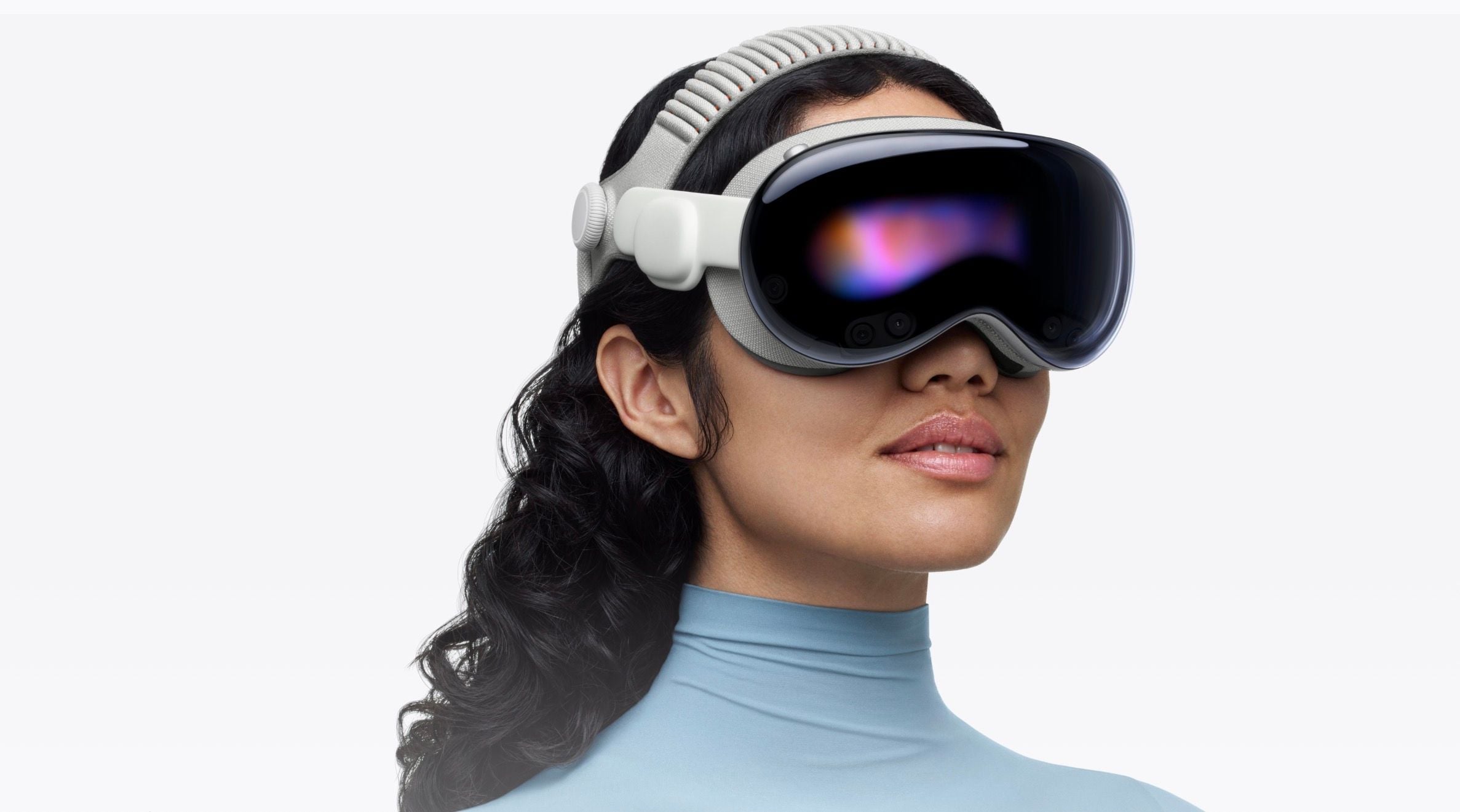
Apple slashed Vision Pro production and marketing after shipping just 45,000 units during the 2025 holiday quarter, according to International Data Corporation estimates reported by the Financial Times. The $3,499 spatial computing headset saw its Chinese manufacturer Luxshare halt production at the start of 2025 following a 2024 launch that moved 390,000 units.
Apple cut digital advertising for the Vision Pro by more than 95 percent in key markets including the US and UK, Sensor Tower data shows. The company sells the device directly in 13 countries and did not expand its international rollout in 2025.
The overall virtual reality headset market declined 14 percent year-over-year, Counterpoint Research reported. Meta's Quest line dominates with approximately 80 percent market share despite recent marketing reductions from both companies.
Morgan Stanley analyst Erik Woodring told the Financial Times that cost, form factor, and limited VisionOS-native apps constrained broader adoption. Apple says only 3,000 apps are designed specifically for the spatial computer platform.
Apple launched an upgraded M5 version in October 2025 featuring a more powerful chip, longer battery life, and redesigned headband. The company reportedly plans a cheaper, lower-specification model for 2026.
Samsung's Galaxy XR mixed-reality headset entered the market in October 2025 at $1,799, roughly half the Vision Pro's price. The Samsung device uses Google's Android XR platform, positioning it as a more accessible alternative.
Bloomberg's Mark Gurman reported in October 2025 that Apple shifted employees from Vision Pro development to smart glasses projects. The company appears focused on competing with Meta's AI-powered Ray-Ban Display and Google's upcoming Android XR glasses.
IDC forecasts the smart glasses market grew 211.2 percent in 2025, with Meta shipping 20,000 Ray-Ban Display units in Q3 alone. The research firm predicts smart glasses will expand at a 29.3 percent compound annual growth rate through 2029.
Despite weak consumer demand, Apple found enterprise applications for the Vision Pro in healthcare, manufacturing, and education. UC San Diego doctors completed 60 clinical trials using the headset during live surgeries, while Purdue University employs the technology for manufacturing training.
IDC projects Apple will ship 290,000 Vision Pro units in 2026, generating $636 million in revenue. The research firm expects the lower-cost model planned for late 2026 to target enterprise and education markets rather than mainstream consumers.