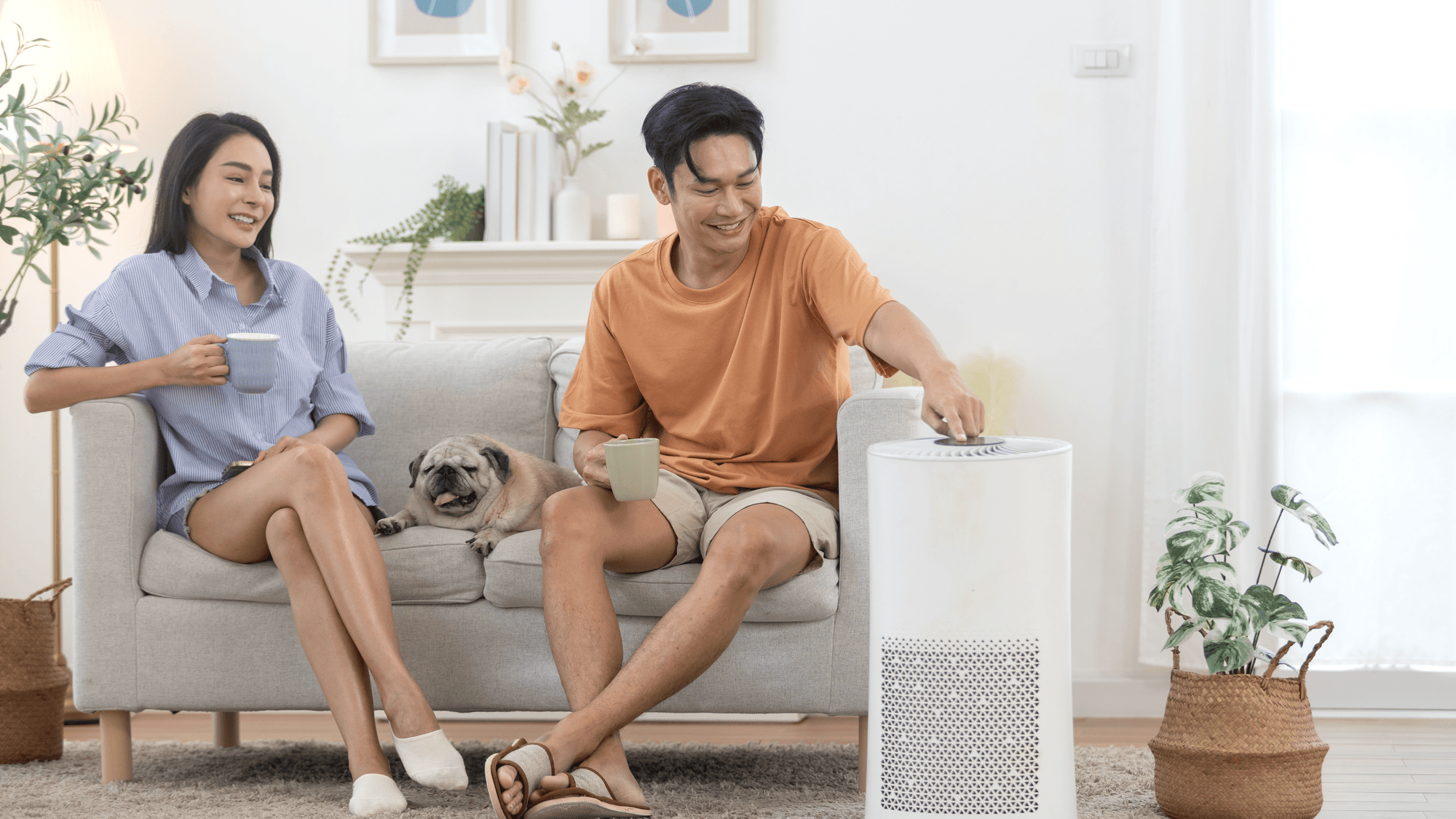
An air purifier can be worth it if the goal is fewer airborne particles in one room. The EPA says portable air cleaners are intended for a single room or area, and that they can reduce indoor air pollution but cannot remove every pollutant. The agency describes filtration as a supplement to controlling pollutant sources and ventilating with clean outdoor air.
What a portable air cleaner can and cannot do
The EPA's guide to air cleaners in the home reports that several studies of portable HEPA cleaners found small improvements in cardiovascular and respiratory health, sometimes too small for users to notice. Some studies also found improvements in allergy or asthma symptoms. Those were not consistently major and did not appear across every symptom.
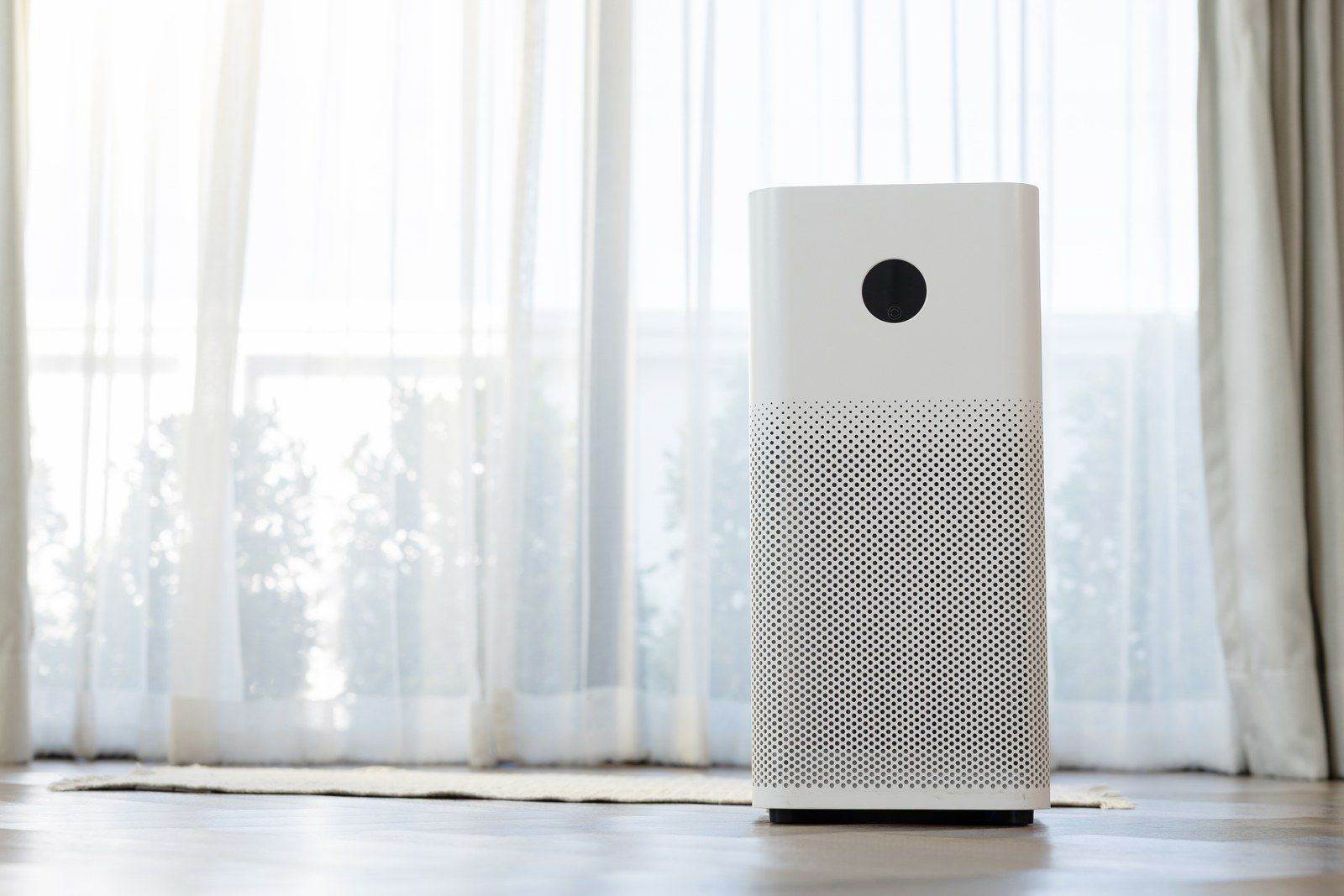
The EPA describes HEPA as a pleated mechanical filter that can theoretically remove at least 99.97% of airborne particles measuring 0.3 microns. The agency identifies 0.3 microns as the most penetrating particle size, and says larger and smaller particles are trapped with even higher efficiency.
The EPA says activated carbon filters can remove gases, but that this takes a large amount of filter material, and that there are no widely used performance ratings for portable gas-removal filters. On mold, the EPA says an air cleaner may capture mold particles but will not resolve a mold and moisture problem.
How to size one with CADR
The Association of Home Appliance Manufacturers (AHAM) defines CADR as the volume of filtered air an air cleaner delivers, with separate scores for tobacco smoke, pollen and dust.
- Room size rule: AHAM's general rule is a CADR of at least two-thirds of the room's area in square feet. By that rule, a 120-square-foot room needs a smoke CADR of at least 80 (120 x 2/3 = 80).
- High ceilings: The EPA advises choosing a cleaner rated for a larger room if your ceilings are higher than 8 feet.
- Independent testing: AHAM says air cleaners in its Verifide program are tested by independent laboratories.
The EPA says higher fan speeds and longer run times generally increase filtration, and lower speeds filter less air.
Ozone generators and the CARB label
The EPA advises avoiding air cleaners that intentionally produce ozone, which it calls a lung irritant. It says inhaled ozone can damage the lungs, cause respiratory symptoms and worsen chronic respiratory diseases such as asthma. The agency also says ozone is generally ineffective at controlling indoor air pollution at concentrations within public health standards, and that no federal agency has approved ozone-generating air cleaners for use in occupied spaces.
In California, the California Air Resources Board (CARB) says portable indoor air cleaners sold in the state require certification. Certification requires electrical safety testing, and electronic air cleaners must also pass an ozone test with emissions no greater than 0.050 parts per million. Certified non-medical models carry the package statement "Meets California ozone emissions limit: CARB certified."
CARB says certification does not reflect how well an air cleaner removes pollutants, and it is not a general finding that a cleaner is safe to use. CARB also says cleaners that use only physical filtration are mechanical and do not generate ozone or ions.
Running costs: energy and filters
ENERGY STAR's current room air cleaner specification is Version 3.0, effective October 9, 2025. It measures efficiency as PM2.5 CADR per watt, counting both active and standby energy use. The minimum ranges from 4.4 for the smallest eligible models to 5.6 for models with a PM2.5 CADR of 150 through 600 cubic feet per minute. Ozone generators are excluded from the program.
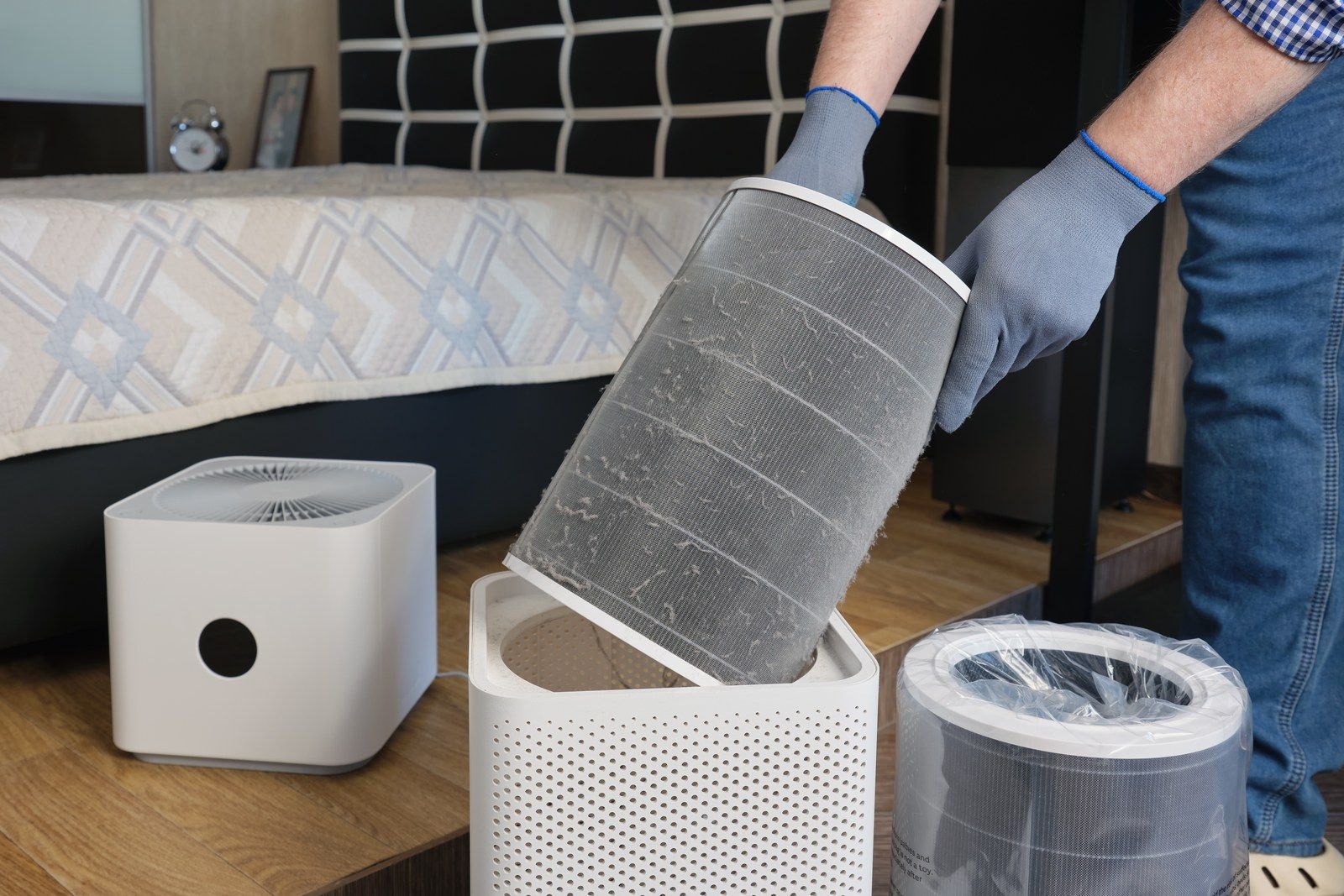
The EPA's 2026 filtration factsheet says to check filters often and to clean or change them when they are dirty or start to smell.
Wildfire smoke
For smoke, the CDC advises choosing a room you can close off from outside air and using a portable air cleaner or filter to keep its air clean. AirNow advises running the cleaner continuously on the highest fan speed during smoke events, with doors and windows closed, and avoiding ozone-generating devices. It adds that filters may need replacing more often than the manufacturer recommends during heavy smoke.
The EPA's 2026 wildfire factsheet specifies a smoke CADR of at least two-thirds of the room's area in square feet. AHAM sets a higher bar for wildfire smoke: a smoke CADR equal to the room's area.
Who it fits and when it may not help
If particles are the concern in one room, such as smoke, pollen or dust in a bedroom, a HEPA cleaner sized by AHAM's two-thirds rule fits, because CADR rates exactly that kind of removal. If wildfire smoke is the reason, AHAM's own smoke figure is the higher one to size against. For bigger spaces, see these air purifiers for large rooms.
A particle filter alone does little for gases, which need a substantial activated carbon filter, and the EPA treats any filtration as a supplement to fixing the source and ventilating, not a replacement.