If you need to charge a laptop, keep multiple devices running through a long travel day, or just want a battery that lasts longer than your phone does, a high capacity power bank is worth the weight. The Anker Prime 27,650mAh delivers the best balance of raw power, fast charging, and portability for most people, but the right pick depends on whether you are flying, hiking, or working remotely.
Technobezz is supported by its audience. We may get a commission from retail offers.
8 Best High Capacity Power Banks for 2026
The Anker Prime 27,650mAh tops our list of the 3 best high capacity power banks in 2026, with 250W output for laptops and travel.
T
Technobezz
Editorial Team
Updated October 1, 2026Oct 1, 2026
•10 min read

Get Deals Like These in Your Inbox
The best prices, reviewed weekly.
At a Glance
| Category | Product | Why We Picked It |
|---|---|---|
| Best overall | Anker Prime 27,650mAh (250W) | Massive capacity with ultrafast 140W single-port output |
| Best value | UGREEN Nexode 25,000mAh | 25,000mAh capacity with 140W USB-C output |
| Best for laptop charging | Anker Laptop Power Bank 25,000mAh | Built-in cables and 165W total output |
| Best rugged option | Nestout 15,000mAh Outdoor Battery | IP67 waterproof and drop-resistant |
| Best ultralight high capacity | Nitecore NB20000 Gen 3 | 20,000mAh in a lightweight carbon fiber shell |
| Also recommended | INIU P63-E1 100W 25,000mAh | 100W USB-C charging with an included cable |
| Also recommended | Shargeek 170 (24,000mAh) | Cool transparent design, tough build |
| Also recommended | BioLite Charge 100 Max (25,000mAh) | Great for charging the whole family |
How we chose
We evaluated high capacity power banks based on real-world charging efficiency, port compatibility, build quality, and value. Our assessment considered factors like usable watt-hours per gram, total output wattage across ports, recharge speed, and how well each model handles simultaneous device charging. We prioritized products from established brands with proven track records for safety and durability.
The best high capacity power banks right now
Anker Prime 27,650mAh (250W) - Best overall
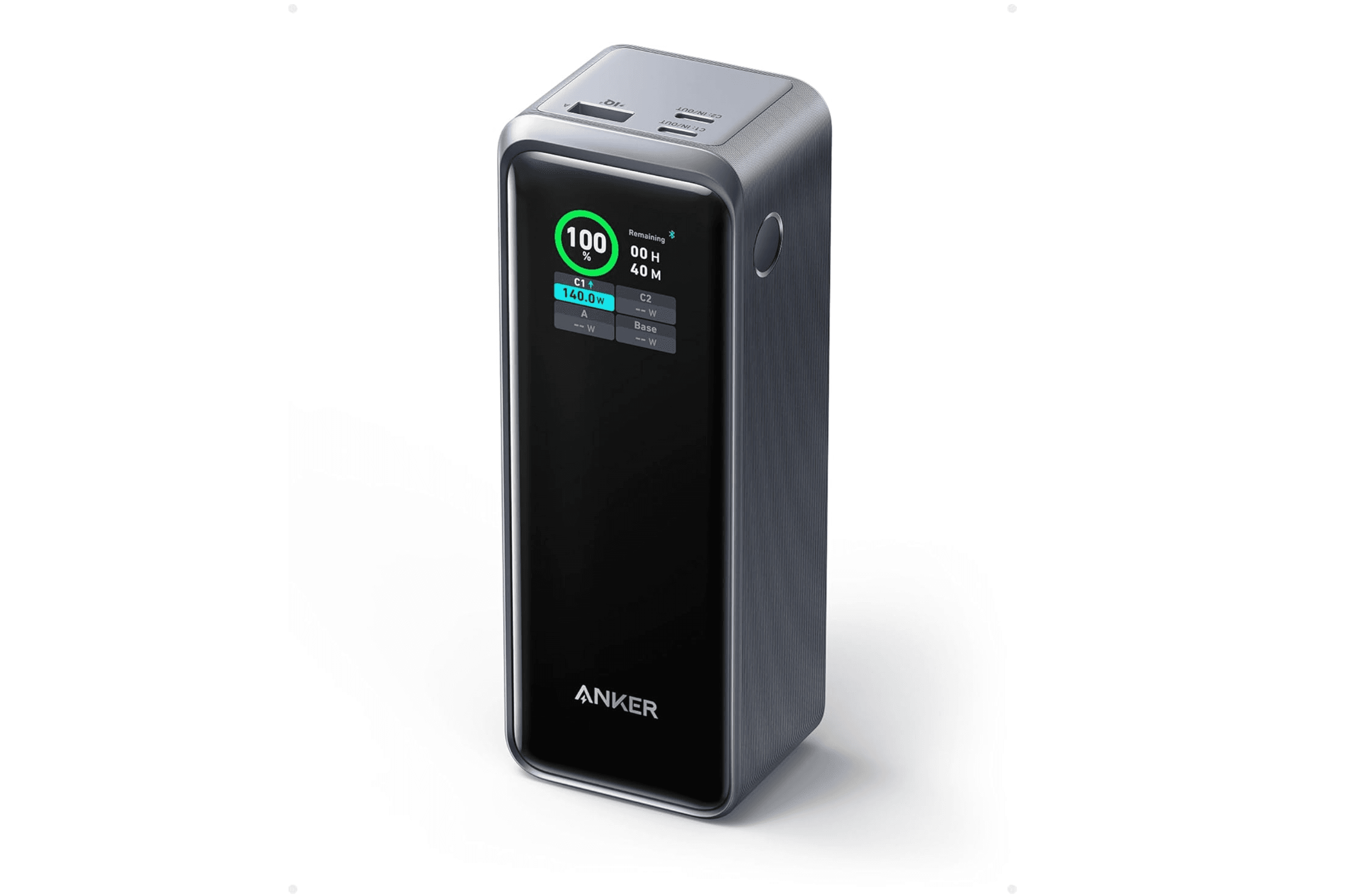
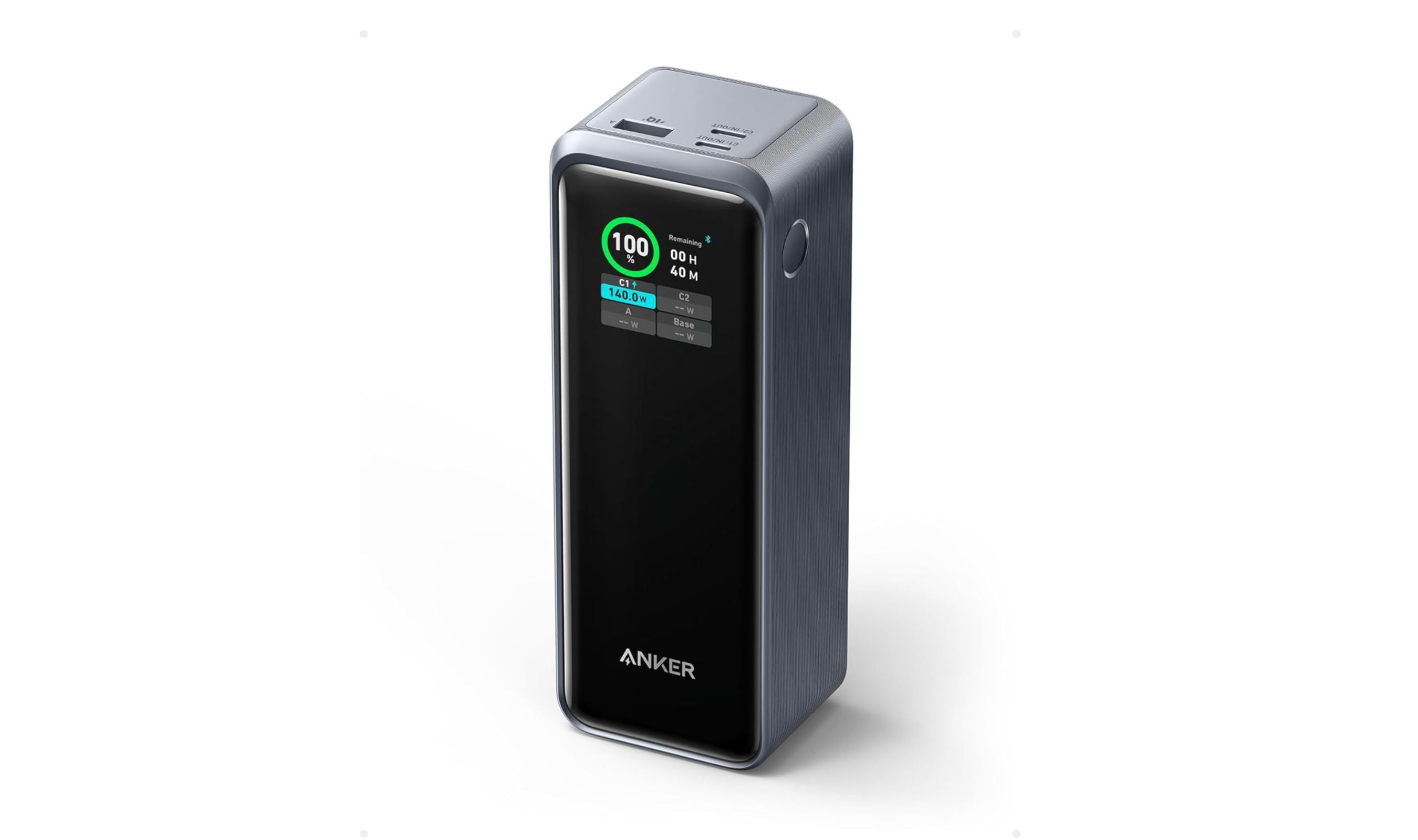
The Anker Prime is the most capable high capacity power bank you can buy in 2026. It packs 27,650mAh into a compact metal body and delivers up to 250W total output across three ports, with a single USB-C port capable of 140W using PD 3.1. That is enough to charge a 16-inch MacBook Pro to 50% in about 28 minutes. The color display shows real-time power flow, remaining capacity, and estimated charge times. It also connects via Bluetooth to Anker's app for remote monitoring.
Key highlights
- 27,650mAh capacity (airline approved for carry-on)
- 140W single-port output via USB-C PD 3.1
- Smart color display with real-time charging stats
- Bluetooth app connectivity for remote monitoring
- Optional 100W charging base for cable-free recharging
Pros
- Exceptional charging speed for laptops and phones
- Compact for its capacity class
- Display is genuinely useful, not a gimmick
Cons
- Premium price tag
- Optional charging base costs extra
- Heavier than smaller capacity alternatives
Who it is for: Frequent travelers, digital nomads, and anyone who needs to charge a laptop plus multiple devices away from outlets.
Skip if
You only need to top off a phone occasionally. A smaller 10,000mAh or 20,000mAh bank will save you weight and money.
UGREEN Nexode 25,000mAh - Best value
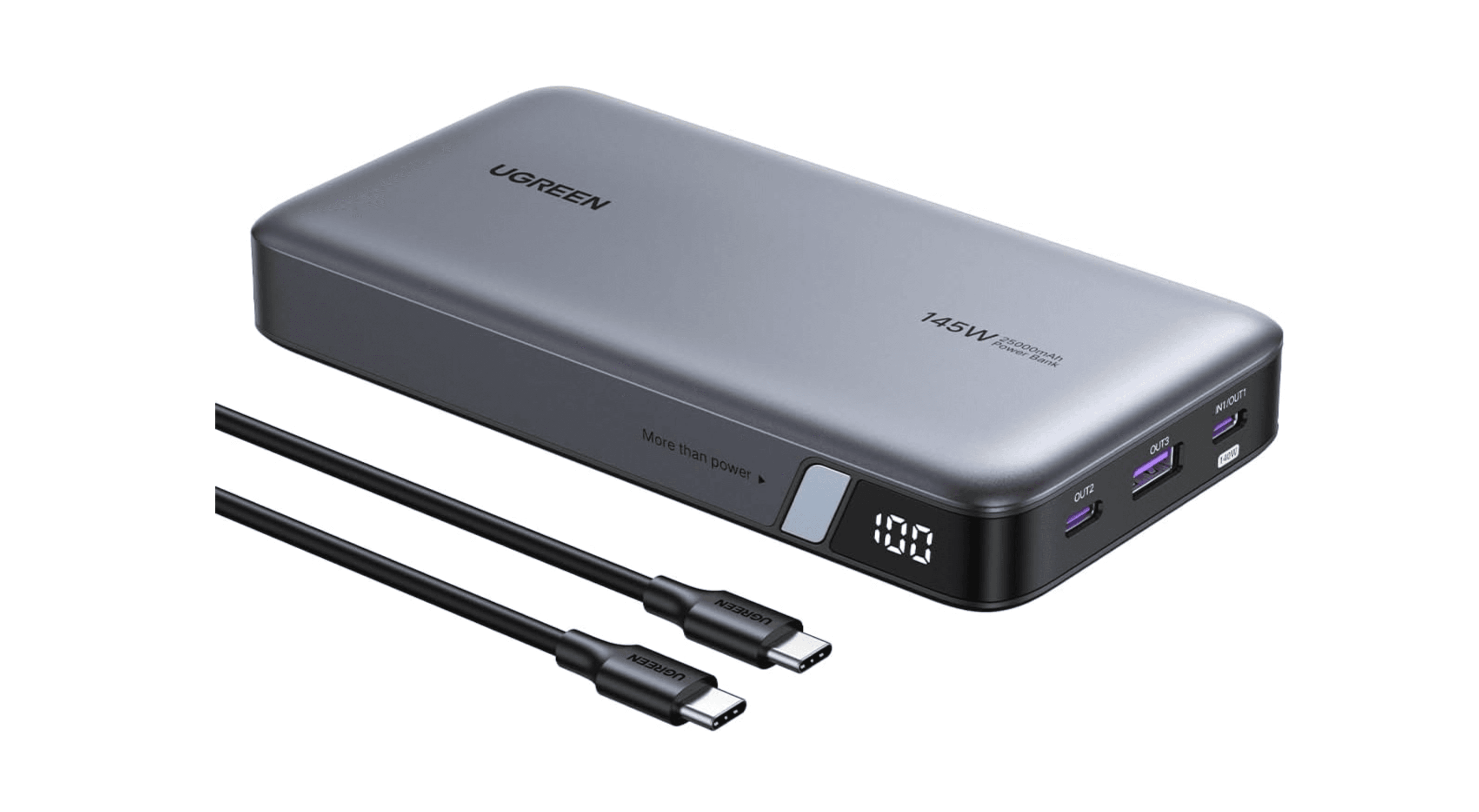
The UGREEN Nexode combines 25,000mAh capacity with up to 145W total output. Its main USB-C port delivers up to 140W, alongside a second USB-C port and a USB-A port. An LED display shows remaining battery level. Recharging takes about two hours with a 65W PD charger, which is sold separately.
Key highlights
- 25,000mAh capacity with 140W single-port output
- Two USB-C ports and one USB-A port
- LED display shows remaining battery level
- Up to 65W input for recharging
- Airline approved for carry-on
Pros
- Excellent value for the power on offer
- Fast enough for demanding laptops
- Solid build quality
Cons
- Slow self-recharge at 65W input
- No app connectivity
- Slightly heavier than some competitors
Who it is for: Budget-conscious users who still need laptop charging capability and multiple device support.
Skip if
You need the absolute fastest self-recharge speeds or want app-based monitoring.
Anker Laptop Power Bank with Built-in Cable (25,000mAh) - Best for laptop charging
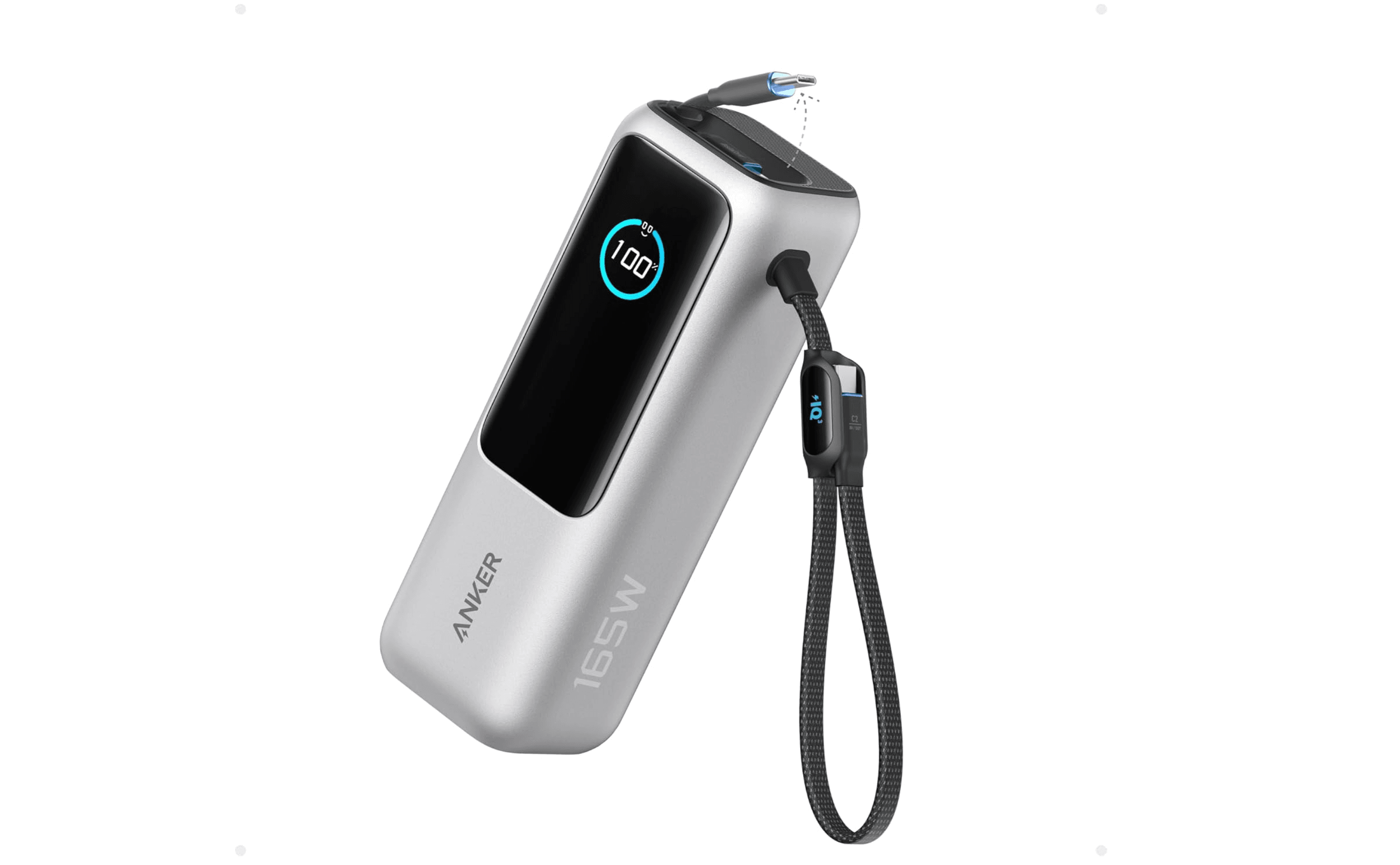
This Anker model stands out because it includes two built-in USB-C cables, so you never have to worry about forgetting a cord. The retractable cable extends up to 2.3 ft, and a second braided cable doubles as a carry loop. With 165W total output and 100W single-port charging, it handles laptops, tablets, and phones with ease. The display shows remaining battery, output wattage per port, and estimated recharge time.
Key highlights
- 25,000mAh capacity with two built-in USB-C cables
- 165W total output, 100W single-port maximum
- Retractable 2.3 ft cable plus braided lanyard cable
- Display shows detailed charging information
- Durable matte silver exterior
Pros
- Built-in cables mean no extra gear to carry
- Reliable laptop charging performance
- Sturdy, scratch-resistant build
Cons
- Screen picks up smudges easily
- Heavier than some 25,000mAh alternatives
Who it is for: People who frequently forget their charging cable or want a grab-and-go solution for laptop travel.
Skip if
You prefer using your own cables or need more than 100W from a single USB-C connection.
Nestout 15,000mAh Outdoor Battery - Best rugged option
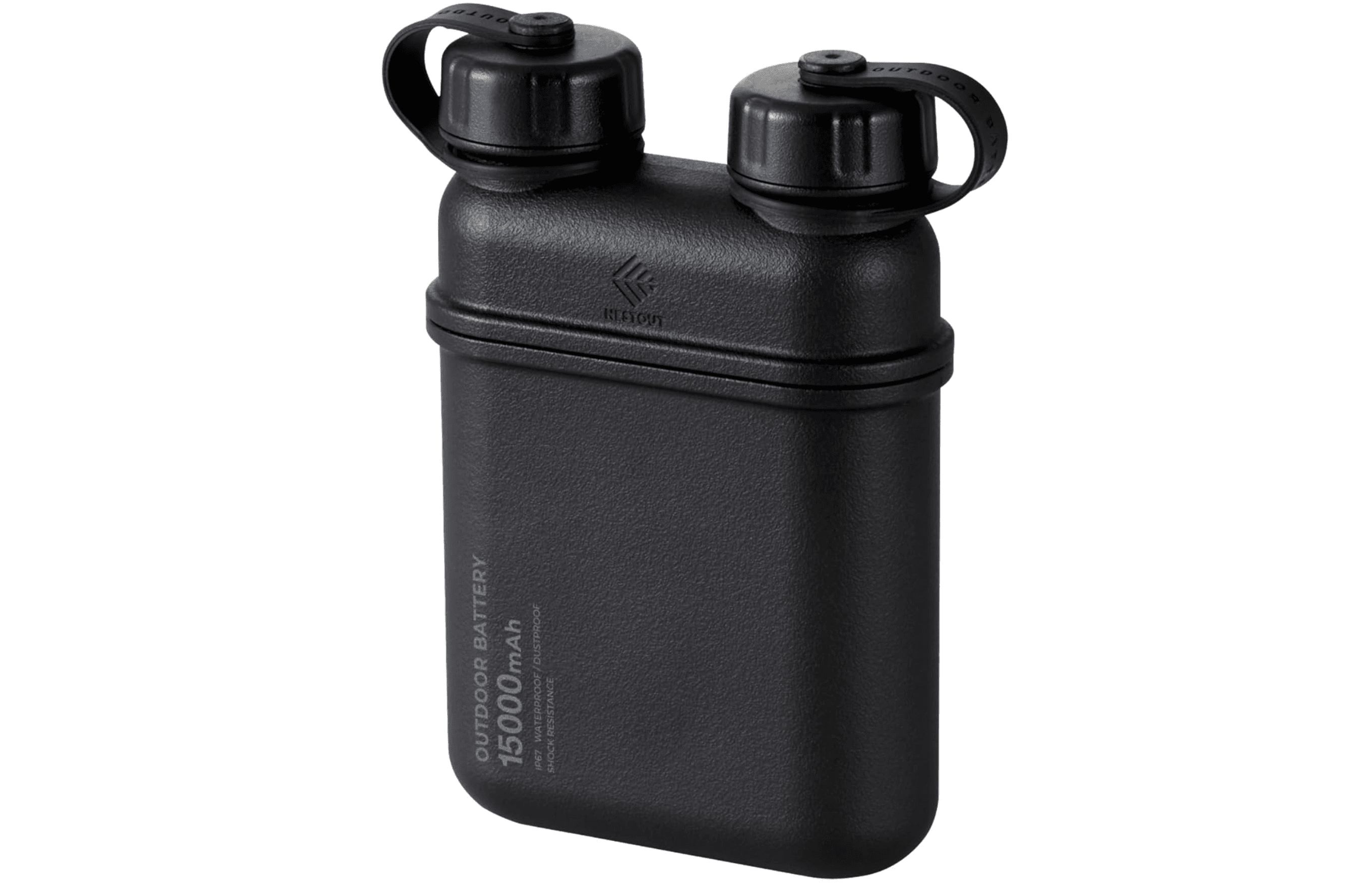
The Nestout is built for the outdoors with an IP67 rating, meaning it can withstand submersion in one meter of water for up to 30 minutes with its port caps securely closed. It also meets military drop-test standards and has screw-on port caps with silicone gaskets to keep water and dust out. Only the USB-C port accepts input for recharging; the two USB-A ports are output-only. It also supports Nestout's accessory system, including a dimmable LED lamp and a small tripod.
Key highlights
- 15,000mAh capacity with IP67 waterproof rating
- One USB-C input/output port and two USB-A output ports
- Compatible with Nestout LED lamp and tripod accessories
- 32W total output
- Recharges fully in about 3.5 hours
Pros
- IP67 water and dust protection with port caps closed
- Survives drops and rough handling
- Clever accessory ecosystem for camping
Cons
- Lower capacity than other picks on this list
- Not the fastest charging speeds
- Included cable is very short
Who it is for: Backpackers, campers, and anyone who works or travels in wet or dusty conditions.
Skip if
You need maximum capacity or fast laptop charging. This is a durability-first choice, not a power-first one.
Nitecore NB20000 Gen 3 - Best ultralight high capacity
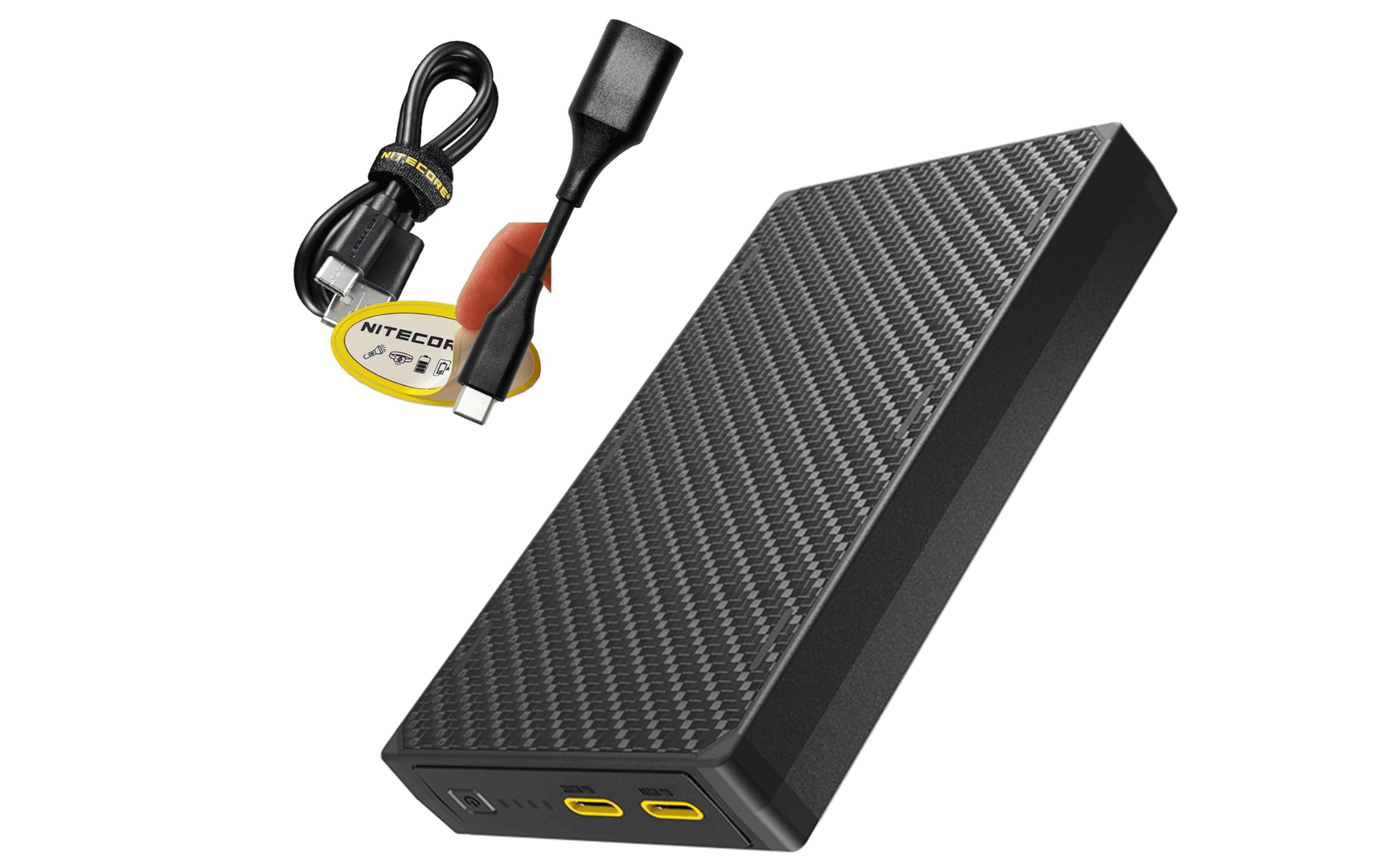
The Nitecore NB20000 Gen 3 packs 20,000mAh into just 10.2 ounces thanks to its carbon fiber shell. That makes it one of the highest capacity-per-ounce power banks available. It has dual USB-C ports (both input and output), with up to 22.5W from one port or 15W total when both outputs are used, and it supports pass-through charging. The IPX5 rating means it can handle rain and splashes without issue.
Key highlights
- 20,000mAh capacity at only 10.2 ounces
- Carbon fiber shell with IPX5 water resistance
- Dual USB-C ports with pass-through charging
- Ultra-slim profile for easy packing
- One-year warranty
Pros
- Exceptional weight-to-capacity ratio
- Durable carbon fiber construction
- Fits easily in hip belt pockets or small bags
Cons
- Shared output drops to 15W when charging two devices
- No USB-A port
- Premium price for the capacity
Who it is for: Ultralight backpackers, thru-hikers, and travelers who count every gram but need serious capacity.
Skip if
You need fast laptop charging or want to charge multiple devices at full speed simultaneously.
Also Good
- INIU P63-E1 100W 25,000mAh - 100W USB-C charging with an included cable.
- Shargeek 170 (24,000mAh) - cool transparent design, tough build.
- BioLite Charge 100 Max (25,000mAh) - great for charging the whole family.
How to Choose
- Capacity vs. weight. Higher mAh numbers mean more charges but also more weight. A 20,000mAh bank gives most phones 3 to 4 full charges. For laptop charging, check the USB-C output rating as well as capacity. Decide what you actually need to charge before you buy.
- Output wattage matters more than you think. A 20,000mAh bank with 18W output will charge your phone slowly four times. The same capacity at 45W will charge it fast four times. For laptops, look for at least 65W on a single port. For phones only, 30W is the sweet spot.
- Port selection and built-in cables. USB-C PD is the standard for fast charging in 2026. Some power banks include built-in cables, which is convenient but locks you into a fixed cable length and type. Others rely on your own cables, which gives you more flexibility.
- Airline restrictions. Power banks under 100Wh (roughly 27,000mAh at 3.7V) are allowed in carry-on luggage without special approval. Between 100Wh and 160Wh requires airline approval. Over 160Wh is banned entirely. All picks in this list are under 100Wh.
- Durability and water resistance. If your power bank will live in a bag and never see rain, standard build quality is fine. If you hike, camp, or work outdoors, look for IP67 or IP68 ratings and drop-test certifications.
FAQ
Can a high capacity power bank charge a laptop?
Yes, if the power bank has a USB-C port delivering at least 45W to 65W. Models with 100W or higher can charge most modern laptops at full speed, including MacBook Pro and Dell XPS lines.
How many times will a 25,000mAh power bank charge my phone?
Expect 4 to 6 full charges for most smartphones, depending on battery size and charging efficiency. Real-world usable capacity is roughly 60% to 65% of the rated mAh due to voltage conversion and heat loss.
Is it safe to leave a power bank plugged in overnight?
Yes, if it comes from a reputable brand with built-in protections for overcurrent, overtemperature, and overvoltage. All the picks in this list include these safety features.
Can I take a 25,000mAh power bank on a plane?
Yes, as long as it is under 100Wh (roughly 27,000mAh at 3.7V) and packed in your carry-on luggage. Power banks and spare lithium-ion batteries must stay in carry-on baggage; airline rules may be stricter.
What does PD 3.1 mean for power banks?
USB-C Power Delivery 3.1 enables charging at up to 240W over USB-C, though most current power banks max out at 140W. It allows faster charging for larger laptops and is backward compatible with older PD devices.
Published April 28, 2026 Last updated October 1, 2026
Share this article
More in News
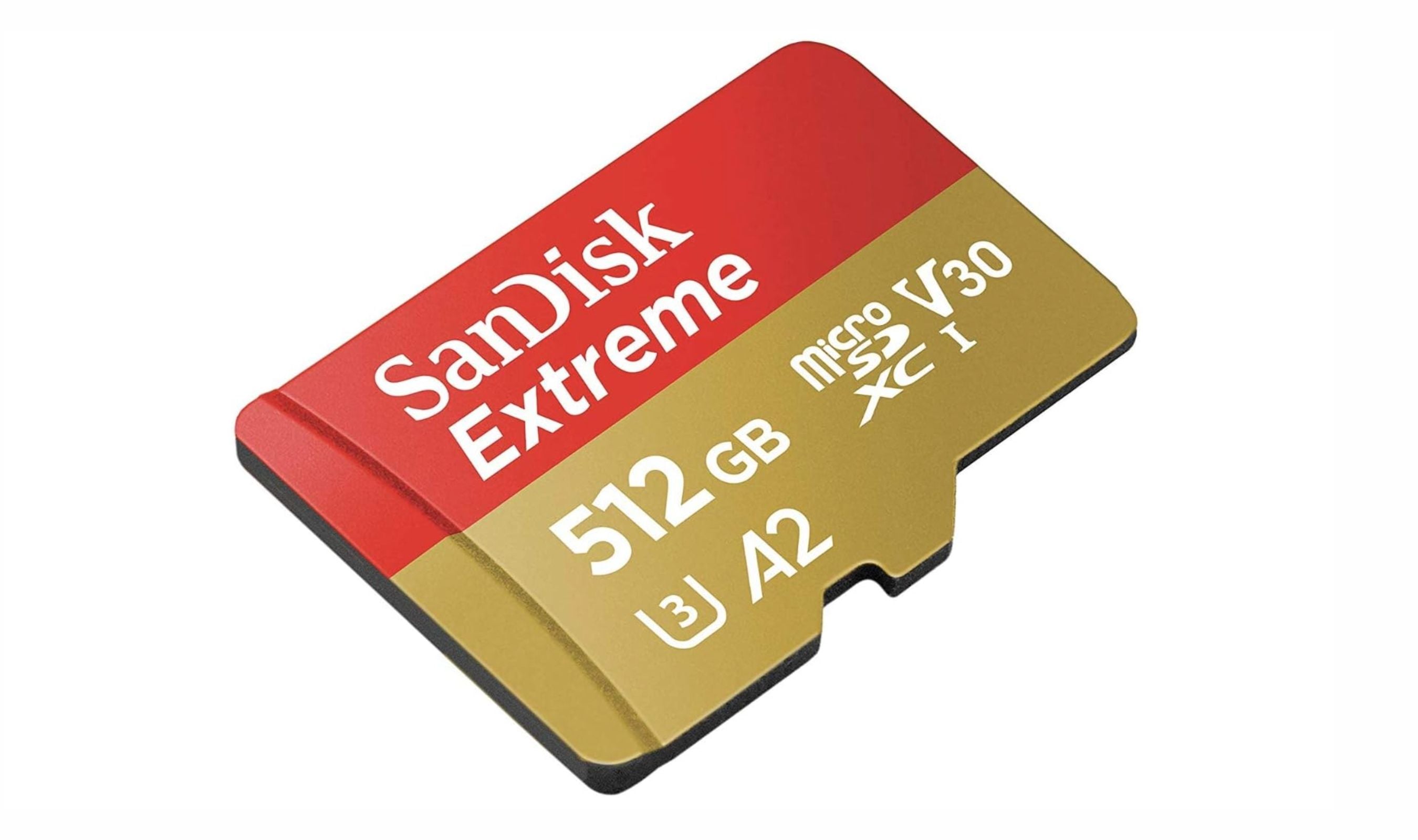
Best microSD Cards for Nintendo Switch in 2026
The SanDisk 512GB Extreme tops our list of the best microSD cards for Nintendo Switch in 2026, offering fast A2 speeds for smooth gameplay.
4 min read
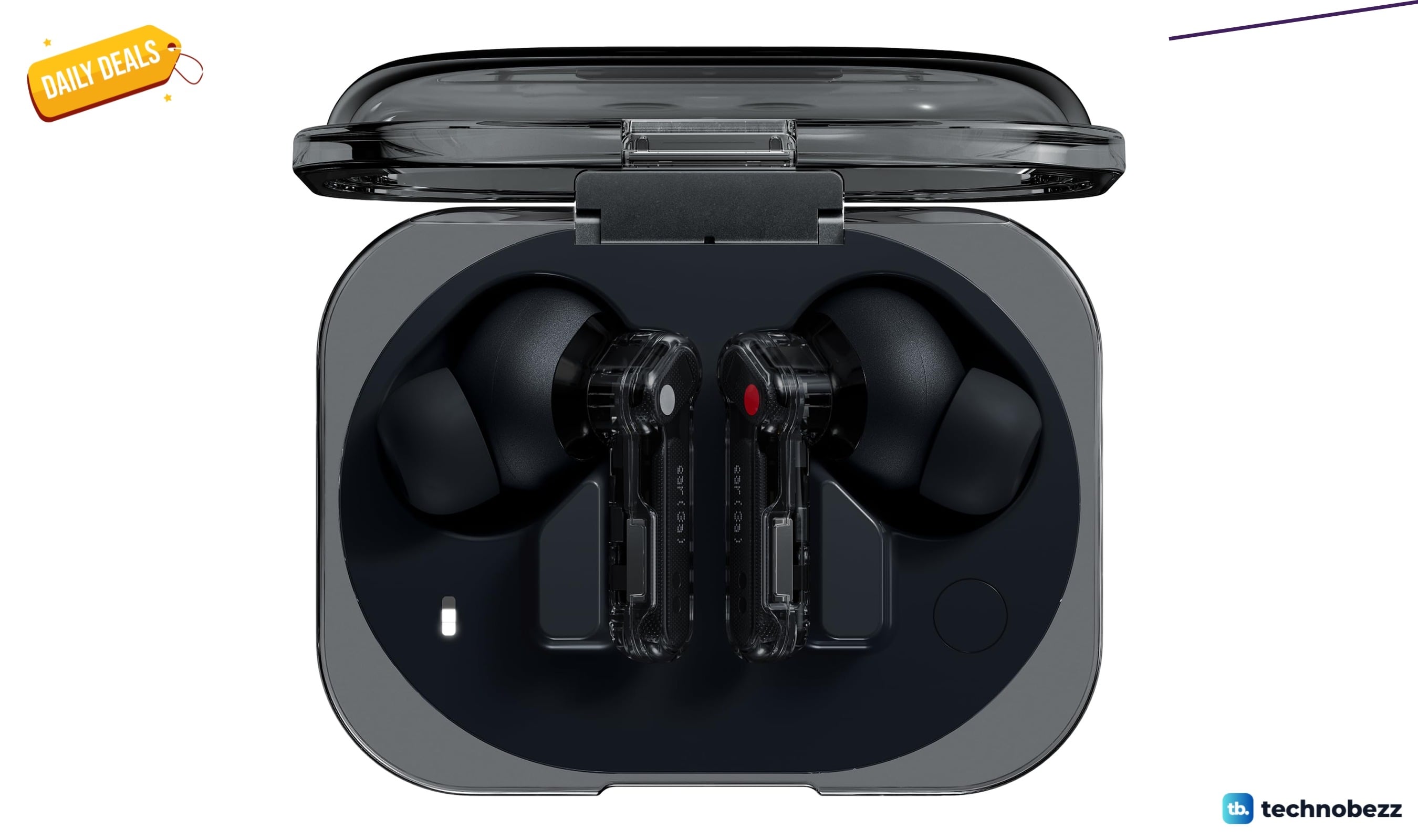
Two headphone price drops worth checking, from $79.99
Two headphone deals land within $0.64 of each other, with the Nothing Ear earbuds at $79.99 and Sennheiser HD 280 Pro at $80.63.
3 min read
8 Best 75-Inch TVs in 2026
The LG C6 OLED 77-inch leads this 2026 roundup with OLED contrast, 4K resolution, and four HDMI 2.1 ports.
5 min read
6 Best SSDs for PS5 in 2026
Samsung 990 PRO with Heatsink 2TB is the top pick for a fast PS5 storage upgrade with a compact built-in heatsink.
4 min read
7 Best USB Flash Drives to Buy in 2026
5 min read
7 Best Electric Screwdrivers of 2026
4 min read
Best Digital Notebooks for 2026
4 min read
7 Best Noise Cancelling Headphones to Buy in 2026
4 min read
TP-Link Archer BE24000 Quad-Band WiFi 7 Router discounted to $599.99
5 min read
Kingston XS2000 1TB High Performance Portable SSD now $173.09, down from $325.99
4 min read
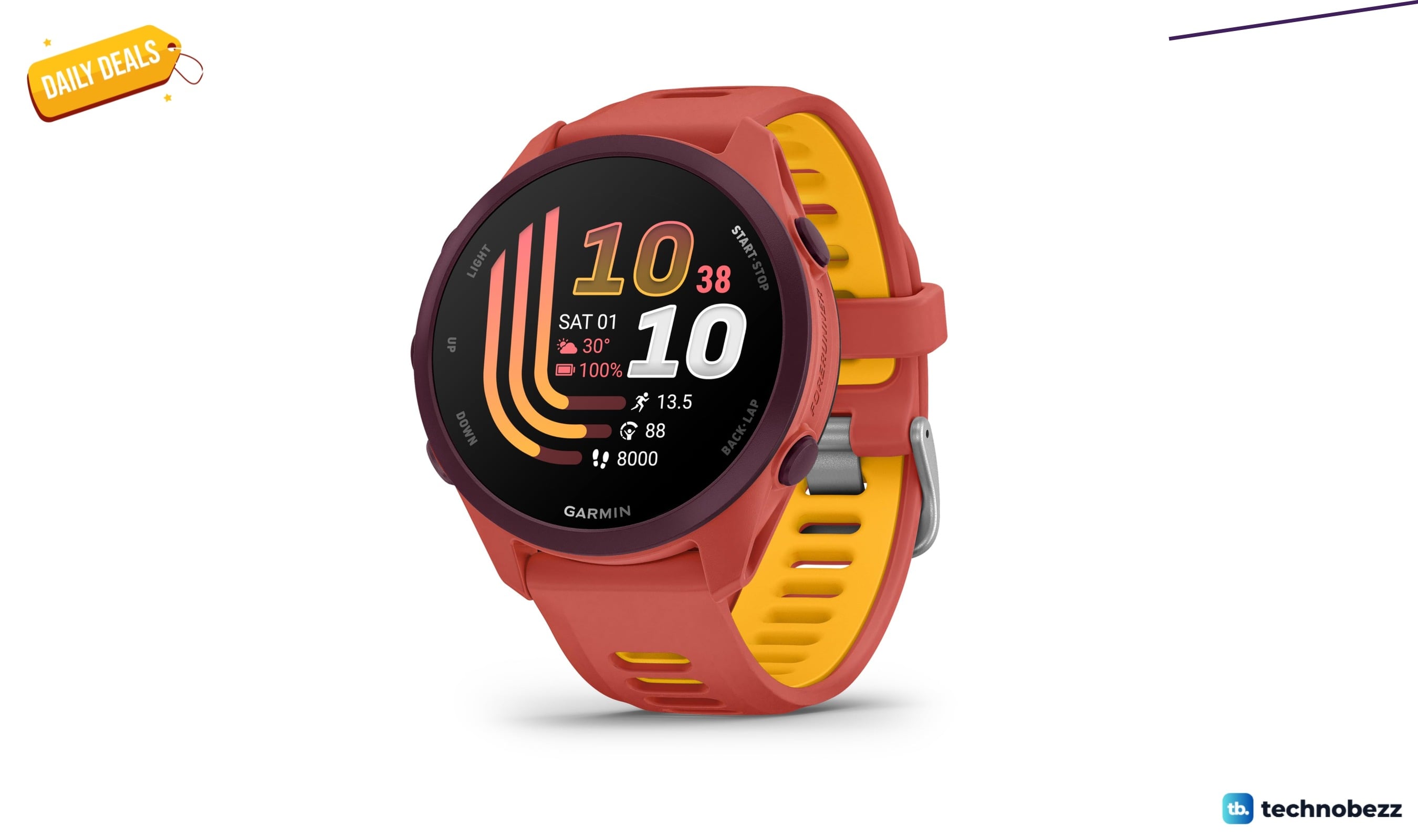
Garmin Forerunner® 170 Music dips to $302.44
3 min read
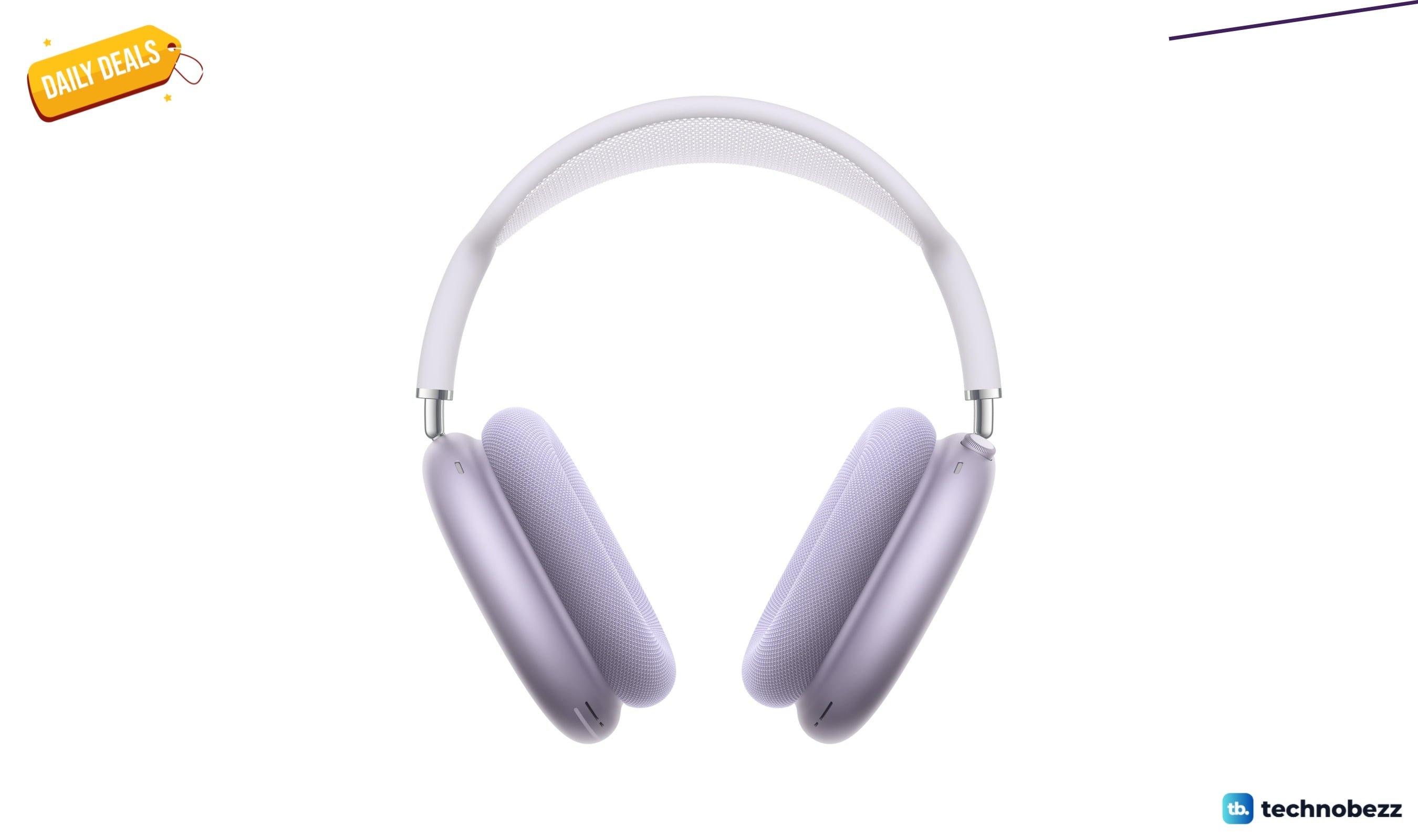
Apple AirPods Max Wireless Over-Ear Headphones dips to $439
3 min read