Finding the right GPS tracker for your child means balancing safety features with practical daily use. The AngelSense stands out as the best overall choice with its comprehensive monitoring and emergency features, while the Apple AirTag (2nd generation) helps families locate backpacks and other belongings without a subscription; it is not a child GPS tracker. This list helps parents choose based on age, budget, and specific safety concerns.
Technobezz is supported by its audience. We may get a commission from retail offers.
7 Best GPS Trackers for Kids in 2026
The 7 best GPS trackers for kids in 2026, from the AngelSense Safety Monitor for total peace of mind to the budget Apple AirTag and the TickTalk 5 smartwatch.
T
Technobezz
Editorial Team
Updated September 28, 2026Sep 28, 2026
•9 min read

Get Deals Like These in Your Inbox
The best prices, checked by our editors.
At a Glance
| Category | Product | Why We Picked It |
|---|---|---|
| Best overall | AngelSense Safety Monitor | Comprehensive monitoring with emergency features and two-way communication |
| Best budget option for belongings | Apple AirTag (2nd generation) | Subscription-free item finding with a louder speaker and expanded Precision Finding |
| Best smartwatch | TickTalk 5 | Combines GPS with video calling and parental controls |
| Best for active kids | Garmin Bounce 2 | Sports tracking plus LTE location sharing, calls, and messages |
| Best screen-free option | BoT Talk GPS Tracker | Simple voice messaging without distracting screens |
| Also recommended | Spytec Atlas GPS Tracker | Reliable real-time tracking with long battery life |
| Also recommended | Apple Watch SE 3 GPS + Cellular | Cellular calls and location sharing with Apple Watch For Your Kids |
How we chose
We evaluated GPS trackers based on real-world performance data and user feedback from multiple sources. Our assessment considered location accuracy, battery life, ease of use, and safety features like SOS buttons and geofencing. We prioritized products that balance reliable tracking with practical daily wear, focusing on devices that work consistently in different environments. Subscription costs and ongoing fees were factored into value comparisons.
The best GPS trackers for kids right now
AngelSense Safety Monitor - Best overall
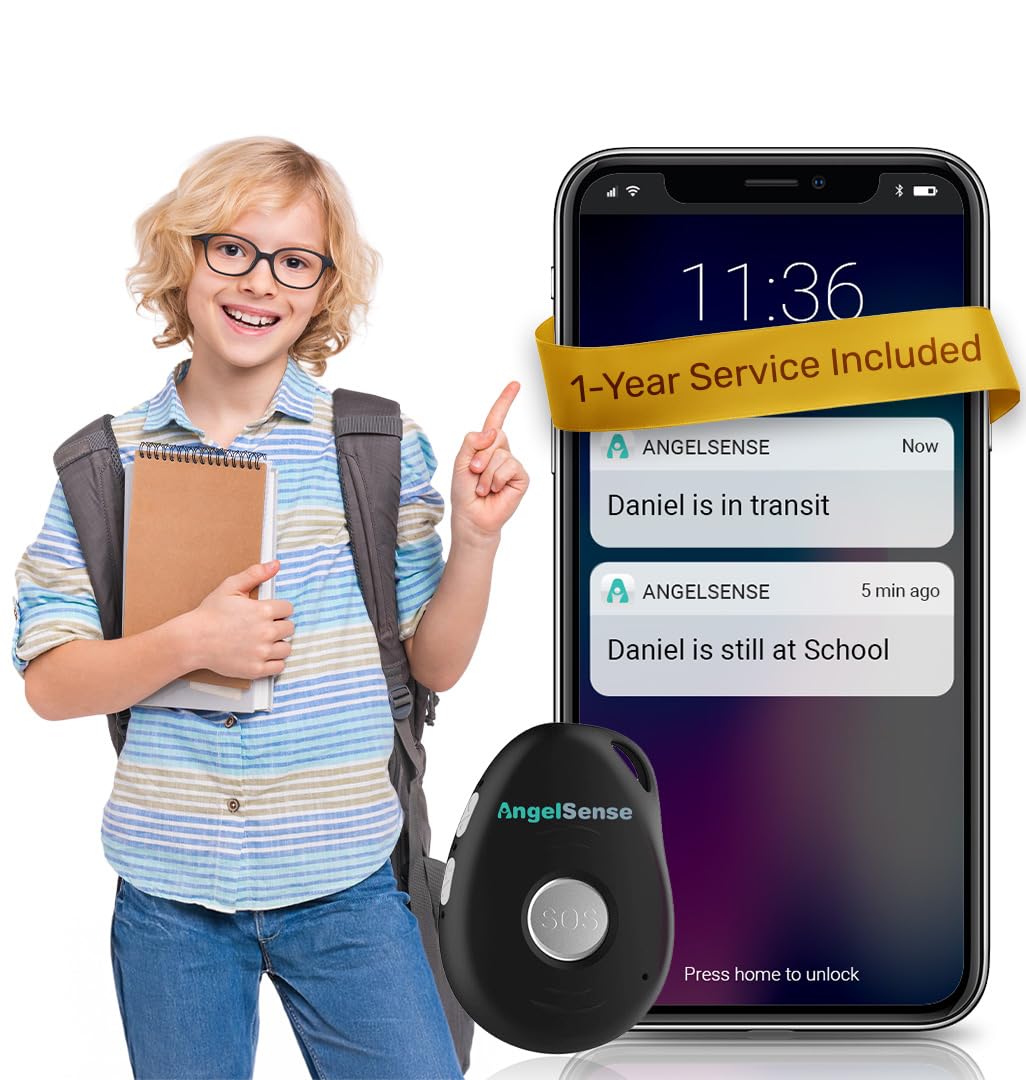
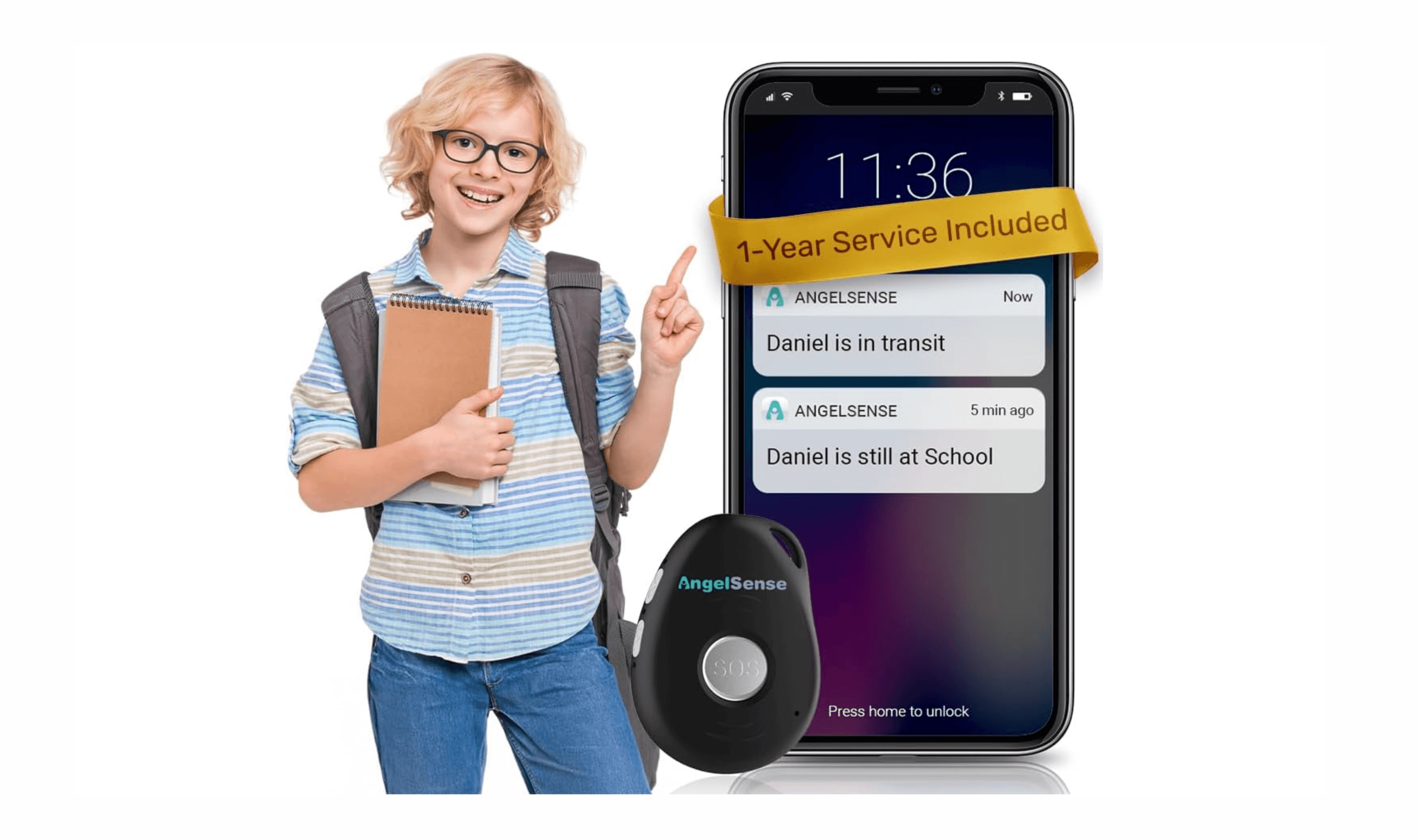
AngelSense delivers the most comprehensive GPS tracking experience for families who need reliable monitoring with emergency response features. Its combination of real-time tracking, two-way communication, and proactive alerts makes it the standout choice for parents prioritizing safety above all else.
Key highlights
- Two-way auto-answer speakerphone for instant communication
- Location updates every 10 seconds during emergencies
- Intelligent alerts that learn daily routines and flag unusual activity
- Non-removable wearing options with sensory-friendly materials
- School bus tracking with live route monitoring
Pros
- Most comprehensive safety features on the market
- Secure attachments prevent device removal
- Real-time audio monitoring of surroundings when needed
- Proactive alerts for unusual activity patterns
Cons
- Service is included for the first year; check ongoing plan costs before buying
- Battery requires daily charging with active use
- More complex setup than basic trackers
Who it is for: Families wanting the most reliable tracking available, parents of children with special needs, and anyone prioritizing comprehensive safety features over cost.
Skip if
You're on a strict budget or only need basic location tracking for occasional use.
Apple AirTag (2nd generation) - Best budget option for belongings
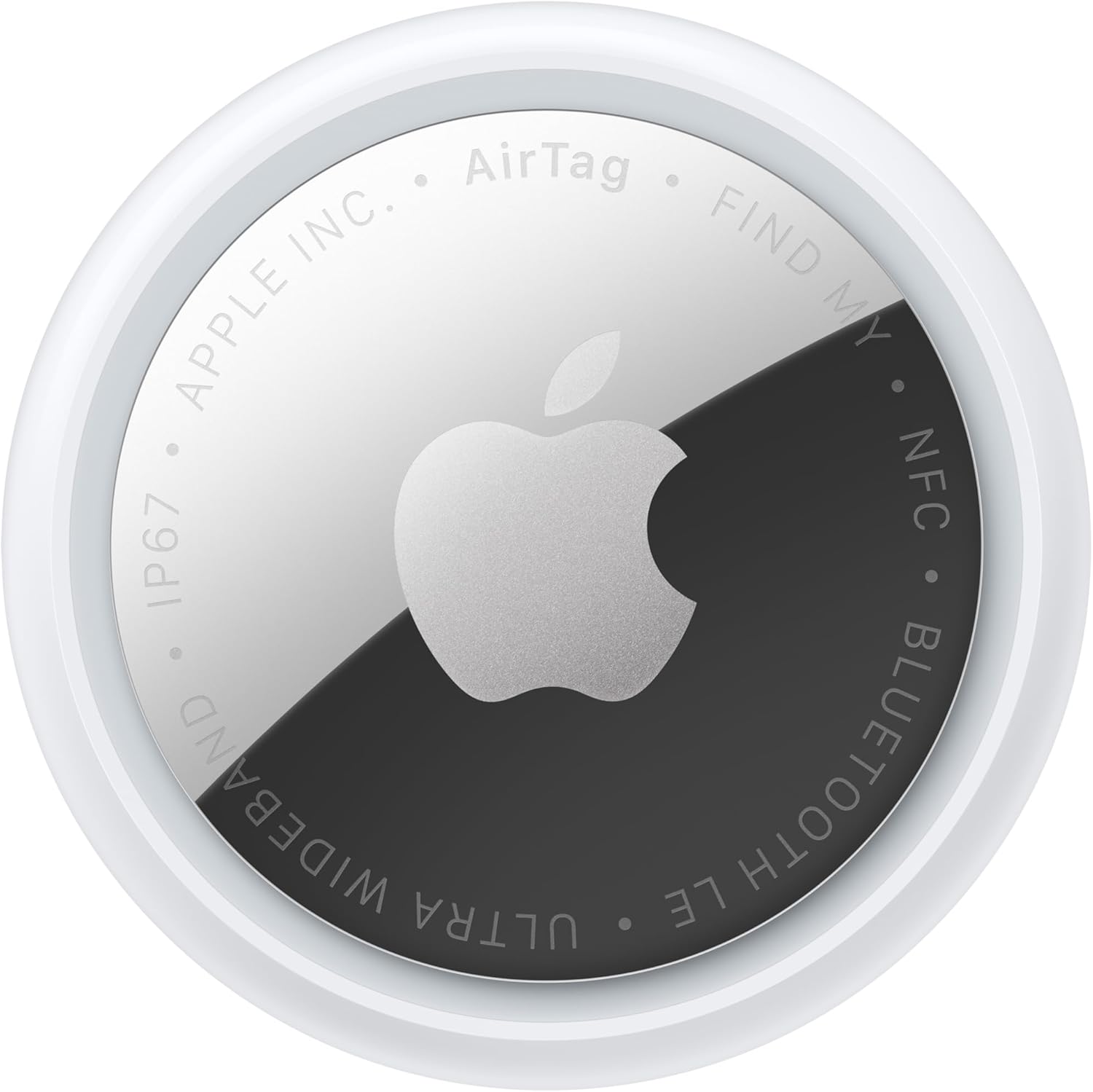
The second-generation AirTag helps iPhone families find backpacks and other belongings through the Find My network, with a louder speaker and expanded Precision Finding. It is an item finder, not a GPS tracker for a child.
Key highlights
- No subscription fees
- Expanded Precision Finding on compatible iPhone and Apple Watch models
- Speaker is 50% louder than the first-generation AirTag
- More than a year of battery life with a replaceable CR2032 battery
- IP67 water and dust resistance
Pros
- Find My network helps locate missing belongings
- Replaceable battery avoids routine charging
- Location access can be shared with trusted contacts
- One-tap setup with a compatible iPhone or iPad
Cons
- Requires an iPhone with iOS 26 or later, or an iPad with iPadOS 26 or later
- Designed for objects, not tracking children
- Remote location updates depend on nearby Find My network devices
- No SOS button or two-way communication
Who it is for: iPhone families who want help finding a child's backpack or other belongings.
Skip if
You need to track your child directly, use Android, or need emergency communication.
TickTalk 5 - Best smartwatch for kids
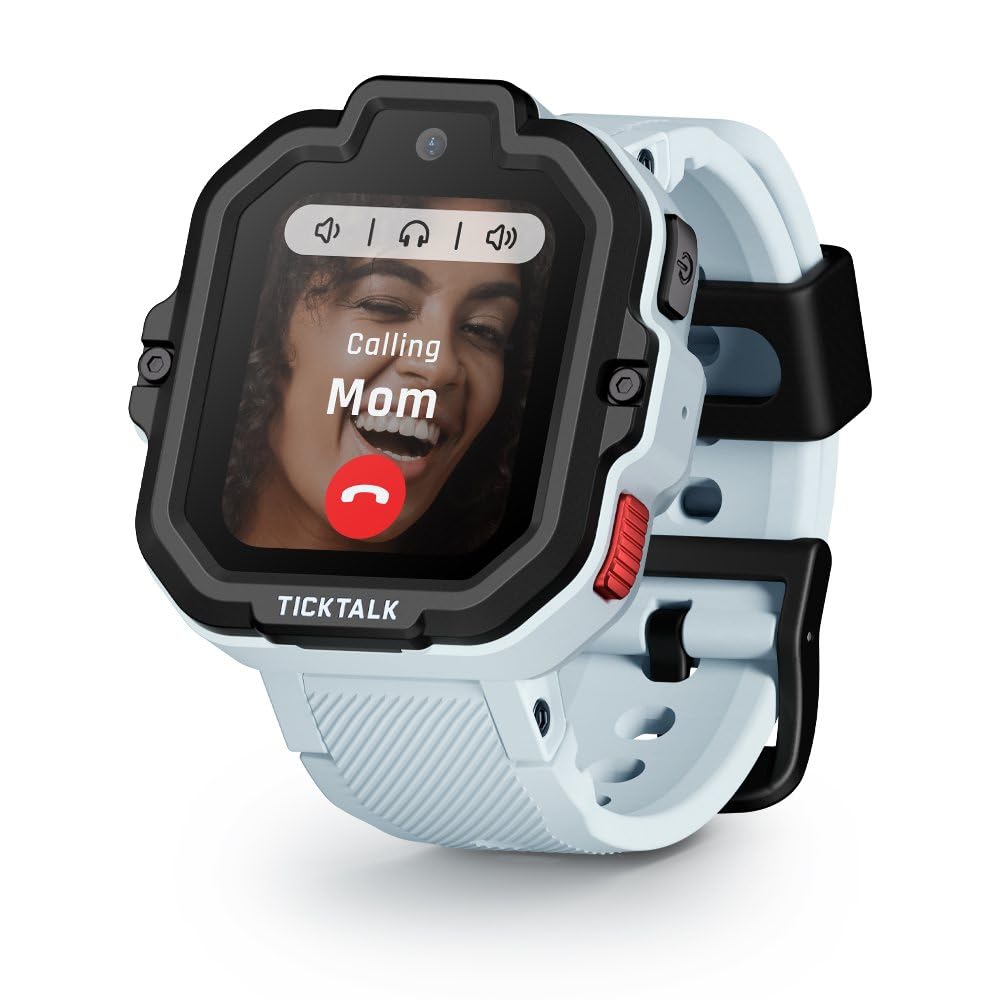
This smartwatch combines GPS tracking with communication features in a parent-controlled environment, offering a smartphone alternative without distractions.
Key highlights
- HD voice and video calling capabilities
- AI-powered SmartPin GPS correction technology
- Comprehensive parental controls and contact whitelisting
- IP67 water resistance for daily wear
- Up to 100+ hours of standby time
Pros
- Excellent communication features for staying connected
- Strong parental controls without social media access
- Accurate location tracking even indoors
- Durable design suitable for active kids
Cons
- Requires monthly data plan for full functionality
- Higher upfront cost than basic trackers
- GPS accuracy can vary in dense urban areas
Who it is for: Parents of children aged 6-12 who want communication features alongside tracking in a controlled device.
Skip if
You only need basic location tracking or have budget constraints against device and plan costs.
Garmin Bounce 2 - Best for active kids
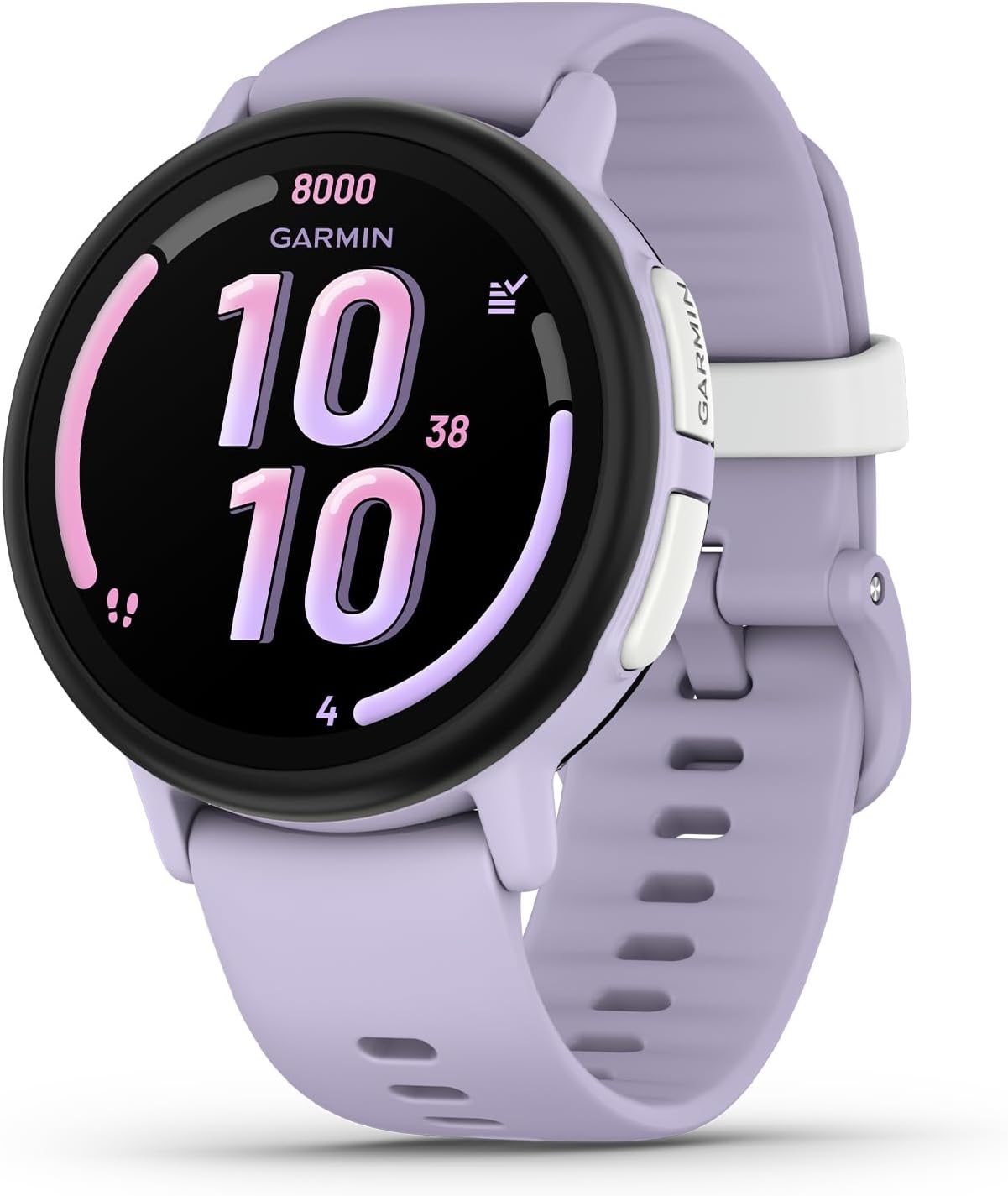
Garmin Bounce 2 combines sports tracking with parent-managed calls, messages, and location sharing through the Garmin Jr. app. Its connected features require a Garmin LTE subscription and coverage.
Key highlights
- Sports apps for running, biking, pool swimming, and more
- Location sharing and alerts for parent-defined boundaries
- Two-way calls, texts, and voice messages through Garmin Jr.
- Up to two days of battery life, depending on connected-feature use
- Assistance can call family contacts and share live location after setup
Pros
- Combines sports tracking and family communication
- Parent-managed contacts and location boundaries
- Garmin manages the LTE plan without changing the parent's phone provider
Cons
- LTE subscription and coverage required for connected features
- Connected-feature use can substantially shorten battery life
- Parents need the Garmin Jr. app for setup and communication
Who it is for: Families who want sports tracking, parent-managed communication, and location sharing in one watch.
Skip if
You want a simple screen-free tracker or do not want an ongoing LTE subscription.
BoT Talk GPS Tracker - Best screen-free option
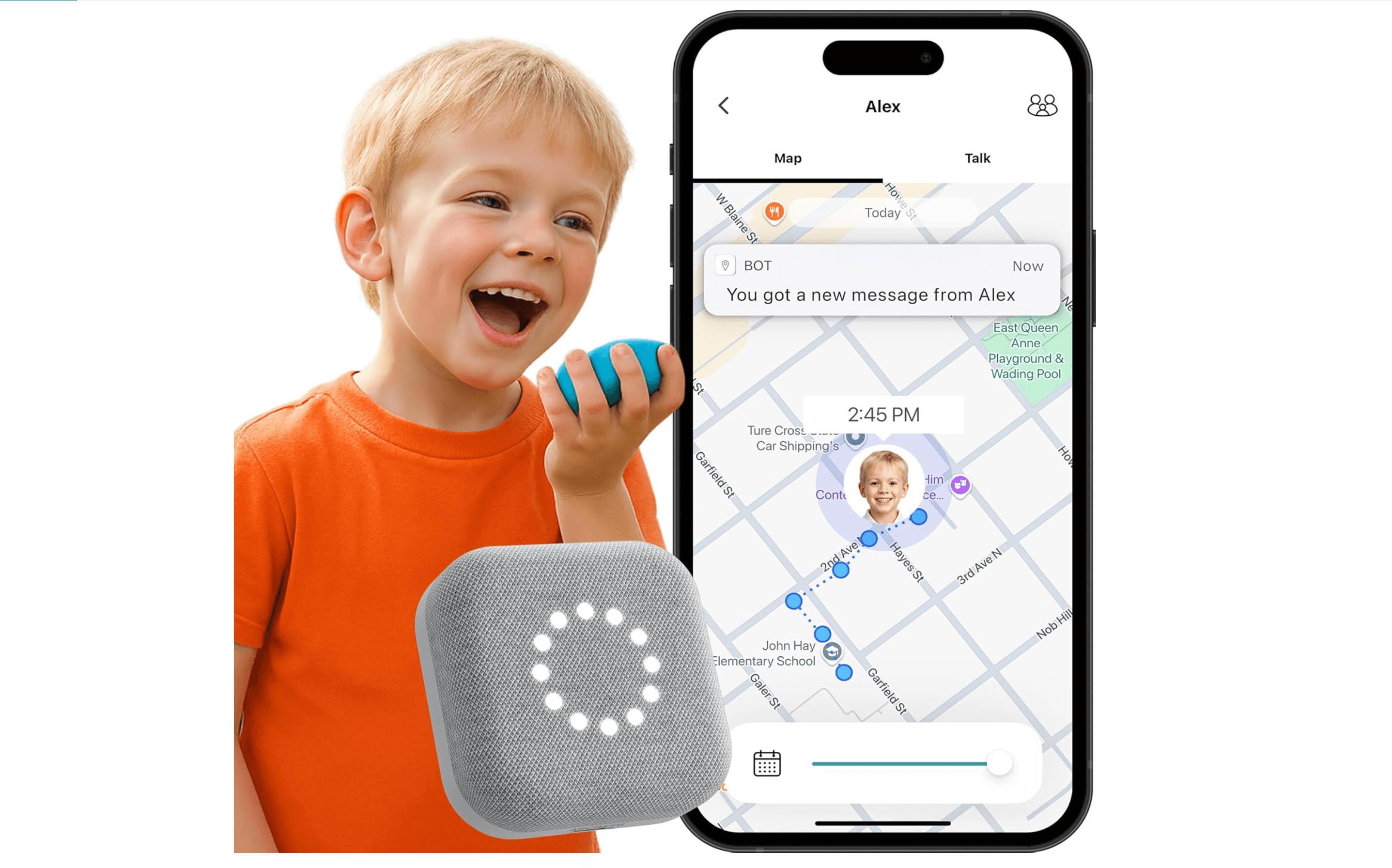
The BoT Talk delivers reliable GPS tracking with voice messaging in a compact, screen-free design that won't distract kids at school or during activities.
Key highlights
- Two-way voice messaging without a screen
- AI-powered smart alerts for location changes
- 7-day battery life with regular use
- IP55 water resistance for rain and splashes; not for submersion
- Quiet mode keeps classrooms distraction-free
Pros
- No screen means no distractions during school
- Long battery life reduces charging hassle
- Lightweight and compact for backpacks or pockets
- Made in Japan with quality construction
Cons
- Requires monthly subscription for full features
- No video calling like smartwatch options
- Limited interaction compared to screen-based devices
Who it is for: Parents of younger children who need tracking without screen time concerns, and families wanting a simple, school-friendly device.
Skip if
Your child wants smartwatch features or you need video calling capabilities.
Also Good
- Spytec Atlas GPS Tracker - reliable real-time tracking with long battery life.
- Apple Watch SE 3 GPS + Cellular - supports calls, texts, and location sharing through Apple Watch For Your Kids. A parent needs a compatible iPhone; cellular service requires a supported plan.
How to Choose
Consider your child's age and specific needs when selecting a tracker. Younger children benefit from simple, durable devices with SOS buttons, while older kids might prefer smartwatch-style trackers with communication features. Battery life matters more for forgetful chargers, and subscription costs add up over time. For special needs children, look for secure wearing options and continuous monitoring features. Always test any tracker in your typical environments before relying on it completely.
FAQ
What age is appropriate for a GPS tracker?
Most trackers work well for children aged 4-12, with specific devices designed for different developmental stages. Younger children need simple, durable options, while older kids can handle more feature-rich devices.
Do GPS trackers work indoors?
Yes, but accuracy decreases inside buildings. Advanced trackers use WiFi positioning and cellular triangulation to supplement GPS signals indoors, though location precision may be reduced.
Are monthly subscriptions required?
Most dedicated GPS trackers require monthly subscriptions for cellular connectivity and app access. Bluetooth trackers like Apple AirTag (2nd generation) avoid monthly fees but have limited functionality.
How accurate are GPS trackers for kids?
Accuracy varies from 15-30 feet in ideal outdoor conditions to 50-100 feet indoors or in urban areas. Advanced devices with multiple positioning technologies provide better accuracy.
Can schools restrict GPS tracker use?
Many schools allow trackers but restrict communication features during school hours. Look for devices with school modes that disable sounds while maintaining location tracking.
Published March 13, 2026 Last updated September 29, 2026
Share this article
More in News
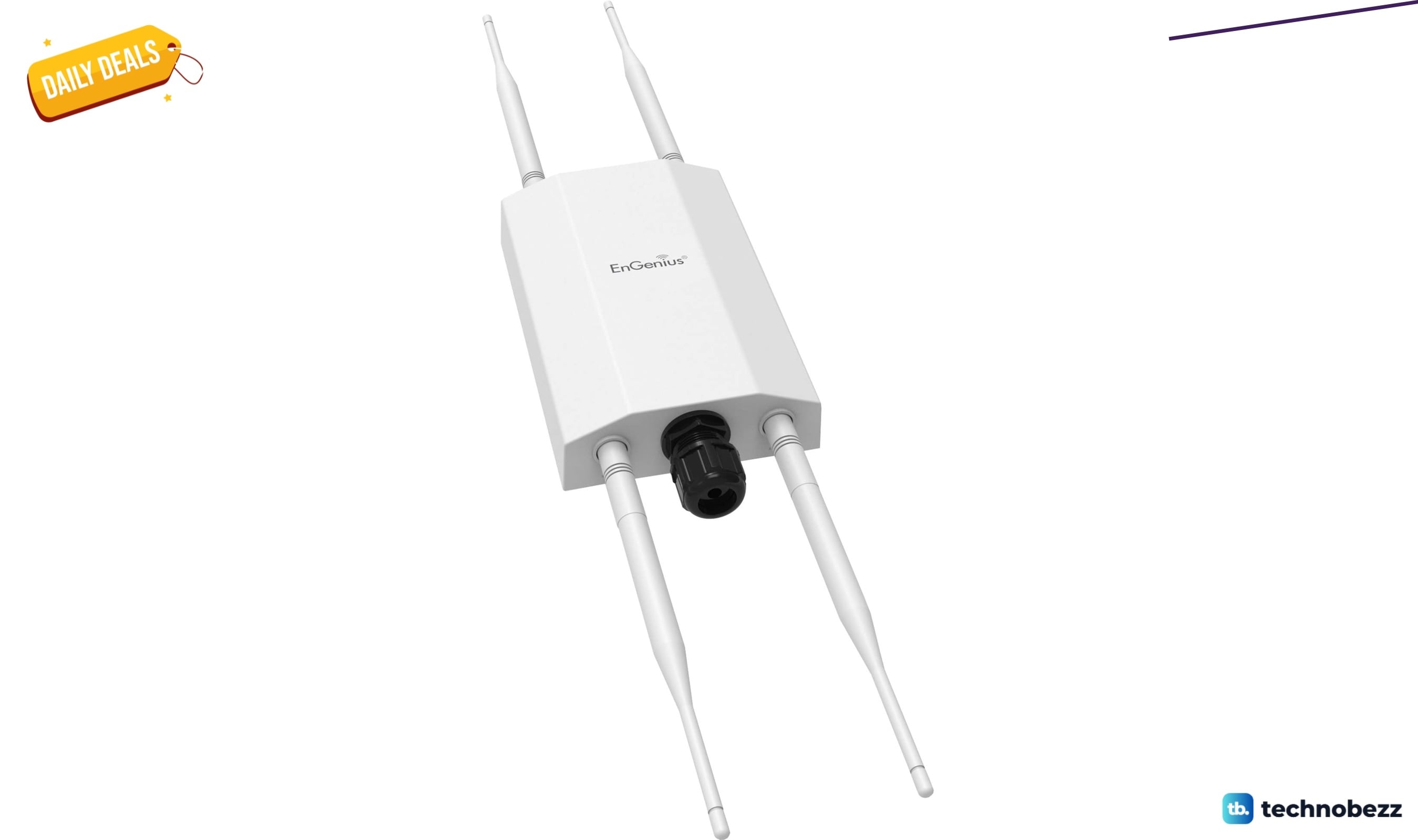
EnGenius Outdoor WiFi 6 AX1800 Managed Access drops to $230.47, its lowest price yet
Save 42% on the EnGenius EWS850AP outdoor WiFi 6 access point at $230.47, its lowest price yet, with IP67 rating and PoE+ included.
3 min read
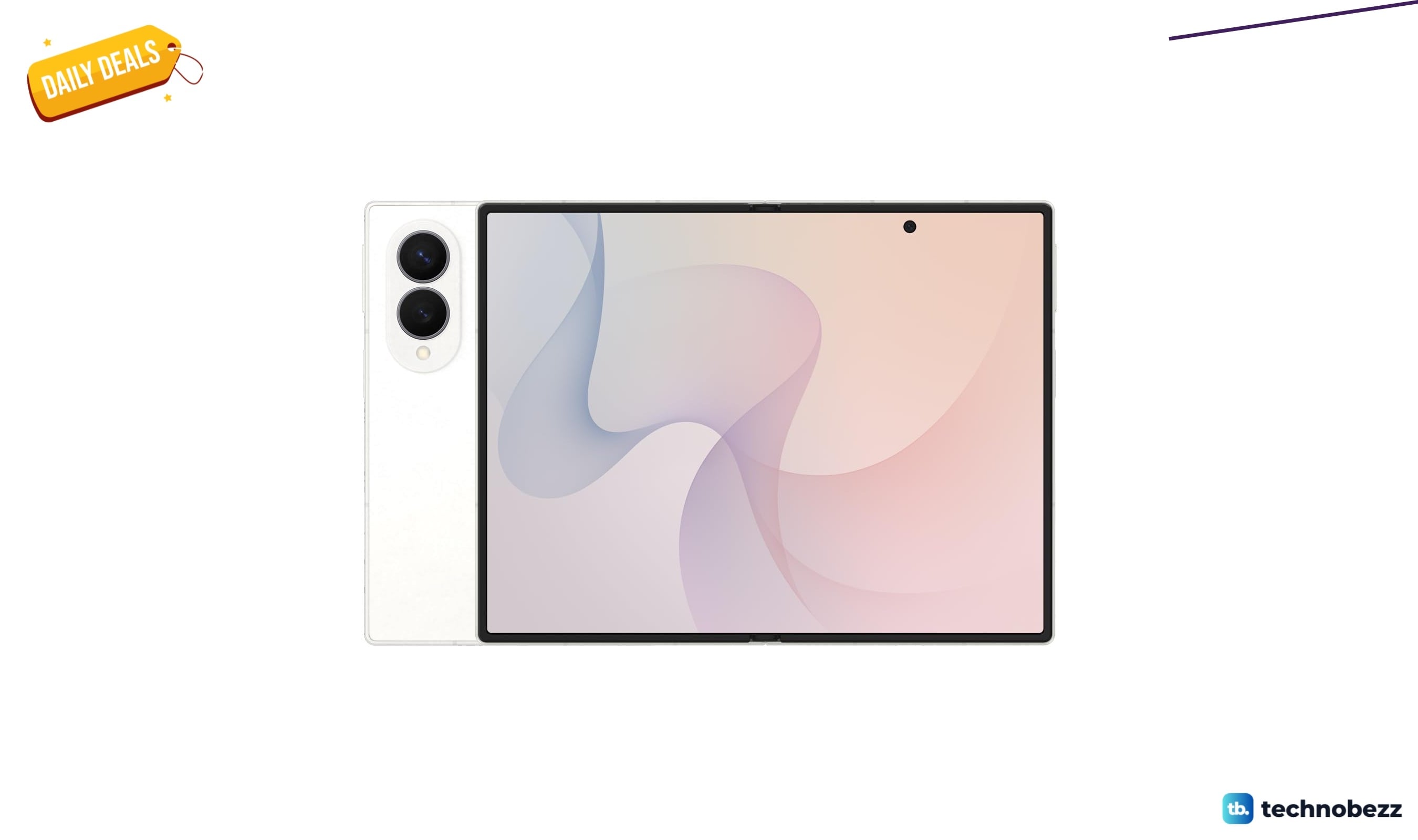
Samsung Galaxy Z Fold8 Unlocked Android Smartphone price drops to $1649.99
Save $250 on the Samsung Galaxy Z Fold8 unlocked Android phone at $1649.99, matching its lowest recorded price with 256GB storage.
4 min read
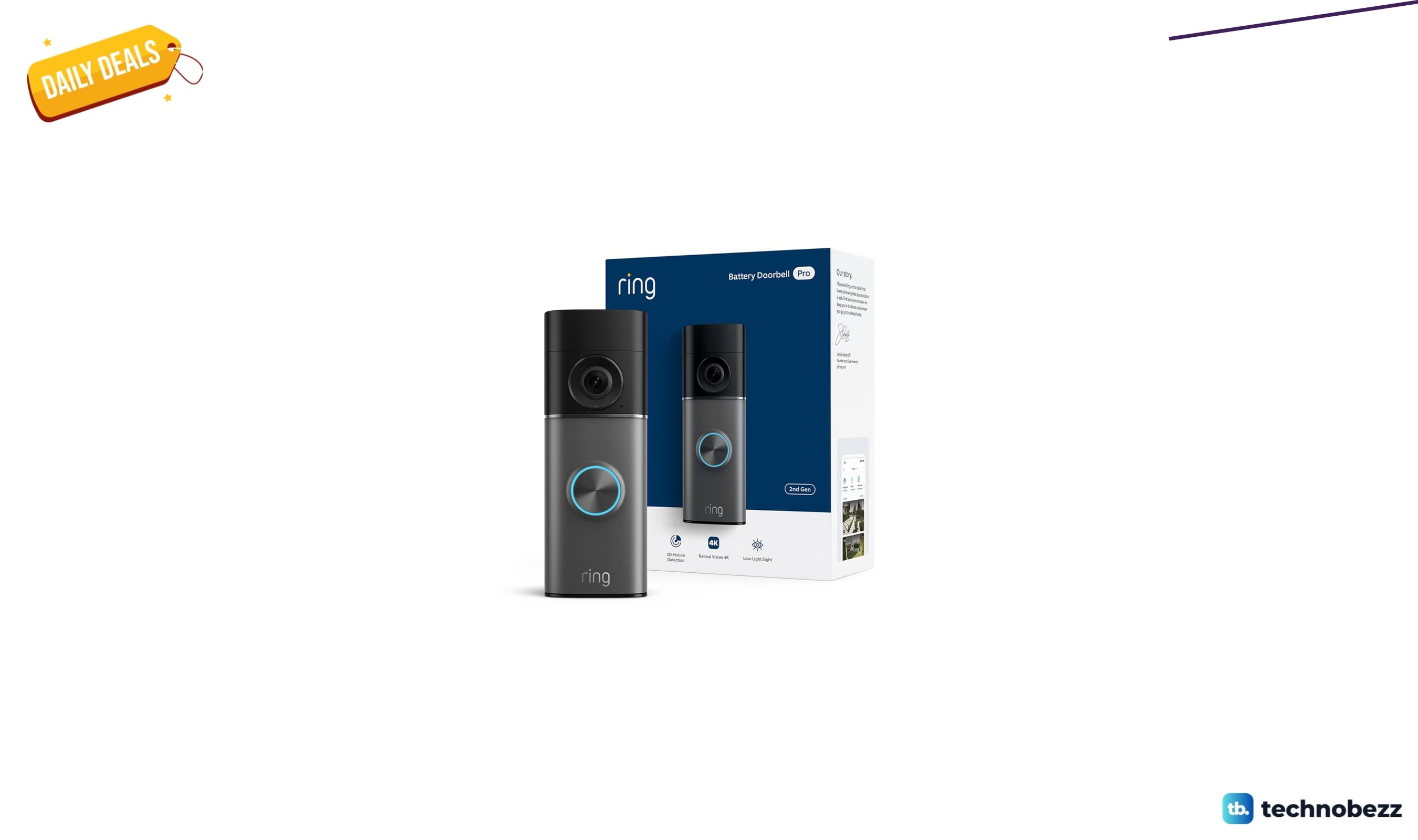
Ring Battery Doorbell 4K Pro gets an early Prime Big Deal Days price cut to $149.99
Save $100 on the Ring Battery Doorbell 4K Pro at $149.99, matching its lowest price before Prime Big Deal Days.
3 min read
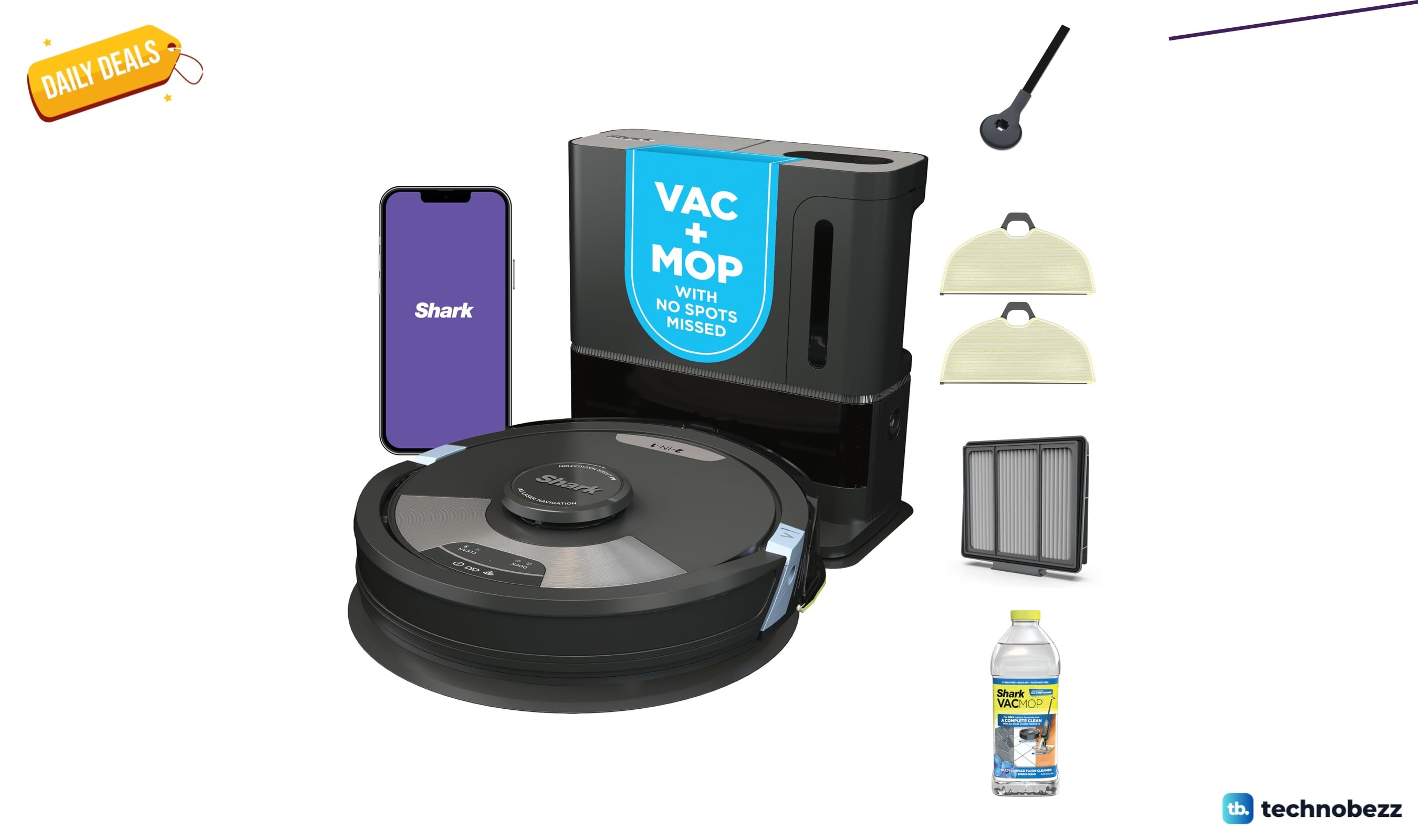
Shark Matrix Plus Robot Vacuum & Mop drops to $229.99 ahead of Prime Big Deal Days
Save $222.78 on the Shark Matrix Plus robot vacuum and mop, now $229.99 at Amazon before Prime Big Deal Days.
5 min read
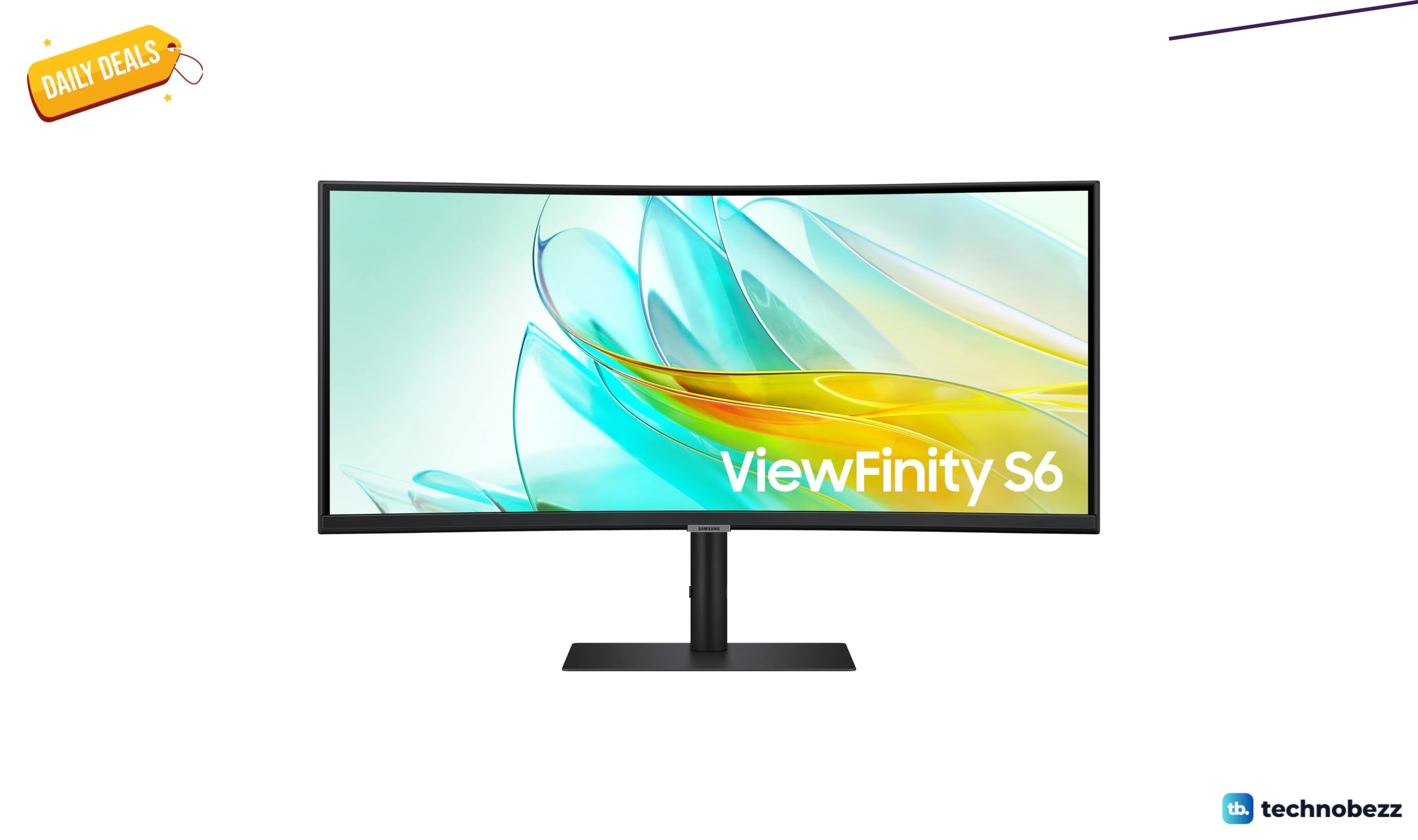
Samsung ViewFinity S65UC gets an early Prime Big Deal Days price cut to $349.99
4 min read
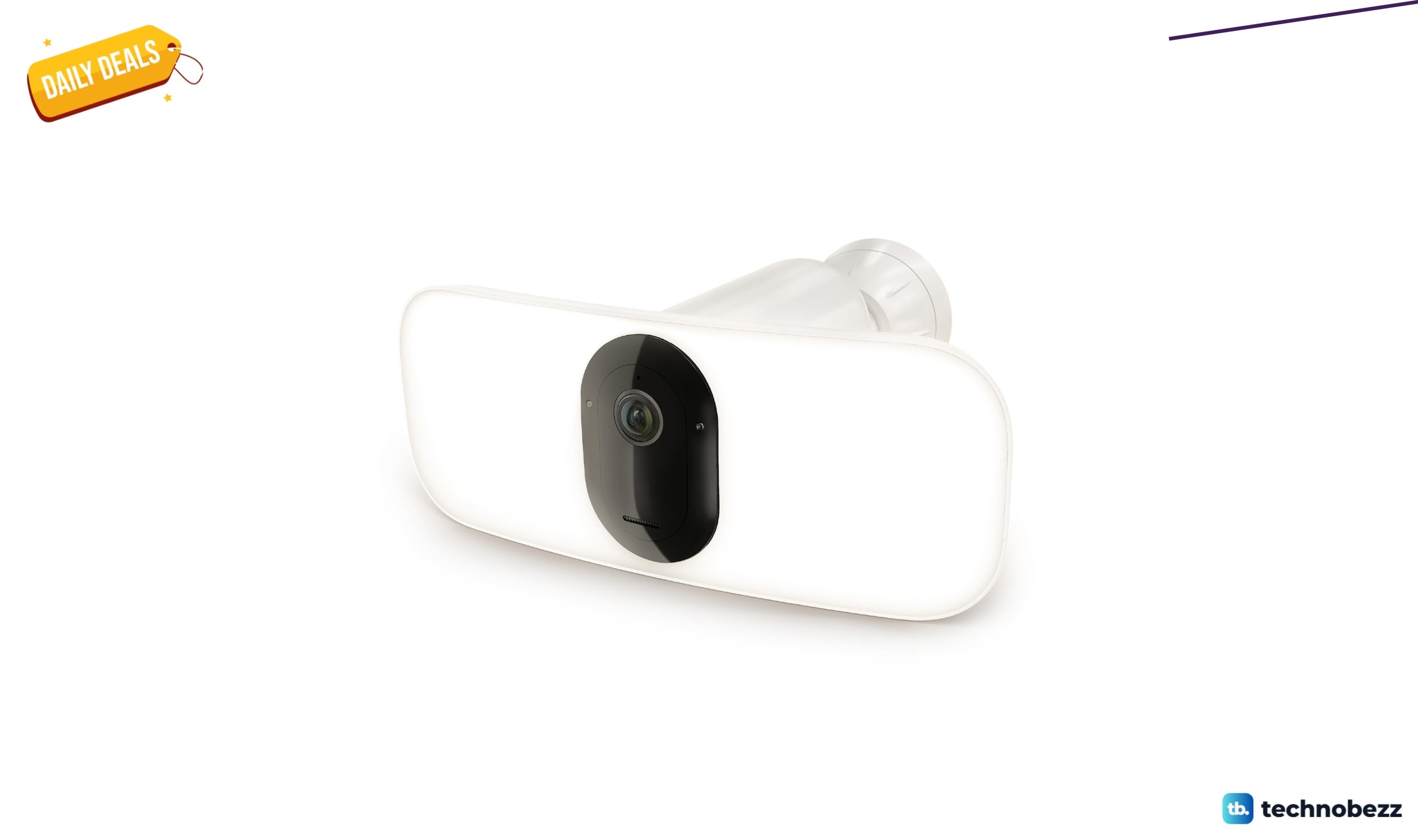
Arlo Wireless Floodlight Security Camera 2K HDR drops to $105.44 ahead of Prime Big Deal Days
3 min read
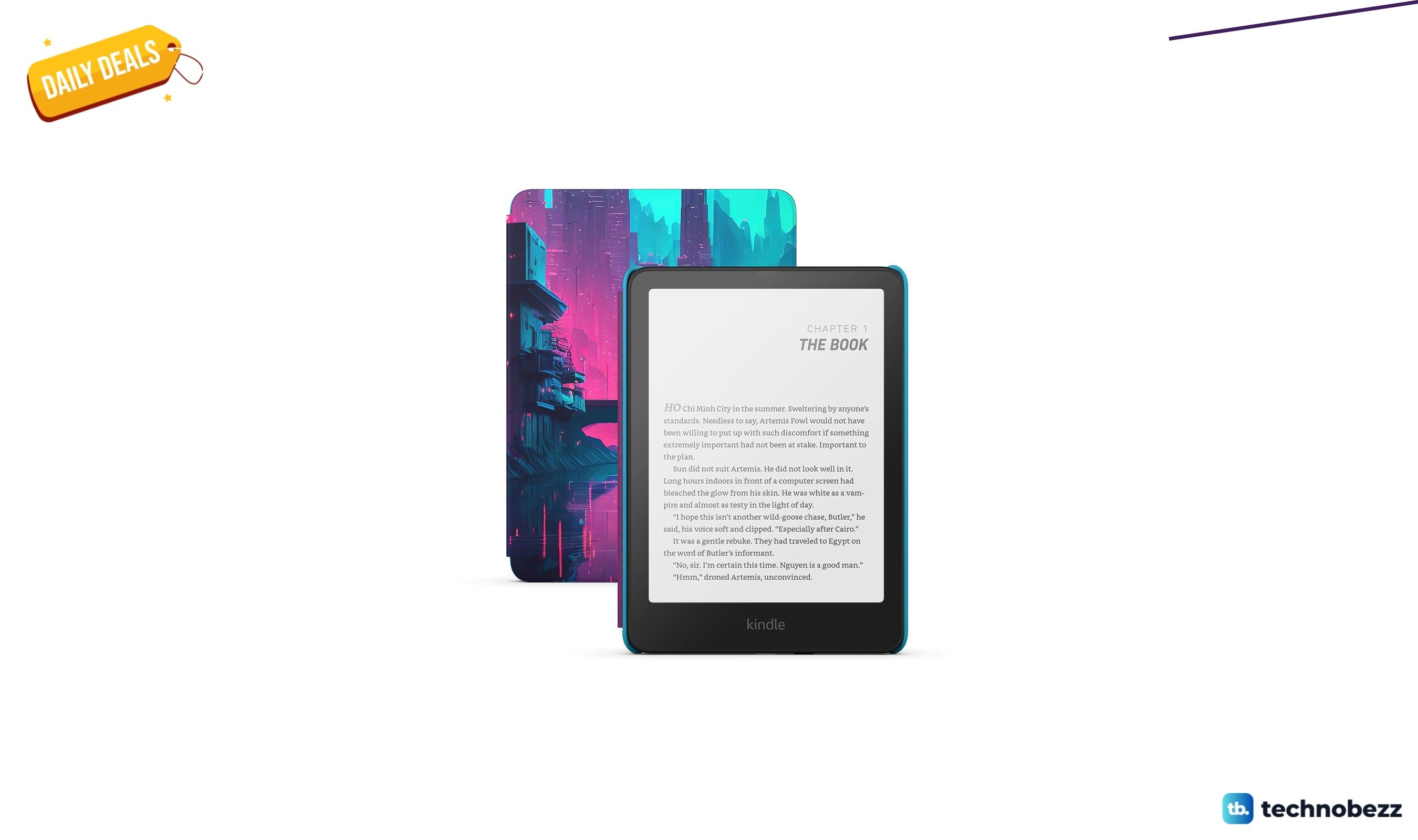
Amazon Kindle Paperwhite Kids large glare-free display drops to $169.99 ahead of Prime Big Deal Days
5 min read
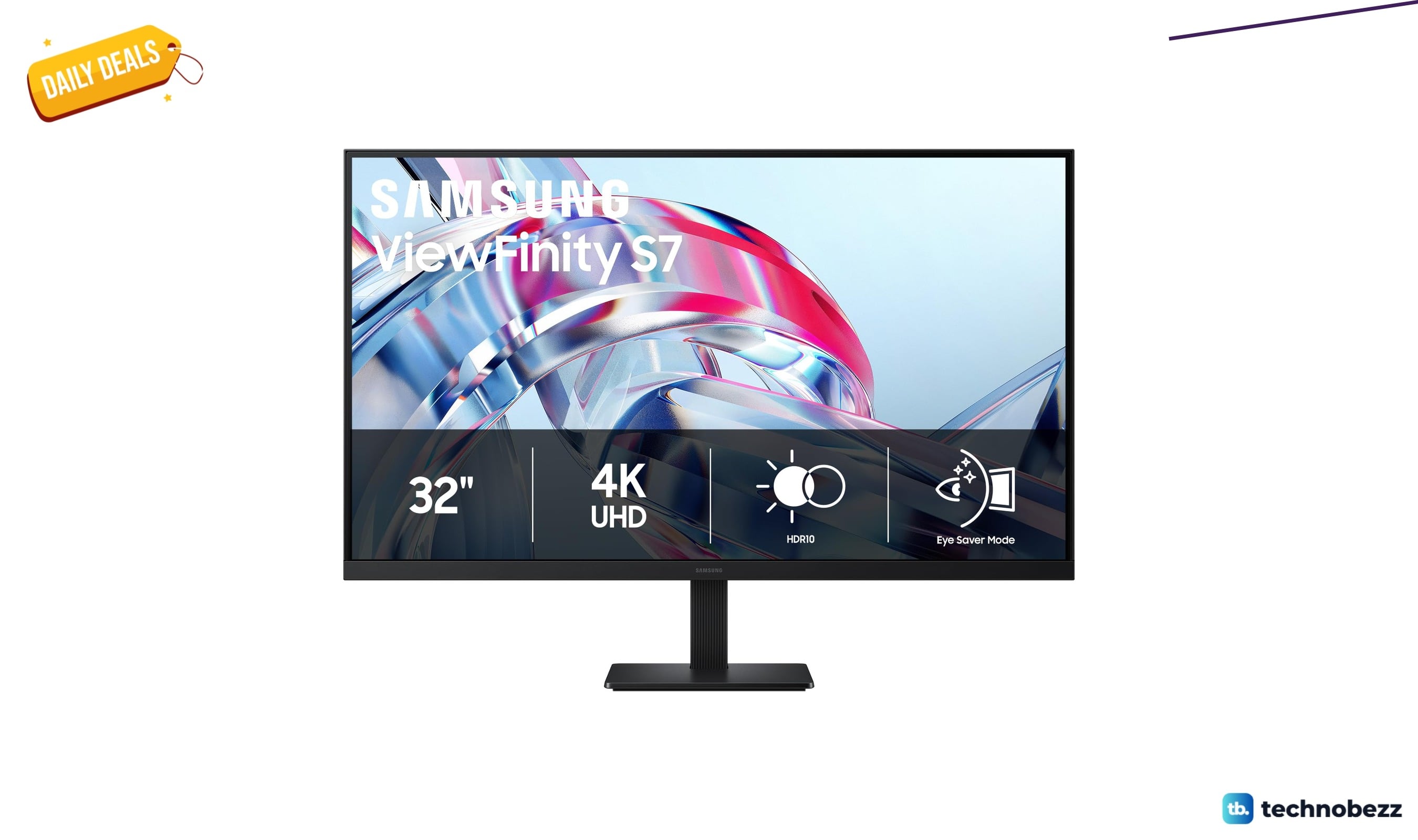
Samsung ViewFinity S7 High-Resolution Monitor falls to $259.99 in an early October Prime Day deal
4 min read
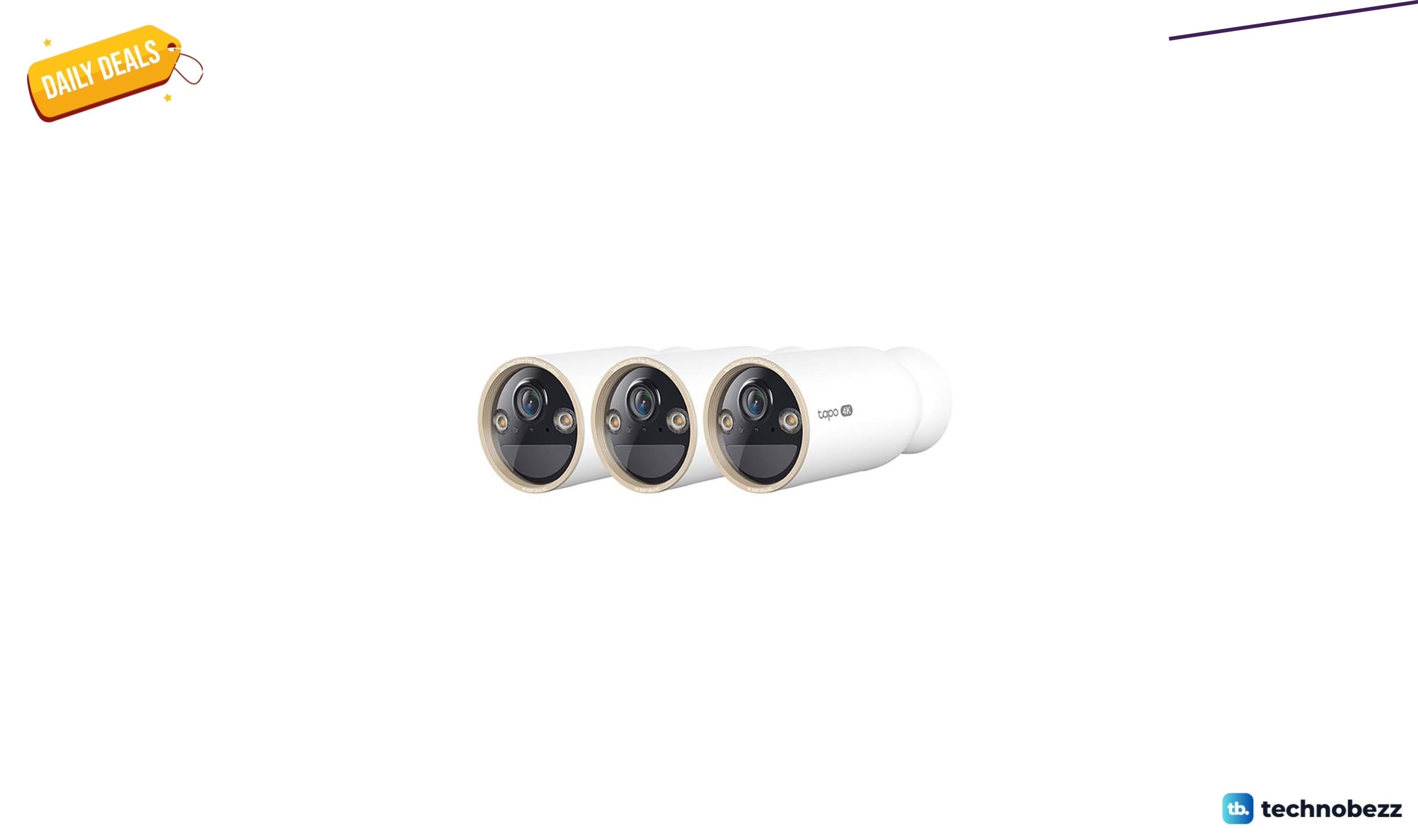
Tapo MagCam 4K Outdoor Wireless Security Camera now $199.99, down from $399.99, ahead of Prime Big Deal Days
3 min read
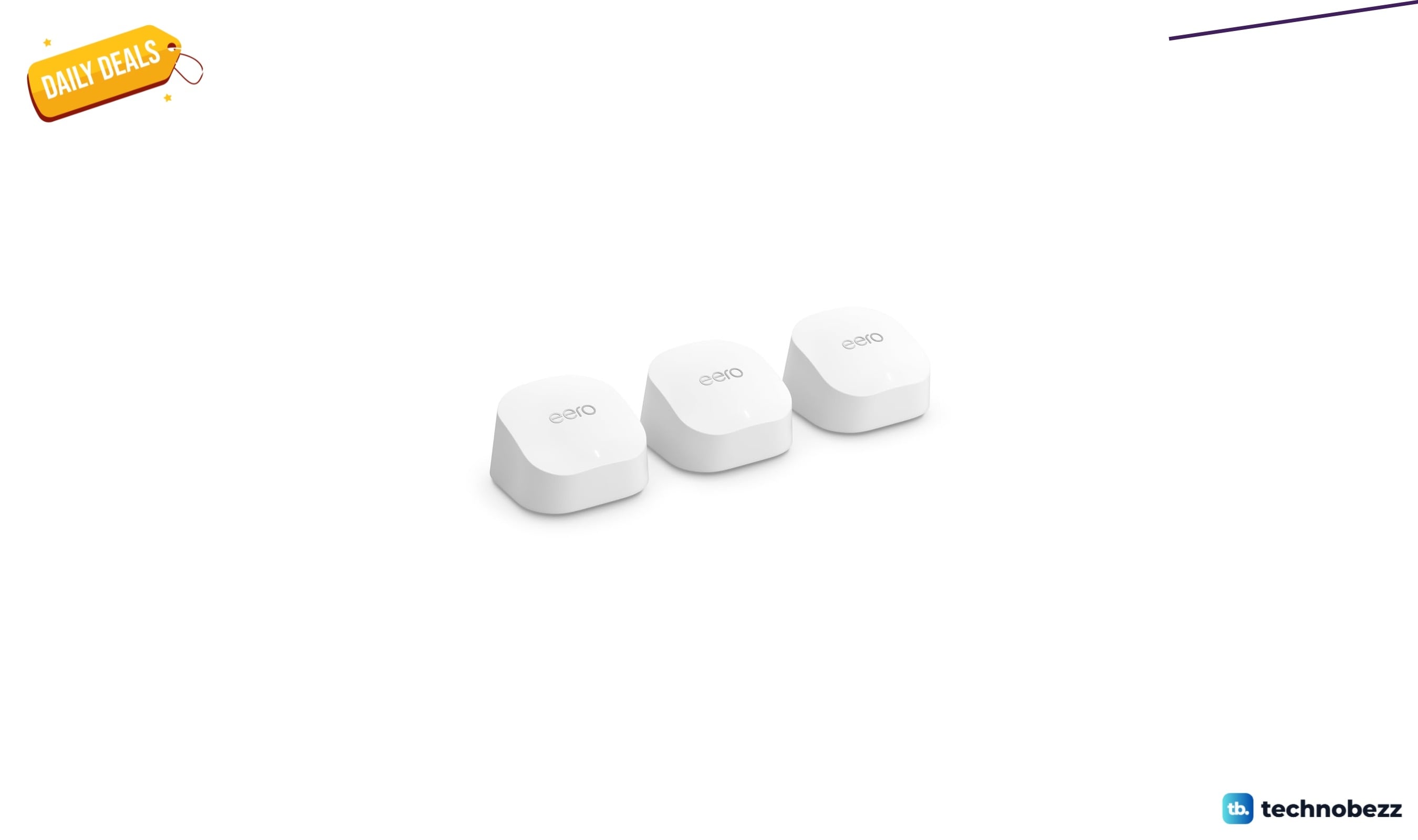
Amazon eero 6+ mesh wifi system Supports drops to $214.99 ahead of Prime Big Deal Days
5 min read
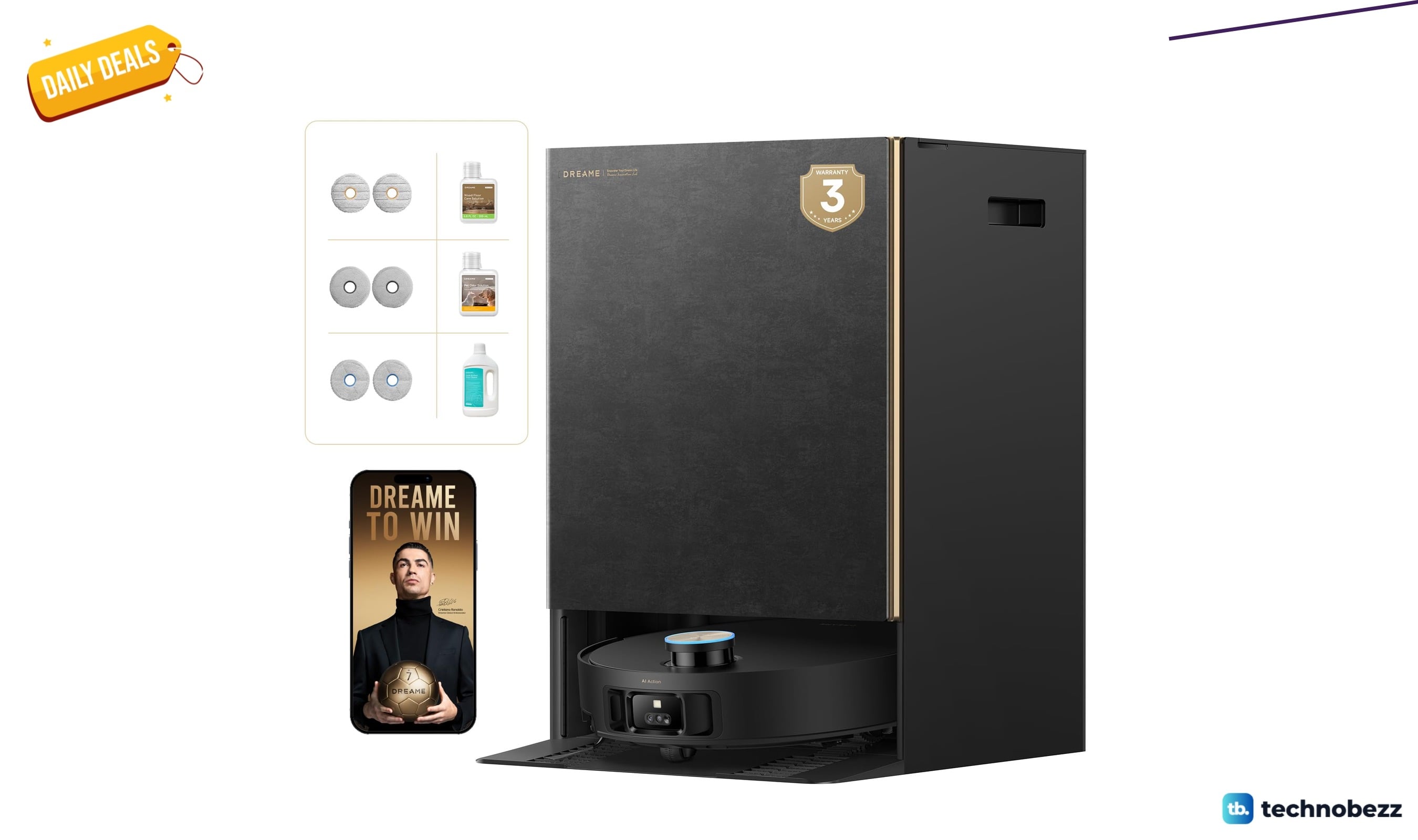
Dreame Matrix10 Ultra Robot Vacuum falls to $1399.99 in an early October Prime Day deal
4 min read
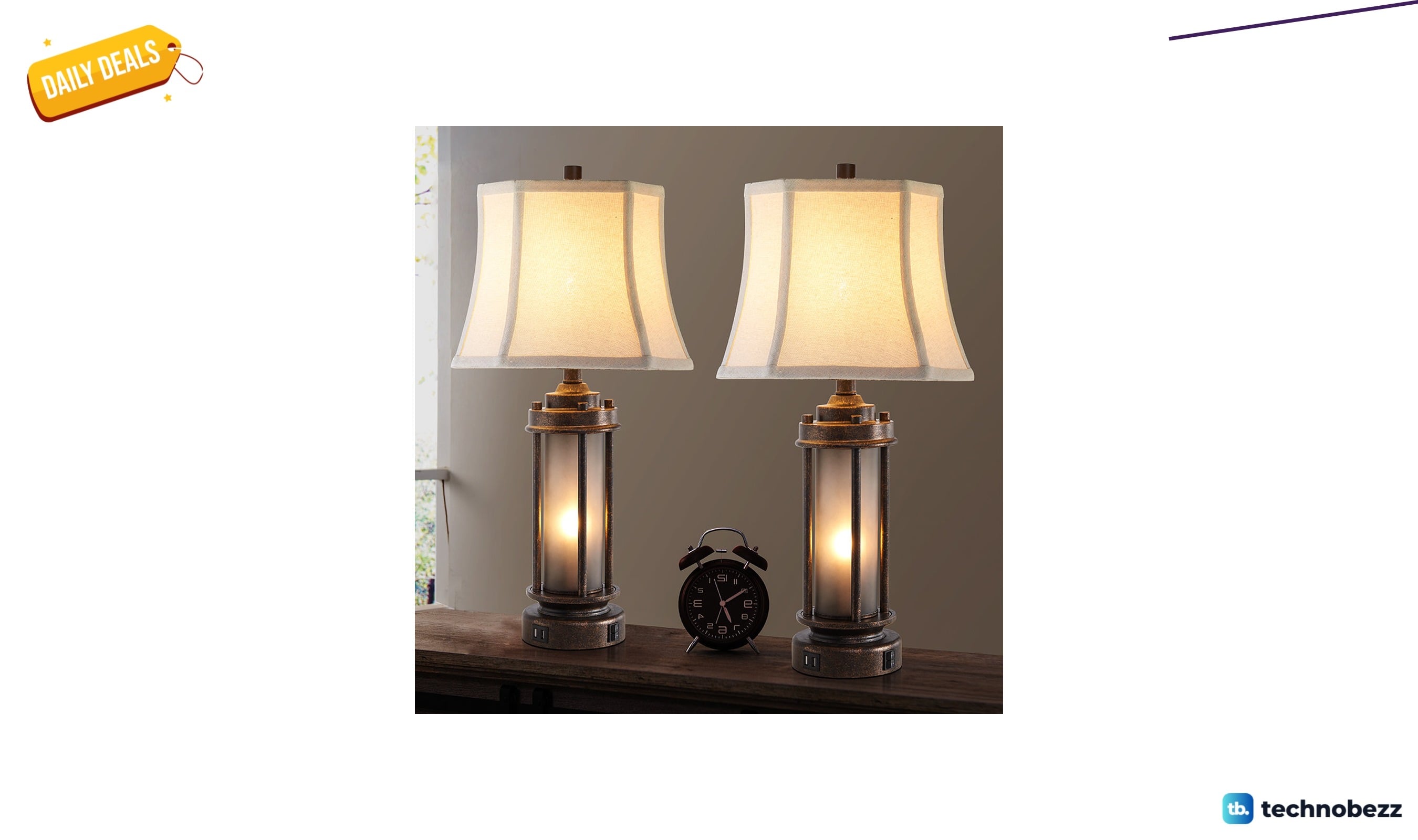
Lark Manor Louann 25-inch table lamp set with night light and USB ports for $116.99 at Wayfair
4 min read