A 55-inch TV fits most living rooms, bedrooms and apartments, so the right choice comes down to the room and how you watch. OLED sets suit dark-room movies, anti-glare screens help in rooms with windows and lamps, and simpler QLED models keep everyday streaming affordable.
Technobezz is supported by its audience. We may get a commission from retail offers.
5 Best 55-Inch TVs in 2026
Compare the 5 best 55-inch TVs in 2026, led by the LG OLED evo C6 for movies and gaming, plus picks for glare control, Mini-LED, art display and budget.
T
Technobezz
Editorial Team
Updated November 9, 2026Nov 9, 2026
•9 min read

Get Deals Like These in Your Inbox
The best prices, straight to your inbox.
Add Technobezz on Google:Preferred SourceGoogle Discover
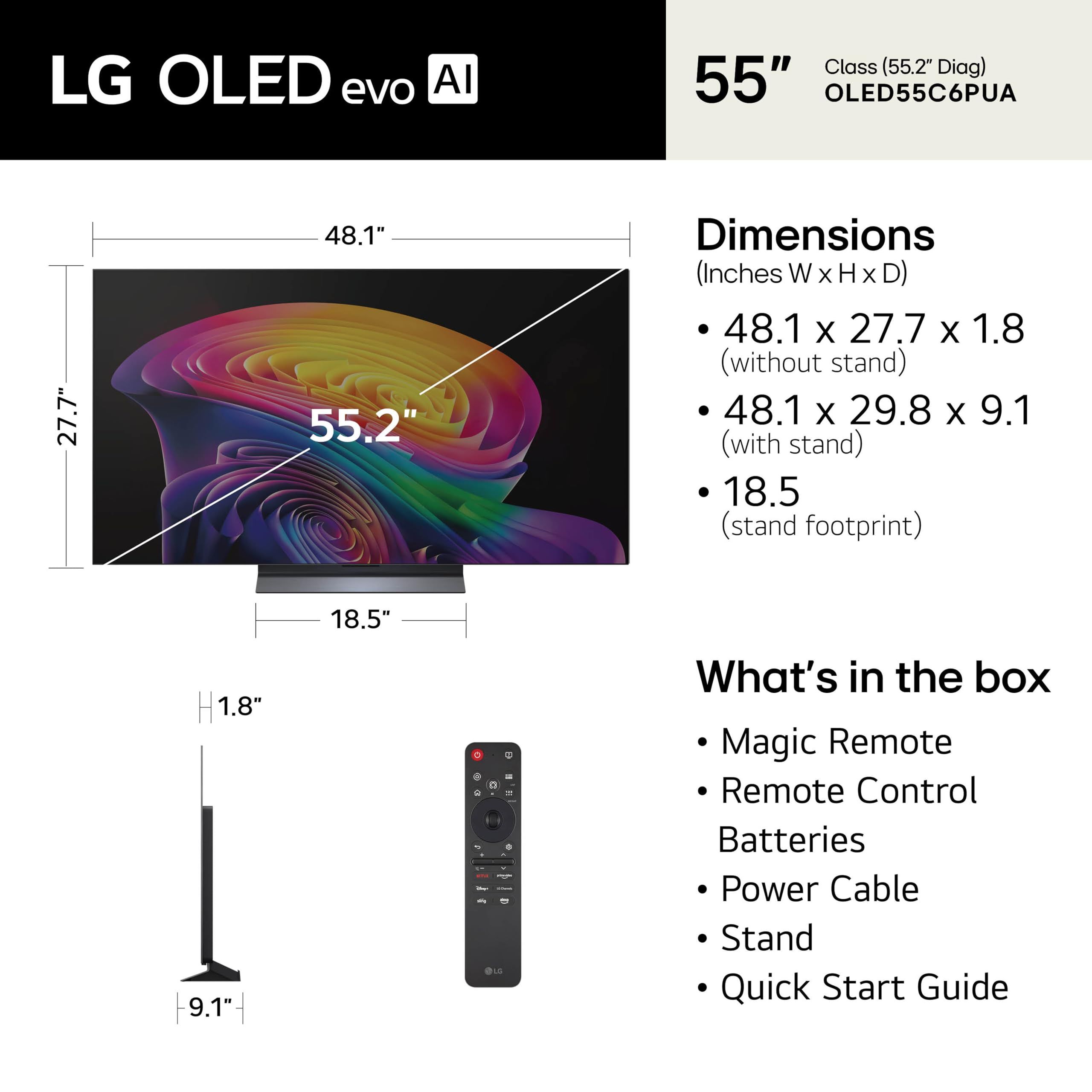
The LG OLED evo C6 55-inch is our best overall pick. It pairs self-lit OLED pixels with Dolby Vision, Dolby Atmos, the Alpha 11 AI Processor Gen3 and a gaming list that includes a 165Hz refresh rate with a compatible PC, NVIDIA G-Sync and AMD FreeSync Premium.
This page is for US buyers who want a 55-inch TV matched to a clear need: all-round movies and gaming, reflection control, Mini-LED for bright rooms, a TV that doubles as wall art, or a budget set for streaming.
At a Glance
| Category | Product | Why We Picked It |
|---|---|---|
| Best overall | LG OLED evo C6 55-inch | Self-lit OLED pixels, Dolby Vision and broad gaming support |
| Best anti-glare OLED | Samsung S90H OLED 55-inch | OLED contrast with a Glare Free screen |
| Best Mini-LED | Hisense U7 Mini-LED 55-inch | Mini-LED light control, glare-reducing screen and Fire TV |
| Best art TV | Hisense S7 CanvasTV 55-inch | Matte screen, art display and a swappable frame |
| Best budget | Roku Select Series 4K QLED 55-inch | 4K QLED with HDR10+ for simple streaming |
How we chose
We compared the specifications each maker publishes on its US product or support page for these 55-inch models, looking at panel type, HDR formats, gaming features, glare handling, audio and smart platform. We then checked that each pick is sold new on Amazon and gave it the slot its specifications support.
The best 55-inch TVs right now
LG OLED evo C6 55-inch - Best overall
The LG OLED evo C6 55-inch (OLED55C6PUA) is the most balanced pick here for movies, streaming and gaming. LG describes over 8.3 million self-lit pixels with Perfect Black and Perfect Color technology, plus a Brightness Booster feature that LG says magnifies each individual pixel.
The Alpha 11 AI Processor Gen3 runs the picture, and LG lists Dolby Vision, Dolby Atmos and FILMMAKER MODE with Ambient Light Technology. For gaming, LG lists a 165Hz refresh rate, NVIDIA G-Sync, AMD FreeSync Premium and a 0.1ms response time, though the 165Hz figure requires a PC with a graphics card that supports it. webOS handles streaming and includes Google Gemini.
Key highlights
- 55-inch 4K OLED evo panel with over 8.3 million self-lit pixels
- Alpha 11 AI Processor Gen3
- Up to 165Hz refresh rate with a compatible PC
- NVIDIA G-Sync, AMD FreeSync Premium and 0.1ms response time
- Dolby Vision and Dolby Atmos
- webOS with Google Gemini
Pros
- Self-lit pixels with LG's Perfect Black technology suit dark-room movies
- Dolby Vision support for HDR movies and series
- Wide gaming list covering both G-Sync and FreeSync Premium
- FILMMAKER MODE with Ambient Light Technology for film viewing
Cons
- The 165Hz refresh rate needs a PC with a compatible graphics card
- LG's product page does not list HDMI port count or versions, so check the spec sheet if you run several consoles
- No glare-free screen claim, unlike the Samsung S90H
Who it is for: Buyers who want one premium 55-inch TV for dark-room movies, streaming and console or PC gaming.
Skip if
Budget is the main concern, or the screen faces bright windows and reflection control matters most.
Samsung S90H OLED 55-inch - Best anti-glare OLED
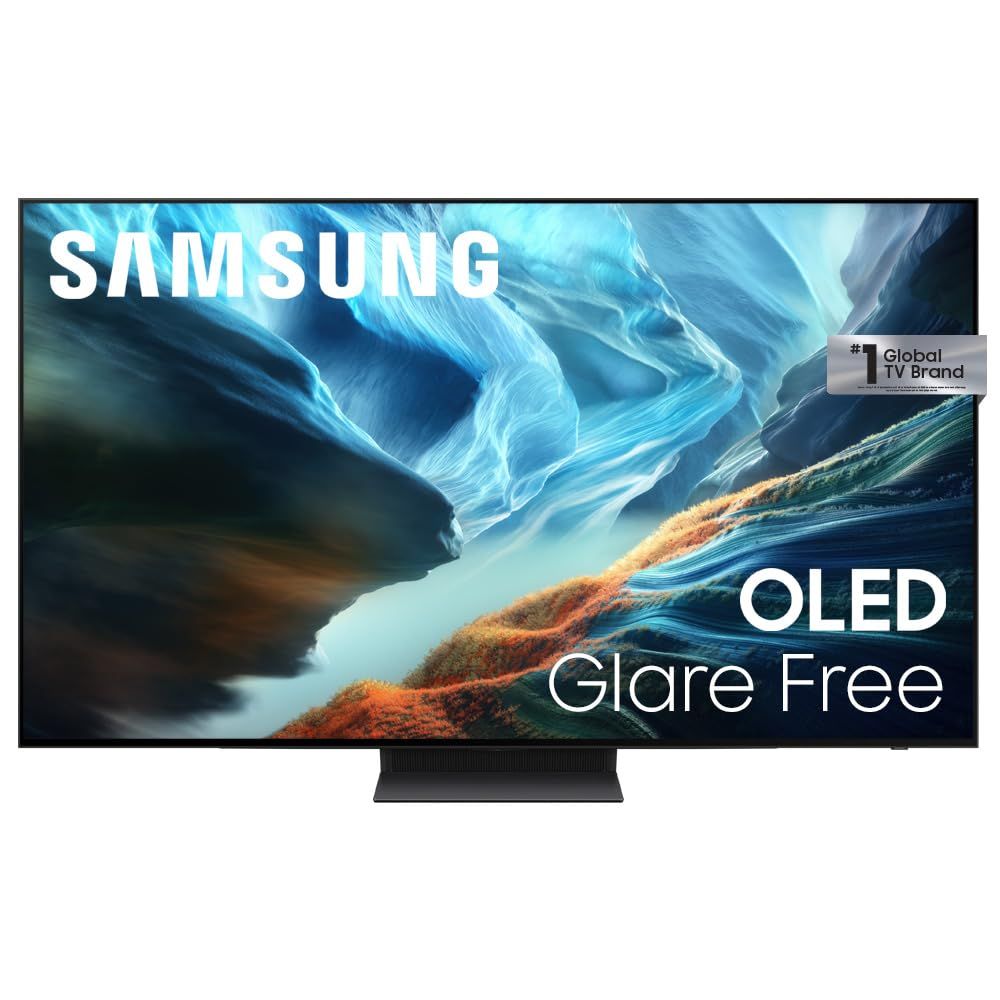
The Samsung S90H 55-inch (QN55S90HAEXZA) pairs OLED contrast with Samsung's Glare Free screen, which Samsung pitches as pixel-perfect contrast with no distracting reflections. That makes it the OLED to look at first when lamps or windows face the TV.
The NQ4 AI Gen3 Processor, which Samsung says uses 128 neural networks, handles 4K AI Upscaling Pro and AI Motion Enhancer Pro. Gaming features include Motion Xcelerator 165Hz for PC games that support it, FreeSync Premium Pro and NVIDIA G-SYNC Compatible. One UI Tizen runs the smart features with 7 years of automatic OS updates, and Samsung lists OLED HDR+ and Dolby Atmos but not Dolby Vision.
Key highlights
- 55-inch 4K OLED with Glare Free
- NQ4 AI Gen3 Processor
- Motion Xcelerator 165Hz with compatible PC games
- FreeSync Premium Pro and NVIDIA G-SYNC Compatible
- OLED HDR+, Dolby Atmos and Object Tracking Sound Lite
- One UI Tizen with 7 years of automatic OS updates
Pros
- Glare Free screen targets reflections from lamps and windows
- Long OS update commitment
- Strong PC gaming feature list
- Pantone Validated color and skin tones
Cons
- Samsung does not list Dolby Vision support
- The 165Hz figure applies only to PC games that support it
- Built-in audio uses the Lite version of Object Tracking Sound
- Premium tier, like the LG C6
Who it is for: Buyers who want OLED contrast in a room with windows or lamps that would reflect off a glossy screen.
Skip if
Dolby Vision support matters to you, since the LG C6 lists it.
Hisense U7 Mini-LED 55-inch - Best Mini-LED
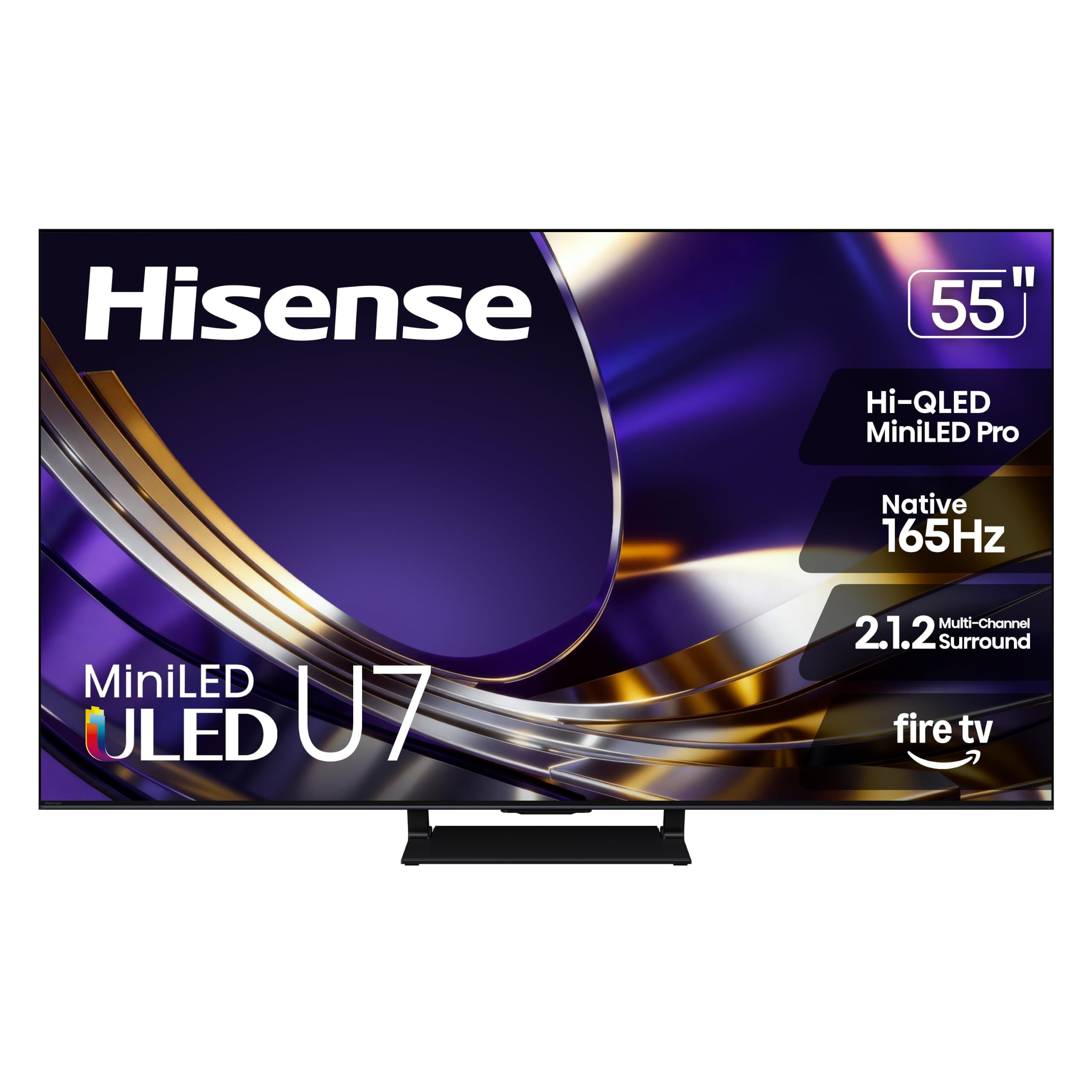
The Hisense U7 55-inch (55U7SF) is a ULED MiniLED 4K TV with Fire TV built in. Hisense says thousands of Mini-LEDs precisely control light across the screen to deliver brighter highlights and deeper blacks, which is a different approach from the self-lit pixels in the OLED picks.
Hisense designed it for fast-moving movies, live sports and next-gen gaming, and points to ultra-high refresh rate performance. An advanced screen treatment minimizes glare from lamps and windows, and multi-channel speakers tuned by Devialet handle sound. The product page does not publish brightness, refresh rate or port figures, so check the full spec sheet if those numbers matter to you.
Key highlights
- 55-inch ULED MiniLED 4K display
- Thousands of Mini-LEDs for light control
- Screen treatment that minimizes glare
- Multi-channel speakers tuned by Devialet
- Fire TV built in
Pros
- Mini-LED plus glare reduction suits bright living rooms
- Aimed at sports and gaming
- Devialet-tuned audio
- Fire TV suits households already using Amazon services
Cons
- Hisense's product page gives few hard numbers for brightness, refresh rate or ports
- Mini-LED backlighting rather than the self-lit pixels of OLED
- Runs Fire TV, so it is not the pick for buyers set on Google TV or Roku
Who it is for: Buyers with a bright living room who watch a lot of sports and like the Fire TV interface.
Skip if
Dark-room movie contrast is the priority, where the LG C6 is the stronger fit.
Hisense S7 CanvasTV 55-inch - Best art TV
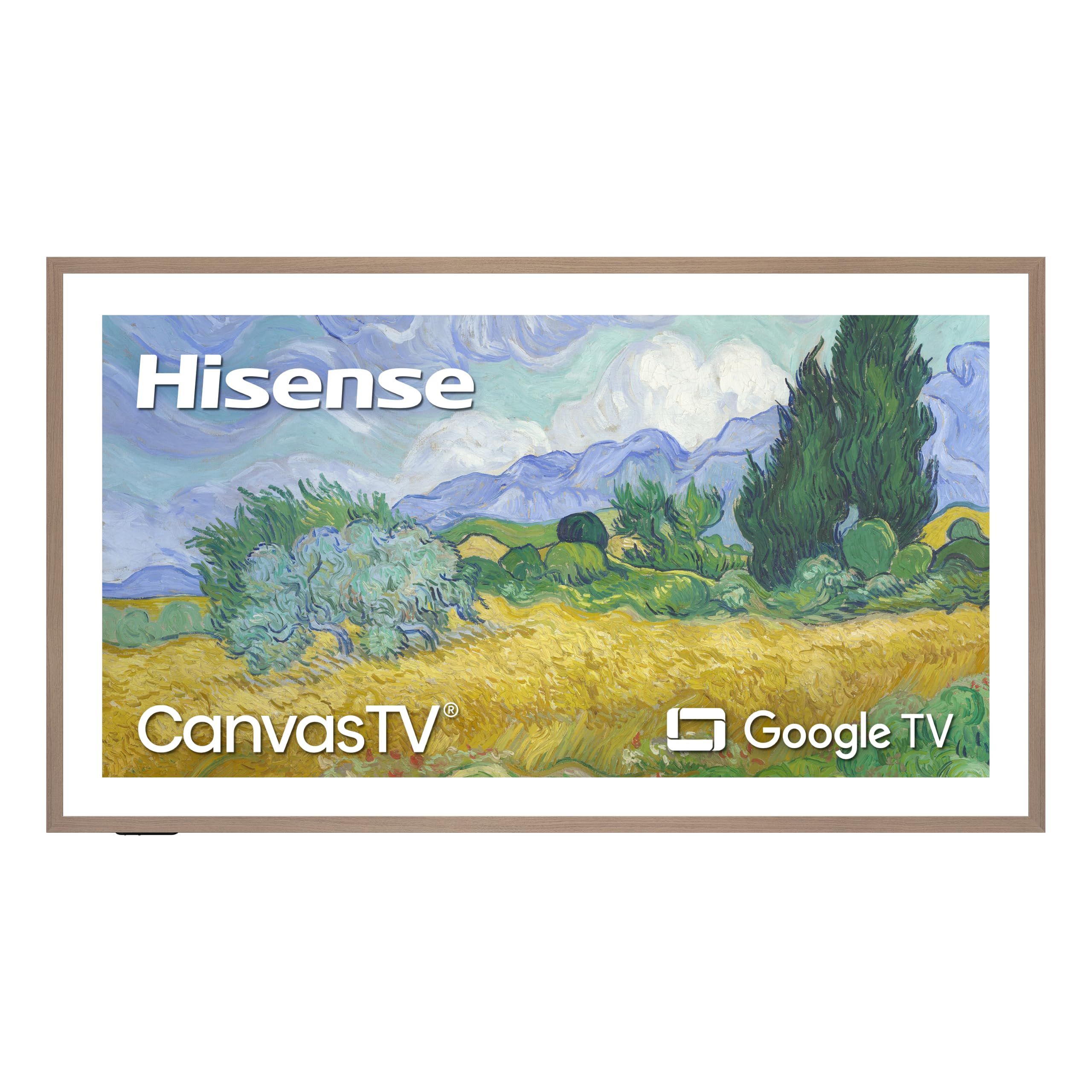
The Hisense S7 CanvasTV 55-inch (55S7SG) is a 4K QLED Google TV designed to look like framed art when you are not watching. Hisense says it can show works from a curated collection of masterpieces or images you upload, and its Hi-Matte Display uses a low-reflection coating.
It comes with a teak frame, and white or walnut frames are sold separately. Gaming support includes a variable refresh rate of 48Hz to 144Hz, AMD FreeSync Premium, Auto Low Latency Mode and Low Latency MEMC, while 2.0.2 surround sound handles audio. Hisense shows it hanging flat against the wall on the UltraSlim Wall Mount.
Key highlights
- 55-inch 4K QLED with Quantum Dot technology
- Hi-Matte Display with low-reflection coating
- Art display with curated works or your own uploads
- Variable refresh rate of 48Hz to 144Hz with AMD FreeSync Premium and ALLM
- 2.0.2 surround sound
- Google TV
Pros
- Matte screen designed to cut glare
- Looks like framed art when switched off from viewing
- Frame can be swapped to match the room
- Useful gaming support for a design-focused TV
Cons
- Only the teak frame is included; white and walnut cost extra
- Hisense's product page does not list HDR formats
- QLED LCD panel, not self-lit like the OLED picks
Who it is for: Buyers who want a wall-mounted 55-inch TV that blends into the decor and handles glare.
Skip if
You want the deepest blacks for dark-room movies.
Roku Select Series 4K QLED 55-inch - Best budget
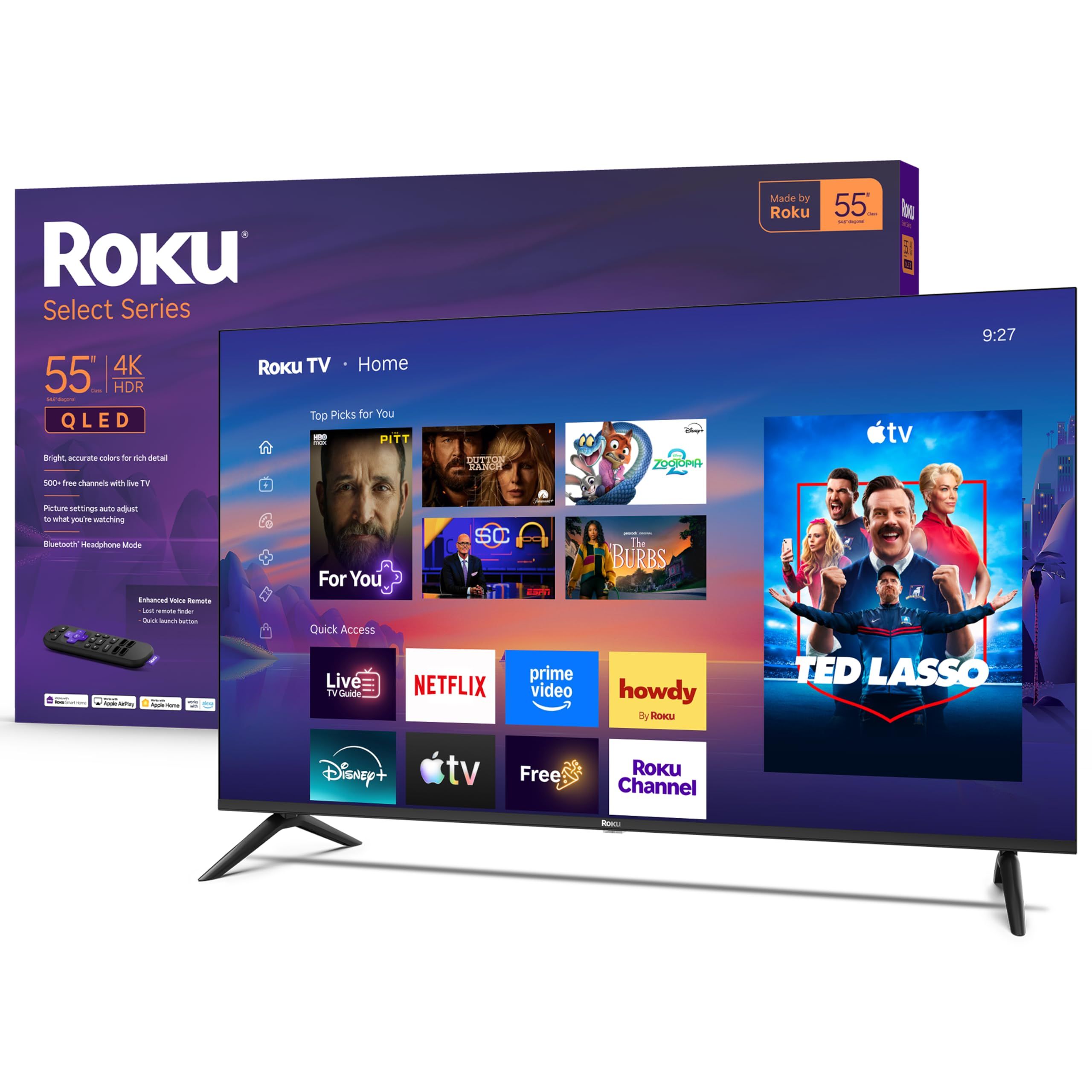
The Roku Select Series 4K QLED 55-inch (55R5DX) is the budget pick, a Roku-designed TV for households that mainly stream. Roku lists HDR10+ and a voice remote for the Select Series 4K QLED.
Its 60 Hz refresh rate keeps it out of serious gaming, and Roku lists Dolby Atmos only for select models in the series. Roku lists four HDMI inputs with eARC on HDMI 4 for connecting a soundbar. Roku publishes these specs for the Select Series 4K QLED as a group across model years, so some details can vary by model.
Key highlights
- 55-inch 4K QLED panel
- HDR10+
- Full-array local dimming (series specification)
- 60 Hz refresh rate
- Four HDMI inputs, eARC on HDMI 4
- Voice remote
Pros
- HDR10+ at a budget tier
- Simple Roku-designed streaming TV
- eARC makes adding a soundbar straightforward
- Full-array local dimming listed for the series
Cons
- 60 Hz refresh rate limits gaming
- Dolby Atmos is listed only for select models
- Specs are published for the series rather than for the 55-inch model alone
Who it is for: Budget buyers who want a 55-inch 4K TV for streaming in a living room or bedroom.
Skip if
You game often and want high refresh rate support, where the LG C6 or Samsung S90H fit better.
How to Choose
- Choose OLED for dark-room movies. The LG C6 and Samsung S90H use OLED panels, and LG describes its pixels as self-lit, which is the main reason OLED suits movie nights with the lights down.
- Plan for glare. If windows or lamps face the screen, look for a stated anti-glare feature such as Samsung's Glare Free, Hisense's Hi-Matte Display on the S7 CanvasTV or the glare-reducing screen treatment on the U7.
- Match refresh rate to your gear. The 165Hz figures from LG and Samsung apply to compatible PCs, the S7 CanvasTV lists 48Hz to 144Hz variable refresh, and the Roku Select Series 4K QLED runs at 60 Hz.
- Check HDR formats. LG lists Dolby Vision, Roku lists HDR10+, and Samsung lists its own OLED HDR+ without Dolby Vision. If your streaming apps lean on one format, pick a TV that supports it.
- Pick a platform you like. These picks run webOS, One UI Tizen, Fire TV, Google TV and Roku, so the interface you already know can narrow the choice.
FAQ
Which 55-inch TV is best overall?
The LG OLED evo C6 55-inch, because it combines self-lit OLED pixels, Dolby Vision, Dolby Atmos and a broad gaming feature list in one TV.
Do all of these TVs support Dolby Vision?
No. LG lists Dolby Vision for the C6. Roku's own pages disagree on it for the Select Series 4K QLED, Samsung lists OLED HDR+ for the S90H but not Dolby Vision, and the Hisense product pages for the U7 and S7 CanvasTV do not list HDR formats.
Which pick is best for a room with lots of windows?
The Samsung S90H is the OLED choice, with its Glare Free screen. The Hisense U7 adds a glare-reducing screen treatment to Mini-LED, and the Hisense S7 CanvasTV uses a Hi-Matte Display with a low-reflection coating.
Do I need 165Hz for gaming?
Only if you play on a PC that can drive it. LG and Samsung both tie their 165Hz figures to PC use, so console players should weigh features like VRR support instead of that number.
Is the Hisense S7 CanvasTV only for showing art?
No. It is a 4K QLED Google TV with a 48Hz to 144Hz variable refresh rate, AMD FreeSync Premium and ALLM, so it works as an everyday TV and gaming screen as well.
Published November 9, 2026 Last updated November 9, 2026
Add Technobezz on Google:Preferred SourceGoogle Discover
More on TVs
Deal
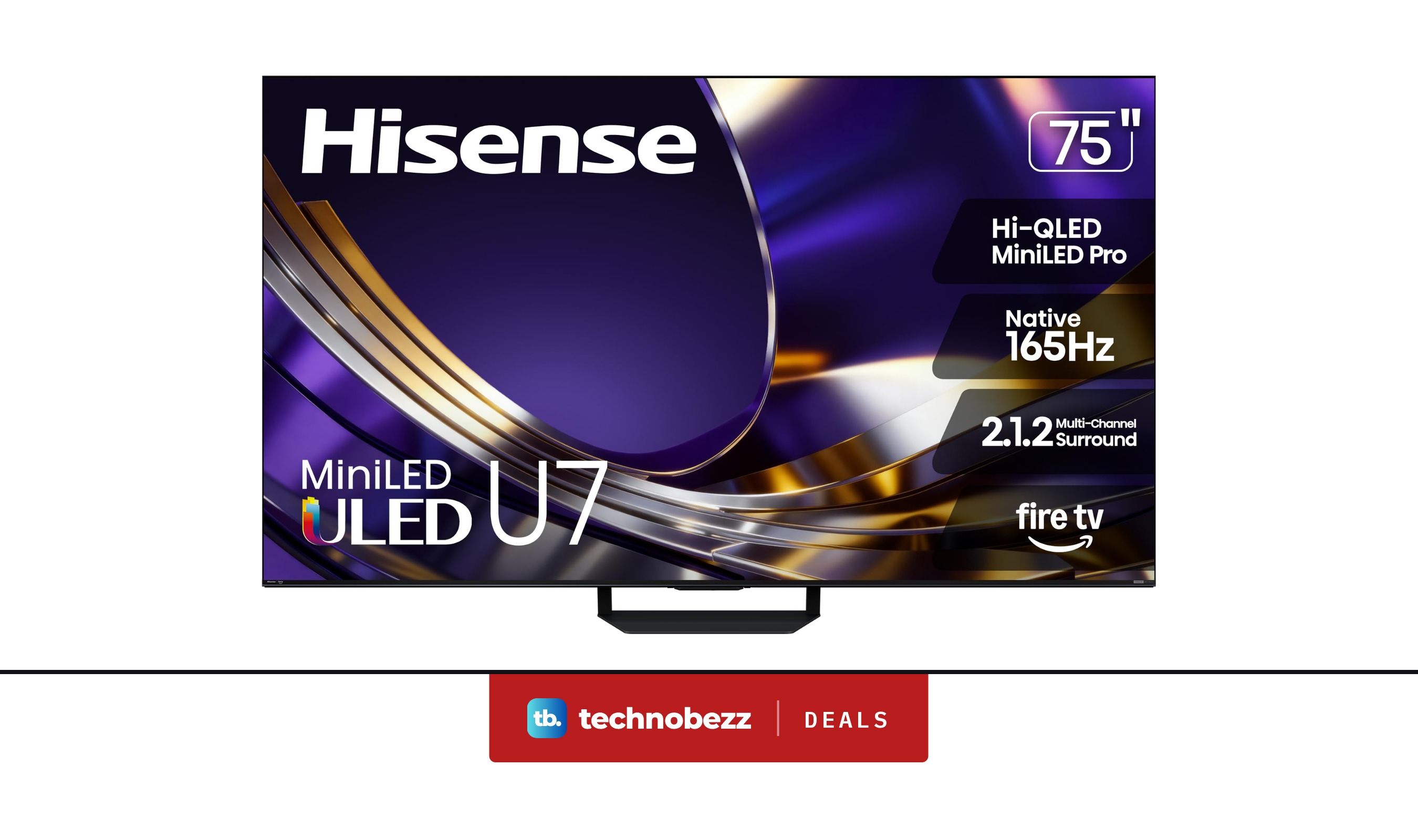
We found 2 TV deals from $999.99 with screen sizes up to 100 inches
Deal
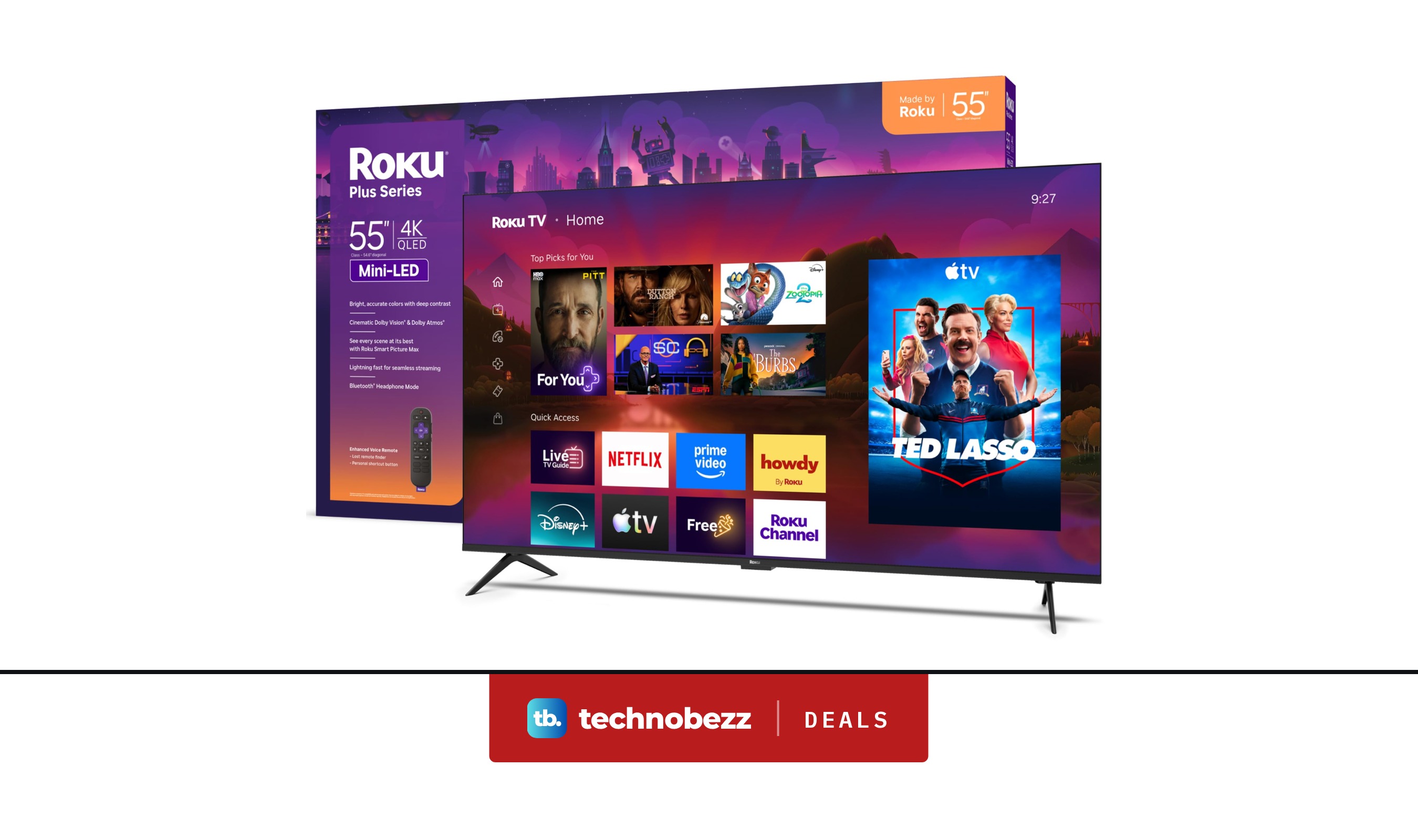
Roku 55-inch Plus TV 4K QLED MiniLED TV on sale for $329.99
Deal
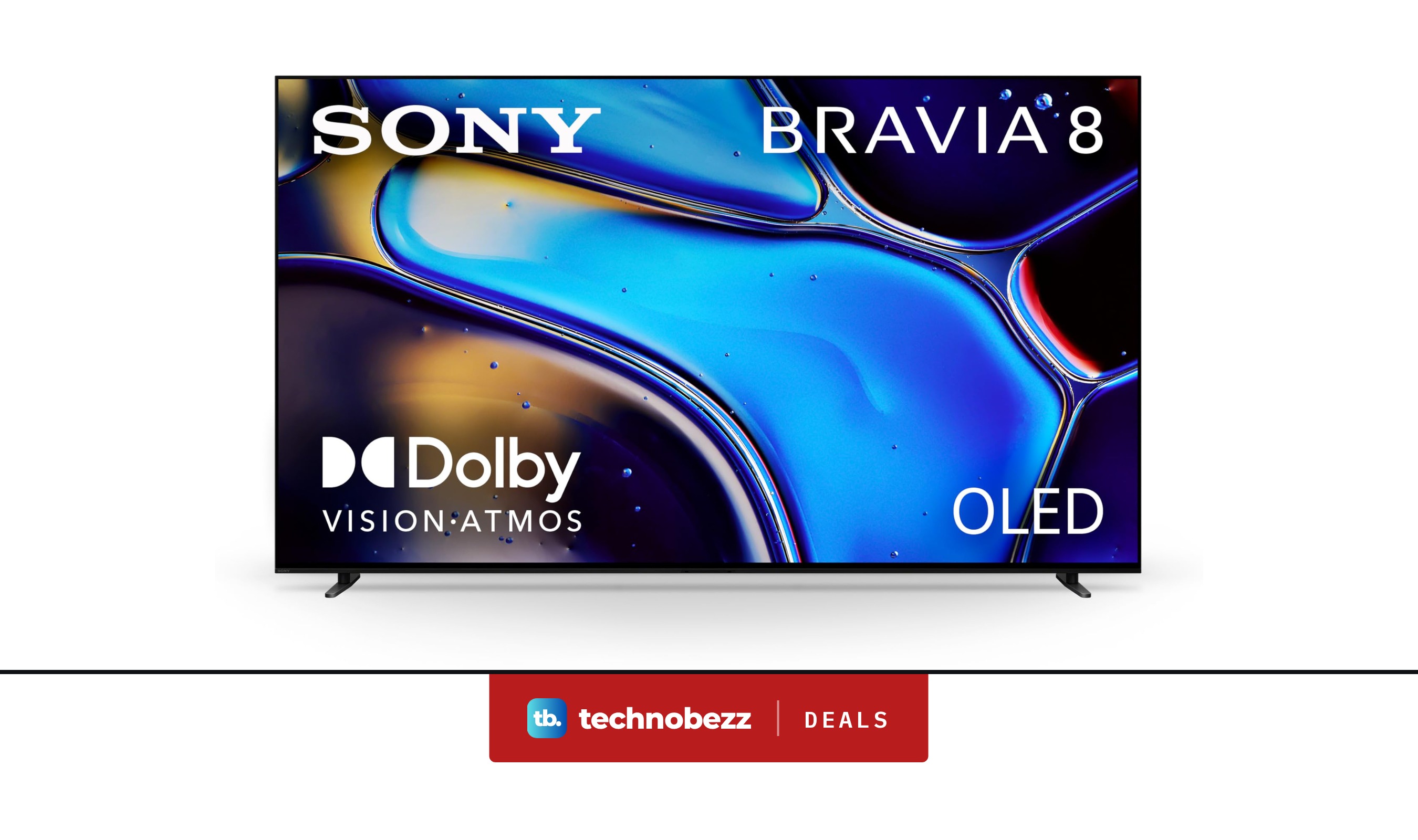
Sony 77-inch BRAVIA 8 OLED 4K HDR TV slips to $2098.60
Deal
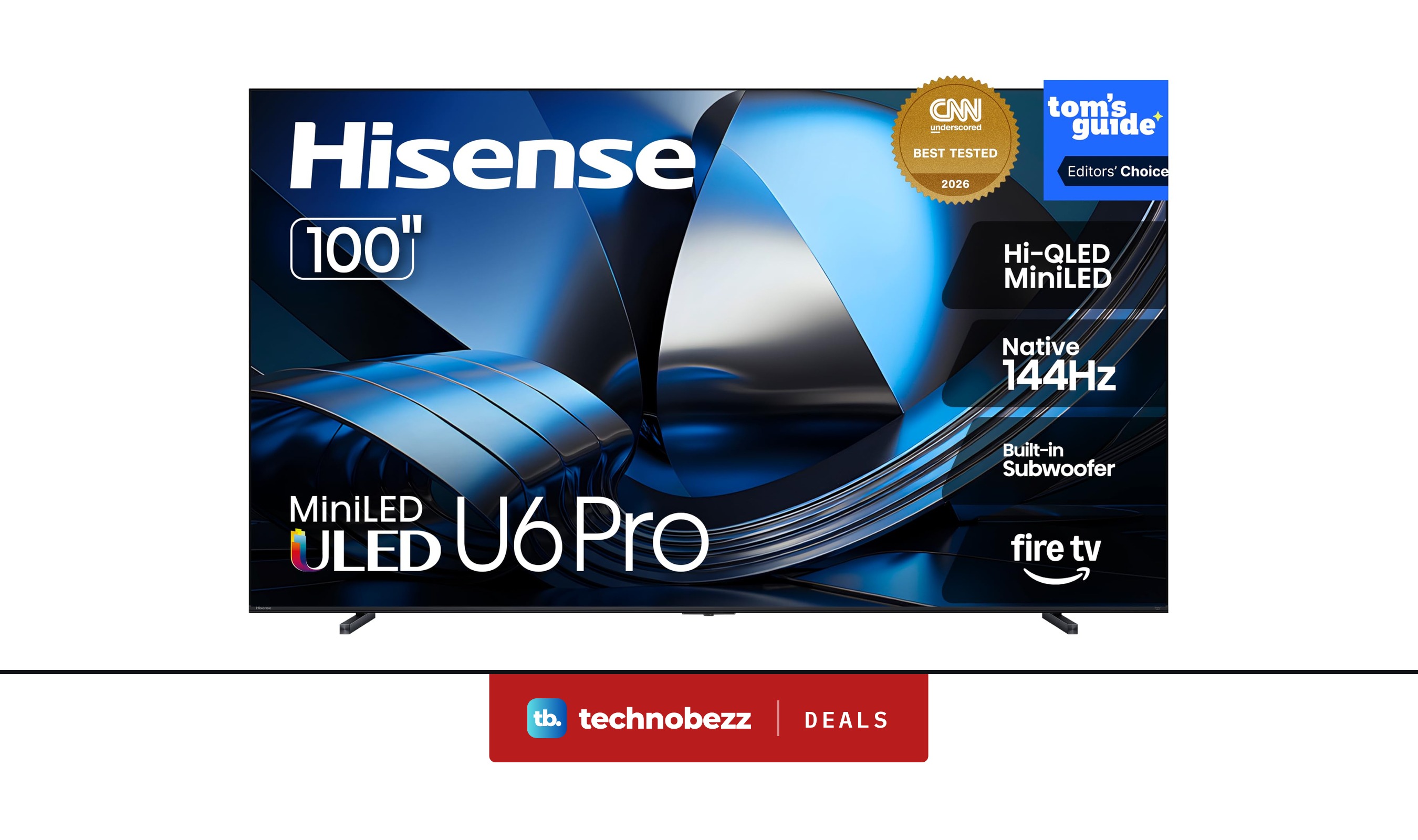
Hisense 100-inch U6 Pro Mini‑LED ULED 4K TV marked down to $1997.99
More buying guides
Buying guide5 Best Noise Cancelling Earbuds in 2026Buying guide6 Best Headphones in 2026Buying guide7 Best Corsair Keyboards in 2026Buying guide6 Best Soundcore Headphones in 2026Buying guide5 Best Asus Gaming Laptops in 2026Buying guide6 Best Bluetooth Keyboards in 2026Buying guide5 Best Gaming Earbuds in 2026Buying guide5 Best Mini LED TVs in 2026