
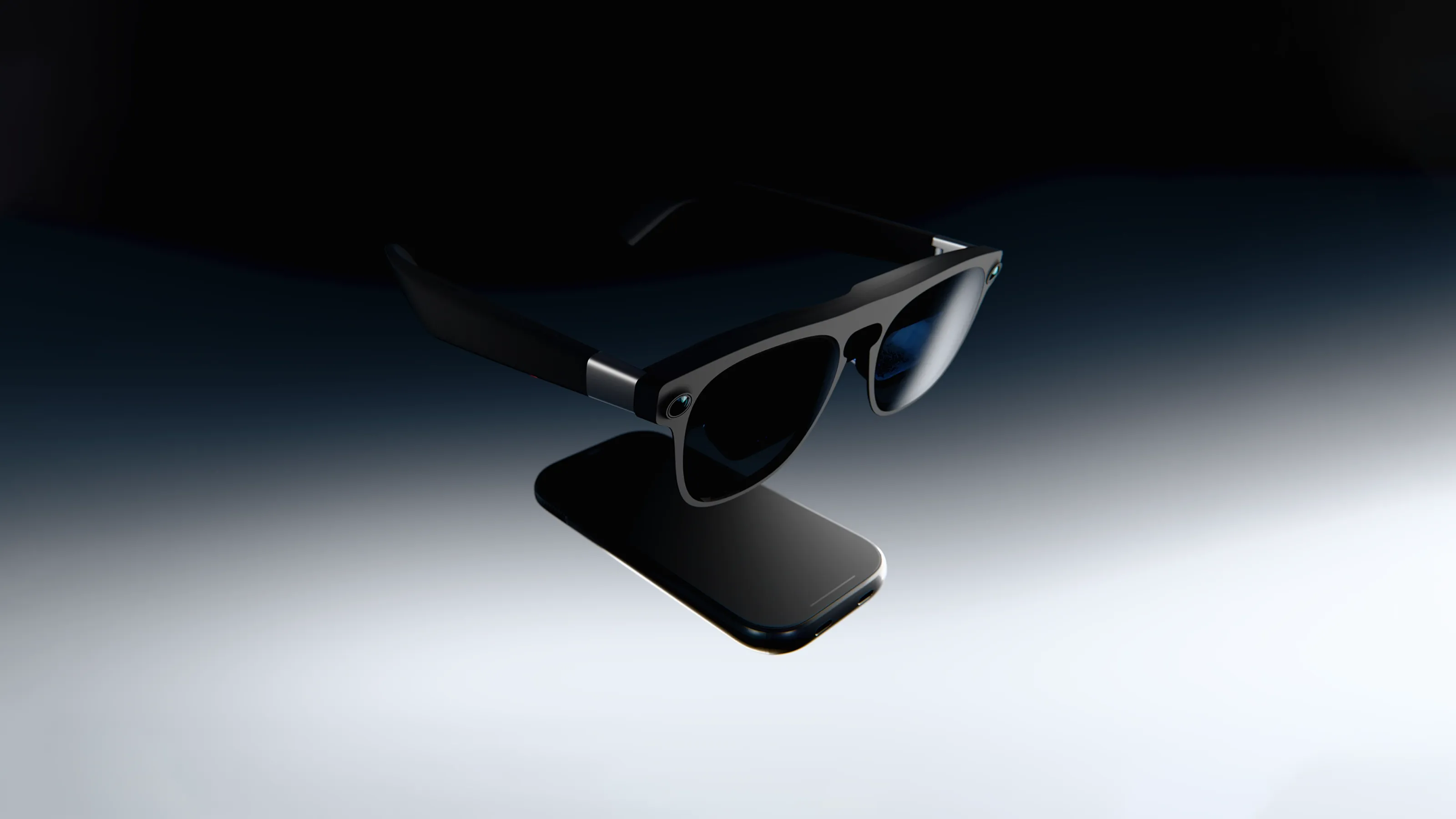
XReal secured $100 million in new funding this week while unveiling two smart glasses models and expanding its strategic partnership with Google. The funding came from supply chain partners and other backers, according to a PYMNTS report citing XReal co-founder and CEO Chi Xu.
The company introduced its XREAL 1S augmented reality glasses on January 4, positioning them as providing "its most accessible and portable AR experiences 'at an unbeatable value'". Designed for everyday users, gamers, and mobile entertainment fans, the glasses aim to lower entry costs while boosting specifications and optics performance.
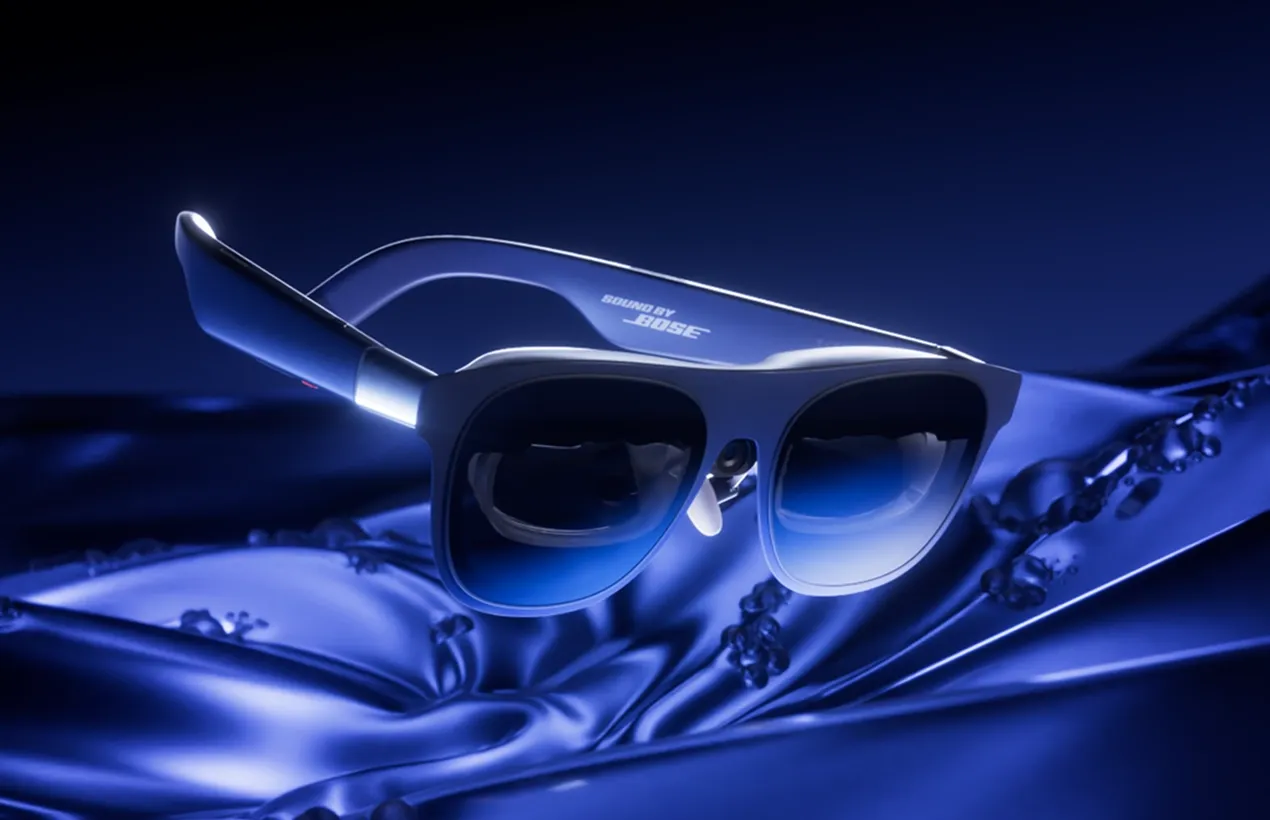
On January 5, XReal unveiled the ROG XREAL R1 AR gaming glasses developed in partnership with ASUS Republic of Gamers. The gaming-focused model delivers visual performance and immersion designed to transform the gaming experience through a strategic hardware collaboration.
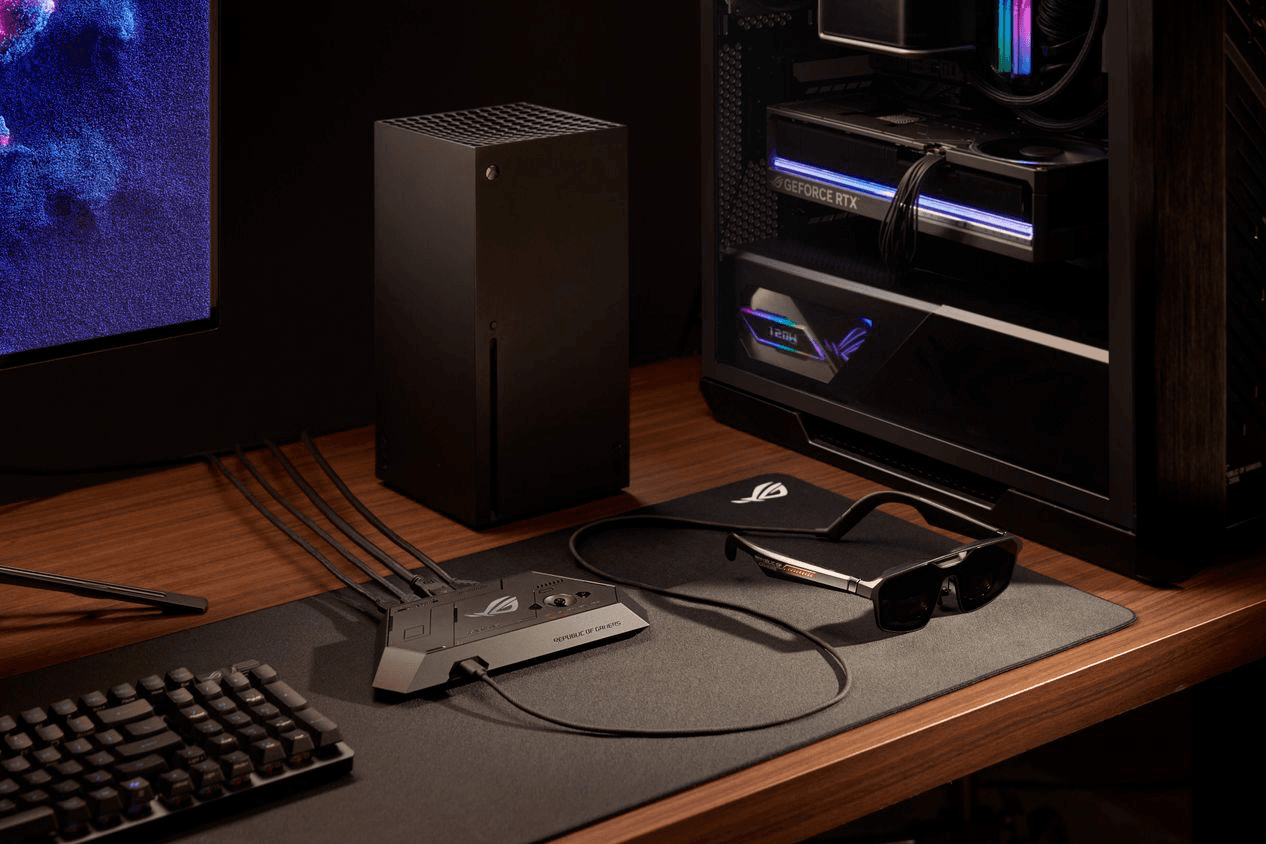
XReal announced an extended partnership with Google on January 6, becoming the lead hardware partner for Google's Android XR ecosystem. The multi-year agreement designates XReal as the primary hardware collaborator for optical see-through devices running Android XR.
The partnership's centerpiece is Project Aura, a compact set of AR glasses slated to launch later this year with a 70-degree field of view. The tethered design keeps the glasses lightweight while connecting to an external computer, marking Google's push into everyday wearable XR devices.
Google's Android XR platform, unveiled in late 2024 according to industry reports, represents the company's next major project for powering AR glasses and XR headsets. The operating system integrates with Gemini AI for hands-free, context-aware computing and supports familiar Android development tools alongside OpenXR standards.
XReal's expanded role includes co-developing hardware roadmaps with Google and aligning software features with physical design. The collaboration aims to bring Android XR to wired XR glasses and expand developer support for the emerging spatial computing platform.
The funding and partnership announcements come amid an AI-driven smart glasses boom that began in 2025. Several tech giants and smaller companies have entered the market, with latest models encased in traditional frames that conceal serious electronics for AI capabilities like online searches and translations.
Google's XR strategy focuses on glasses rather than large headsets, with Samsung's Galaxy XR headset representing the larger device category. The company envisions Android XR powering dozens of different AR glasses styles over the next few years, with apps cross-functioning across mobile and XR platforms.
Project Aura will integrate Gemini AI capabilities for enhanced user interactions through natural language processing and contextual awareness. The device builds on XReal's expertise in lightweight AR hardware and proprietary optical systems developed since its Project Aura reveal in May 2025.
The extended partnership addresses fragmentation in the XR space where disparate hardware and software have hindered adoption. By designating XReal as lead partner, Google streamlines development for applications in education, healthcare, and remote work sectors.
XReal's manufacturing base in China complements Google's U.S.-centric software development, creating cross-border synergy for the Android XR ecosystem. The collaboration also involves Qualcomm, which provides chipset support crucial for performance in XR devices.
Industry observers note the partnership creates an open ecosystem that could challenge closed platforms from Apple and Meta. Google's strategy mirrors its smartphone approach, aiming for wide hardware maker adoption while establishing XReal as a flagship reference point.
The $100 million funding round provides XReal with capital to accelerate development alongside its expanded Google partnership. The company's goal remains making spatial computing feel natural, powerful, and wearable through combined hardware and software innovation.
As 2026 unfolds, the XR sector faces intensifying competition among tech giants defining wearable computing's next generation. XReal's strengthened position as Google's lead hardware partner positions it at the forefront of the emerging spatial computing market.