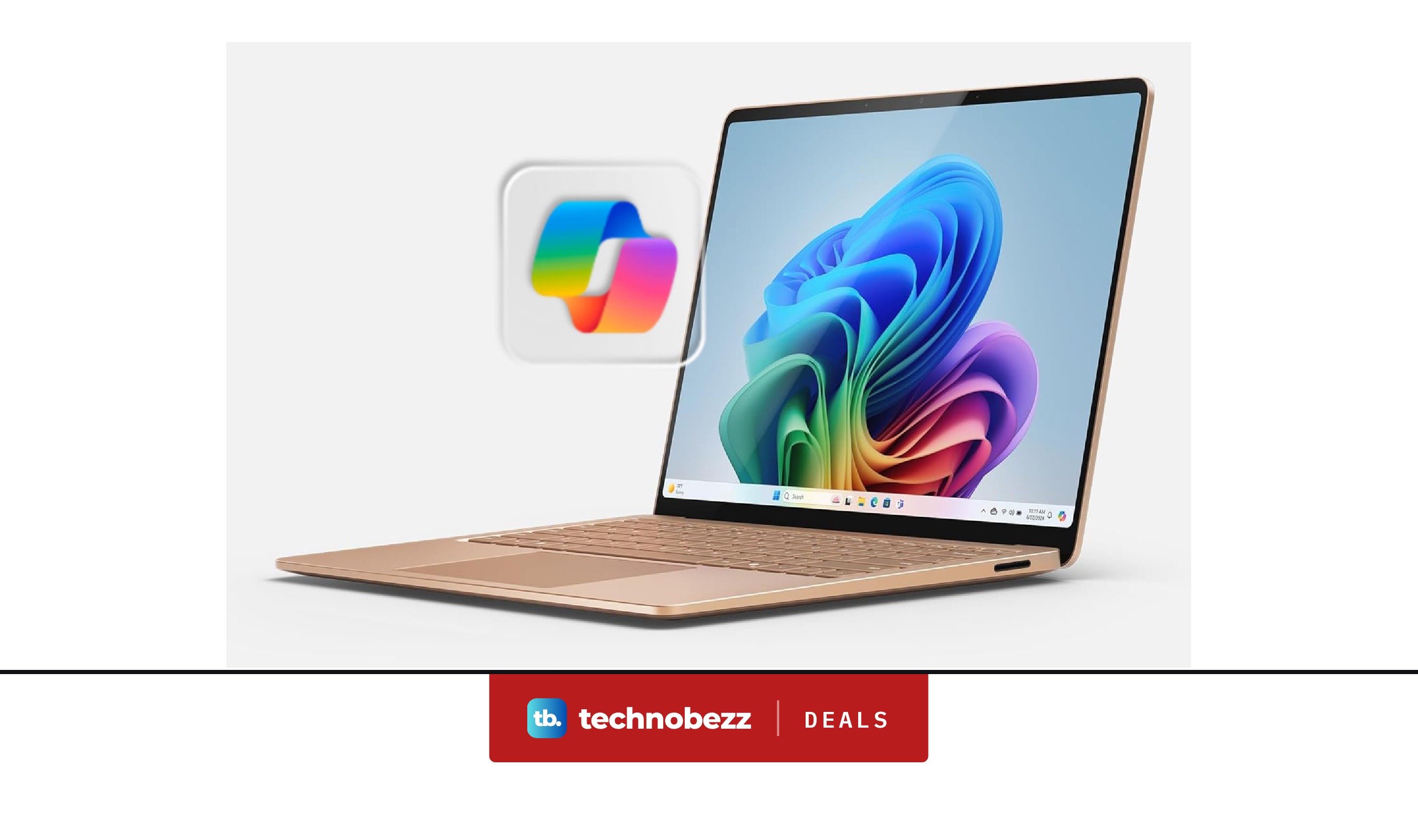


Microsoft today introduced Project Zenith, a preconfigured Windows 11 experience designed for developer-class devices, so that new PCs arrive ready to code. The initiative targets machines with at least 64 GB of unified memory and 250 GB/s or more of memory bandwidth, which the company says is enough to run models of 30 billion or more parameters locally and without metering, helping to lower the need for metered cloud tokens.
Project Zenith will first appear on devices powered by AMD's Ryzen AI Halo, with additional models from OEM and silicon partners following in the coming months. The experience includes a set of pre-installed tools spanning languages, runtimes, source control, and productivity, with Windows Terminal and Visual Studio Code pinned to the taskbar by default. Windows Settings are also preconfigured for coding, such as showing file extensions, hidden files, and the full path in File Explorer, enabling long-path support, and turning off recently used files, sync provider tips, Start menu tips, and account notifications to reduce clutter.
The announcement builds on work Microsoft showcased at Build 2026, where it detailed a developer-optimized Windows 11 and deeper integration of Windows Subsystem for Linux (WSL) with WSL containers. Project Zenith devices will also benefit from platform investments for agentic applications, including OS-enforced identity and containment with Microsoft Execution Containers (MXC), providing what the company calls a secure environment for developing and running agents.
Microsoft frames Project Zenith as a starting point rather than a prescribed workflow, saying developers can still configure, extend, and personalize their environment. The company also notes that the hardware may vary across OEM partners, but the ready-to-code developer promise remains consistent.
Project Zenith arrives as Microsoft pursues a broader push into specialized computing experiences, following its unveiling at Build 2026 of Project Solara, an operating system for wearable AI devices that replaces apps with agents and runs on Android rather than Windows.
Microsoft has not disclosed pricing or a specific release date for Project Zenith devices beyond the AMD Ryzen AI Halo debut, nor has it detailed which OEMs will offer the first models.