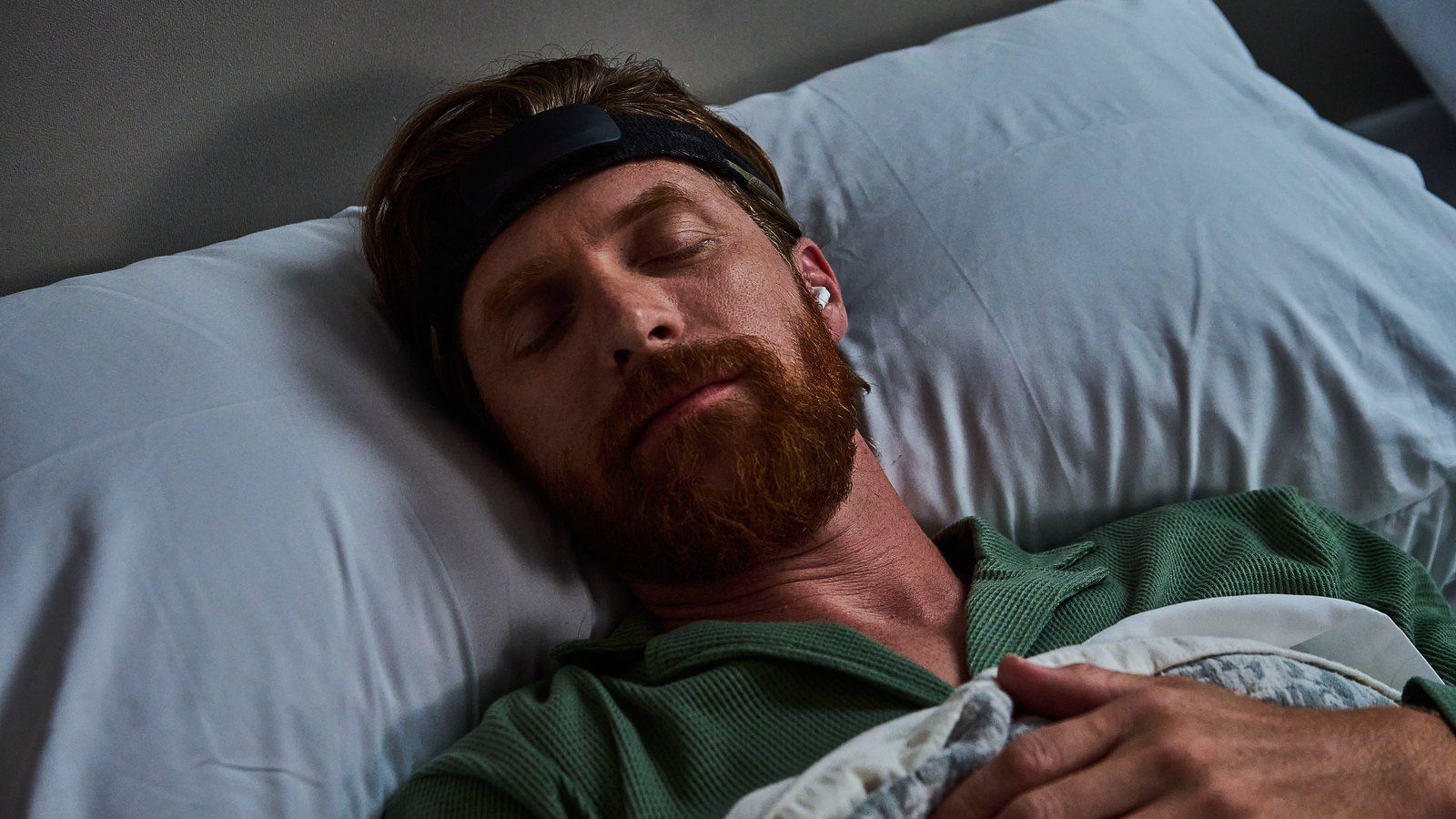
Interaxon, the Canadian company behind the Muse sleep and meditation headband, told Science it trained an AI model on about 50,000 hours of brainwave recordings, most of them collected from people using its devices. Science reported the figure last week in an investigation with the Pulitzer Center's AI Accountability Network into how consumer brain-sensing companies use customer data.
Before Science asked about it, Interaxon's privacy policy did not explicitly say brain recordings could be used to train foundation models. "We agree users should be explicitly informed," Nadia Kumentas, Interaxon's chief marketing officer, said in the report.
What Muse's Policy Says Now
Interaxon's privacy policy, which carries an effective date of September 29, 2026, now lists "the improvement of our own algorithms and machine-learning models, including foundation models, that power Muse features such as sleep staging and brain-health metrics" among the uses of Muse data. It says data used for that purpose is first de-identified, and the company told Science it removes names and email addresses before model work. Kumentas said Interaxon aims "to use as much of that eligible corpus as possible."
Muse headbands record the brain's electrical activity, known as EEG, along with other body signals during sleep, and turn the recordings into sleep reports. Consumer EEG wearables usually have one to six electrodes, compared with 19 to 25 on clinical systems, so their recordings are less detailed.
Nine Companies Building Brain Models
Science reviewed dozens of consumer neurotechnology companies and found nine that had publicly said they were building brain foundation models, AI systems trained on large sets of neural recordings that can be adapted to tasks such as identifying sleep stages. Together those companies held tens of millions of hours of EEG recordings, a figure for data collected rather than a count of data used in training.
Emotiv, another EEG headset maker, has been training a model it calls Large Brain partly on recordings from customers of its high-end devices. After Science's questions, Emotiv updated its privacy policy to disclose the use of de-identified neural data for model training, subject to opt-in consent.
More than two-thirds of the companies Science examined allowed users' data to be transferred in a corporate deal, such as an acquisition, without asking for consent. Colorado and California have added neural data to their consumer privacy laws.
Interaxon's 50,000-hour figure is the company's own count and has not been independently checked. Removing names and email addresses is not the same as users agreeing to AI training, and the reporting does not show whether de-identified EEG recordings could be traced back to a person.