
Microsoft has filed a patent for a system that would let gamers earn rewards by lending unused graphics processing capacity to AI training tasks. Participation would be voluntary, with work sent to gaming PCs, laptops and other devices capable of handling it. The application was published on November 5, 2026, but the proposal is still only a patent application, not a working service.
VideoCardz reported the proposal and illustrated its potential electricity expense: an extra 250W running four hours a day would consume 30 kWh per month. With electricity priced at $0.35 for each kWh, that example produces an additional monthly charge of $10.50. Whether participation would generate a profit cannot currently be determined.
How the GPU Sharing Would Work
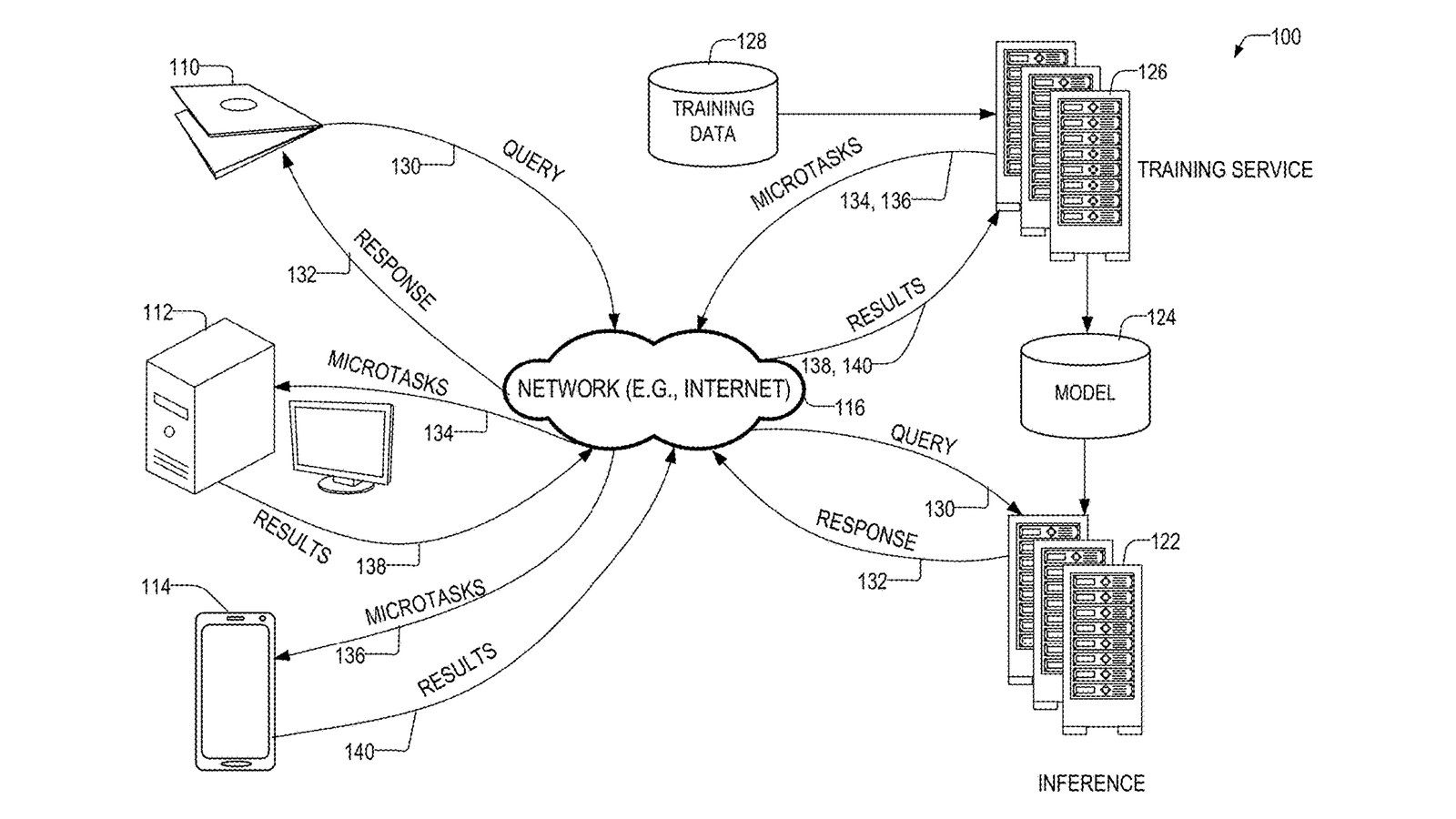
Microsoft Technology Licensing submitted the application in April 2025. The proposed platform would break a large AI training job into smaller pieces, then send those tasks to participating computers instead of keeping the entire workload together. Each device's capabilities would help determine which work it received.
The system would track how much graphics processing capacity was available and allocate tasks using that information. Consumer graphics cards could take on training work during periods when games and other demanding applications were not using them.
Heat Controls and Rewards
The proposed monitoring covers GPU activity, memory use, temperature and electricity draw, giving the platform several measures to use when managing a device's workload. Training assignments would change with the resources available on that computer. If the machine became busy or hit specified temperature limits, the system would scale back its assigned work or pause it.
Completed calculations would also undergo checks, with safeguards intended to keep unreliable participating devices from influencing the training results. Compensation would take the form of credits added to a participant's account for computing work performed by their hardware. Those credits could reportedly be redeemed for software at no charge, AI model access or cash.
The financial catch is that AI processing raises electricity use even during time when the computer would otherwise sit idle.