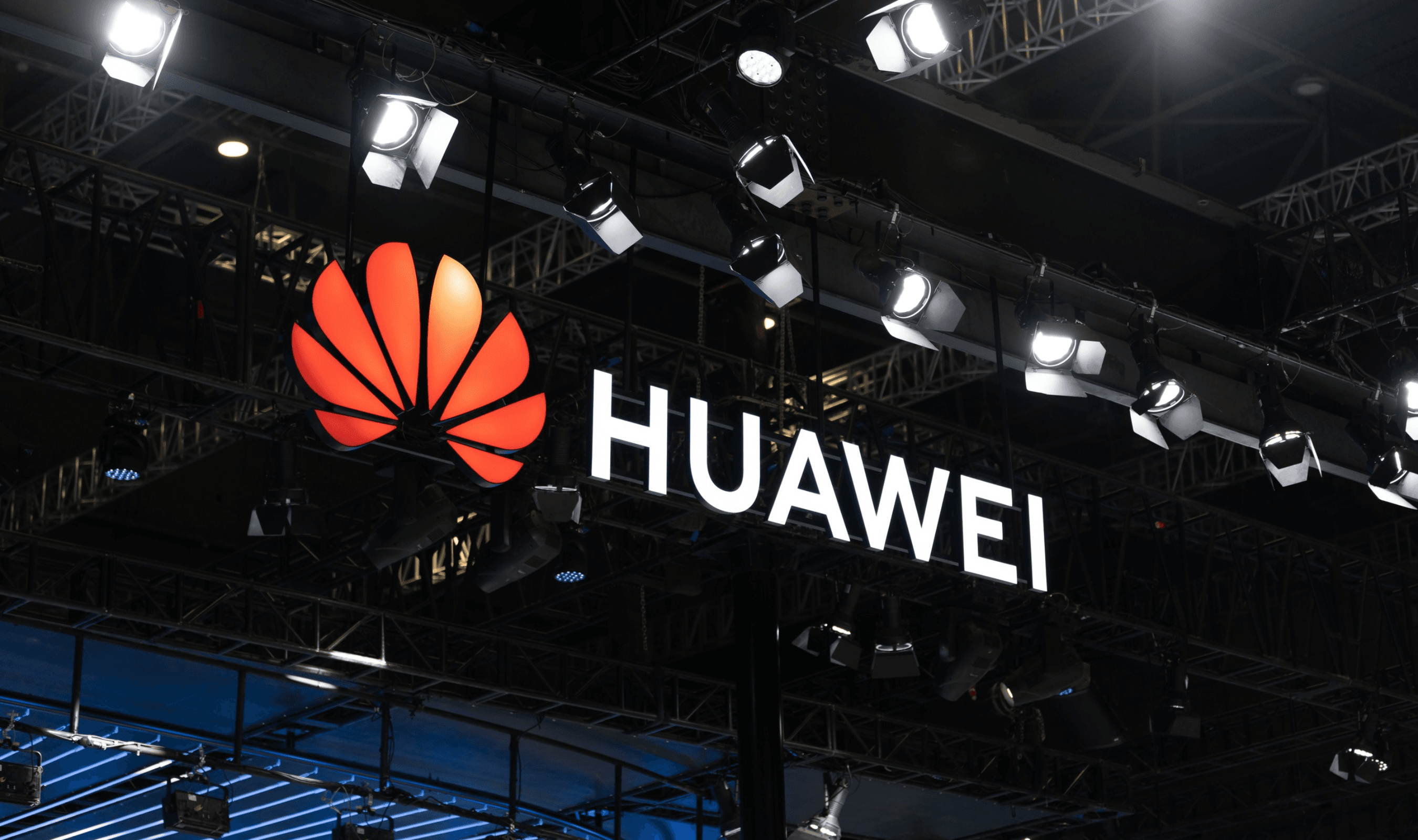
Huawei and three subsidiaries have been convicted of crimes involving Iran sanctions, bank fraud and the theft of American companies’ technology, following a trial lasting three months in federal court in the Eastern District of New York. The verdicts covered conduct ranging from concealing Huawei’s Iranian operations from banks to taking confidential material from technology companies, according to the Justice Department.
Sentencing is scheduled for September 14, 2027, and the companies face criminal fines, restitution and forfeiture. A federal district judge will decide the penalties, taking account of federal sentencing guidelines and statutory considerations. The subsidiaries convicted alongside Huawei are Huawei Device, based in China, and the U.S. companies Futurewei and Huawei Device USA.
The jury found the defendants guilty of fraud involving banks and wire communications, as well as conspiracies involving money laundering, trade secret theft and defrauding the United States. It also returned convictions for violating the International Emergency Economic Powers Act and conspiring to violate that law.
According to the Justice Department’s account of the trial evidence, Huawei used the Skycom name for its Iranian business while portraying Skycom as a partner, despite owning it outright. Huawei’s false representations to banks secured billions of dollars and access to services for clearing transactions denominated in U.S. dollars. Huawei also falsely claimed it had started curbing its Iranian business in 2011 and was complying with applicable sanctions.
Trial evidence established that Huawei supplied services for Iran’s internet backbone and mobile networks and helped Zaeim, part of the country’s intelligence apparatus, monitor and censor internet access. Witness testimony also showed that Huawei supplied cameras used by Iranian authorities to watch protests.
The technology theft included T-Mobile’s Tappy robot, which tested touch screen responses by simulating human contact. Huawei employees sent images and technical information to China, and an employee later removed a robot component from T-Mobile’s restricted laboratory in a backpack. Huawei also copied software code from Cisco routers, leaving references to Cisco in engineers’ notes, according to evidence presented at trial.
In another case presented to jurors, Huawei used a university researcher to obtain confidential information and hardware access from CNEX without revealing Huawei’s involvement. Huawei also used confidential antenna information from Quintel in a patent filing, including a slide Quintel had shared under a nondisclosure agreement.