
Google's Gemini AI expands across devices in 2026, replacing Assistant and adding goal visualization tools that help users track personal and professional objectives. The AI assistant now integrates with Google TV, Photos, and privacy controls while offering unified dashboards for managing multiple goal categories.
Gemini becomes Google's default AI layer this year, according to TechRepublic. The company confirmed Gemini will fully take over Assistant duties across phones, smartwatches, cars, and smart home devices. Google told The Verge in December it will continue upgrading Assistant users to Gemini on mobile devices throughout 2026.
The AI now helps users visualize goals through personalized plans and progress tracking. Analytics Insight reports Gemini's AI vision board feature has sparked social media interest in visualizing 2026 goals, with users exploring generative AI for personal goal-setting. Users can manage personal, financial, career, and wellness goals in unified dashboards with customized tracking systems.
Google TV receives deeper Gemini integration with features previewed at CES 2026. Android Police details a new "visually rich framework" that adapts responses with imagery, videos, and real-time sports updates. Users can ask natural language questions like "What's the new hospital drama everyone's talking about?" and receive narrated interactive overviews through "Deep dives" features.
Television settings become voice-controlled through Gemini optimization. RocketNews confirms users can now tell Gemini "the screen is too dim" or "I can't hear the dialogue" to adjust picture and sound without navigating menus. The features require Android TV OS 14 or higher and will first appear on select TCL devices before broader rollout.
Personal content integration expands with Google Photos access. Android Police notes users can search their Photos library for specific people or moments, apply artistic styles via Photos Remix, and transform memories into cinematic slideshows. New Nano Banana and Veo tools allow reimagining personal photos or creating original media directly on television screens.
Privacy controls require active management as Gemini collects extensive user context. Android Police reports Gemini now runs through Docs and Maps while building psychological profiles from past conversations. The memory feature rolled out globally in late 2025 and remains enabled by default, though users can disable it in Gemini Settings under Personal Context.
Activity data management offers three-month auto-delete windows. Users can switch off Keep Activity to prevent Google from using prompts, files, and photos for machine learning training. Even with activity disabled, Gemini maintains a short-term buffer of up to 72 hours for safety purposes according to Android Police documentation.
Google's 2026 roadmap includes operating system consolidation and hardware expansion. TechRepublic reveals Google executives confirmed a merged Android-ChromeOS platform internally known as Aluminium OS will launch this year, likely at Google I/O. The company partners with Qualcomm on the unified AI-first platform that brings Android to PC markets.
Pixel devices receive smarter AI capabilities without major redesigns. TechAdvisor reports the Pixel 11 series will feature "familiar hardware with incremental improvements" rather than dramatic changes. More efficient Tensor chips could enable complex AI-driven tasks as Google pushes forward with on-device AI operations.
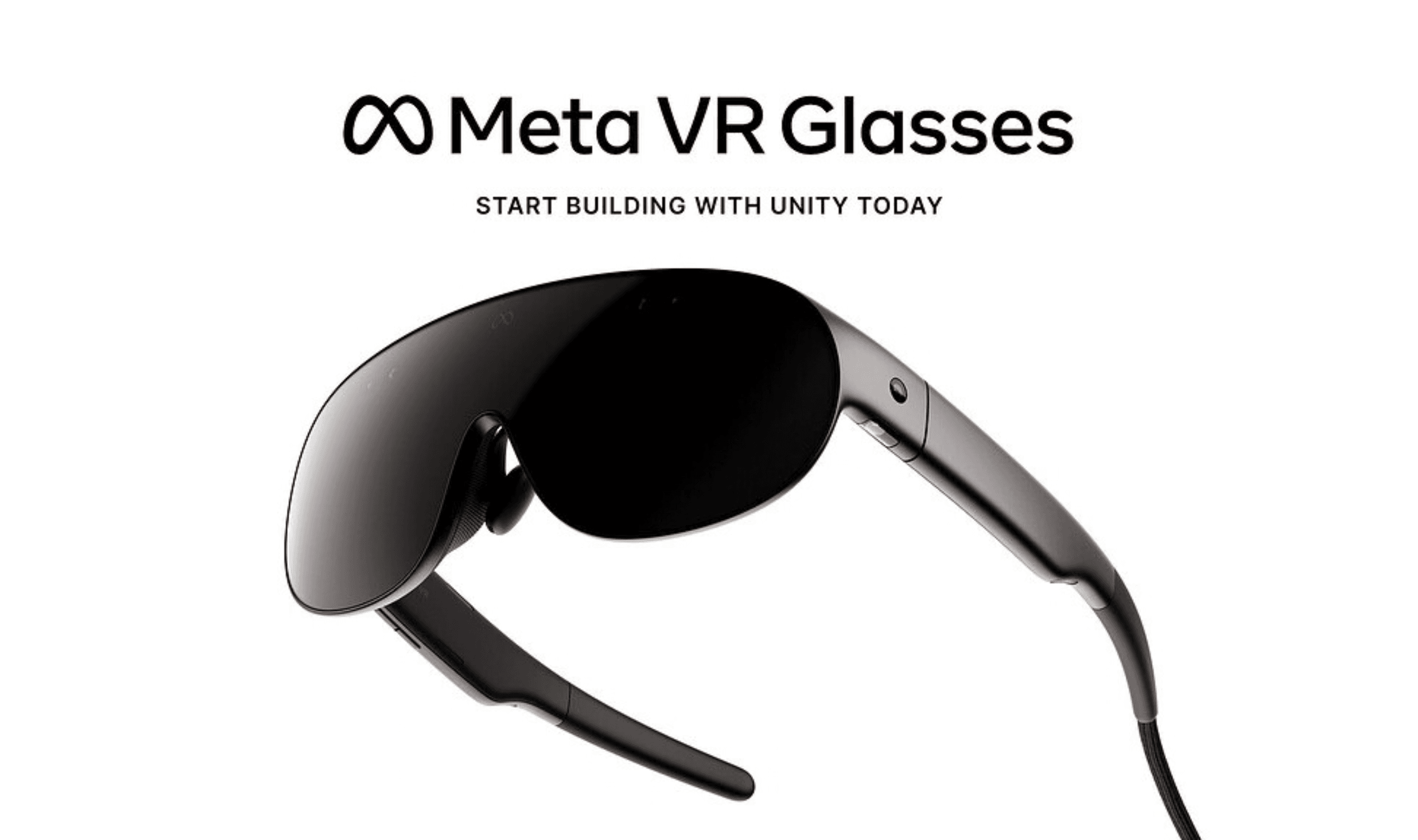
AI-powered smart glasses return as consumer products in 2026. CNBC confirms Google collaborates with Samsung, Gentle Monster, and Warby Parker on Gemini-powered glasses running Android XR. The glasses support hands-free interaction including navigation and live translation, with both audio-first models and versions featuring in-lens displays.
Goal achievement features target beginner users with intuitive interfaces. Analytics Insight notes Gemini offers guided planning steps and simple visual tools to make goal-setting and workflow tracking accessible. The system improves motivation through progress visualizations, timely reminders, and community-driven accountability features.
Privacy settings require regular audits as Google expands data collection. Android Police recommends checking Web & App Activity controls, turning off voice and audio activity storage, and disabling visual search history that saves images from Google Lens usage. Users can customize ad preferences through My Ad Center to limit sensitive topics like gambling and weight loss.
Third-party permission management becomes essential for data protection. Android Police advises reviewing Third-party apps & services in Google Account settings and removing unused connections. Many services maintain active access keys indefinitely unless manually revoked by users.
The expanded Gemini ecosystem represents Google's shift toward practical AI applications over flashy launches. TechRepublic observes the company focuses on making existing AI investments more scalable and secure rather than chasing novelty. This refinement approach tightens how Google products work together across phones, TVs, wearables, and desktops.
Users should expect ongoing privacy setting changes as new AI features emerge. Android Police notes Google regularly updates settings and tracking methods, requiring periodic reviews of data collection preferences. The current configuration offers short-term memory functionality that remains practical for daily use while limiting long-term profiling capabilities.