
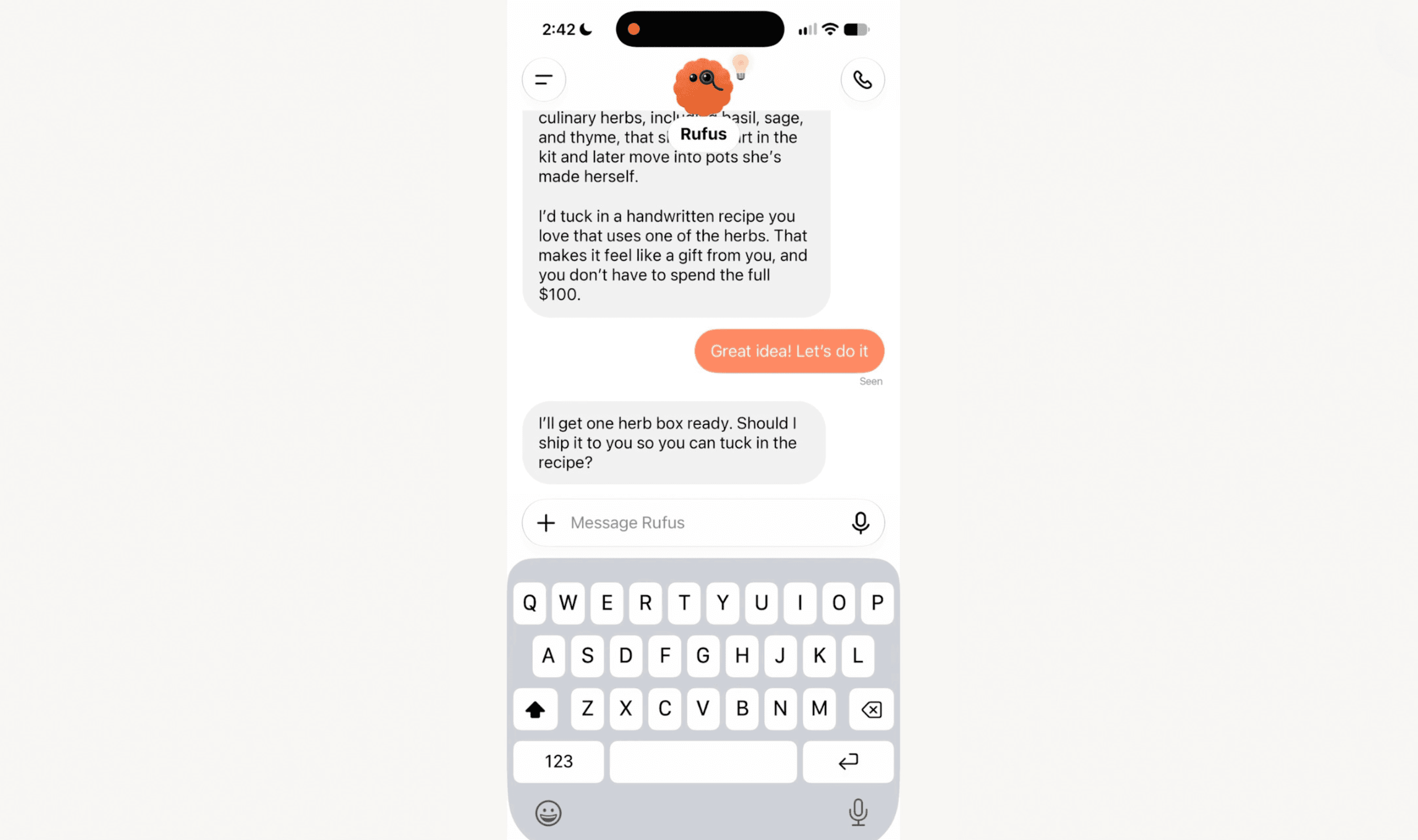
OpenAI is starting to roll out ChatGPT Wallet through dots today, letting agents make payments after users approve each purchase with a security check. Initial access is limited to US ChatGPT Pro subscribers who are at least 18 and have eligible cards issued in the US. Developed with Visa, American Express and Mastercard, the wallet uses substitute payment credentials so neither the agent nor the seller receives the buyer’s actual card details.
Users first save a card, then review their chosen items, the amount due and the card they want charged before authorizing payment. Approval requires a check such as a fingerprint scan or Face ID, and produces a record identifying the purchase the user permitted. The current requirement to approve every purchase puts a limit on delegation, even as OpenAI outlines plans for agents to buy within rules set beforehand.
Read more: OpenAI Receives US Approval to Launch GPT-5.6 Sol on Thursday After Security Review
Once approval is complete, the payment network supplies a token containing a substitute card number, expiration date and security code. The charge goes to the selected card, with existing rewards retained alongside protections covering eligible disputes, including purchases involving defective items. Buyers deal directly with the business, which remains responsible for setting prices, fulfilling orders, handling returns and providing customer service.
Compatibility remains a constraint: OpenAI says some websites may block agent purchases unintentionally, while transaction screening can reject legitimate orders or cause cancellations. Although the tokens can be used in existing checkout processes, businesses may need their payment and risk providers to adjust how those purchases are recognized. OpenAI is working with payment providers including Stripe and Adyen, plus fraud prevention companies such as Forter and Riskified, on recognizing legitimate agent transactions.
For merchants, OpenAI is also publishing a Commerce Partner Playbook covering product data, website access and payment acceptance. Businesses can verify ownership in ChatGPT, revise their details and supply a product feed containing current prices and availability. Sites can recognize authenticated agent requests through Web Bot Auth, while browser access requires neither a plugin nor a product feed.
Earlier this week, OpenAI introduced Businesses in ChatGPT to help companies manage their information and understand how they appear in the service. For future wallet purchases, OpenAI expects users to set advance permissions around spending amounts, categories or time windows, supported by additional safeguards. The company says it will use the limited rollout to improve reliability and compatibility with businesses, banks and networks before broadening access.