
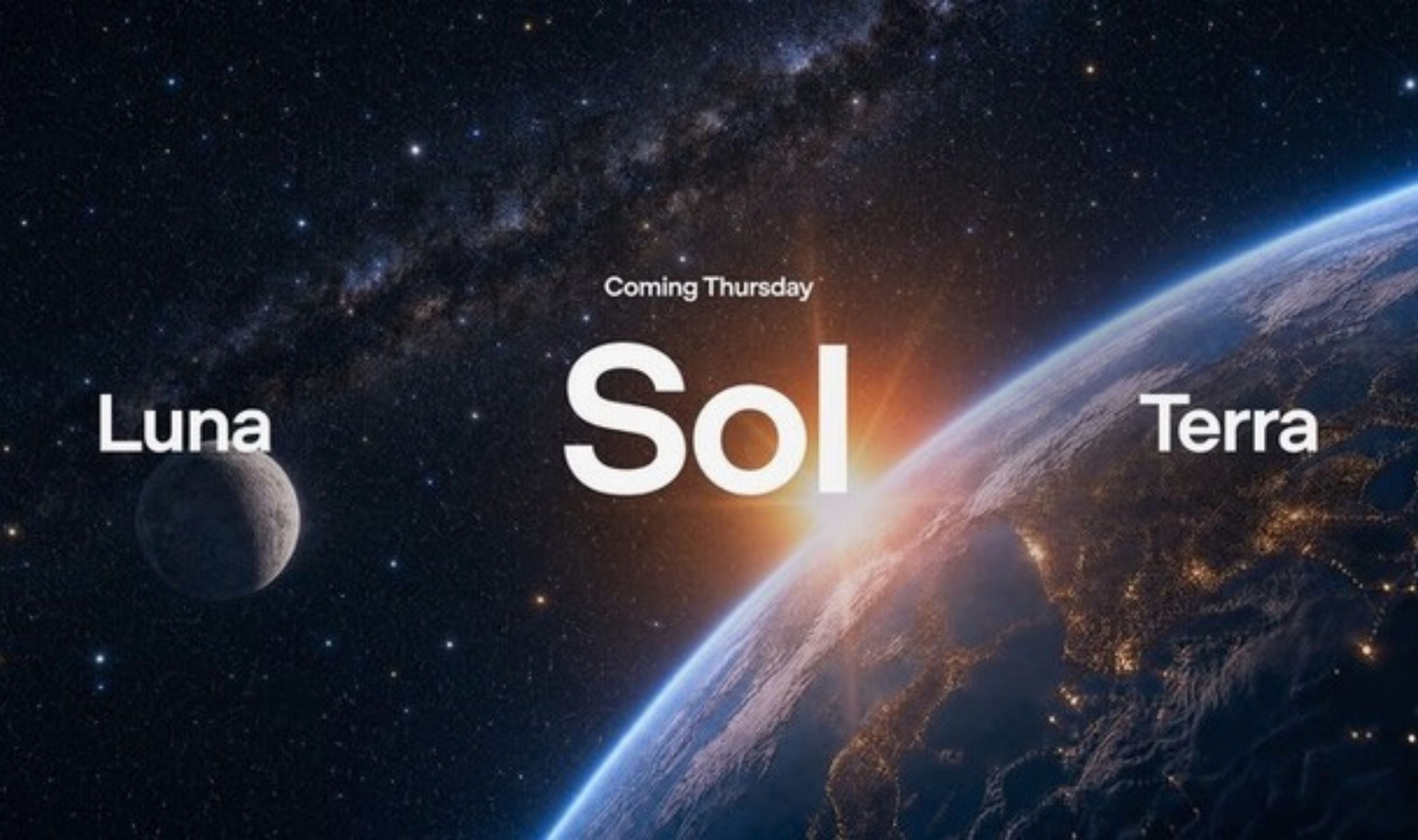
OpenAI's GPT-5.6 Sol gets US green light for Thursday launch after national security delay OpenAI will release GPT-5.6 Sol, its most capable AI model, to the public on Thursday after the Trump administration approved a broad rollout following weeks of government testing and national security reviews. The launch ends a delay imposed last month when US officials requested additional safeguards amid concerns that frontier AI models could accelerate sophisticated cyberattacks or be misused by foreign militaries. Axios reported the administration gave OpenAI the green light after meetings and testing between the company and government officials.
"The GPT-5.6 Sol, along with Terra and Luna, will launch publicly this Thursday," OpenAI said in an X post Tuesday. "We're expanding preview access globally now."
The GPT-5.6 series spans three tiers. Sol is the flagship, Terra is a mid-range model for everyday work, and Luna is a fast, low-cost option.
OpenAI touted improved agentic capabilities in coding, biology, and cybersecurity when it previewed the models in late June, noting that Sol was competitive with Anthropic's Mythos Preview on the ExploitBench cybersecurity benchmark. The rollout marks the first major test of Trump's new voluntary review framework, established via executive order earlier in June. The framework lets AI developers submit "covered frontier models" to the US government for up to 30 days before releasing them to trusted partners.
OpenAI had limited GPT-5.6 access to a small group of vetted US-only partners at Washington's request. The company shared partner details with authorities.
The US-China AI race provides the backdrop. Washington has increased scrutiny of advanced model releases over concerns the technology could be misused by military or intelligence agencies in China, Russia, and other countries.
Chinese authorities have held meetings with domestic tech firms about potentially restricting overseas access to China's most advanced AI models, including unreleased systems.
OpenAI's rival Anthropic faced similar restrictions last month. The company abruptly disabled its Mythos 5 and Fable 5 models for all users after the US government's June 12 export control order.
The curbs were lifted last week after Anthropic implemented certain safeguards. Mythos, designed for cybersecurity professionals, remains limited to trusted US organizations.
Elon Musk's SpaceXAI also entered the week's news cycle, with Musk saying Wednesday that his company would make its leading model Grok 4.5 available to the public.
Anthropic has warned that making any AI model fully strong against jailbreaks is "probably impossible," a reality governments on both sides of the US-China rivalry are now wrestling with as frontier models move from restricted testing to broad public access.