
Apple is reportedly developing smart glasses that would let wearers use iPhone app functions through Siri, with the first model planned without augmented reality imagery, Bloomberg’s Mark Gurman reported in his Power On newsletter. Under current plans, buyers would need a recent iPhone, and Android phones would not be supported.
Apple reportedly aims to unveil the glasses at WWDC in June 2027 and begin shipments before that year ends, according to PCMag. Software delays could put both targets at risk. Apple has not officially announced the glasses or confirmed a release schedule.
Planned Everyday Functions
- Ask Siri to identify buildings or suggest meals using available ingredients.
- Get directions and translate signs or conversations.
- Handle calls, messages, iPhone notifications and calendars.
- Use standard reminders as well as visual reminders.
- Control music playback and smart home devices.
- Request rides or reserve restaurant tables through iPhone apps.
- Order coffee, shop or purchase movie tickets through iPhone apps.
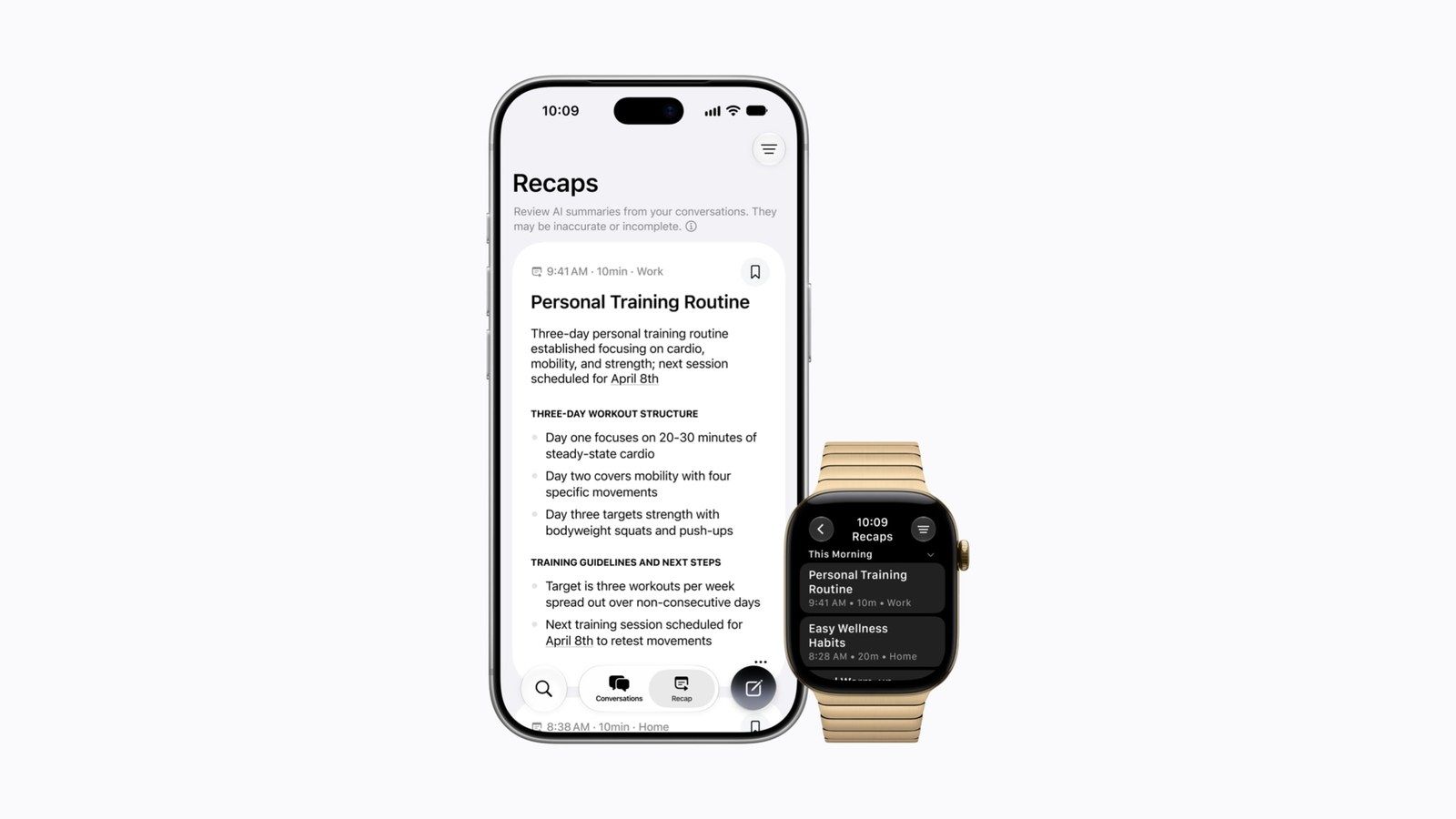
The proposed app system would depend on developers making specific iPhone app actions accessible to Siri. Developers would not need to build separate apps for the glasses under the current approach. Third-party software would run on the paired iPhone rather than execute on the eyewear itself.
Apple reportedly regards its existing collection of apps as an advantage over rival glasses and wants developers’ integrations ready before the hardware arrives. The company also sees potential for people to wear the glasses throughout the day.
The iPhone Still Does the Work
The paired phone would provide additional computing resources because processing capacity and memory on the glasses would be limited. Custom components would handle wireless links and images arriving from the cameras. Siri would use those cameras to answer questions about what the wearer can see.
Wi-Fi would allow some functions outside third-party apps to keep working when the iPhone is not nearby. Gurman suggested that audio could theoretically keep playing over Wi-Fi. The glasses would still depend on the paired phone for full functionality.
Apple is also developing indicators to show when the cameras are active as part of its privacy measures. Internally, the glasses project carries the code name N50.
Apple is said to consider the hardware largely settled. Siri and the AI supporting it still need work before they are ready for consumers. An earlier expectation of a late-2026 debut has already moved to 2027.
Apple first demonstrated the app-control capability in 2024, then rebuilt it using newer AI models. The first iOS 27.3 beta in November introduced finer-grained controls for Siri.
Apple plans to support integration with its own apps in December 2026. Support for third-party integrations is planned for 2027.