
To block a contact on Viber, open their chat information and tap Block this contact, or add their number through Block list. Both methods stop that person’s direct calls and messages from reaching you.
The short version
- Existing chat: Open the conversation’s information to block its contact.
- Another number: Add a contact or international phone number through Block list.
- Shared groups: Blocking does not hide either person’s activity in a group you share.
- Unblocking: You can allow contact again, but blocked messages will not arrive afterward.
Block from a chat
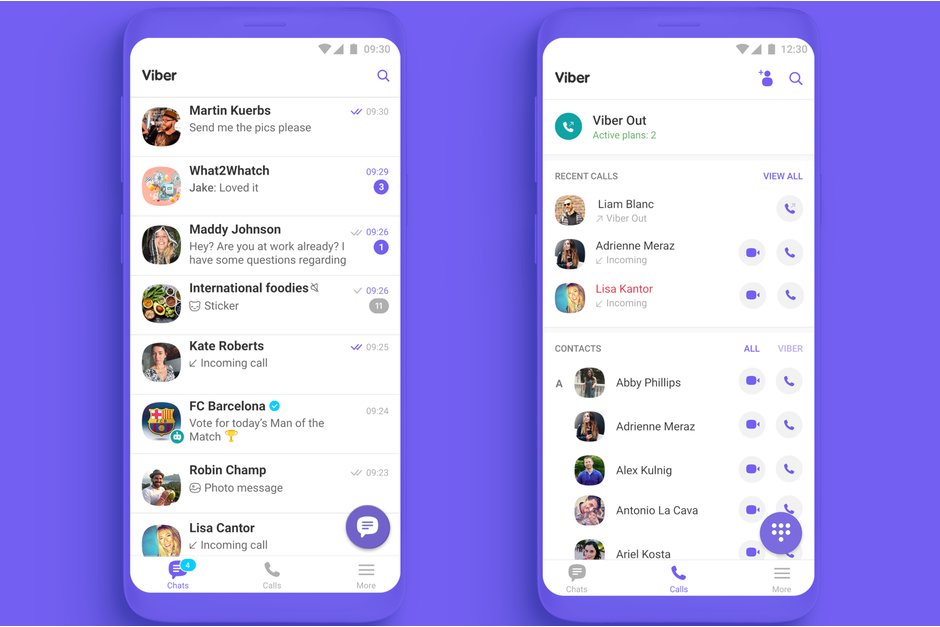
Open Viber on your phone, tap Chats, and select the conversation. On Android, tap Info; on iOS, tap the chat name at the top.
Tap Chat info, then Block this contact. For a message from someone outside your contacts, you can instead tap Block in the banner, or Block and Report Spam if the message is spam.
Block from settings
Tap More > Settings > Privacy > Block list. Tap + on Android or Add number on iOS.
Select a contact or enter a phone number in the Search bar, then select that number. Use full international format, including the plus sign and country code, and confirm with the checkmark on Android or Done on iOS.
What blocking changes
The blocked person cannot call or message you, see your online status or profile changes, or add you to a group. Viber does not notify them that you blocked them, although they may infer it from those changes.
Your block list syncs across your devices. If you share a group, you can still see each other’s activity there, and you must unblock the person before calling or messaging them directly.
Unblock a contact
Open the conversation and tap Unblock in its banner. Alternatively, return to More > Settings > Privacy > Block list, find the contact, and tap Unblock.
The person can contact you again after unblocking, but messages sent while blocked will not be delivered. Restoring Viber after uninstalling it resets the block list, so keep a record of blocked contacts before any planned reinstall.
Updated October 2026: Corrected Android and iOS controls and clarified blocking, shared groups, and unblocking. The original article was published in October 2020.