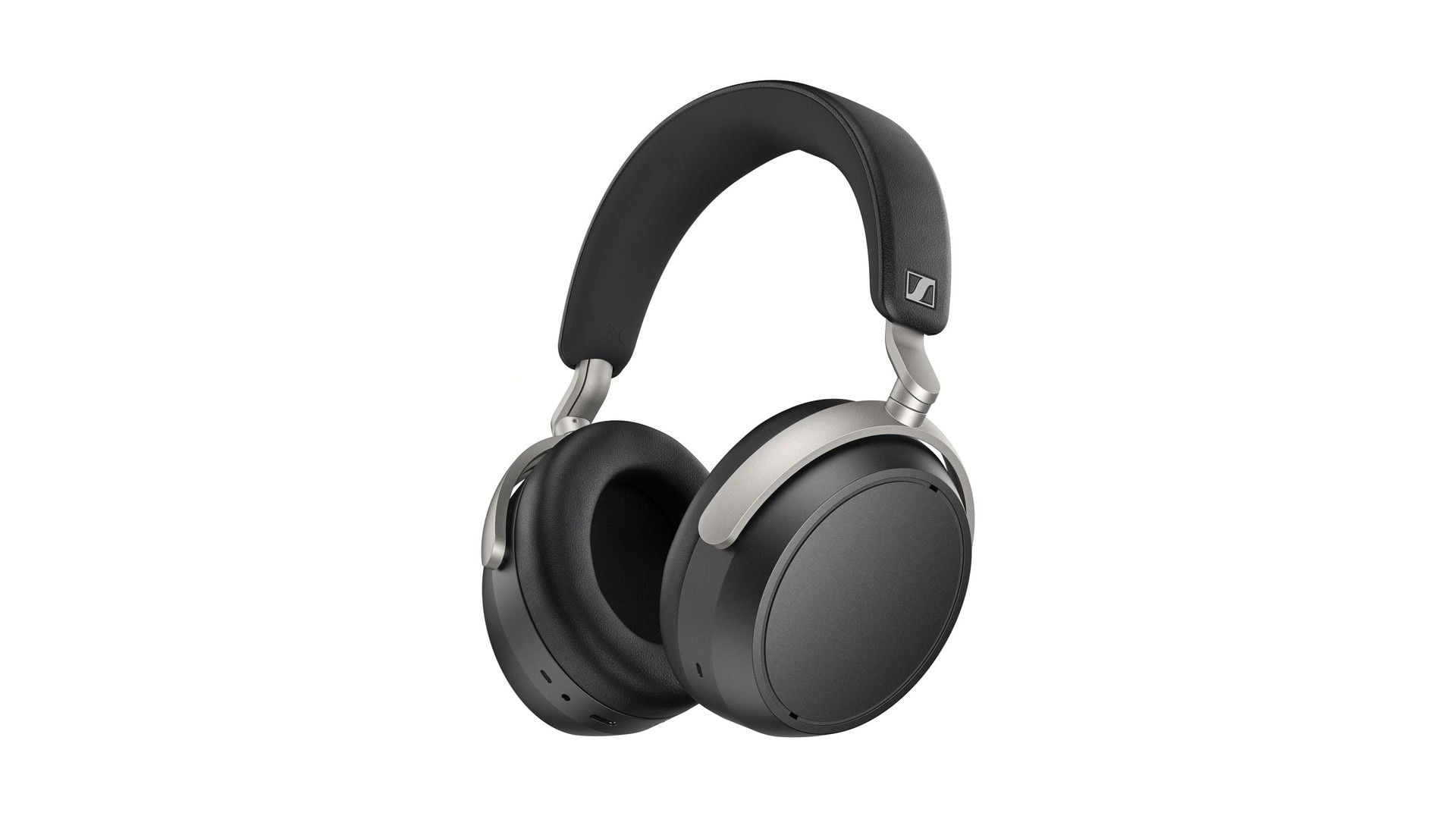
The Sennheiser HDB 630 is our best overall pick for balanced sound, precise EQ and the flexibility to handle desk listening and travel. Its combination of wireless playback, USB audio and adaptive noise cancellation makes it a strong choice for listeners who want one pair.
Technobezz is supported by its audience. We may get a commission from retail offers.
5 Best Headphones for Audio Quality in 2026
The Sennheiser HDB 630 leads our headphones guide for audio quality, with the FiiO FT1 Pro for wired value and picks for quiet rooms, commuting and recording.
T
Technobezz
Editorial Team
Updated September 29, 2026Sep 29, 2026
•9 min read

Get Deals Like These in Your Inbox
The best prices, reviewed weekly.
The right alternative depends on where you listen and the sound you enjoy. These picks cover affordable open-back planar listening, premium commuting and recording. Start with your listening environment, then weigh tuning, comfort and connection needs.
At a Glance
| Category | Product | Why We Picked It |
|---|---|---|
| Best overall | Sennheiser HDB 630 | Balanced sound, precise EQ and connections for home and travel |
| Best value | FiiO FT1 Pro | Open-back planar drivers and detachable cables at the lowest price here |
| Best for relaxed planar listening | HiFiMAN Edition XV | Open-back planar drivers and an adjustable headband for quiet rooms |
| Best for premium commuting | Bowers & Wilkins Px8 S2 | Detailed wireless sound with premium materials and useful travel features |
| Best for recording and monitoring | Beyerdynamic DT 1770 PRO MKII | Serviceable closed-back construction for recording and desk listening |
How we chose
We compared manufacturer specifications for driver design, connections and tuning options. Isolation and battery life shaped the travel picks, while fit and replaceable parts mattered for home and studio use. Each selection matches a distinct listening need.
The best audio quality headphones right now
Sennheiser HDB 630 - Best overall
The Sennheiser HDB 630 earns its overall spot by combining balanced sound with everyday flexibility. Parametric EQ gives you precise control over tuning, while crossfeed and adaptive noise cancellation expand its listening options.
Its connections are equally useful. USB audio supports playback up to 24-bit/96 kHz, and the included USB-C Bluetooth transmitter expands aptX Adaptive compatibility. With battery life rated at up to 60 hours, it suits both desk listening and travel. Its premium price remains the main tradeoff against a simpler wired pair.
Key highlights
- Closed-back over-ear design with 42 mm dynamic drivers
- Up to 60 hours of battery life
- aptX Adaptive, aptX HD, aptX, AAC and SBC
- USB audio up to 24-bit/96 kHz
- Parametric EQ, crossfeed and adaptive noise cancellation
- Included USB-C Bluetooth transmitter
Pros
- Balanced sound with everyday practicality
- Precise tuning through parametric EQ
- Included transmitter expands aptX Adaptive compatibility
- Long advertised battery life and USB audio
Cons
- Premium price compared with basic wired headphones
- Advertised high-resolution wireless playback requires the included transmitter with some sources
Who it's for
Listeners who want one sound-focused pair for music, desk use and travel without assembling a separate amplifier system.
Skip if
Your listening happens exclusively in a quiet room and an expansive open-back presentation comes first.
FiiO FT1 Pro - Best value
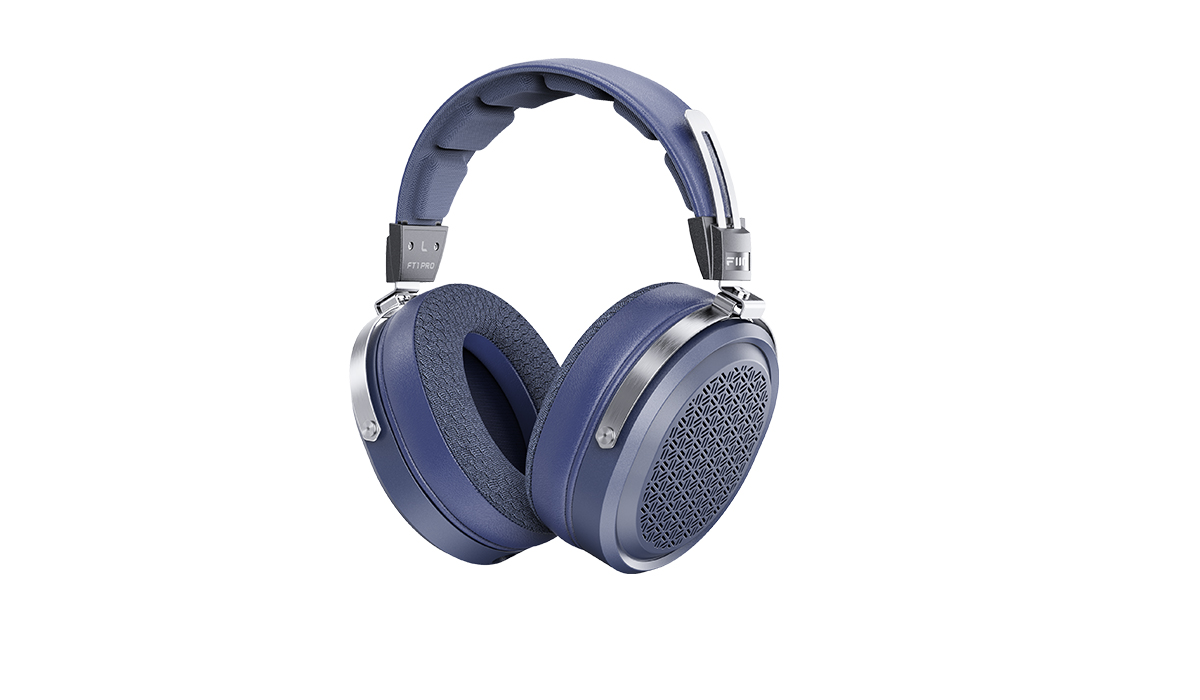
The FiiO FT1 Pro offers the lowest price in this lineup for listeners building a wired home setup. Its open-back design and 95 x 86 mm planar magnetic drivers suit a quiet room, where sound leakage is less of a concern.
FiiO specifies 20-ohm impedance, 95 dB/mW sensitivity and a weight of about 374 g. Detachable cables with 3.5 mm and 4.4 mm plugs give you a choice of headphone outputs. Fabric ear pads and an adjustable headband complete the design, but the substantial weight and open backs limit travel appeal.
Key highlights
- Open-back planar magnetic design
- 95 x 86 mm drivers
- 20-ohm impedance
- 95 dB/mW sensitivity at 1 kHz
- Included 3.5 mm and 4.4 mm source cables
- About 374 g
Pros
- Lowest price among these picks
- Detachable source cables included
- Fabric ear pads and adjustable headband
Cons
- Open backs leak music and admit room noise
- Wired connection needs a compatible headphone output
- Substantial weight for travel
Who it's for
Value-focused listeners seeking open-back planar headphones for a quiet home setup.
Skip if
You need listening privacy, wireless playback or a lightweight travel pair.
HiFiMAN Edition XV - Best for relaxed planar listening
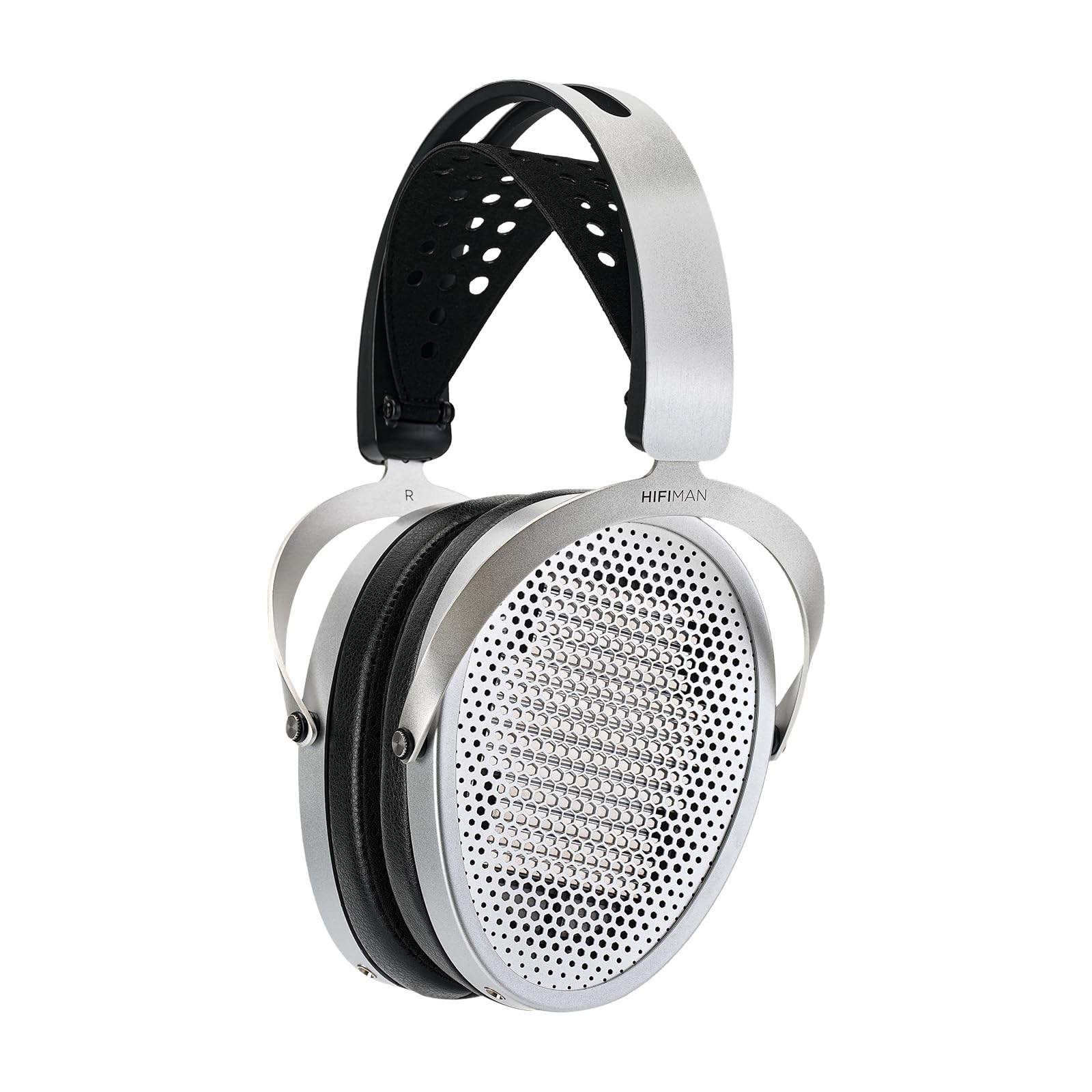
Set aside a quiet, private space for the HiFiMAN Edition XV. Its open-back design admits room noise and leaks music, making home listening its natural role. Planar magnetic drivers, large earcups and an adjustable suspension strap are central to the design. The 452 g weight is substantial, and the replaceable cable and ear pads are useful for ongoing maintenance. Choose it when a wired home setup suits your routine; low weight and portability are clear compromises.
Key highlights
- Open-back over-ear design
- Planar magnetic drivers
- 12-ohm impedance
- 452 g weight
- 1.5 m cable with 3.5 mm plug
- Included 6.35 mm adapter
Pros
- Planar magnetic driver design
- Replaceable cable and ear pads
- Adjustable suspension strap
Cons
- Substantial 452 g weight
- Open backs leak music and admit room noise
- Wired connection limits portable convenience
Who it's for
Home listeners seeking open-back planar headphones for sessions in a quiet room.
Skip if
Low weight, portability or listening privacy top your priorities.
Bowers & Wilkins Px8 S2 - Best for premium commuting
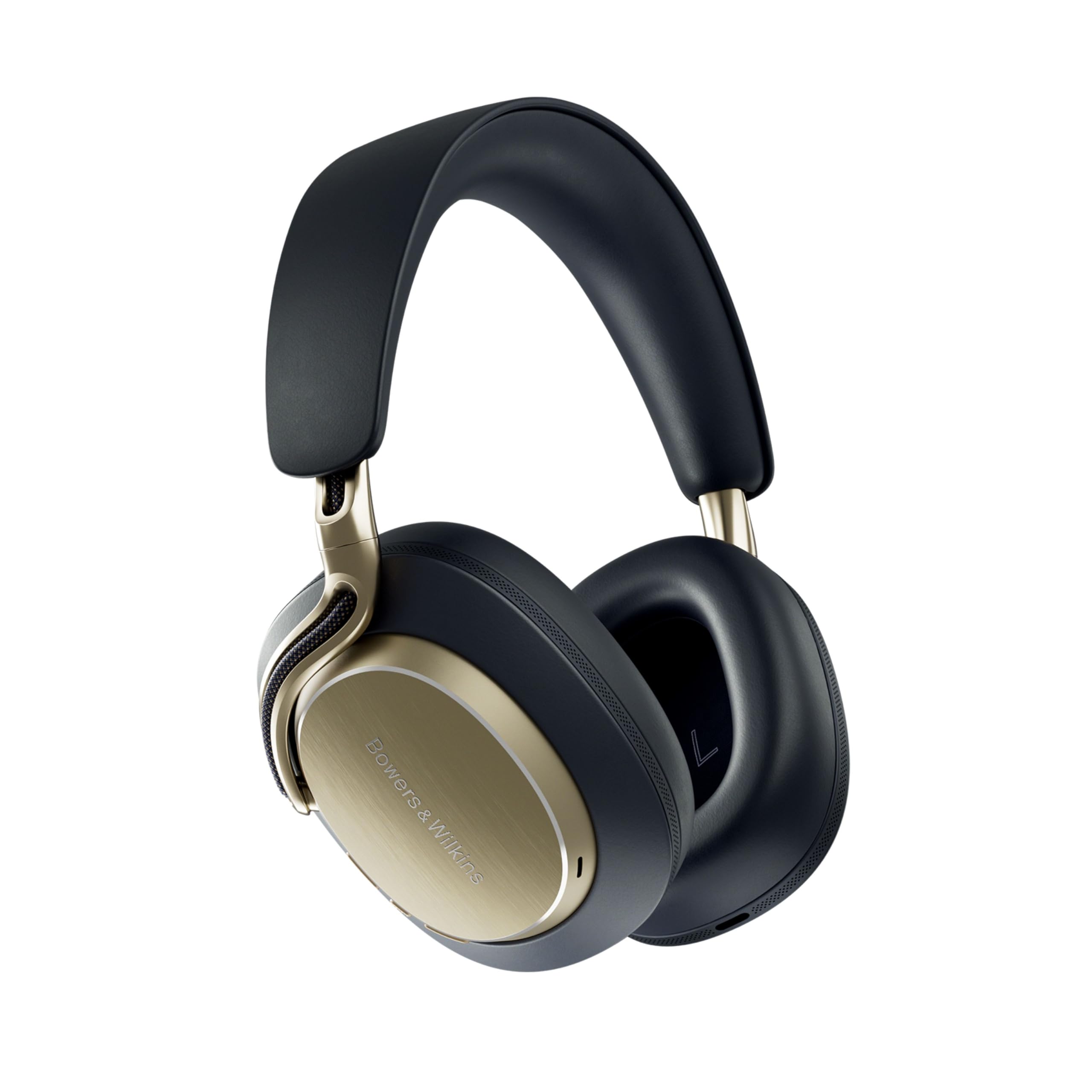
Daily travel puts controls, carrying convenience and charging alongside sound quality. The Bowers & Wilkins Px8 S2 brings physical controls, multipoint and a compact case, plus up to seven hours of playback from a 15-minute charge. Its 30-hour playback rating falls short of the Sennheiser HDB 630's advertised endurance.
Carbon-cone drivers and leather and aluminum construction give this pair its appeal. Five-band EQ adjusts the tuning, while USB-C audio and broad Bluetooth codec support offer several connection options. Analogue wired playback still requires battery power, and aptX Lossless requires both a compatible source and suitable connection conditions.
Key highlights
- Two 40 mm full-range carbon drivers
- Bluetooth 5.3 with aptX Lossless and aptX Adaptive
- 30 hours of playback
- 15-minute charge provides up to seven hours
- ANC, multipoint, USB-C audio and five-band EQ
- 310 g weight
Pros
- Five-band EQ for adjusting the sound
- Premium leather and aluminum construction
- Compact carrying case
- USB audio and broad wireless codec support
Cons
- Analogue wired playback still requires battery power
- Expensive relative to mainstream wireless headphones
- aptX Lossless needs a compatible source and suitable connection conditions
- Shorter advertised battery life than the Sennheiser HDB 630
Who it's for
Daily travelers who value premium sound, physical controls and upscale construction.
Skip if
The longest battery life or passive playback with an empty battery is your main goal.
Beyerdynamic DT 1770 PRO MKII - Best for recording and monitoring
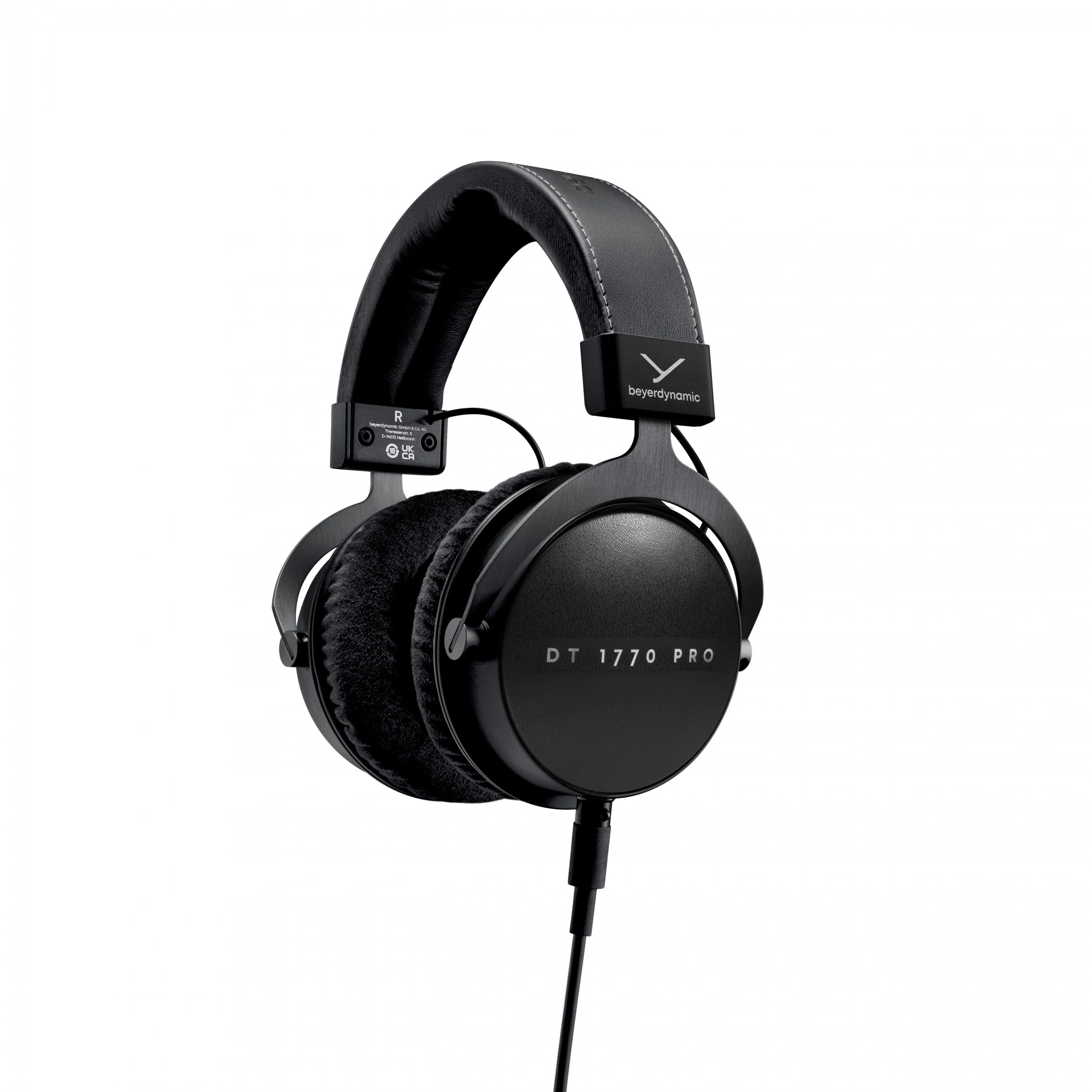
Replaceable pads, headband components and a detachable mini-XLR cable make the Beyerdynamic DT 1770 PRO MKII a practical choice for ongoing studio use. Beyerdynamic describes the velour pads as comfortable with a balanced sound, and the leatherette pads as offering stronger isolation from outside noise.
Closed construction suits recording near microphones. The 30-ohm design and supplied 3.5 mm plug with a 6.35 mm adapter accommodate a range of headphone outputs, while the replaceable parts make sense for a pair you plan to keep.
Plan to keep it at a desk. Its 377 g weight without the cable, bulky construction and long supplied cables limit portable convenience, and voice chat requires a separate microphone.
Key highlights
- Closed-back wired over-ear design
- 45 mm TESLA.45 dynamic drivers
- 30-ohm impedance
- 95 dB SPL sensitivity at 1 mW/500 Hz
- 377 g without cable
- Velour and leatherette pads, straight and coiled cables, and hard case
Pros
- Closed construction suits recording near microphones
- Replaceable components and detachable cable support maintenance
- Two pad types offer different tonal balances
- 3.5 mm plug and 6.35 mm adapter included
Cons
- Heavy and bulky for portable use
- Wired only with no built-in microphone
- Long supplied cables are cumbersome for phone use
Who it's for
Recording users and desk listeners who want a serviceable closed-back headphone for monitoring and music.
Skip if
You need wireless mobility, an integrated voice-chat microphone or lightweight travel headphones.
How to Choose
- Choose for your listening environment. Open-back headphones leak music and admit surrounding noise, making them best suited to quiet, private rooms. Closed-back construction alone does not guarantee strong isolation. For transport, prioritize effective active noise cancellation.
- Pick the tonal balance you enjoy. Bass weight, vocal prominence and a spacious presentation serve different preferences. EQ on the Sennheiser HDB 630 and Bowers & Wilkins Px8 S2 lets you adjust tuning to taste. Driver size alone cannot rank sound quality.
- Check your source and connections. Bluetooth codecs require support from your source device. USB audio offers a wired option on compatible devices, and the Sennheiser HDB 630 includes a USB-C transmitter that expands aptX Adaptive compatibility.
- Match amplification to the headphone. Consider sensitivity, impedance and your source's output together. Insufficient volume or headroom gives you a reason to consider an amplifier; a low or high impedance figure alone does not.
- Prioritize fit and maintenance. Weight, clamp and pad fit affect comfort during long sessions. Check replacement-pad and cable availability, especially for a pair you plan to keep. Powered wireless headphones also need a model-specific check for battery requirements during wired playback.
- Confirm the exact model before ordering. Match the model name, construction, finish, condition and included accessories. The FiiO FT1 Pro pick here is the open-back planar model in blue.
Can people nearby hear open-back headphones?
Yes. Open-back headphones leak music outward and let surrounding noise in. Choose a quiet, private room when listening privacy matters; they are a poor fit for shared offices and airplanes.
How do I decide if I need a headphone amplifier?
Consider sensitivity and impedance alongside your source's output and your preferred listening level. Insufficient volume or headroom is a reason to add amplification. Impedance alone does not determine the need, and an expensive amplifier is not a requirement for every headphone.
Does a larger driver mean better sound quality?
No. Driver size alone does not rank tonal balance or tell you which headphone you will enjoy. Choose around your preferences for bass weight, vocal prominence and presentation.
Will my phone use every Bluetooth codec a headphone supports?
Only codecs supported by both the phone and headphone are available. Check the complete connection path before buying for a particular codec. aptX Lossless also requires suitable connection conditions.
Does plugging in a cable let wireless headphones play with a dead battery?
A cable does not guarantee playback with a dead battery. Powered wireless headphones can remain battery-dependent during wired use. Check the specific model's passive-playback support before relying on it.
Share this article
More in News
Best HP Printers in 2026
The HP OfficeJet Pro 9125 is our top HP printer for 2026, backed by strong budget, photo, wide-format and color laser choices.
3 min read
6 Best Rechargeable AA and AAA Batteries in 2026
Panasonic Eneloop AA leads our rechargeable AA and AAA picks, with Amazon Basics for bulk value and Eneloop Pro for demanding devices.
4 min read
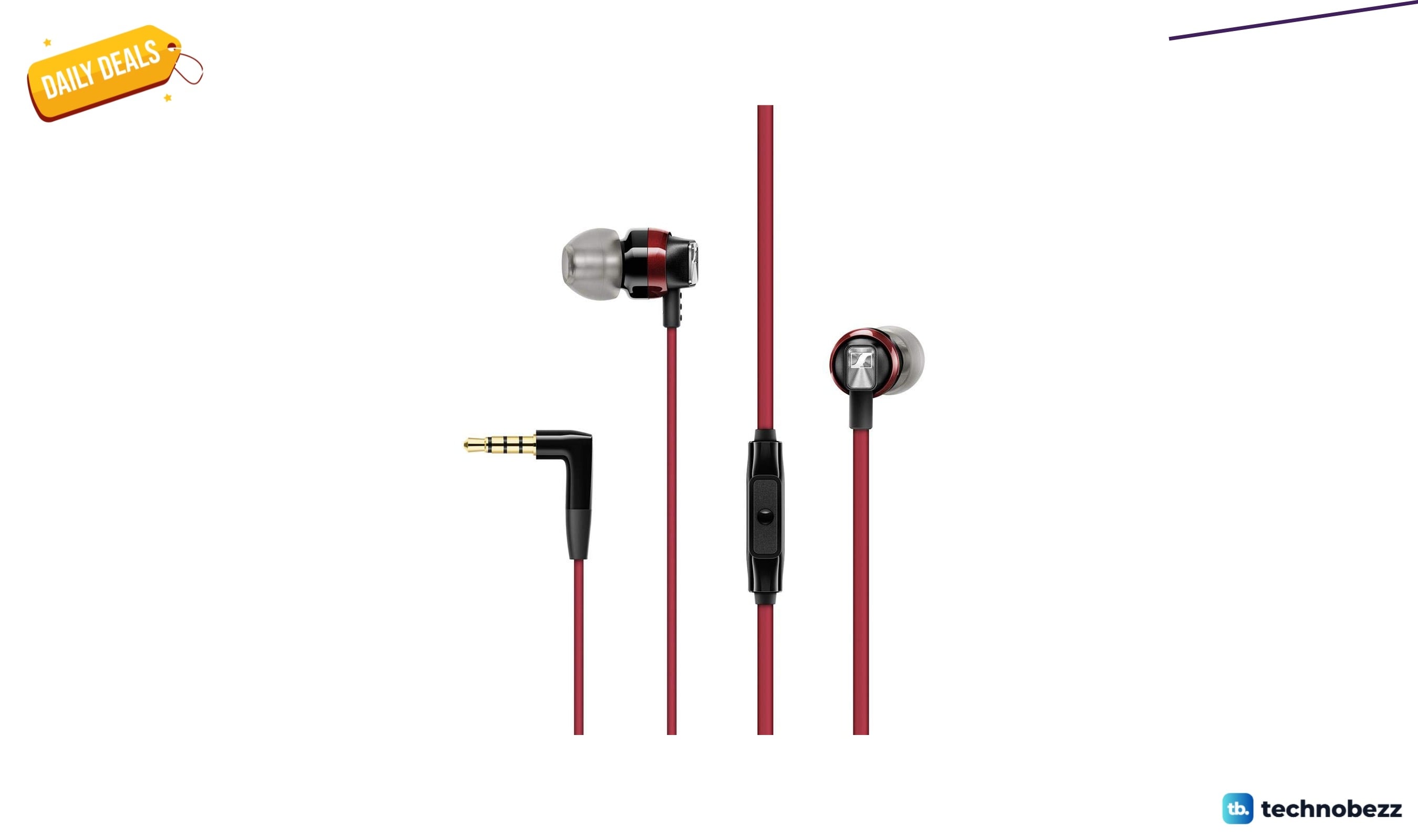
Three headphone deals hit record lows with prices starting at $29.70
Save up to 41% on three headphones at record-low prices, including Sennheiser earbuds for $29.70 and JBL models for gaming and travel.
3 min read

Toshiba 55-inch G700 ArtVision 4K UHD Smart discounted to $899.99
Save $800 on the Toshiba 55-inch G700 ArtVision 4K UHD Smart TV, now $899.99 at Amazon, matching its lowest price ever.
3 min read
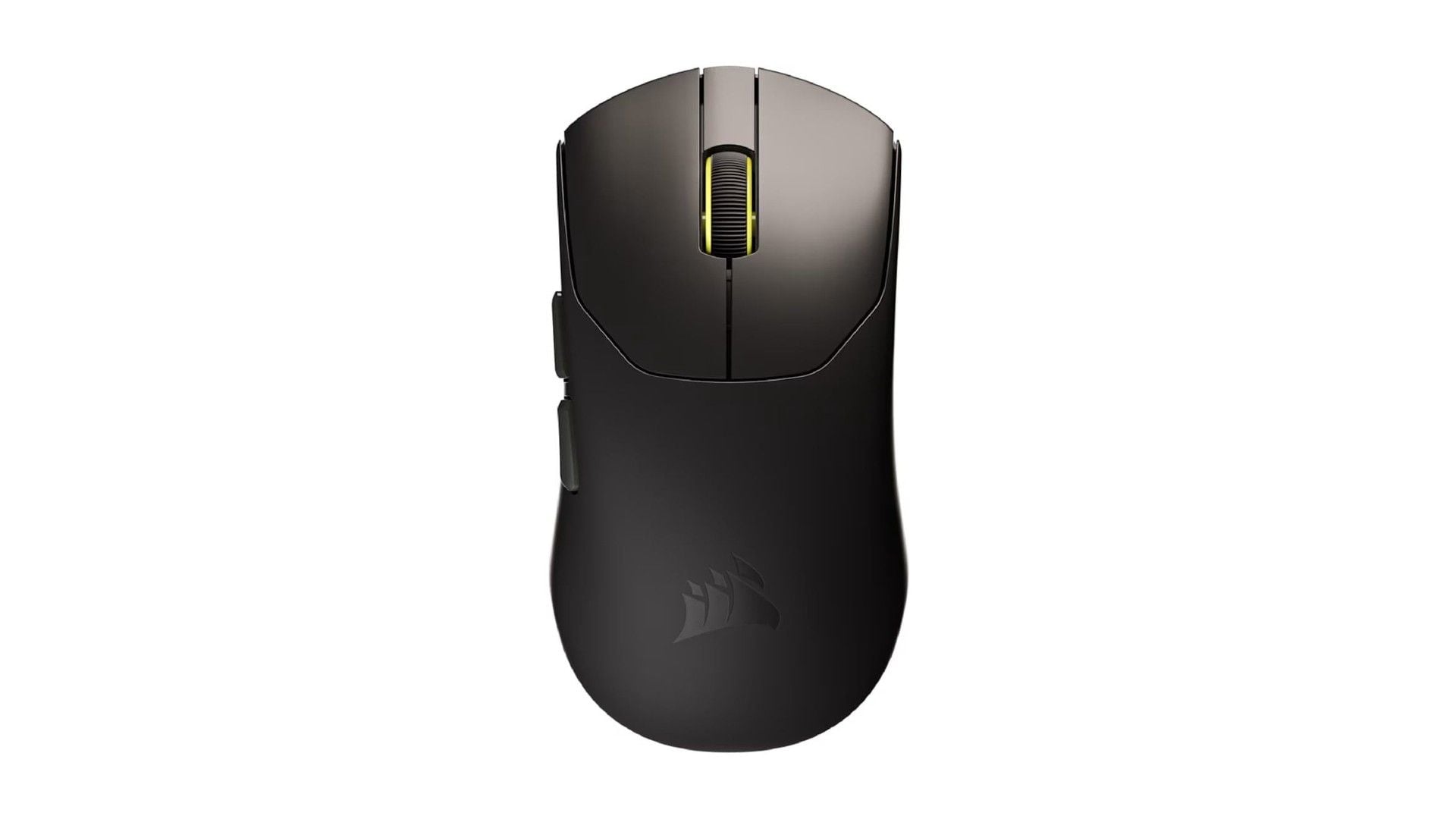
Best Corsair Mice in 2026
3 min read
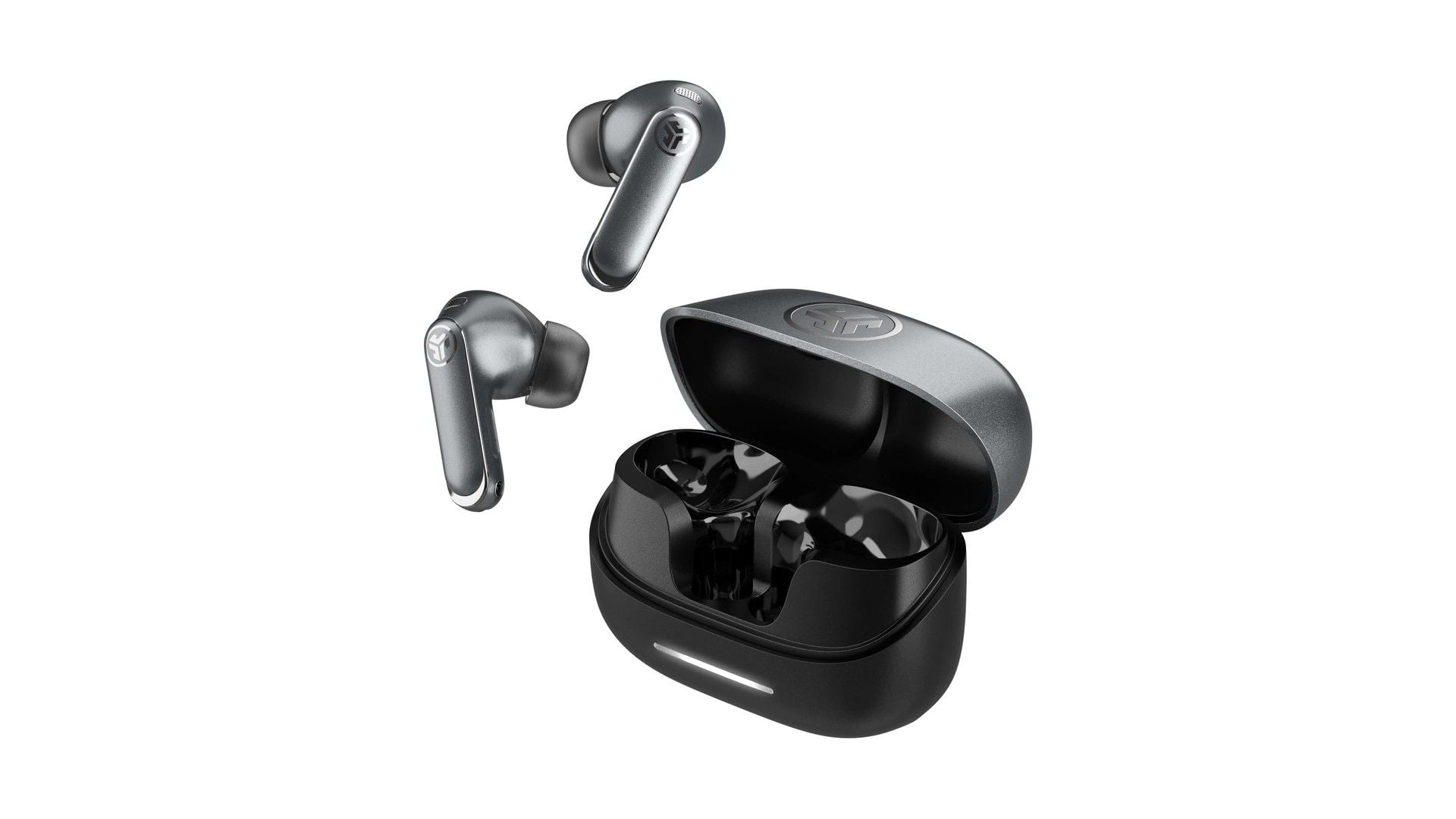
Best JLab Earbuds in 2026
4 min read
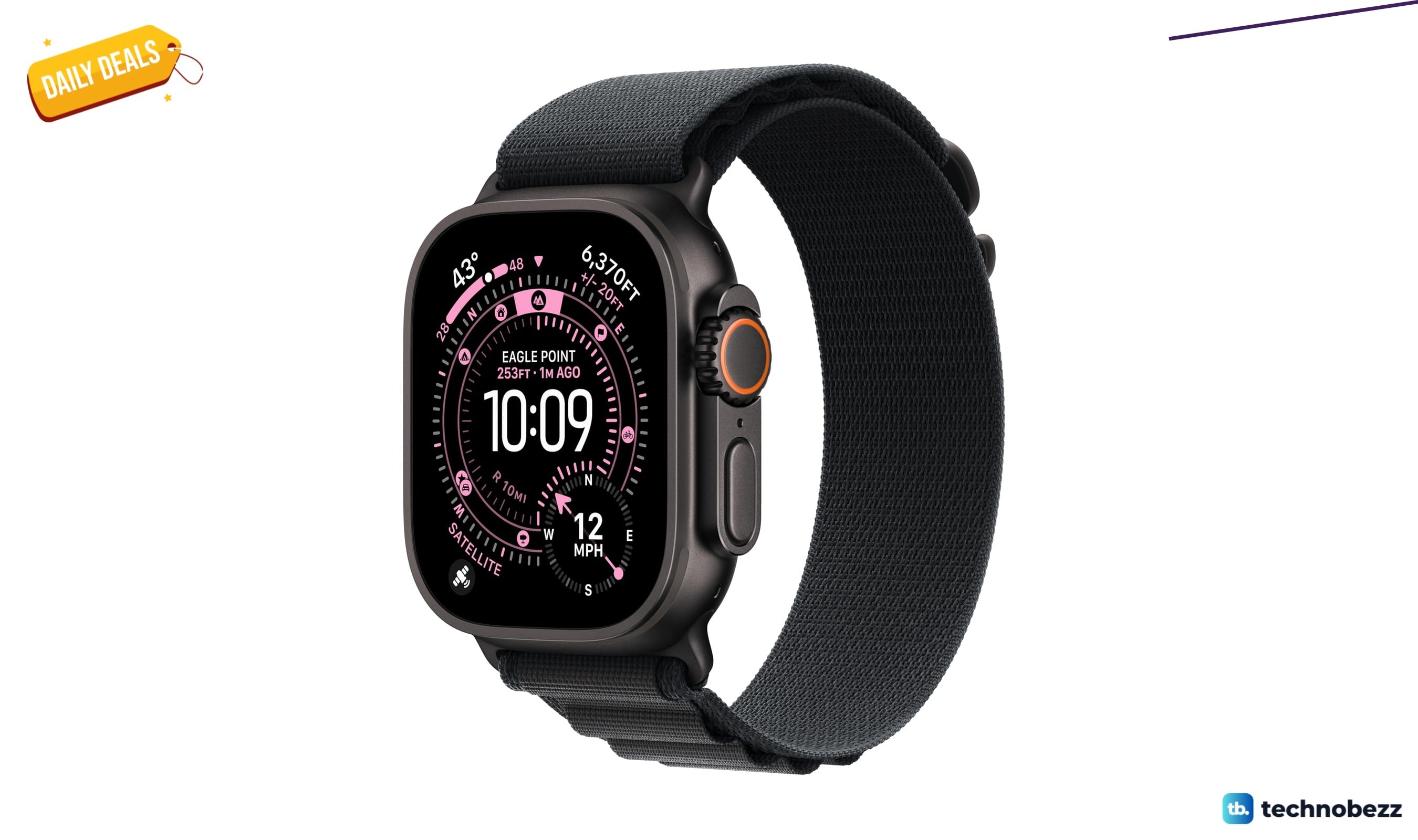
Apple Watch Ultra 3 [GPS + Cellular marked down to $699
4 min read

LG 34GX900A-B Ultragear WQHD OLED Curved Gaming Monitor down to $699.99 in latest price cut
3 min read
Wensdo Bulk Earbud Headphones 24 Pack now selling for $102.86
5 min read
Samsung 65-inch QN70H price drops to $897.99
4 min read

Lenovo coupon codes and deals
5 min read

LG coupon codes and deals
4 min read