
Salesforce and Microsoft have announced Copilotforce, a partnership that will let salespeople use Microsoft Copilot to work with Salesforce customer information and carry out supported CRM actions. Salesforce says sellers will be able to assess opportunities and prepare for customer meetings using information drawn from their records, workplace conversations, email and documents.
The companies introduced the partnership at Microsoft Ignite on November 17, alongside integrations involving Microsoft Teams and Microsoft Fabric. Availability differs across those integrations: Sales Cloud in Teams remains in pilot, while customers can already use Salesforce Data 360 to query supported Microsoft Fabric OneLake data. Pricing for the integrations was not disclosed.
Read more: AWS and Salesforce Link CRM Data and AI Agents Across Everyday Tools
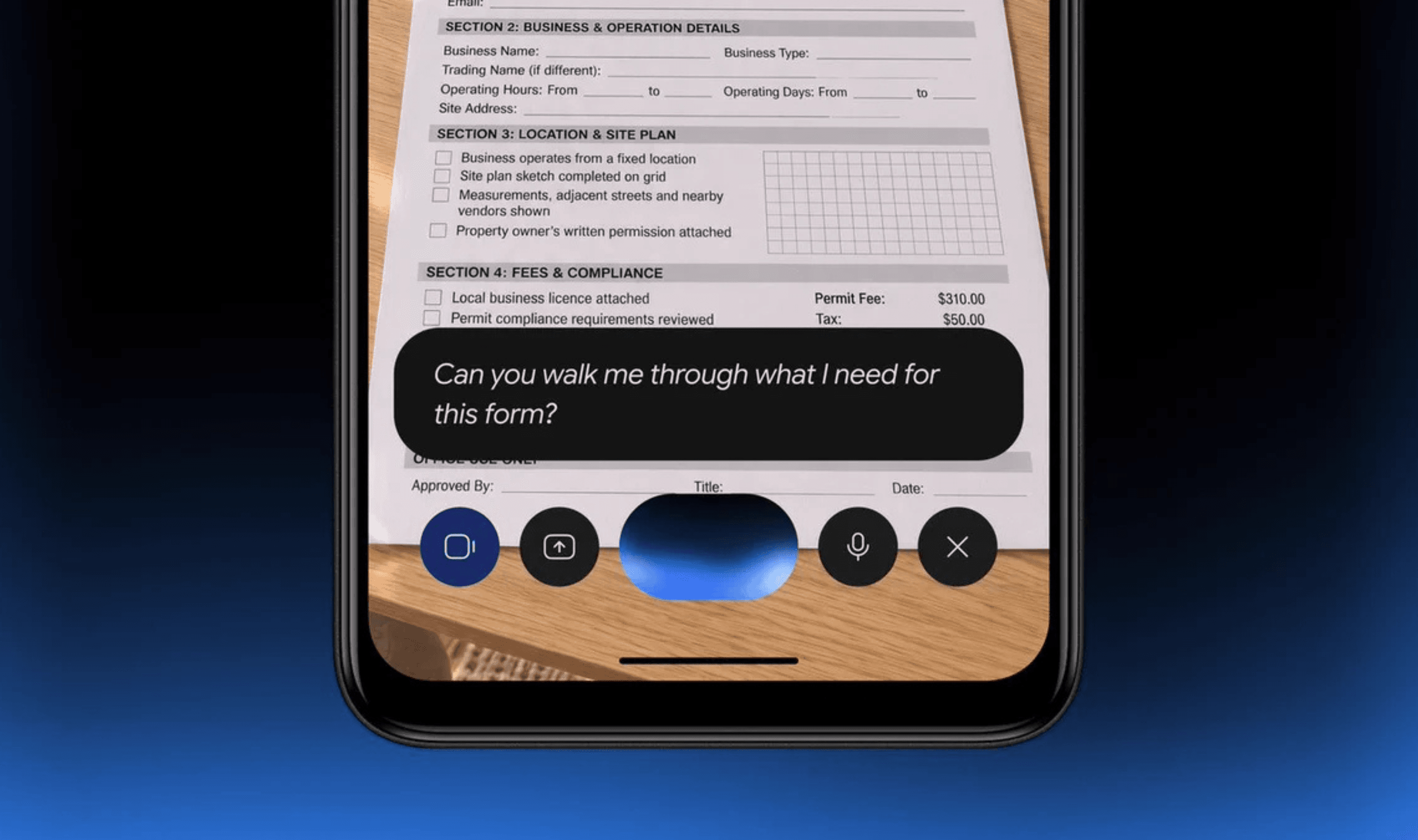
Within Copilot, Salesforce says sales and revenue staff will be able to request answers in everyday language and initiate Salesforce actions without leaving Copilot. Work IQ will combine Salesforce information with workplace context, including Outlook email and documents held in OneDrive and SharePoint. Planned uses include assembling meeting briefs from account records and transcripts, identifying risks to deals, and creating plans for closing opportunities inside PowerPoint and Word.
The Teams integration will let sellers change supported opportunity fields through interactive cards, with those edits saved to Salesforce. Salesforce says users will also receive deal alerts, see progress against quotas and share records securely in deal rooms. Agentforce Coworker will help sellers act on information inside Teams, with updates synchronized to Salesforce.
Salesforce says authenticated access will retain permissions, record sharing controls and audit histories across the two environments. Users must explicitly confirm supported changes written back to the CRM, and those changes remain subject to existing validation rules. Salesforce will govern access to its data and supported actions, while Microsoft will apply existing enterprise compliance policies to communications and documents.
The data connection lets supported OneLake information stay in Fabric while customers analyze it through Data 360. In the other direction, organizations will be able to share selected Data 360 customer information into Microsoft OneLake for analytics and AI work without keeping duplicate datasets. Accenture is helping design and implement the integrations and is deploying them within its own global sales organization.