
Meta is pitching its Muse AI assistant at people who run their own companies, adding skills and connectors aimed at small business owners. The assistant had already launched in the US and Canada, where it handles tasks on a user's behalf, and the new tools extend that to work rather than personal chores. Muse remains free for most needs, according to Meta, with subscription plans for users who want more, though the announcement puts no price on them.
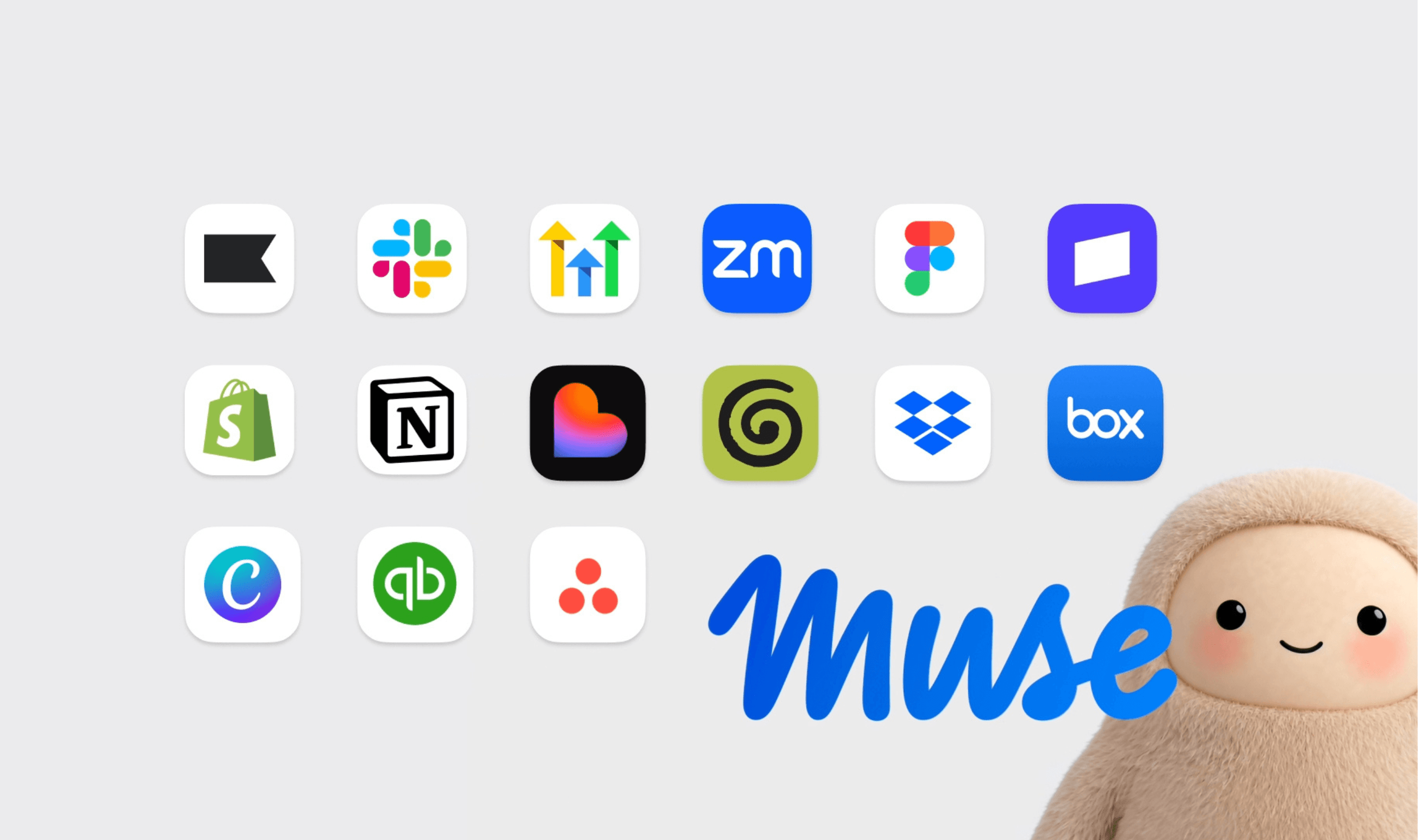
The connectors hook Muse into the accounts a small business already runs. Owners can link an Instagram professional account, a Facebook Page or a Meta ad account in a few clicks. Muse also picks up context about what a business sells, how it sounds and the questions customers ask, according to the announcement. Beyond Meta's own services, the assistant connects to dozens of tools businesses already use, spanning brand, storefront, bookkeeping and customer records. The full list sits in the Muse app settings, and Meta says more connectors are coming.
Read more: Meta Rolls Out Muse Spark 1.3 With Coding and Agentic Gains
For services Muse does not cover, businesses can build their own connectors, and partners can apply through muse.ai/platform. Meta also published five of its favorite ways to use Muse to help newcomers get started. Meta says Muse will also surface ideas on its own, flagging emails awaiting a reply and writing first drafts. An Ideas tab inside the app suggests further uses.
Meta put a customer in front of the pitch. Tom Mulholland, who owns Mulholland Grocery in Malvern, Iowa, said the job spreads him across roles he was never trained for. "I work about 65 hours a week, and there are so many things where I’m the only one who can do them. I need to free up time for the work that actually makes my business money: cutting the steaks, making the sausages. I’m very good at what I do, but that doesn’t mean I’m good at all of the different roles a small business owner has to play, and Muse is taking over a few of them."
Canva co-founder and CPO Cameron Adams described the connector between the two products as a way to keep a company's own material in the conversation. "Muse is an exciting leap towards agents that genuinely help us work, create and make our lives easier. It can help you start to organise your ideas and help them take shape, but the real magic happens when it’s fully connected to your existing work, your context and your brand. By connecting Muse with Canva, all of that becomes part of your conversations. Whether you’re launching a side hustle or polishing a presentation, your favourite Canva templates and tools are right there when you need them; helping you turn an early idea into something on-brand, editable and ready to share."
The small business push lands days after Meta used Connect 2026 to show new Muse features, connectors and what it called a state-of-the-art model. Muse reached users earlier in September, arrived with dozens of partners and the full Shopify catalogue, and Meta says it will arrive on its AI glasses in coming months. Meta has spent the month widening Muse's reach: Muse Code entered beta for macOS and Linux, running from a single install command rather than a dedicated app.
Meta has also been building out paid tiers alongside the free assistant. Meta One, introduced on September 15, bundles plans for individuals, creators and businesses while the core apps and Meta AI experience stay free. The Meta Enterprise Platform followed as what the company described as its next major business pillar.