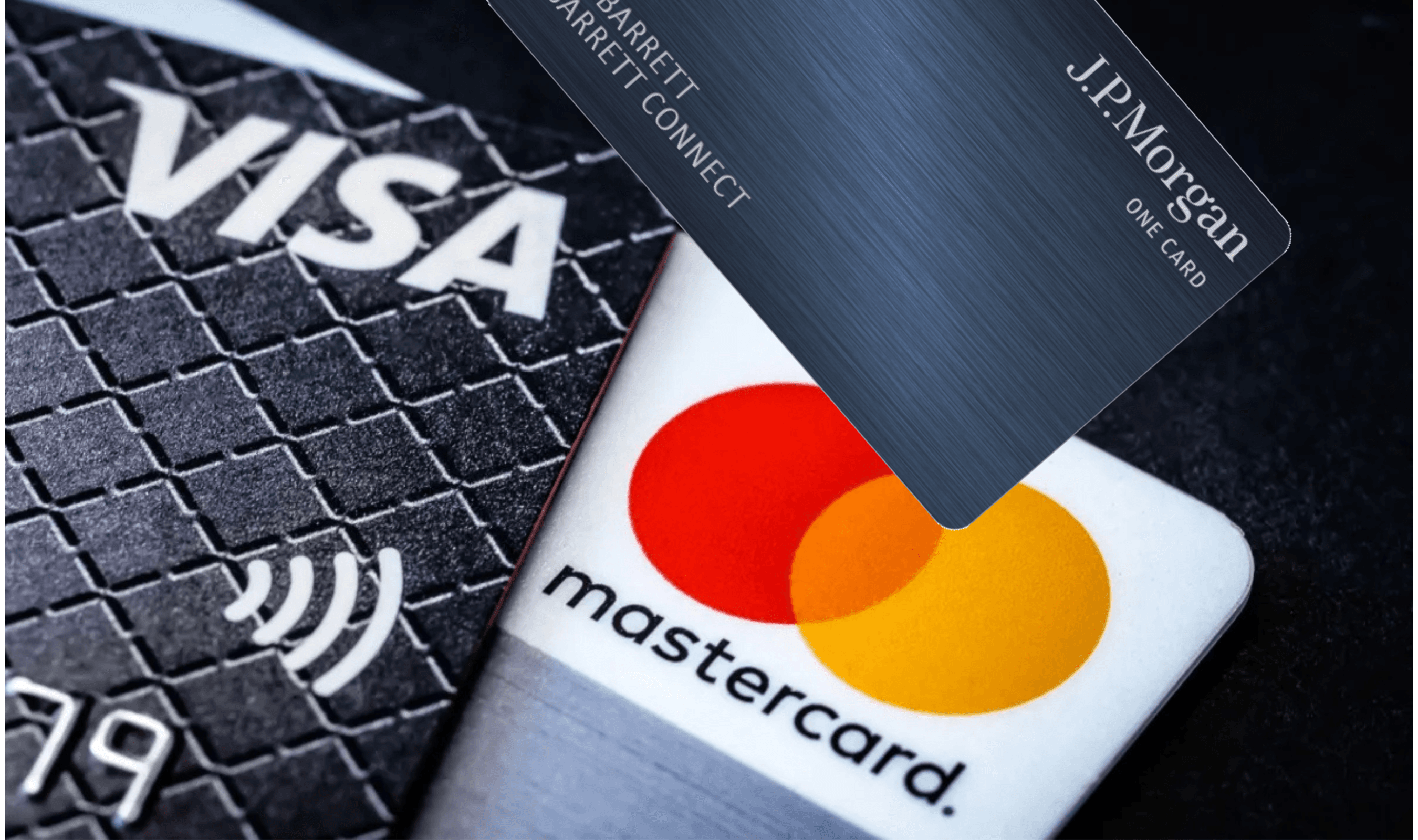
The n0n extortion gang has published customer data linked to JPMorgan Chase, Visa and Mastercard after breaches at outside service providers, according to Bitdefender. The exposed information reportedly includes email addresses, telephone numbers and restaurant reservations, giving potential impersonators details they could use when approaching customers. All three financial companies acknowledged incidents involving vendors after appearing on the gang's dark web site this week.
JPMorgan Chase said it believed attackers obtained marketing information stored by vendors, potentially including customers' names and email addresses, while its services continued without disruption. Mastercard said its payment network was unaffected and customers could keep using their cards. Those operational assurances sit alongside reports that customer information was exposed through the companies' service providers.
Bitdefender cited Reuters as reporting that the JPMorgan Chase material contained over 16,000 email addresses belonging to customers, plus apparent email addresses for about 124 bank employees. Telephone numbers and postal codes accompanied some customer records. Separately, n0n claimed its haul covered hundreds of thousands of interactions with JPMorgan Chase marketing campaigns, a broader claim than the email counts Reuters reported.
For Visa, Bitdefender cited Cybernews as reporting records concerning more than 6,000 premium cardholders enrolled in dining programmes across Asia-Pacific. The reported records covered restaurant reservations and customers' messaging app choices, alongside names and telephone numbers. Visa identified the breached provider as being based in Asia Pacific, without naming the company.
According to Bitdefender, n0n gave each financial company 48 hours to negotiate before publishing the information, and none paid. The security company described n0n as a suspected Russia-based group that had claimed approximately 200 corporate victims within a couple of months of beginning operations. Researchers cited by Bitdefender said the gang typically gains entry with valid credentials acquired through information-stealing malware or attacks against remote access services; the entry method in these vendor breaches remains unknown.
Bitdefender warned that criminals could use the exposed details to pose as bank staff through unsolicited calls, texts or emails. It also cautioned that scammers might invoke the breach to offer supposed compensation or ask customers to verify accounts. Its advice to anyone uncertain about a message or call is to reach their bank through its published telephone number.