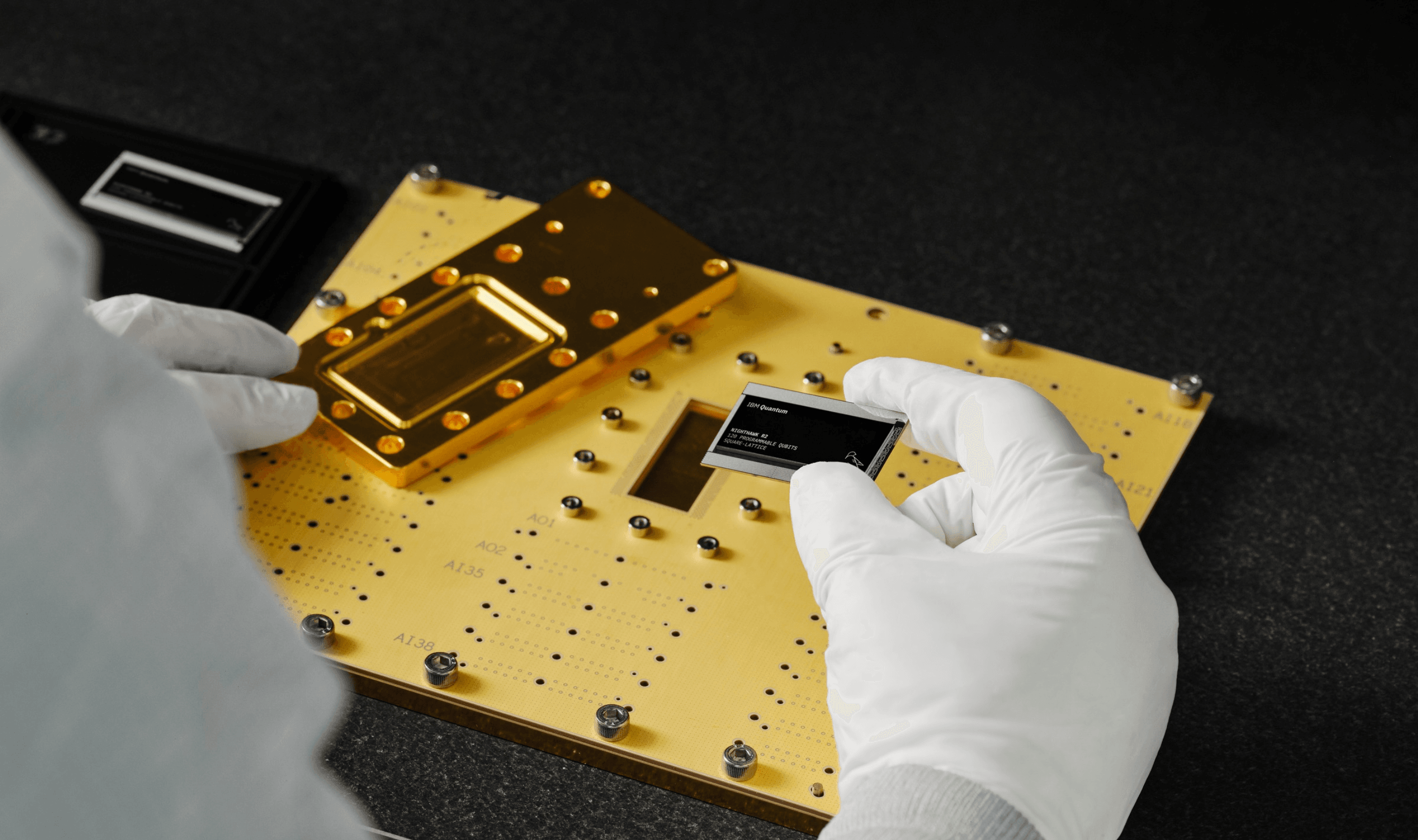
IBM introduced IBM Quantum Nighthawk r3 today, with a design targeting 10,000 accurate quantum operations across 520 programmable qubits for larger, more complex computations. The company plans to join two of the processors in 2027, creating a system with 1,040 qubits. Its existing Nighthawk r2 processor is available now, while the announcement gave no availability date for r3.
The proposed r3 raises the programmable qubit count from r2's 120 to 520, while its operation target compares with more than 7,500 supported by r2. IBM says r3 will carry forward the current processor's speed and square lattice connections, adding 10 links between chips called l-couplers. The design includes 2,034 physical qubits in total, distinct from the 520 programmable qubits.
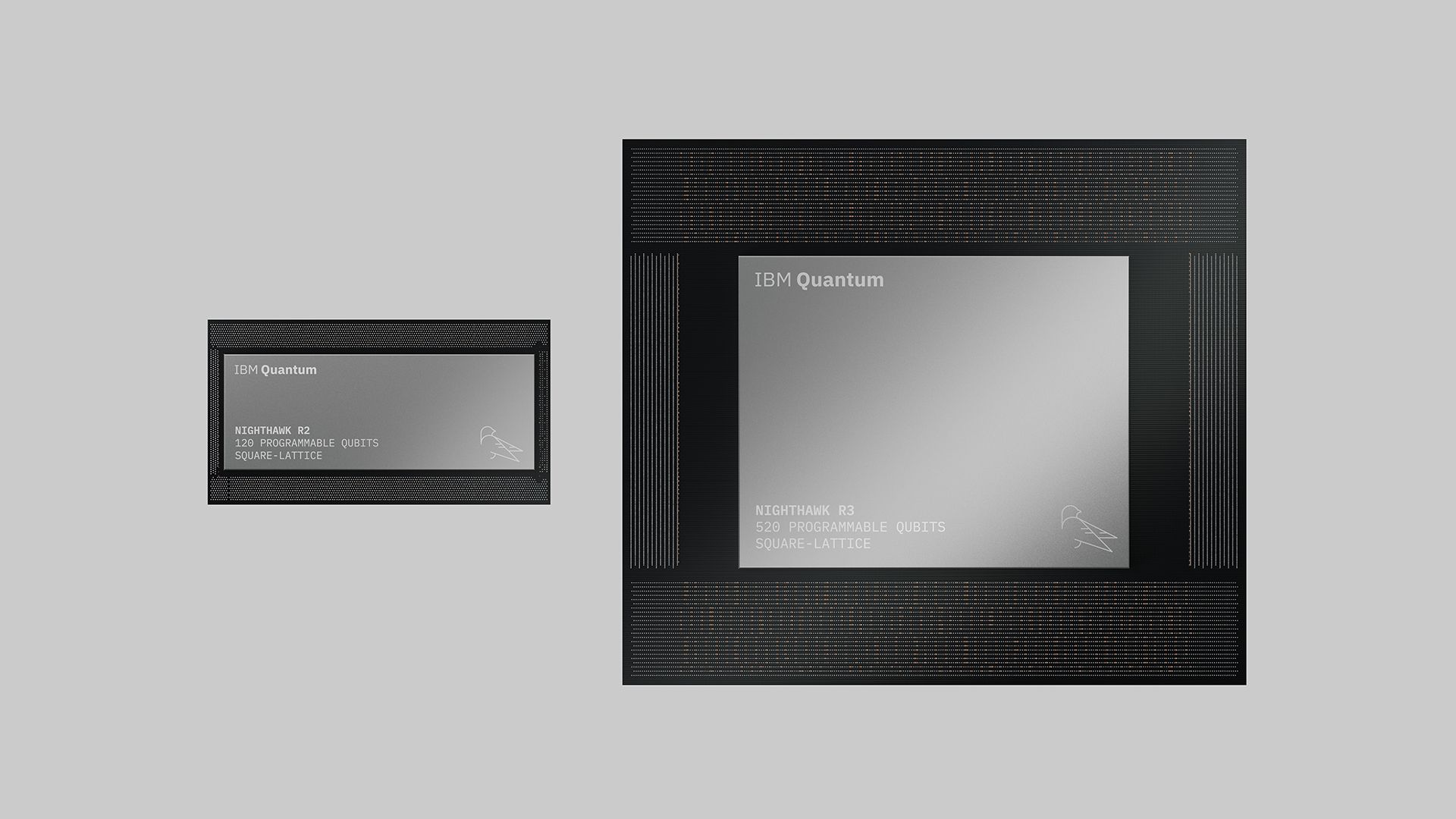
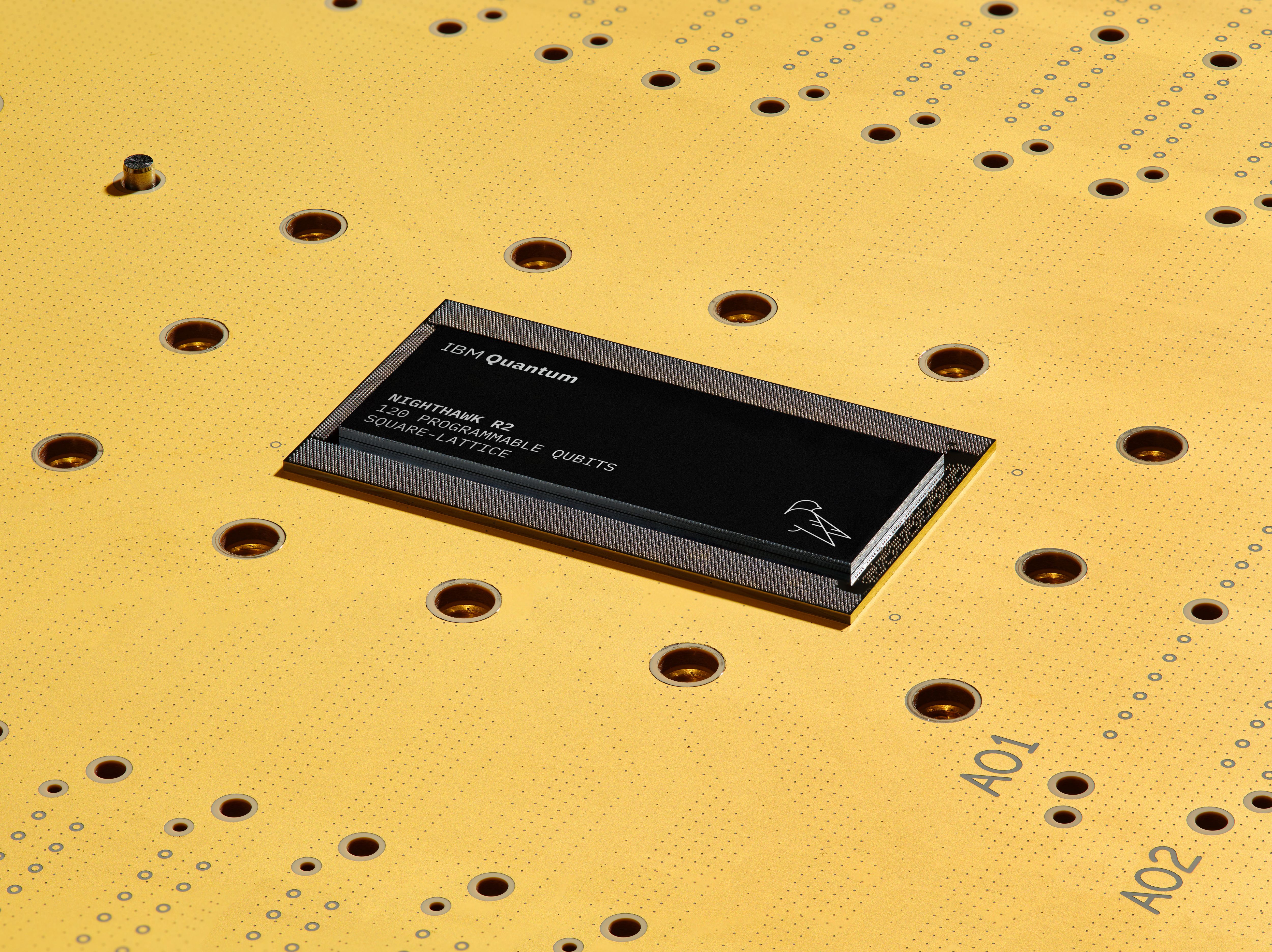
Nighthawk r2, introduced in September, can produce up to 100,000 samples each second, according to IBM. Customers and partners, including Q-CTRL, have run 34 billion circuits on it, with reported performance gains as high as 19x over earlier IBM quantum processors. IBM attributes part of that speed to technology that resets qubits quickly, shortening the wait between circuit runs.
Among specific workloads, E.ON reported a 15x acceleration for quantum machine learning applied to optimizing energy grids compared with earlier work using IBM Quantum Heron. IBM also reported a 12x improvement over Heron when repeating a magnetic materials experiment conducted earlier this year with Oak Ridge National Laboratory. An Algorithmiq materials simulation ran eight times faster on r2 than the original Heron experiment, according to IBM.
IBM has already tested the connections needed for its planned larger systems, joining Nighthawk r1 processors through four l-couplers this year. That work achieved quantum state transfer fidelity of 99.3 percent, below the company's 99.9 percent target. IBM also joined two cryogenic modules, cooling the combined system to its operating temperature within five days and reaching below 15 millikelvin.
Alongside the processor plans, IBM Quantum Platform now lets users combine quantum workflows with classical computing resources, including newly available high-performance computing capacity. IBM and RIKEN scientists used the environment to run their original sample-based quantum diagonalization workflow roughly five times faster while carrying out 100 times more computations. Cleveland Clinic and RIKEN also used workflow automation to process 608 million samples for biological structure modeling, achieving a reported 33x speed improvement over processing without that automation.