
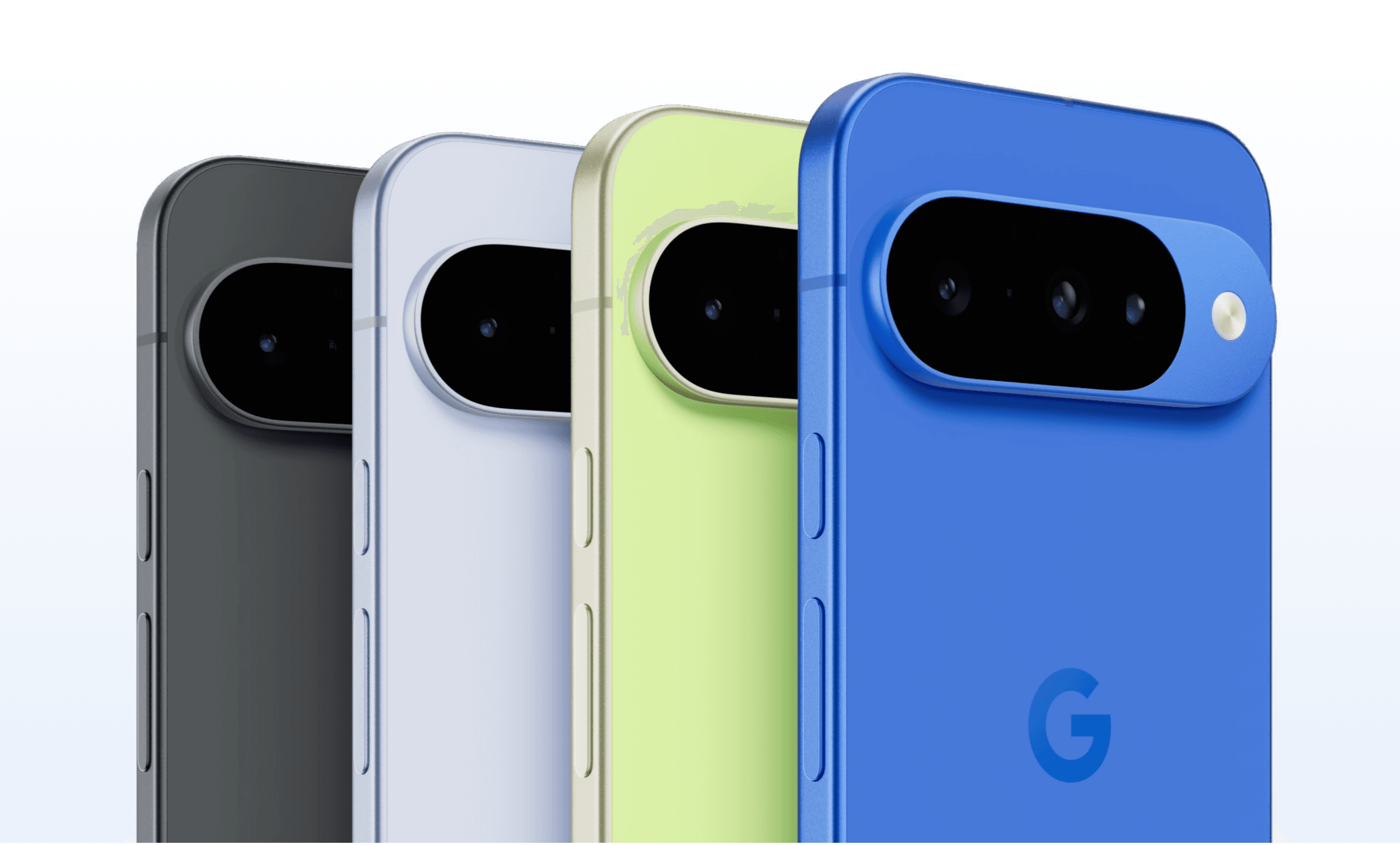
Google's December Pixel update introduced a flickering always-on display bug affecting Pixel 10 devices. The issue emerged after users installed Android 16 QPR2 earlier this week.
Pixel 10 owners report the display flickers during wireless charging, clock updates, and phone unlocks. Some users describe a "hard flicker" when the screen refreshes, while others experience a black screen for one second during transitions.
The bug appears limited to Pixel 10 models according to social media reports. Older Pixel devices from the Pixel 6 series onward received the same December update without similar display issues.
Google's December changelog included fixes for battery reporting errors, emergency calling problems, and audio crashes. Community Manager Kush M. announced the rollout would continue through next week in phases based on carrier and device compatibility.
This marks the second display-related problem for Pixel 10 since its August 2025 launch. Users reported screen blackouts during transitions in September, which Google addressed with a subsequent update.
The only current workaround involves disabling always-on display in settings. Users can navigate to Settings > Display & touch > Always-on display and toggle the feature off.
Google has not issued an official statement about the flickering bug. Industry analysts suggest any fix would likely arrive with the January 2026 security patch rather than a mid-month hotfix.
Multiple Pixel 10 owners documented the issue on Reddit and Google's support forums. Reports indicate the problem occurs consistently when the screensaver activates during wireless charging or when notifications appear.
The December update also introduced AI-powered notifications, lock screen widgets, and custom icon shapes alongside the bug fixes. All supported Pixel devices running Android 16 qualify for the update, which began rolling out December 4.
Pixel's update pattern continues a trend where monthly patches introduce new issues while resolving existing ones. The company's December changelog emphasized improvements to display performance, battery management, and Bluetooth stability.
Users experiencing the flicker can manually check for updates through system settings. Google typically releases follow-up patches for widespread hardware-specific bugs within several weeks.
The Pixel 10's display problems highlight ongoing quality control challenges for Google's flagship smartphone line. Similar issues affected earlier Pixel models, though the frequency appears higher with the latest generation.
Industry observers note that display flickering could indicate deeper software-hardware integration problems. The always-on display feature relies on precise timing between the operating system and screen hardware components.
Google's support team has not provided estimated resolution timelines. The company's standard procedure involves collecting user reports before developing targeted fixes for specific device configurations.
Pixel 10 owners can submit bug reports through the device's feedback system. Detailed descriptions of when flickering occurs help engineers reproduce and diagnose the underlying cause.
The December update's firmware version BP4A.251205.006 reached most regions globally. Separate builds exist for EMEA, Japan, and Verizon customers in the United States.
Display performance improvements were part of the December update, with reports indicating Google addressed screen flickering and blackout issues affecting Pixel 10 and foldable devices.
Battery performance improvements included corrected charge icon displays and refined 80% charge limit behavior. Bluetooth stability enhancements reduced intermittent pairing problems with accessories.
System reliability upgrades featured better memory management and smoother picture-in-picture performance. Google also strengthened emergency calling reliability for the Pixel 6 series.
Camera stability issues affecting Pixel 9 and 10 devices received attention in the update. Audio performance refinements and Wi-Fi stability improvements completed the comprehensive patch package.
The flickering bug's limited scope suggests a software conflict specific to Pixel 10's display drivers. Similar issues appeared in Android 16 QPR1 beta builds earlier this year but were reportedly resolved before stable release.
Google's update deployment follows a staged rollout model to catch problems before widespread distribution. The current flickering reports emerged within days of the update reaching early adopters.
Pixel's quality assurance process faces increased scrutiny as the brand expands its premium smartphone offerings. Consistent display problems across multiple generations challenge Google's hardware reliability narrative.
The company maintains detailed support threads for tracking update-related issues. Community managers monitor user feedback and escalate widespread problems to engineering teams.
Display technology represents a competitive differentiator in the premium smartphone market. Persistent visual artifacts undermine user experience and brand perception for Google's flagship products.
Google's January security patch development window provides opportunity for a display flicker fix. The company typically bundles non-security fixes with monthly updates rather than releasing standalone patches.
Pixel 10 owners awaiting resolution can disable always-on display temporarily. The feature consumes minimal battery but provides convenient access to time, notifications, and media controls.
The December update's positive aspects include enhanced connectivity and system stability improvements. Google addressed multiple long-standing issues while inadvertently introducing the display flicker regression.
Industry analysts recommend affected users document their experiences with video evidence. Clear reproduction steps help development teams prioritize and resolve software-hardware interaction bugs.
Google's hardware division operates independently from its Android development teams. This organizational structure sometimes creates coordination challenges for device-specific software optimizations.
The Pixel 10's display uses LTPO OLED technology capable of variable refresh rates. Software conflicts with refresh rate management could explain the flickering behavior during screen state transitions.
Google's update certification process involves carrier testing in key markets. The flickering bug's absence from pre-release testing suggests limited device configuration exposure during quality assurance.
Pixel's market position relies heavily on software integration and timely updates. Display quality issues contradict Google's emphasis on premium hardware experiences matching its software expertise.
The company faces increasing competition from Samsung and Apple in the premium Android segment. Consistent hardware reliability represents a baseline expectation for devices competing at Pixel 10's price point.
Google's support documentation recommends factory resets for persistent software issues. This nuclear option resolves many problems but requires significant user data backup and restoration effort.
The flickering bug's timing coincides with holiday shopping season returns and exchanges. Display problems could influence purchasing decisions and customer satisfaction during peak retail periods.
Google's hardware business represents a strategic priority despite modest market share. The company invests heavily in Pixel development to showcase Android capabilities and drive ecosystem growth.
Display technology advancements continue evolving with higher refresh rates and adaptive brightness. Software must maintain precise synchronization with these hardware features to prevent visual artifacts.
The Pixel 10's second display issue within four months suggests accelerated development timelines. Google's annual hardware release schedule may compress testing periods below industry standards.
Industry best practices involve extensive beta testing with diverse device configurations. Google's Android beta program includes thousands of participants but may not capture all real-world usage scenarios.
The company's response to the flickering bug will demonstrate its commitment to post-launch support. Timely fixes build customer loyalty while delayed resolutions erode trust in premium product promises.
Pixel's integration of Google's AI and machine learning capabilities represents a key selling point. Display reliability forms the foundation for showcasing these advanced software features effectively.
The smartphone market's maturation increases consumer expectations for flawless out-of-box experiences. Google must balance innovation pace with rigorous quality assurance to maintain competitive positioning.
Display flickering represents a particularly noticeable defect given constant screen interaction. The always-on display's persistent visibility amplifies any visual imperfections during normal usage.
Google's engineering teams likely prioritize display issues given their immediate user impact. The company's resource allocation between new feature development and bug fixes reflects strategic product management decisions.
The Pixel 10's market performance influences Google's broader hardware ambitions. Consistent quality problems could slow adoption momentum and limit ecosystem expansion opportunities.
Industry observers monitor Google's response time for widespread hardware-software issues. The company's track record includes both rapid fixes and prolonged resolution periods depending on problem complexity.
Display technology represents one of smartphone's most expensive components. Quality control failures in this area carry significant financial implications beyond customer satisfaction concerns.
Google's manufacturing partners share responsibility for hardware quality assurance. The company's supply chain management must balance cost considerations with reliability requirements for premium components.
The Pixel 10's display supplier remains unspecified in public documentation. Google typically sources OLED panels from multiple manufacturers to ensure supply chain resilience and competitive pricing.
Software-induced display problems sometimes require coordinated fixes between Google and component suppliers. These collaborations can extend resolution timelines beyond typical software patch cycles.
The smartphone industry's rapid iteration pace creates challenges for comprehensive testing. Google's position as both platform developer and hardware manufacturer provides unique integration advantages.
Display flickering during specific usage scenarios suggests timing or synchronization issues. These problems often stem from software assuming hardware response characteristics that vary between production batches.
Google's quality control processes include automated testing across device configurations. The flickering bug's emergence suggests gaps in test coverage for always-on display behavior during state transitions.
The company's machine learning capabilities could enhance bug detection through anomaly recognition. Analyzing user-reported issues might identify patterns invisible to traditional testing methodologies.
Pixel's market differentiation increasingly relies on AI-powered features rather than hardware specifications. Display quality represents table stakes for premium devices regardless of software innovations.
Google's brand reputation for reliable software faces hardware integration challenges. The company must demonstrate consistent quality across both domains to justify premium pricing.
The December update's widespread bug fixes indicate Google's awareness of existing problems. The introduction of new display issues represents an unfortunate regression in otherwise comprehensive maintenance.
Industry standards for display quality continue rising with each generation. Google must match or exceed competitor reliability to maintain credibility in the premium smartphone segment.
The flickering bug's psychological impact exceeds its functional limitations. Visual imperfections create perception of overall product quality regardless of other feature strengths.
Google's customer support channels provide official documentation for issue reporting. The company's responsiveness to user feedback influences brand loyalty and repeat purchase intentions.
Pixel's position within Google's ecosystem creates cross-selling opportunities for services. Hardware reliability directly affects adoption of complementary products like Google One and YouTube Premium.
The smartphone market's saturation increases importance of customer retention. Display problems during ownership period influence upgrade decisions and brand switching behavior.
Google's hardware ambitions extend beyond smartphones to tablets, wearables, and laptops. Consistent quality across product categories builds brand trust and ecosystem cohesion.
Display technology represents a visible manifestation of engineering excellence. Google must demonstrate mastery of both software and hardware integration to compete effectively.
The December update's timing during holiday season amplifies bug impact. Users receiving new devices expect flawless experiences during initial setup and usage periods.
Google's update deployment strategy includes gradual rollouts to minimize widespread problems. The flickering bug's detection within days suggests significant user impact despite controlled distribution.
Industry analysts will monitor Google's January update for flicker resolution. The company's response speed provides insight into engineering prioritization and quality assurance improvements.
Pixel's long-term success depends on balancing innovation with reliability. Google must address recurring display issues to maintain credibility as a premium hardware manufacturer.
The smartphone industry's competitive landscape leaves little room for persistent quality problems. Google's response to the Pixel 10 display flicker will demonstrate its commitment to excellence.