
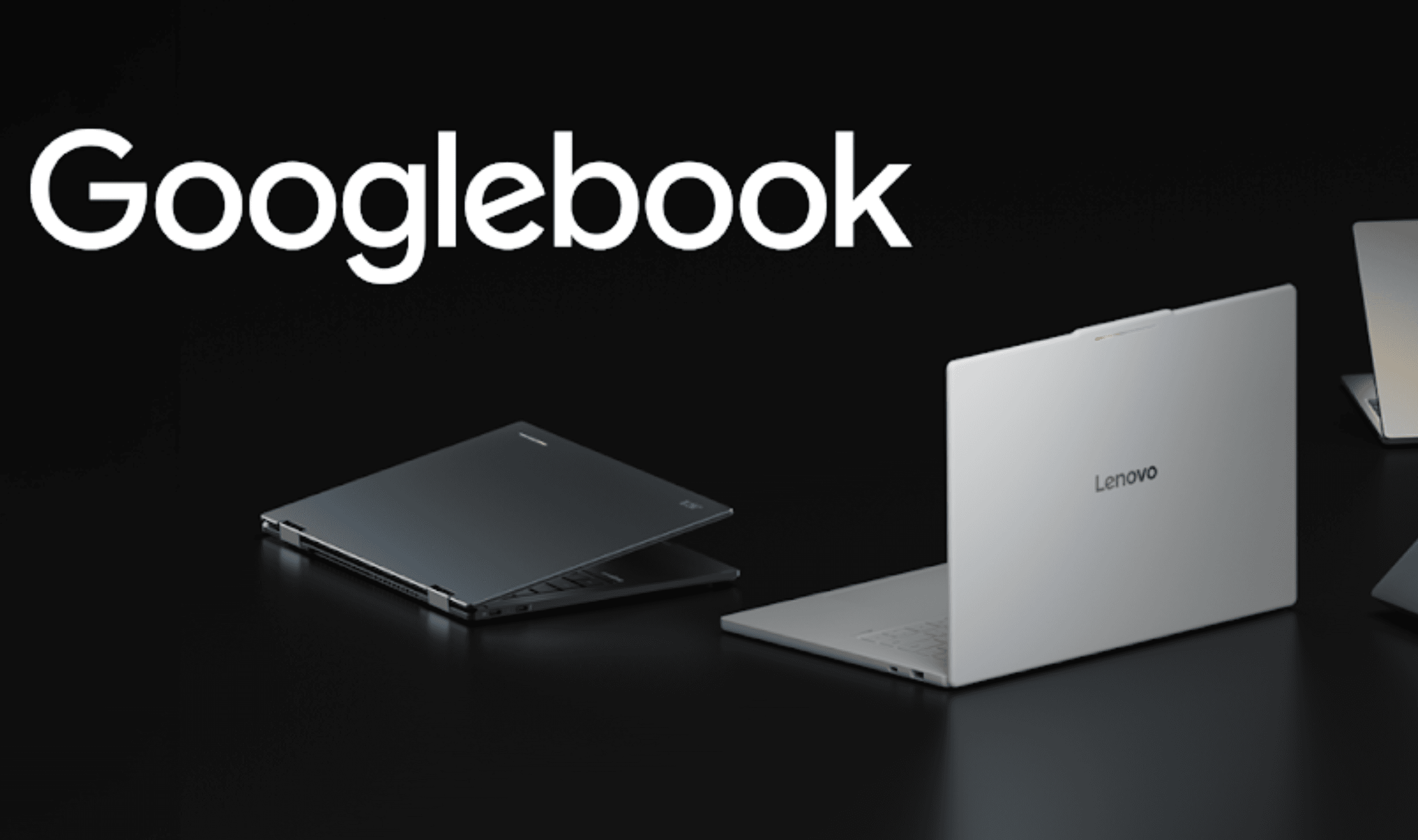
Googlebook laptops are here, and Android apps are meant to run on them without a separate build. The new laptop category rests on a shared Android foundation, with hardware from HP, Dell, Lenovo, Acer and Asus, high-resolution OLED touchscreens, dedicated keyboards, precision trackpads, all-day battery life and OS-level Gemini Intelligence, according to Android Developers. Google pitches the machines as a bridge between quick phone interactions and longer laptop sessions.
For developers, the payoff is visibility. Google Play will badge optimized titles, improve their search placement and feature them on curated store homepages. Apps that meet that bar can also enroll in the Apps Experience Program, which Google says comes with a new program rate card. When someone sets up a Googlebook from an Android phone, optimized apps are highlighted for transfer, giving them day-one presence on the new device.
The company's central claim is that no ground-up rebuild is required. Adaptive development, meaning layouts that already respond to window size classes and multiple input types, is what Google says makes an app ready for Googlebooks. Instead of stretching a phone interface across a wide screen, an adaptive layout regroups content into panes that expand, reflow or reveal more detail as the window changes. Google points developers to Navigation 3 scene strategies, including ListDetailSceneStrategy and SupportingPaneSceneStrategy, for side-by-side layouts when space allows, along with Grid and FlexBox primitives and, the post says, MediaQuery and Styles APIs it describes as experimental and still to come.
Google also wants layouts to follow the window rather than the panel. In free-form desktop windowing, windows can be resized at any moment, so the guidance is to respond to available space using window size classes instead of physical display dimensions. The design advice covers larger type scales for desktop viewing distances, maximum line widths for readability and explicit click targets to cut misclicks.
Desktop-specific features are the next layer. Jetpack Compose supports physical keyboard navigation and pointer selection, and Google suggests contextual cursors, right-click menus, hover states and a Keyboard Shortcuts Helper so shortcuts can be found. Apps can run in multiple independent windows for side-by-side work, with drag and drop moving text, images and files between them or onto an empty workspace to start a new task. Continue On carries a task across phones, tablets and Googlebooks in both directions, passing state such as document position or active tabs through HandoffActivityData, with optional web fallbacks.
Notability is the example Google offers. The note-taking app's earlier work on tablets and foldables meant its canvas and toolbars reflowed during window resizing, and its keyboard and trackpad support carried over. "We had already been targeting first-class experiences for tablets and foldables," said Ryan Shea, Android Engineering Manager at Notability, adding that scaling to a laptop-class experience was mostly turning a dial the team had already built.
Testing runs through the desktop emulator in Android Studio, which can be downloaded in its Canary channel to check free-form resizing, multi-instance behavior and mouse, trackpad and keyboard input. Google also says an adaptive skill can give AI agents the context to help rework phone layouts as responsive Compose containers, and the skill installs through the Android CLI. The announcement does not list prices or ship dates for the partner laptops. The push follows Google's May preview of Googlebook, when Acer, Asus, Dell, HP and Lenovo were named as the first five hardware partners and Google said devices would arrive in a range of shapes and sizes that fall. Dell's XPS Googlebook, priced from $999, went on sale this week at Best Buy and Google Stores, with Dell.com sales to follow in October.