

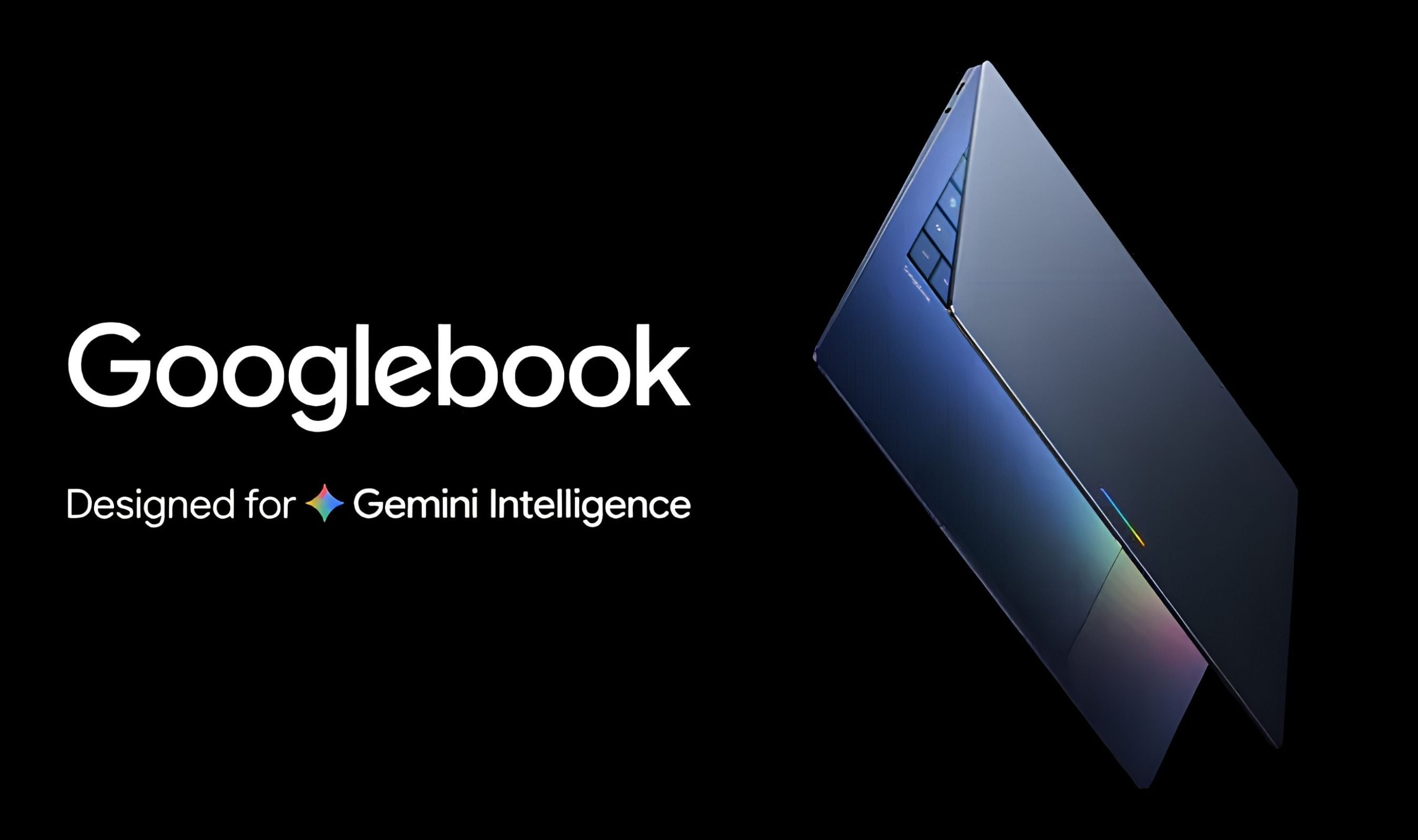
Fifteen years after launching the Chromebook, Google is replacing it with something fundamentally different: a laptop category called Googlebook, built on Android with Gemini Intelligence at its core.
Google previewed the Googlebook at The Android Show on Tuesday, exactly 15 years and one day after the first Chromebook was announced on May 11, 2011. The timing is not accidental. This is a torch-passing moment.
Googlebooks are not Chromebooks with a new name. They run on Android's technology stack, not ChromeOS, and are "the first laptops designed from the ground up for Gemini Intelligence," according to Google Senior Director Alex Kuscher.
Google framed the transition bluntly in its official announcement: computing is moving "from an operating system to an intelligence system."
Three features define the platform. Magic Pointer turns the cursor into a Gemini trigger, wiggle it over anything on screen and contextual suggestions pop up.
Point at a date in an email to schedule a meeting, or select two images to composite them together. Create My Widget lets users describe what they want in natural language, and Gemini generates a custom widget pulling data from Gmail, Calendar, and the web.
Cast My Apps is Google's answer to iPhone mirroring on Macs. Android 17 users get one-click access to any phone app on the Googlebook screen without downloading or emulation.
Quick Access extends file browsing across devices, letting users grab files from their phone directly through the laptop's file manager.
Google is not building the hardware itself. Acer, Asus, Dell, HP, and Lenovo are the first five partners, with devices arriving in a range of shapes and sizes this fall.
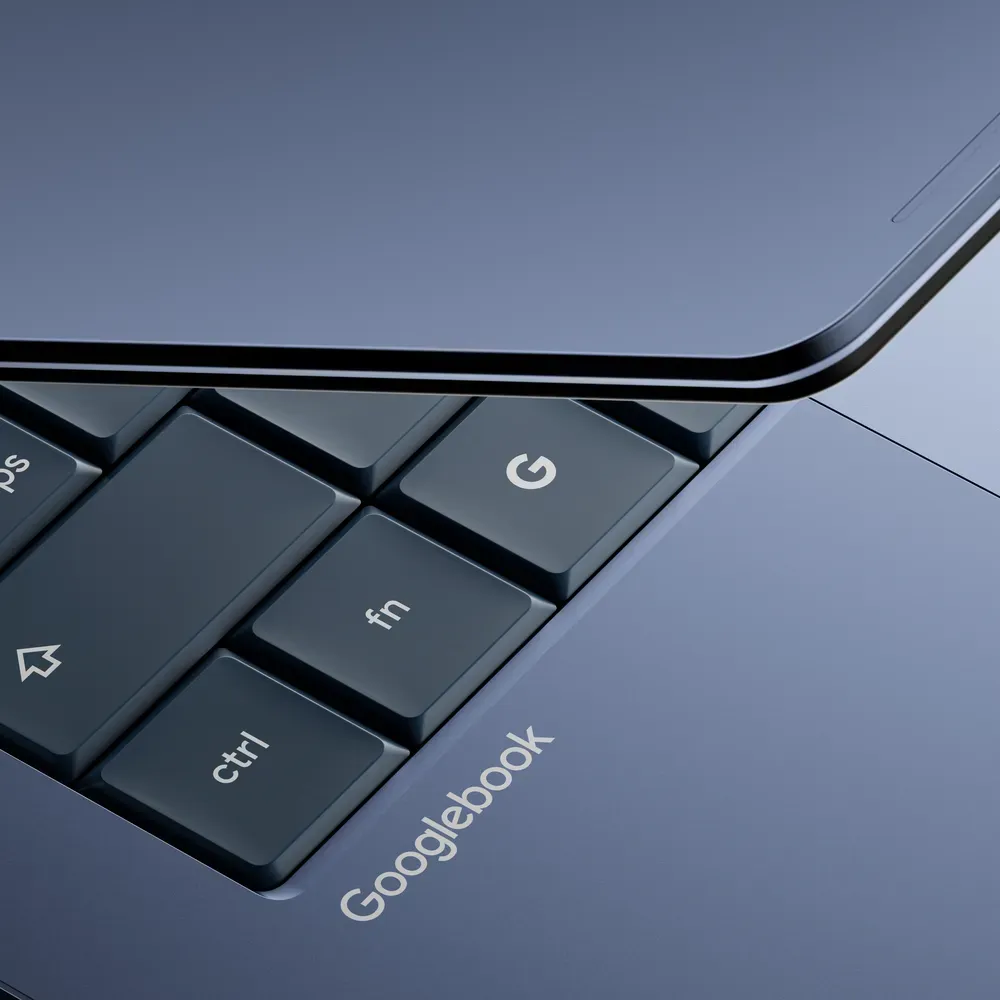
Every Googlebook will feature a "glowbar", a light strip across the chassis that Google says is both functional and decorative, alongside premium materials. Samsung is absent from the initial lineup, though a recent leak suggests that could change.
Google has not shared pricing, specifications, or exact launch dates. What it did confirm: Chromebooks "will continue to receive support through their device's existing date commitment, and many Chromebooks will be eligible to transition to the new experience." More details are expected before the first devices ship this fall.