The FCC's SIM-swap fraud rules took effect on November 17, 2026, requiring wireless providers to offer customers free account locks to block SIM changes and to immediately alert them to SIM change requests before completing them, according to a Federal Register notice published that day. The notice announces the effective and compliance dates after the associated information collection requirements received Office of Management and Budget (OMB) approval for three years, the prerequisite the FCC had set for the rules to take effect. Customers must also receive advance notice about account protections their provider offers.
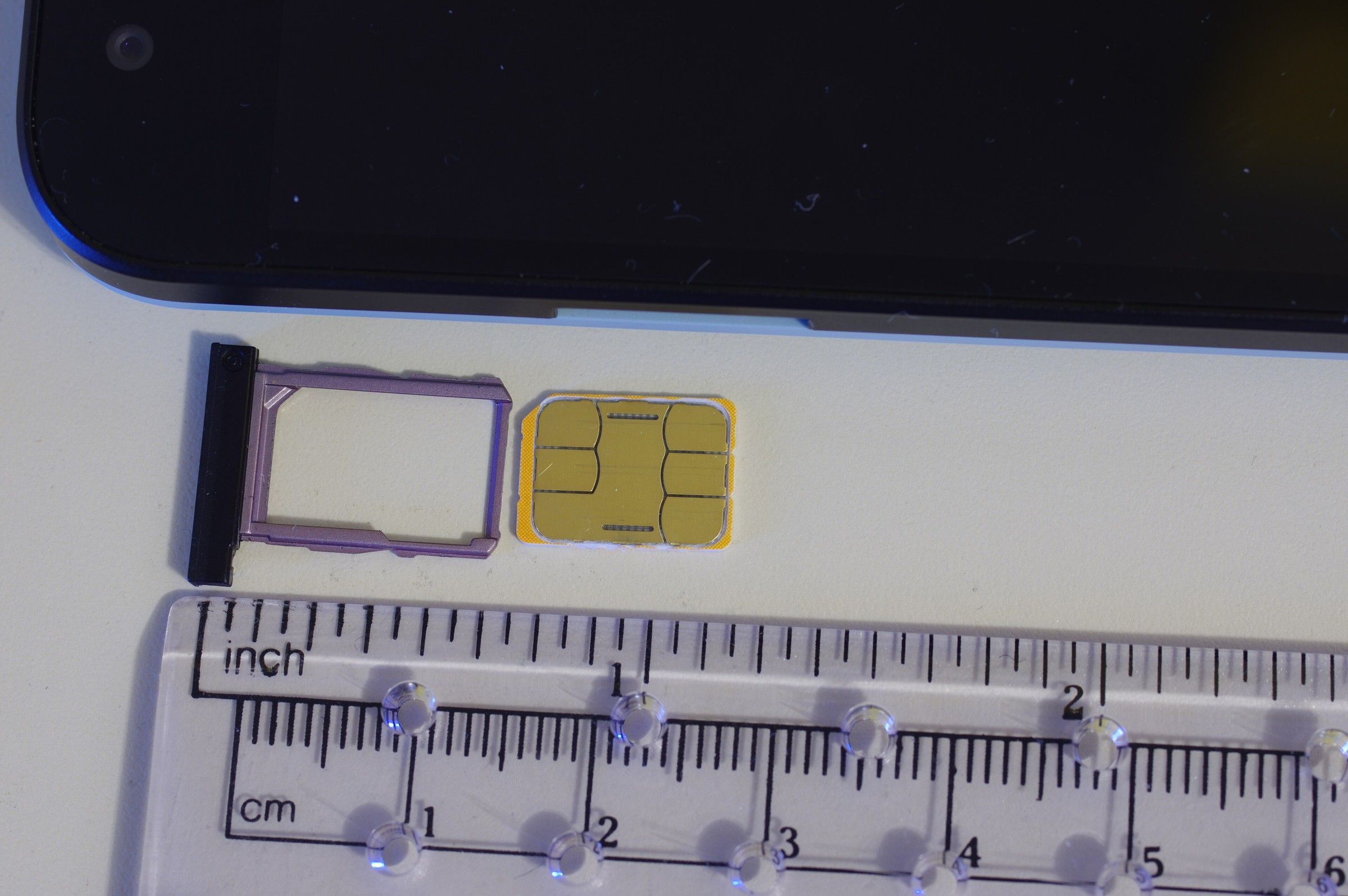
The protections address fraud in which someone transfers a victim's mobile account between devices using different SIMs, gaining control of the account and access to its private information. Providers must make the lock or freeze option available to every customer without charging for it. The framework also leaves wireless providers discretion over the authentication and security methods they use to tackle SIM-swap fraud.
Providers must establish procedures for handling unsuccessful attempts to authenticate someone requesting a SIM change. They must also give customers a clear way to report SIM fraud and promptly investigate and remedy it. Customers affected by fraud must promptly receive documentation concerning what happened to their accounts.
Recordkeeping extends beyond individual fraud complaints: providers must retain SIM change request records and details of the authentication measures used for three years. The information collection also includes disclosures to third parties, recordkeeping obligations and reporting that occurs annually, once or as needed. The FCC estimates the broader collection will involve 2,935 respondents and 91,735,800 responses, with an annual burden of 317,534 hours and costs of $15 million.
OMB approved the information collection on January 15, 2025, after the FCC released its SIM Swap and Port-Out Fraud Order on November 16, 2023. The FCC linked compliance to whichever came later: six months after the order became effective or completion of OMB review. The OMB approval expires on January 31, 2028.
The rules build on telecommunications carriers' statutory duty to keep customer proprietary information confidential under Section 222 of the Communications Act. That information includes personally identifiable details arising from a customer's relationship with a telecommunications provider. The safeguards cover unauthorized access to and disclosure of that information, alongside other proprietary customer information.