
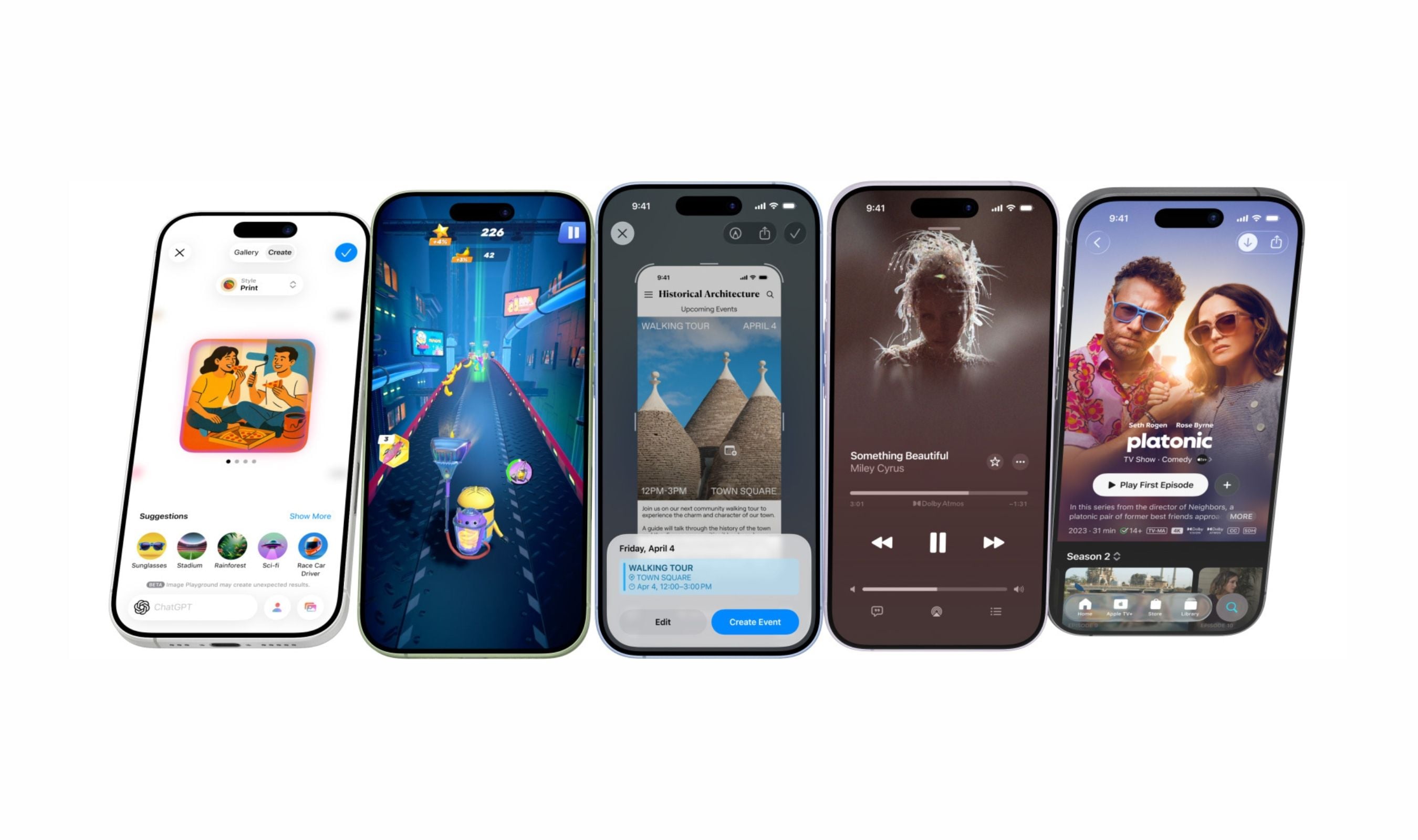
Global smartphone shipments fell 11% year-over-year in Q2 2026, hitting their lowest level for the period since 2013, according to Counterpoint Research. Apple grew iPhone shipments 3% and captured a record 20% share. The driver was simple: Apple was the only major OEM that avoided price hikes during the quarter.
A deepening memory chip shortage forced most competitors to raise prices or cut production, but Apple held the line on iPhone pricing and allocated its limited component supply to current-generation models. The iPhone 17 series remained the top-shipped global model, sustaining an extended streak of year-over-year growth for the brand. Samsung retook the overall market lead at 24% share, fueled by strong Galaxy S26 demand and aggressive promotions.
Xiaomi (12%), OPPO (11%), and vivo (8%) rounded out the top five.
China remained a relative weak spot. Apple's shipments there declined year-over-year despite an early promotional push ahead of the 618 shopping festival, as discounts this year were less aggressive than those offered in 2025.
Legacy iPhone models also faced softer demand, with component allocation prioritizing newer devices amid the supply crunch.
Counterpoint expects global smartphone shipments to decline roughly 14% for the full year, with the memory shortage persisting into 2027. Manufacturers will continue cutting low-margin models, adjusting storage configurations, and leaning on refurbished and previous-generation devices until conditions improve.
Apple's record quarter reinforces its grip on the premium segment at a moment when mid-range and budget brands are absorbing the worst of the memory crisis. The company's pricing discipline, a strategic choice, not a lucky break, is the difference.