
If your iPad Air (2026) is showing a "Not Registered on Network" error, you're stuck without cellular service. This means you can't make calls, send texts, or use mobile data away from Wi-Fi. It's a frustrating roadblock, but it's usually something you can fix yourself without a trip to the Apple Store.
The first thing I'd do is a quick check. Open the Settings app and tap Cellular. If you see "No Service" or a similar message where your carrier's name should be, that's the problem. Let's start with the simplest solutions and work our way up.
Toggle Airplane Mode
This is the fastest way to force your iPad to re-register with the nearest cell tower. Swipe down from the top-right corner of the screen to open Control Center. Tap the airplane icon to turn Airplane Mode on, wait about 15 seconds, then tap it again to turn it off. You should see it search for a signal again. This often clears up temporary glitches in the connection.
Restart Your iPad Air
A full restart can clear out software bugs that are interfering with the cellular modem. It's a different process than on iPhones without a Home button. Press and quickly release the Volume Up button, then press and quickly release the Volume Down button. Immediately after, press and hold the Top button until you see the Apple logo appear, then let go. Wait for it to fully boot up and check your cellular status.
Check for iPadOS Updates
Apple frequently releases updates for iPadOS that include fixes for connectivity issues. An outdated version could have a known bug that's preventing network registration. Go to Settings > General > Software Update. If an update is available, I'd recommend installing it. Make sure your iPad is connected to Wi-Fi and has a good charge, as this can take a few minutes.
Remove and Reinsert the SIM Card
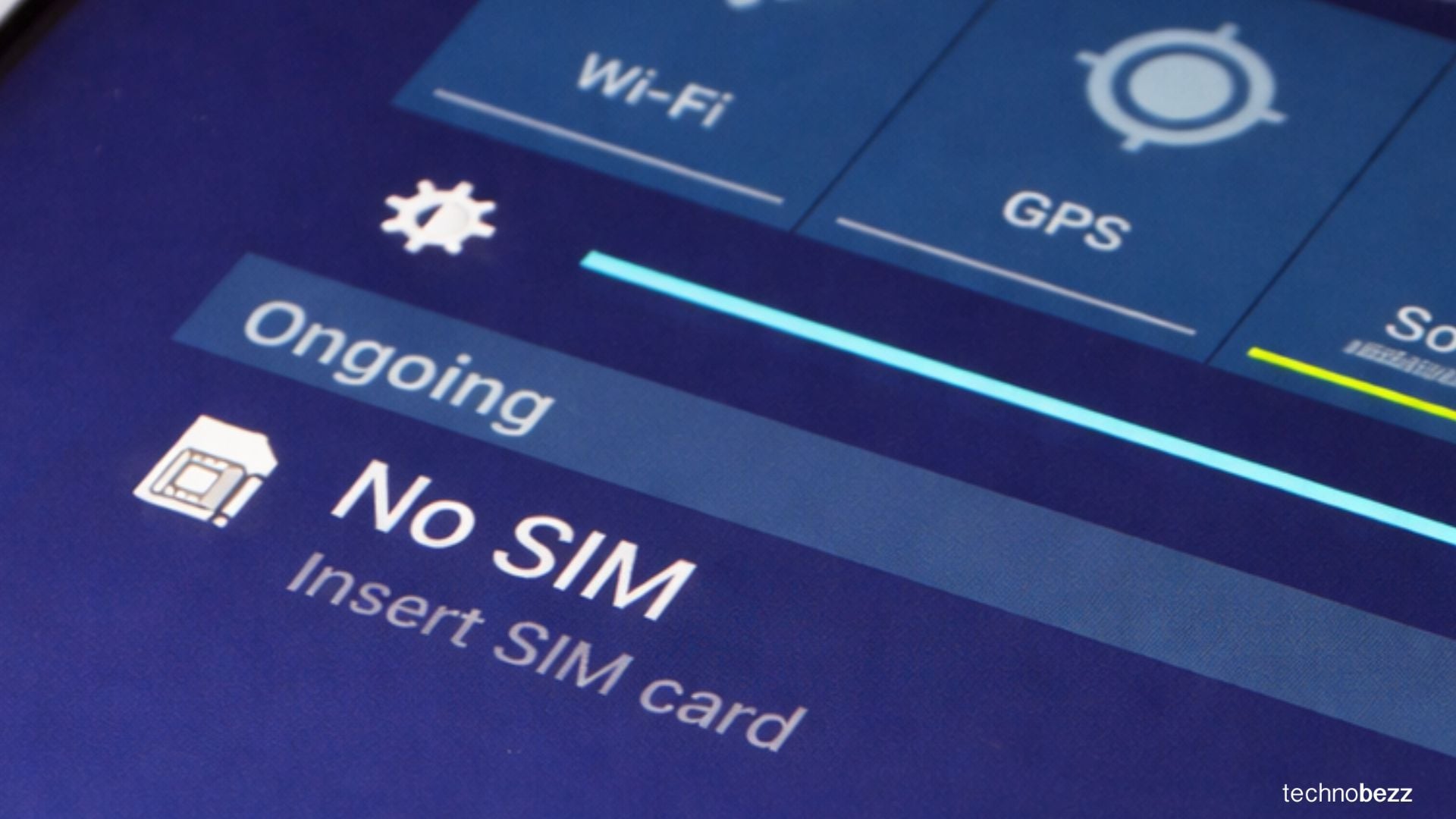
Even though the iPad Air uses a nano-SIM or eSIM, a physical card can sometimes become slightly dislodged. You'll need the SIM eject tool that came with your iPad. Turn the iPad off completely first. Insert the tool into the small hole on the SIM tray, gently push to eject it, and remove the SIM card. Give both the card and the slot a quick visual inspection for dust, then reseat the SIM firmly and push the tray back in. Power the iPad back on.
Reset Your Network Settings
This is a more thorough step that wipes all your network-related data. It will delete saved Wi-Fi passwords, Bluetooth pairings, and your cellular network settings, forcing everything to reconnect fresh. To do this, go to Settings > General > Transfer or Reset iPad > Reset. Then, tap Reset Network Settings. Your iPad will restart. Afterward, you'll need to re-enter Wi-Fi passwords and re-pair Bluetooth devices, but it often resolves persistent cellular issues.
Verify Your Carrier Account Status
The problem might not be with your iPad at all. If your cellular data plan has expired, if there's an unpaid bill, or if the line was suspended, your iPad won't be able to register. Use another device to log into your carrier's account portal online or give their customer service a call. Confirm that the line associated with your iPad's SIM or eSIM is active and in good standing.
Try Manually Selecting a Network
Sometimes your iPad gets stuck trying to connect to a specific carrier tower that's having issues. You can tell it to search for all available networks and pick one manually. Go to Settings > Cellular > Network Selection. Turn off the "Automatic" toggle. Your iPad will search for a moment, then display a list of available networks. Tap the name of your own carrier to try and force a connection.
Update Carrier Settings
Carrier settings are small files that help your iPad communicate optimally with your specific cellular network. Updates are usually installed automatically, but you can check manually. Make sure your iPad is connected to Wi-Fi. Go to Settings > General > About. If a carrier settings update is available, a pop-up notification will appear. Just follow the prompts to install it.
Test with a Different SIM Card
This helps you figure out if the issue is with your SIM card or the iPad itself. If you have a friend or family member with a compatible nano-SIM from the same carrier (or one that allows roaming), you can test with theirs. Power down your iPad, swap the SIM cards, and turn it back on. If the other SIM card connects to the network without issue, your original SIM is likely faulty and you should contact your carrier for a replacement.
Erase All Content and Settings
Consider this your last resort before seeking hardware repair. A full erase returns your iPad to factory conditions, which can eliminate any deep-seated software corruption. It will delete everything, so you must have a recent backup in iCloud or on your computer. To proceed, go to Settings > General > Transfer or Reset iPad > Erase All Content and Settings. Follow the prompts. After the erase is complete, you can set up the iPad as new to test the cellular connection immediately, or restore from your backup.