


If you're trying to send a photo or video from your iPad (11th generation) and it just won't go through, it's usually a quick setting that needs adjusting. MMS, or Multimedia Messaging Service, is how your iPad sends pictures and videos over your cellular network, and a few things can get in the way.
The most common fix is to ensure your cellular data is turned on. Open the Settings app and tap Cellular Data. Make sure the switch at the top is green. Even if you're on Wi-Fi, MMS typically requires the cellular data connection to be active to send and receive.
Check Your iMessage Settings
If iMessage is turned on for your phone number, your iPad might be trying to send the photo as an iMessage instead of an MMS. This can fail if the recipient doesn't have an Apple device. You can check this in Settings, then tap Messages.
Look for the "Send & Receive" section. If your phone number is listed here and checked, iMessage is active for SMS/MMS. This is usually fine, but if you're having issues, you can try turning iMessage off temporarily. Just toggle the iMessage switch off, wait a moment, then turn it back on.
Verify the Message is Set to Send as SMS/MMS
When you're in a conversation and a message fails to send, it will show a red exclamation mark. Tap on that failed message, and you should see an option to "Send as Text Message." Tap that. This forces it to use the standard SMS/MMS network instead of iMessage.
You can also set your iPad to do this automatically if iMessage is unavailable. Go to Settings, then Messages. Scroll down and make sure "Send as SMS" is turned on. This tells your iPad to use the cellular network if an iMessage can't be delivered.
Restart Your iPad
A simple restart can clear out temporary software glitches that might be hanging up the messaging service. To restart your iPad (11th generation), press and quickly release the Volume Up button, then press and quickly release the Volume Down button.
Finally, press and hold the Top button until you see the Apple logo appear on the screen, then release. Wait for it to boot back up completely and try sending your MMS again.
Update iPadOS
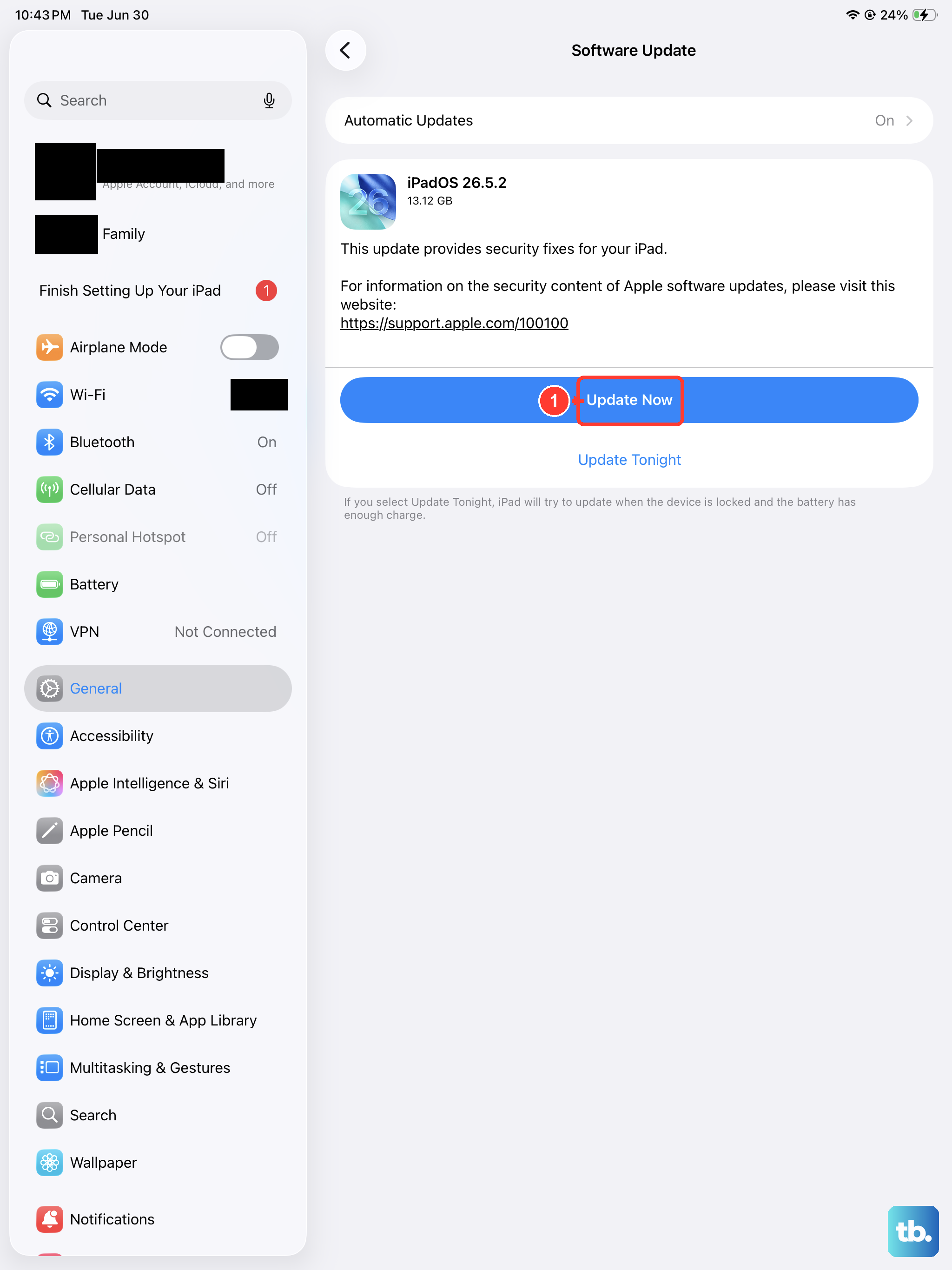
Running an outdated version of iPadOS can sometimes cause conflicts with carrier services for messaging. It's a good habit to keep your iPad updated for performance and security anyway.
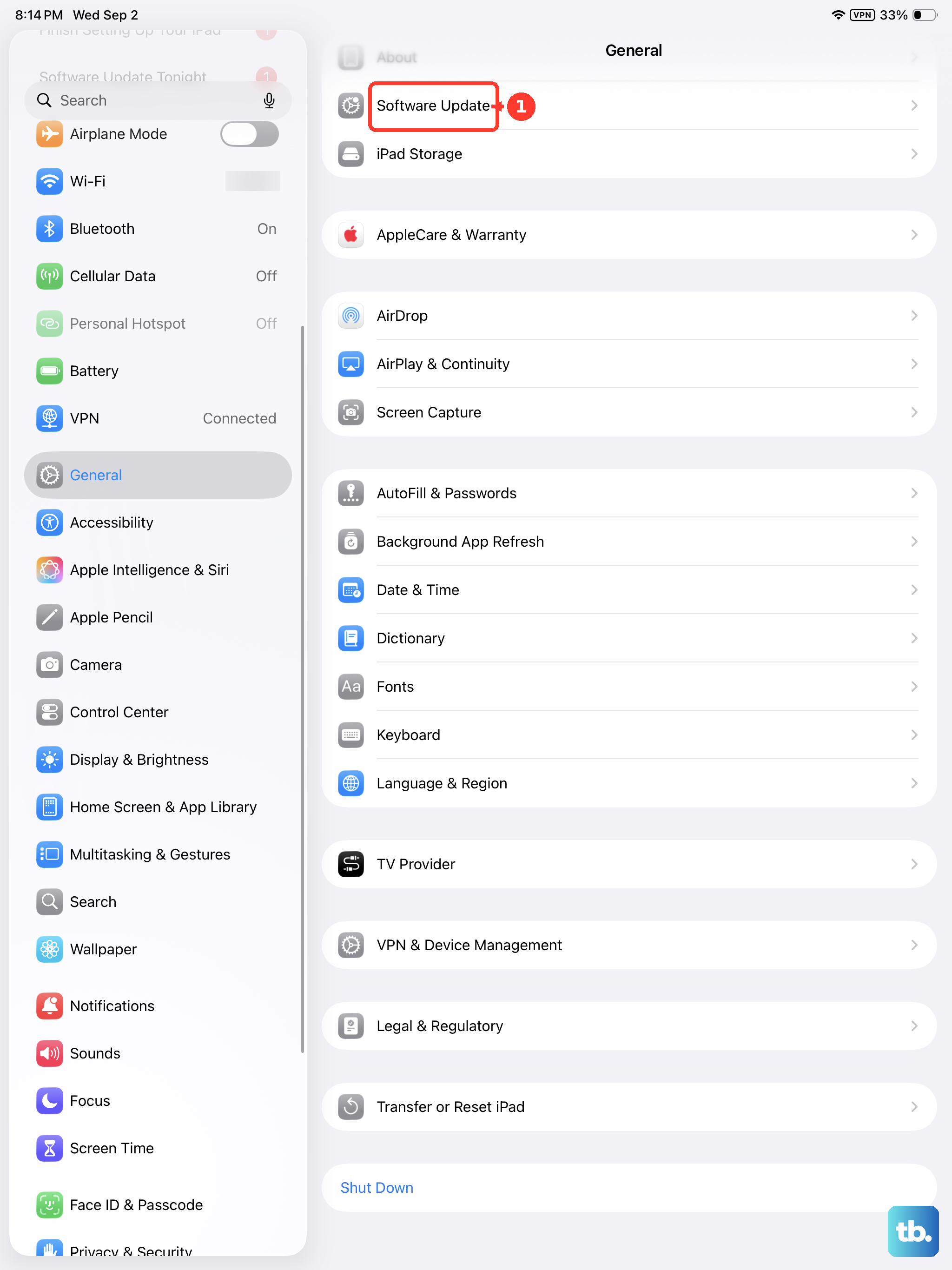
Go to Settings, then General, and tap Software Update. If an update is available, tap Download and Install. Make sure your iPad is connected to power and Wi-Fi during the update process. After it installs and restarts, test your MMS.
Reset Network Settings
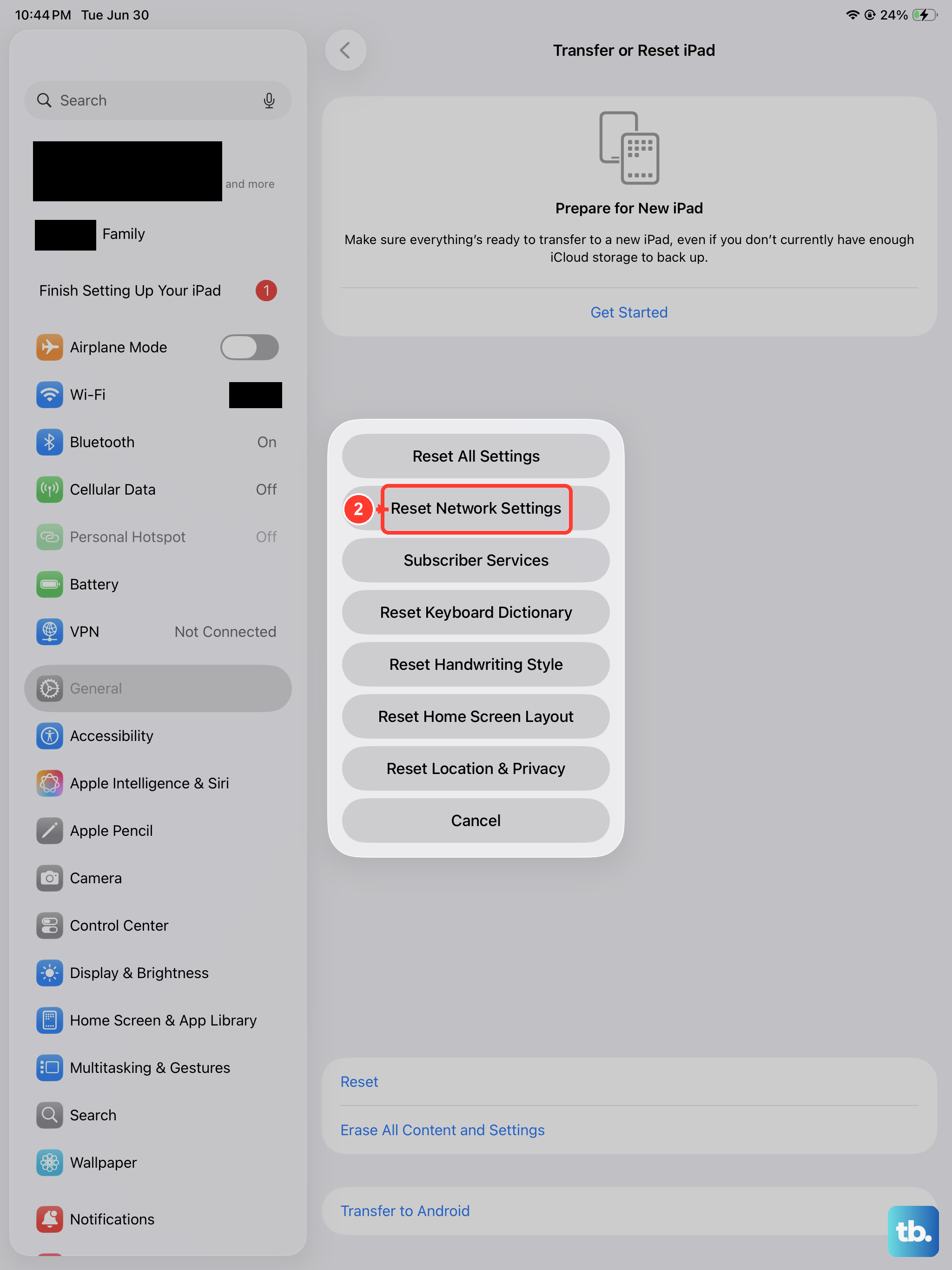
This step clears all your network configurations, including Wi-Fi passwords, VPN settings, and cellular network preferences. It often resolves persistent MMS and data issues. You'll need to rejoin your Wi-Fi networks afterward.
Go to Settings, then General. Scroll down and tap Transfer or Reset iPad, then tap Reset. Choose Reset Network Settings and enter your passcode if prompted. Confirm the reset. Your iPad will restart, and you can then try sending an MMS again.
Check for a Carrier Settings Update
Your cellular carrier occasionally sends small updates that configure network features like MMS on your device. These updates happen automatically but sometimes need a prompt.
To check, make sure your iPad is connected to the internet. Go to Settings, then General, and tap About. If a carrier settings update is available, a pop-up will appear asking you to update. Tap Update. This process only takes a moment and doesn't affect your personal data.
Review Your Cellular Data Plan and APN Settings
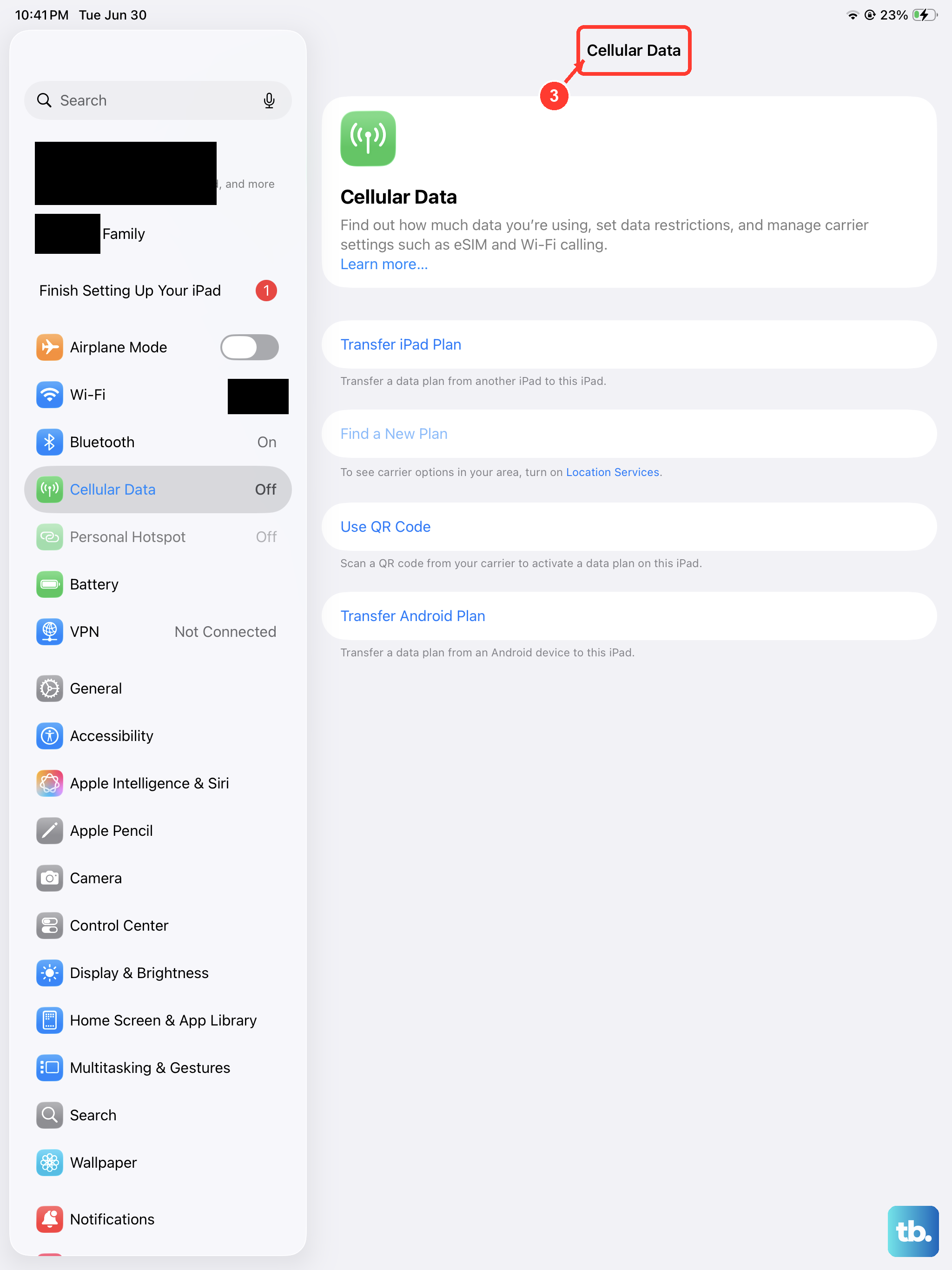
First, confirm with your carrier that your plan includes MMS messaging. Some older or data-only plans might not support it. If it does, you may need to check the Access Point Name (APN) settings.
These are usually configured automatically when you insert your SIM card. You can view them by going to Settings, then Cellular Data, and tapping Cellular Data Network. Don't change anything here unless you have the exact settings from your carrier, as incorrect APN info will break your cellular data entirely.
Check the File Size of Your Media
Carriers often impose size limits on MMS messages, usually around 1 MB. If the photo or video you're trying to send is too large, it will fail. The Messages app on iPad typically compresses media before sending via MMS, but it's worth checking.
Try sending a different, smaller photo first to see if it goes through. If it does, the original file was likely too big. You can use the Edit feature in the Photos app to crop or adjust the photo to a smaller size before sending.
Remove and Reinsert Your SIM Card
A poor connection with the SIM card can cause intermittent cellular data issues, which would affect MMS. You'll need a SIM ejector tool or a small paperclip for this.
Turn off your iPad completely. Locate the SIM tray on the frame (the location varies by model) and gently insert the tool into the small hole to eject the tray. Take the SIM card out, blow gently on the tray to remove any dust, reinsert the SIM, and push the tray back in. Power your iPad back on and test the MMS.