


If your iPad (11th generation) isn't vibrating for notifications or alerts, it can be easy to miss important messages. The good news is this is usually a quick settings fix rather than a hardware problem.
Restart Your iPad
Start with a simple restart. This clears out any temporary software glitches that might be stopping the vibration motor. Press and hold the top button and either volume button until the power off slider appears.
Drag the slider, wait about 30 seconds for the iPad to turn off, then press and hold the top button again until you see the Apple logo. I'd try this first, as it resolves a lot of odd behavior.
Check the Silent Mode Switch
This is a classic one. On the side of your iPad, you'll find the Ring/Silent switch. If the switch is pushed down towards the back of the iPad, showing an orange stripe, it's in Silent Mode.
In Silent Mode, your iPad won't make sounds or vibrate for most alerts. Flip the switch up so the orange stripe is no longer visible to turn Silent Mode off.
Verify Sounds and Haptics Settings
Open the Settings app and go to Sounds & Haptics. Make sure the Vibrate on Ring and Vibrate on Silent switches are turned on (green).
While you're here, try adjusting the Ringer and Alerts volume slider with the volume buttons. Sometimes if the system volume is all the way down, it can affect haptic feedback.
Test with a System Haptic
Go back to the main Settings screen and tap General > Keyboard. Look for the Haptic Feedback toggle and make sure it's enabled.
Now open the Notes app or any text field to bring up the keyboard. Tap a key. If you feel a small vibration, your iPad's Taptic Engine is working fine, and the issue is with notification settings.
Review App Notification Settings
If vibrations are missing for just one app, like Messages or Mail, you need to check its specific permissions. Go to Settings > Notifications.
Find the app that's not alerting you and tap on it. Ensure Allow Notifications is on. Then, check that Sounds is selected (this often enables vibration by association) and look for any specific "Haptics" toggle within the app's notification style options.
Check Focus Modes
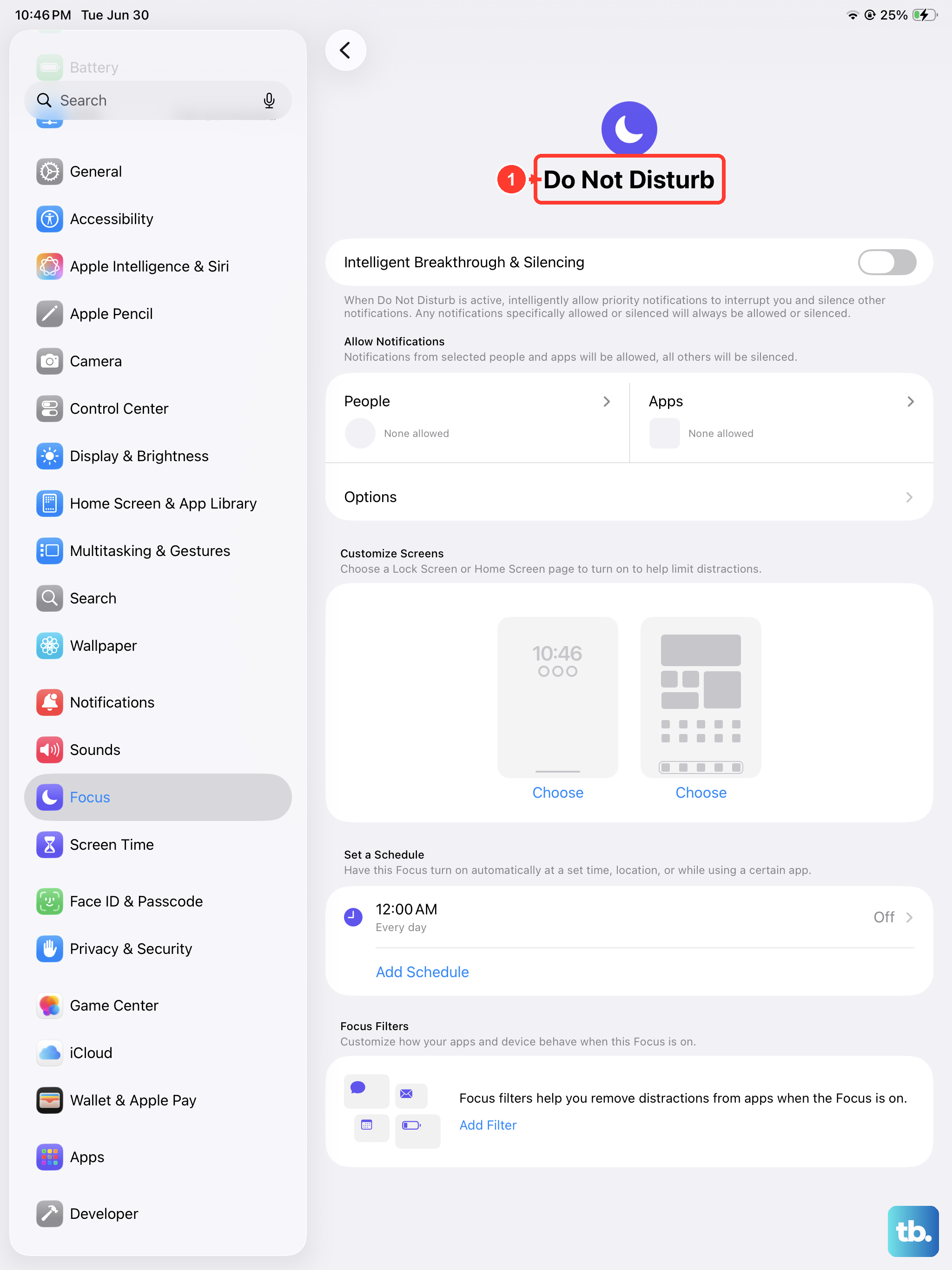
Focus modes like Do Not Disturb or Sleep can silence all haptics. Swipe down from the top-right corner to open Control Center and look at the Focus tile (it might say "Do Not Disturb" or show a moon icon).
If a Focus is active, tap it to turn it off. You can also go to Settings > Focus to see which modes are scheduled or enabled and adjust their notification allowances.
Update iPadOS
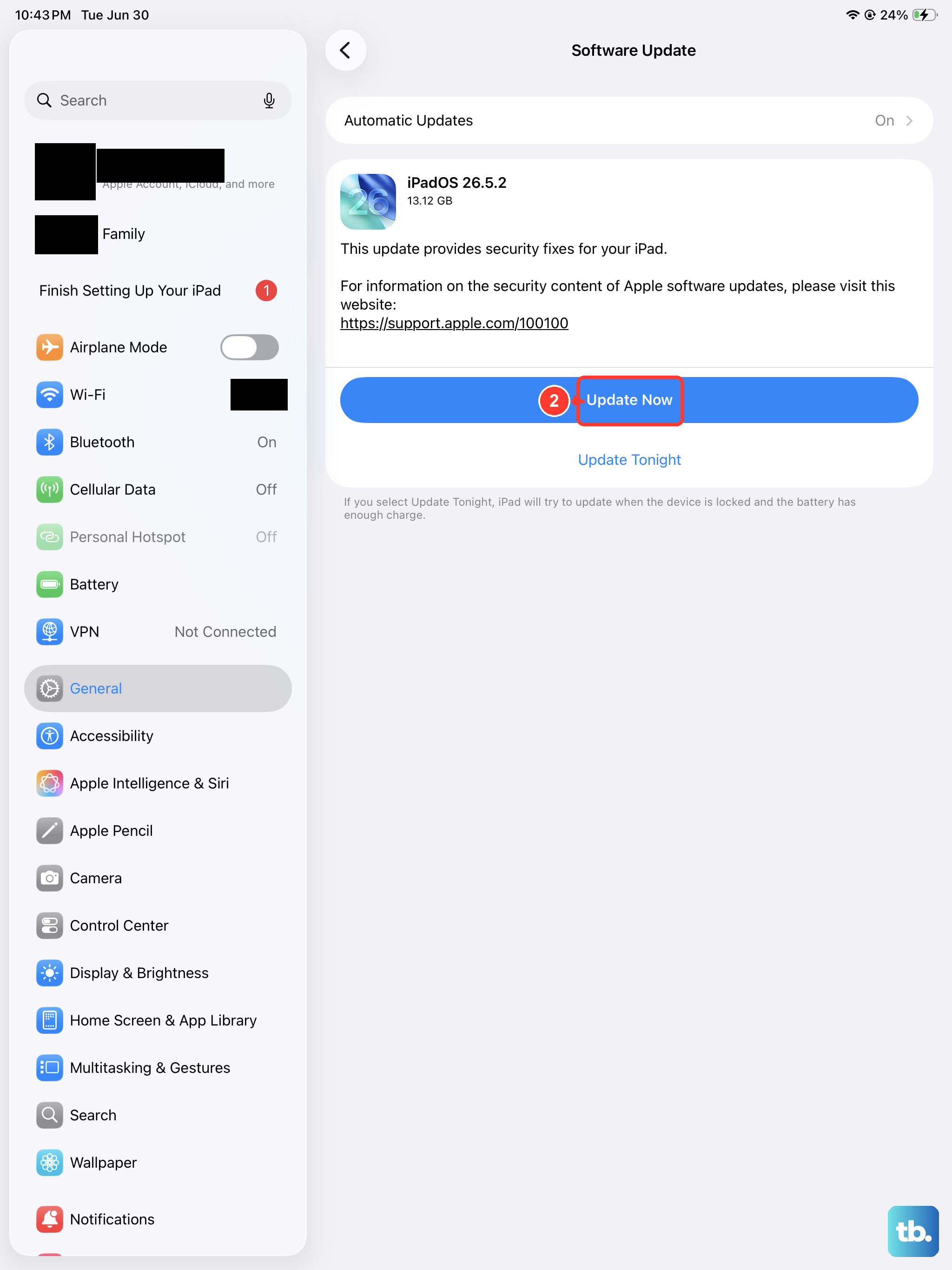
A software bug in iPadOS could be the culprit. Keeping your device updated is one of the best ways to maintain stability. Connect your iPad to Wi-Fi and plug it into power using its USB-C port.
Then, go to Settings > General > Software Update. If an update is available, tap Download and Install. I've seen minor point updates resolve haptic issues before.
Reset All Settings
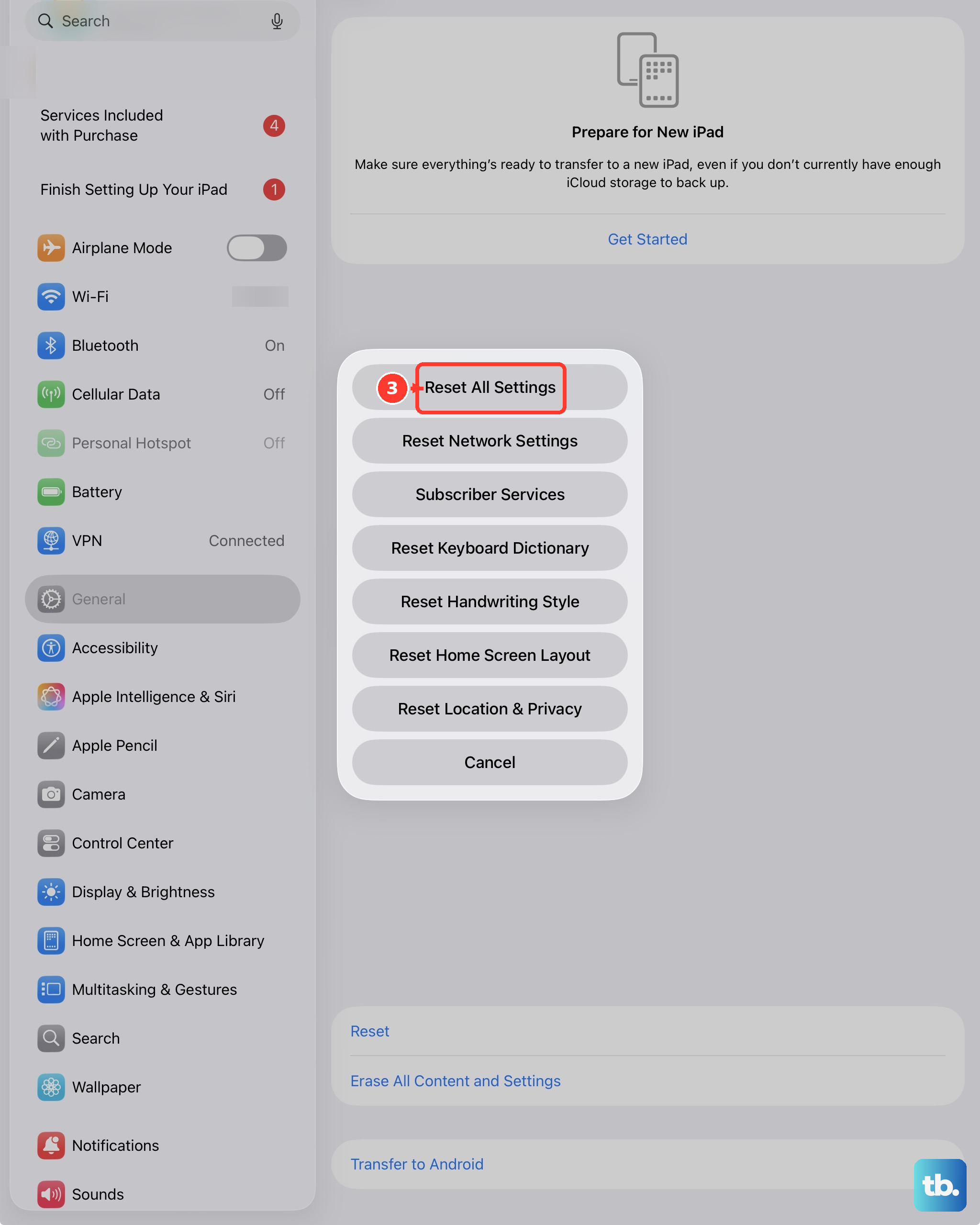
This will revert all your preferences (like wallpaper and network passwords) back to default without deleting any of your personal data or apps. It can clear out any corrupted settings causing the problem.
Go to Settings > General > Transfer or Reset iPad. Tap Reset and then choose Reset All Settings. You'll need to enter your passcode and confirm.
Force Restart Your iPad
A force restart is different from a normal shutdown and can fix issues a regular restart can't. It doesn't erase any data. Quickly press and release the Volume Up button, then quickly press and release the Volume Down button.
Immediately after, press and hold the Top button. Keep holding it until you see the Apple logo appear on the screen, then release. This process can take 10 seconds or more.
Check for Physical Damage
If you've dropped your iPad recently, the internal Taptic Engine (the component that creates vibrations) could be damaged. While holding the iPad, gently twist it slightly in your hands and listen for any loose internal components rattling.
Also, consider if the iPad has been exposed to significant moisture. Liquid damage can easily disable the vibration motor. If you suspect physical damage, the motor itself may need to be replaced.