
A name or number on caller ID is a clue, not proof of who called. Scammers can make a different name or number appear.
Start with voicemail, call screening and number lookup. If someone claims to represent an organization, contact it using a number you know is real.
1. Listen to the voicemail
 Image: Hassan OUAJBIR / Unsplash
Why it happens: A caller may leave a message that gives you more context than caller ID. On iPhone, Visual Voicemail lists messages you can choose to play, while Live Voicemail can show a transcript as someone speaks. Google says voicemail lists in its Phone app depend on the device, carrier and region.
A message can tell you what the caller says they need without requiring you to answer. Apple's Phone app can also display a transcript of a saved message. Treat a name or callback number spoken in a message as a claim to check, since scammers can fake the number shown on caller ID.
How to fix it: On iPhone, open Phone, then check Voicemails in the Calls filter or the Voicemail tab, depending on your layout. Follow Apple's voicemail steps; on Phone by Google, tap Voicemail or hold 1 on the dialpad. On iPhone, tap a message and then Play; if available, read its transcript below. In Phone by Google, open Phone > Dialpad and hold 1 if the Voicemail tab is absent.
2. Ask an unknown iPhone caller to identify themselves
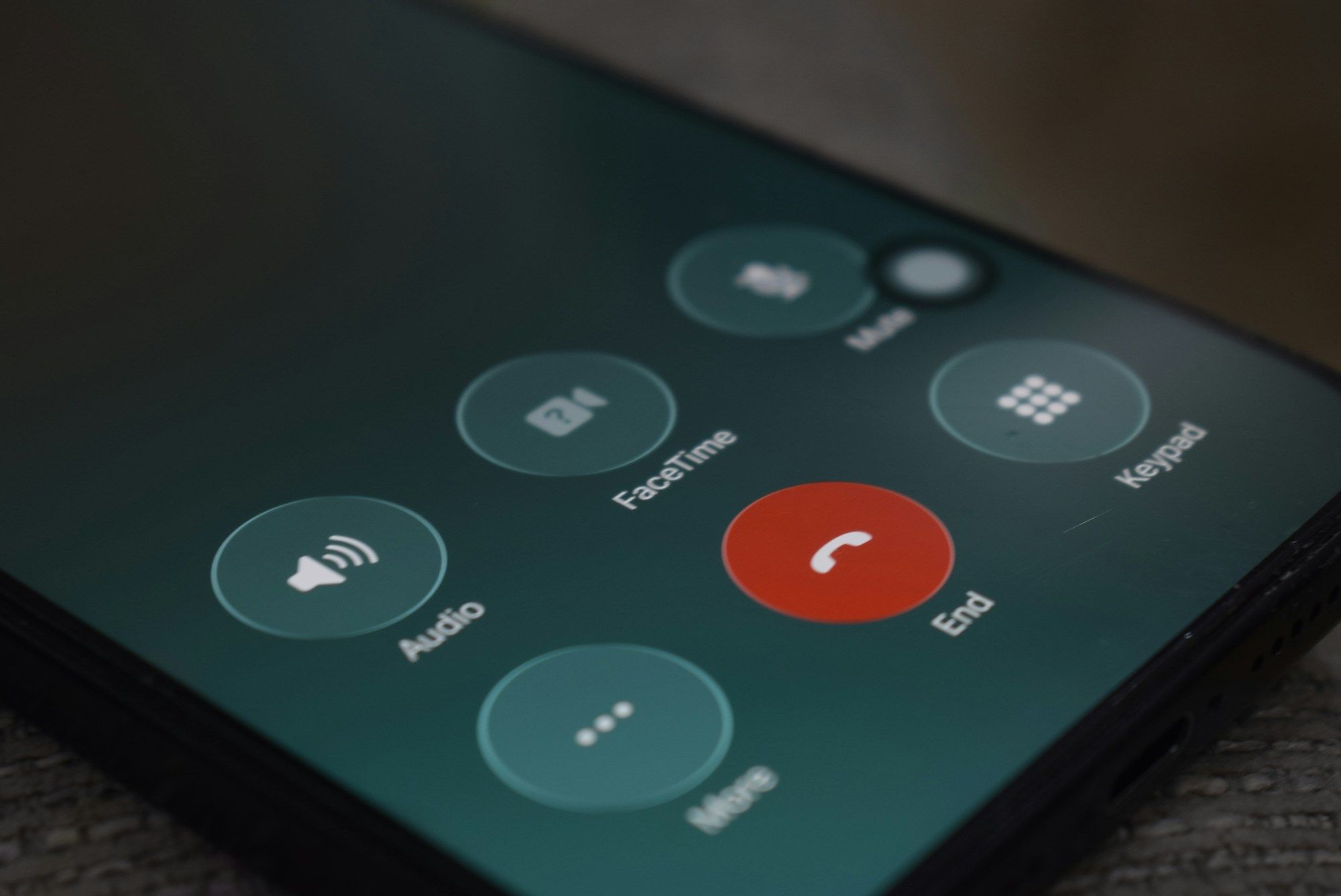 Image: Jay Openiano / Unsplash
Why it happens: iPhone Call Screening can ask an unsaved caller for their name and reason for calling before the phone rings. Apple describes an unsaved number as one that is not in your contacts. Its other choices are Never, which lets those calls ring, and Silence, which sends them to voicemail.
The response gives you something specific to consider before picking up, such as a caller's stated name and purpose. It is still the caller's own response. Apple says calls are not screened while you are roaming, and screening turns off for 24 hours after you call emergency services.
How to fix it: Go to Settings > Apps > Phone and select Ask Reason for Calling under Screen Unknown Callers, as described in Apple's call screening guide. If you instead select Silence, check Phone > Calls in Unified view or Phone > Recents in Classic view for the missed call. You can tap the Filter button and then Unknown Callers to see calls placed in that list.
3. Screen a call on a supported Pixel
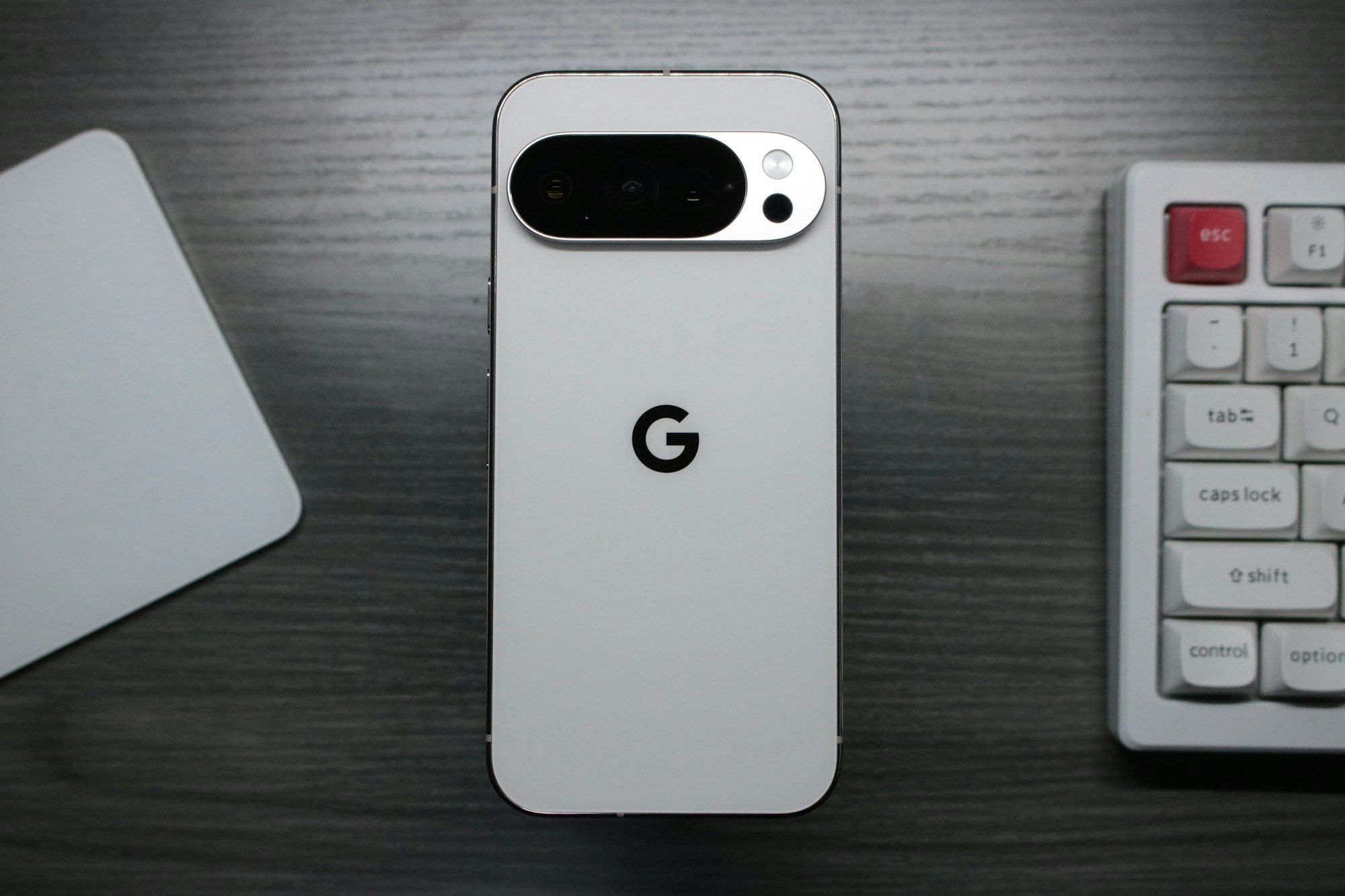 Image: Samuel Angor / Unsplash
Why it happens: Pixel Call Screen can ask who is calling and why, then show you the response. Google lists manual screening for Pixel phones in the US, UK, Canada and several other countries. It also says the feature needs a SIM from a country where Call Screen is available.
You can read the caller's answer in a live transcript while the call is screened. Google says screened calls save a transcript on the phone, so you can revisit what was said. The transcript can miss or misunderstand words, which matters when a name or callback detail is unclear.
How to fix it: Where manual Call Screen is available, tap Screen call during an incoming call and read the transcript before deciding whether to answer. Check Google's supported countries and steps. After the caller responds, choose a suggested reply, answer, or hang up. If Screen call is missing, open Phone > More > Settings > Spam and Call Screen or Call Screen, then follow any setup instructions shown there.
4. Look up the number in Phone by Google
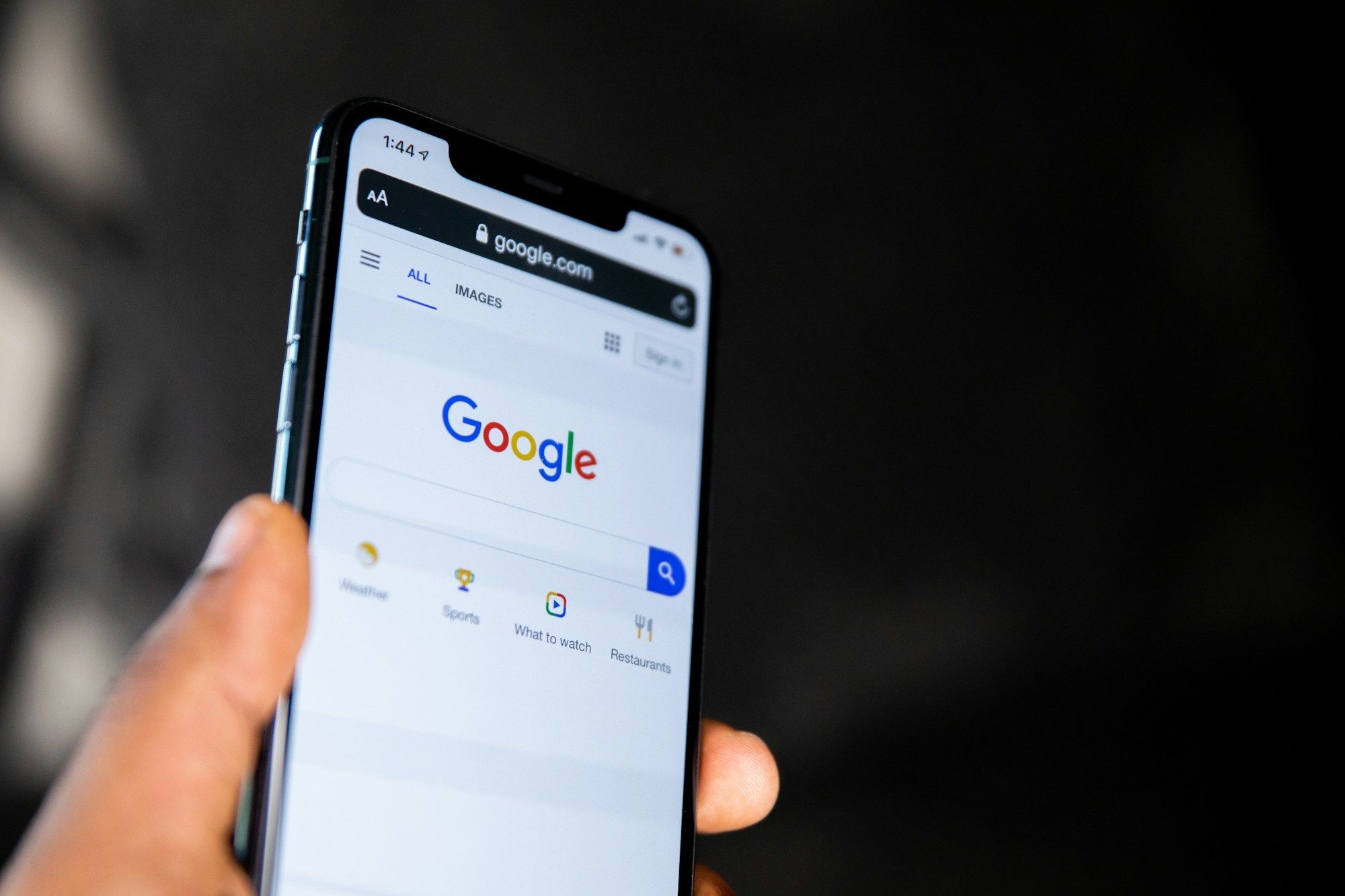 Image: Solen Feyissa / Unsplash
Why it happens: A number in your call history may have search results that offer a clue, though the displayed number could be spoofed. Phone by Google keeps made, answered and missed calls in its Home tab. Its Lookup control searches the unknown number through your default search engine.
A result may help you decide if a return call makes sense, but it describes the number that appeared on your screen. The FTC says caller ID information can be fake. A search result associated with a business or person therefore does not establish that they placed this particular call.
How to fix it: In Phone by Google, open Home, tap the unknown number, then tap Lookup. Google's instructions say this opens your default search engine with the number filled in. Review the result alongside any voicemail or screened response. If the caller claims to represent a business, use a contact number you already know is real to check the claim.
5. Check Phone by Google's caller ID
 Image: NordWood Themes / Unsplash
Why it happens: Phone by Google can show a business caller ID or a warning about potential spam for numbers outside your contacts. Google says caller ID and spam protection is on by default, but you can turn it off or back on. The setting does not control whether your number appears when you call someone.
Google says a number outside your contacts may be sent to it to identify a business name or assess spam. A call labeled Spam or Suspected spam caller may be unwanted, but the label is a warning rather than an identification of the person who called. Google also lets you report a call marked as spam by mistake.
How to fix it: In the Phone app, tap More > Settings > Caller ID and spam, then enable See caller ID & spam. See Google's caller ID settings. On supported phones, you can enable Filter spam calls in the same menu; filtered calls remain in call history. To correct a mistaken spam label, open Phone > Recent calls, tap the call, then tap Not spam.
6. Enable business call identification on iPhone
 Image: Jonathan Tasman / Unsplash
Why it happens: iPhone can identify some incoming business calls using Apple Business Connect or carrier information. Apple also supports caller identification from compatible apps. Those options appear together under Call Blocking & Identification, where you can choose which identification sources to enable.
This can put a business name beside an incoming call before you answer. Separately, Apple's Spam filter handles calls your carrier identifies as potential spam or fraud by silencing them and moving them to a Spam list. The two controls serve different purposes, so check the Spam list if an expected call did not ring.
How to fix it: Go to Settings > Apps > Phone > Call Blocking & Identification and turn on Business Call Identification. See Apple's instructions. To use the carrier's spam control, return to Settings > Apps > Phone and turn on Spam under Call Filtering. In Phone, tap Calls or Recents, depending on your layout, then the Filter button > Spam to review those calls.
7. Try Truecaller on Android
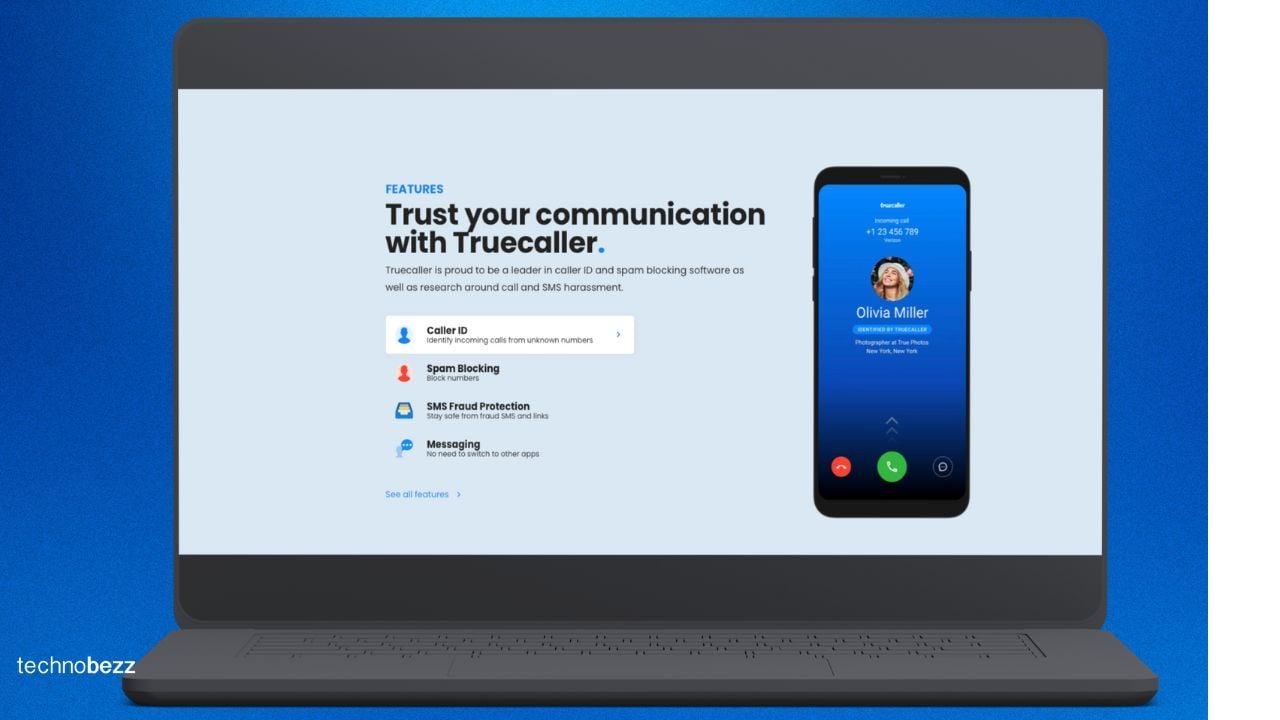 Image: Screenshot: Truecaller
Why it happens: Truecaller can show caller information for incoming Android calls, but it cannot identify a hidden number. On Android 11 or later, its caller ID and spam protection requires Truecaller to be the default Caller ID and spam app. Truecaller also offers a setting to block calls displayed as Unknown or Private.
That distinction matters if your phone shows no number at all: there is no displayed number for Truecaller to identify. If it does show a number, the caller information is still a clue. The FTC warns that scammers can make a different number appear on caller ID, including one belonging to someone else.
How to fix it: On Android 11 or later, go to Settings > Apps > Default apps > Caller ID and spam app and choose Truecaller. Follow Truecaller's setup steps. You can also open Truecaller > profile icon > Settings > Calls, tap Enable under Troubleshoot Caller ID, and select Truecaller when prompted. To block hidden calls, open Truecaller > Settings > Block and enable Hidden numbers.
8. Try *69 on a supported US landline
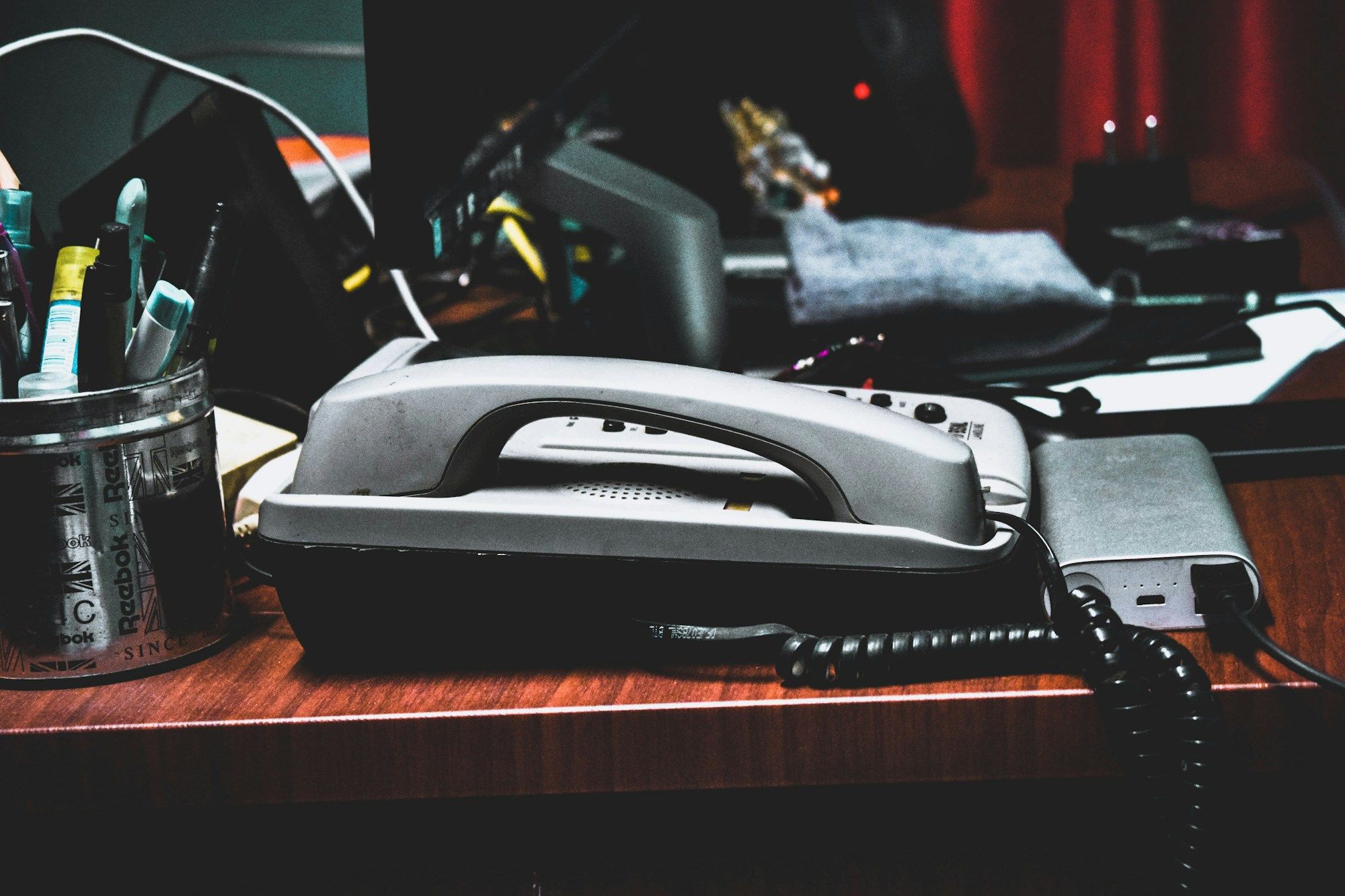 Image: Nishal Pavithran / Unsplash
Why it happens: On a line with this feature, *69 may announce the last available number, but it cannot reveal a call marked private. Verizon says the number must be available from the network and not blocked by the caller. In some areas, the announcement also includes the date and time of the call.
The announced number does not always identify the person who placed the call. Verizon says some announced numbers cannot be called back through *69 or by dialing them manually. Its guide also says calls from cell phones, ISDN lines and some business phone systems may not be returnable through the feature.
How to fix it: Dial *69 after the call and follow the prompts if your provider supports it. Verizon's landline guide notes that its *69 service is no longer available to new customers. Use the landline that received the call, and listen to the announcement before choosing any offered return call option. If the service is unavailable on your line, ask your landline provider which last call features your plan includes.
9. Dial 1471 on a BT home phone in the UK
 Image: Annie Spratt / Unsplash
Why it happens: BT 1471 can announce the last caller's number unless it was withheld or came from a switchboard extension. BT says the feature is always active on its home phone service, including when you use an answering machine. A caller can withhold a number for a single call by dialing 141 first.
A withheld number does not, by itself, tell you why someone called. BT lists privacy and lines that cannot receive return calls among reasons a caller may hide a number. BT also says 1471 updates when its Answer 1571 service picks up a call that you do not answer, but not when the line is busy.
How to fix it: Dial 1471 to hear the available number. BT says checking the number is free, while using Call Return costs extra. Listen to the recorded announcement before choosing whether to return the call. Pressing 3 activates Call Return; BT lists a 35p charge plus the cost of the call for that option.
10. Verify a claimed business through a trusted number
 Image: Gabriel Gonzalez / Unsplash
Why it happens: Scammers can make a familiar business name or number appear on caller ID. The FTC calls this caller ID spoofing. It says impostors may also claim there is suspicious activity on your bank account or a fraudulent purchase, creating pressure to act quickly.
A convincing name, familiar number or knowledge of your personal details still does not verify the caller. The FTC says scammers may buy or steal personal information to make a story sound credible. Its reports describe impostors telling people to move money to protect it, even though that claimed protection is part of the scam.
How to fix it: Contact the organization separately using a phone number or website you know is real, following FTC advice. Do not rely on contact details supplied in the unexpected message. If the call concerns a bank account or card, hang up and use the official app, a recent statement or the number on the back of your card. The FTC also warns that paid search results can display fake contact numbers.