
Several 2025 Android smartphones offer camera capabilities that compete with the iPhone 17 Pro Max. Five 2025 models feature 200MP sensors, periscope zoom, and 8K video capabilities.
Samsung Galaxy S25 Ultra
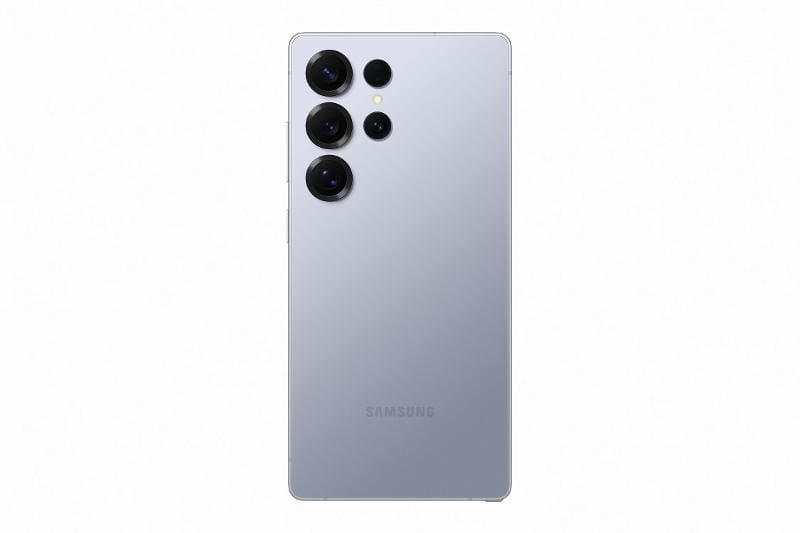
The Samsung Galaxy S25 Ultra leads with a 200MP primary sensor and 5x optical zoom periscope. It includes a dedicated 3x telephoto lens and 50MP ultrawide camera. Samsung's system records 8K video with HDR10+ support.
Vivo X300 Pro
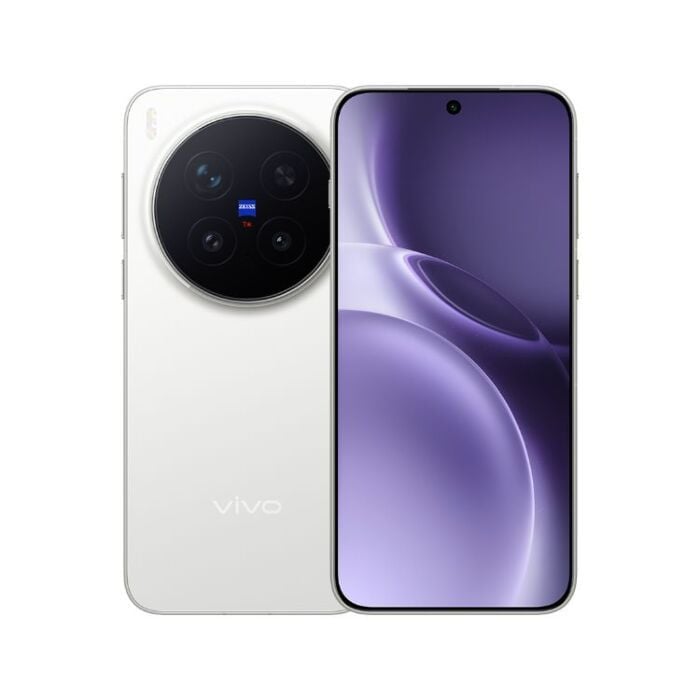
Vivo X300 Pro targets photography enthusiasts with Zeiss optics. Its 200MP periscope camera supports optical zoom and macro photography. The device includes a 50MP OIS main camera and 50MP ultrawide sensor.
Oppo Find X9 Pro

Oppo Find X9 Pro focuses on color accuracy through Hasselblad tuning. It combines a 50MP OIS main camera with 200MP periscope telephoto lens. Oppo's system supports LOG video recording and Dolby Vision.
Google Pixel 10
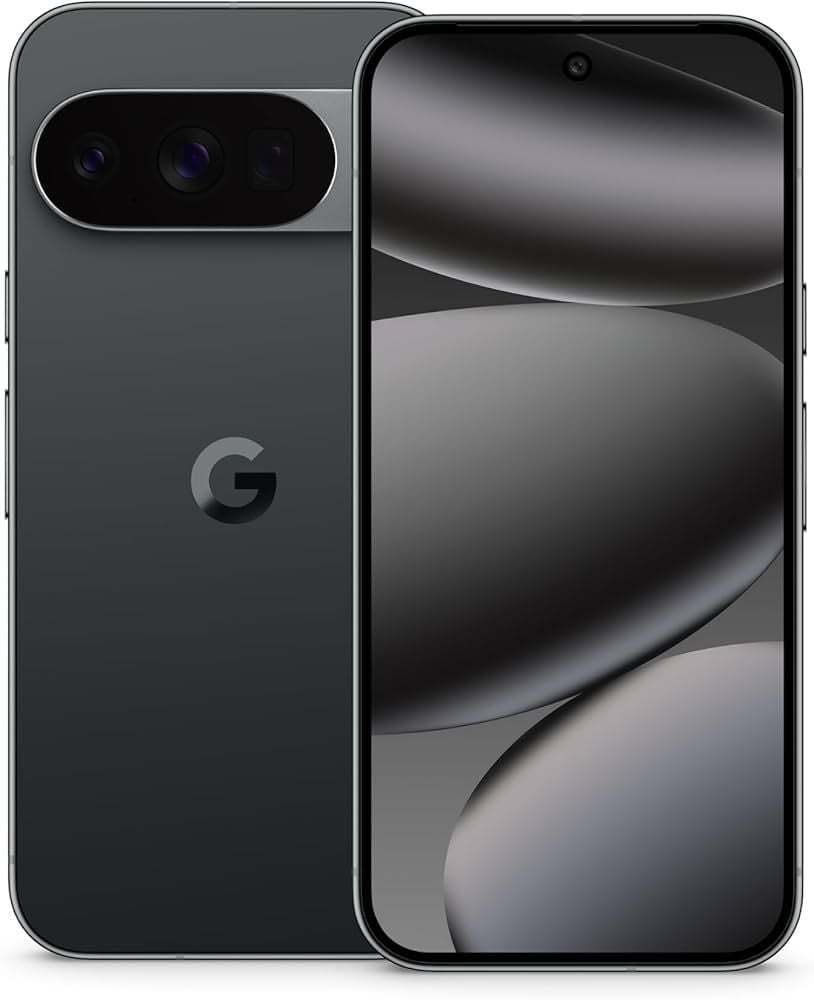
The Google Pixel 10 Pro XL leverages AI-driven image processing. Its triple camera setup includes 50MP primary, 48MP periscope with 5x zoom, and 48MP ultrawide. Google's Tensor G5 chip enables Ultra-HDR and computational photography.
OnePlus 15
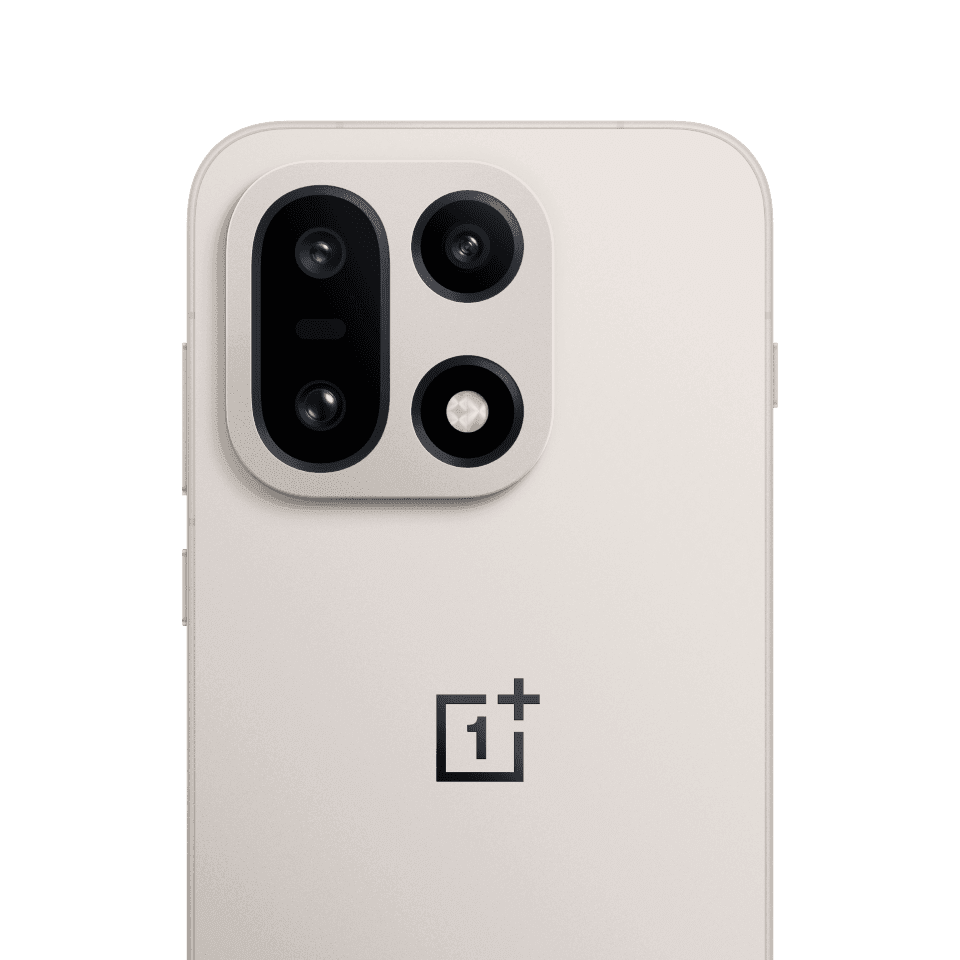
OnePlus 15 offers competitive photography at lower price points. It features triple 50MP cameras powered by Sony's IMX906 sensor. The device includes 3.5x optical zoom and 8K video recording.
Most of these Android competitors support advanced HDR imaging, with several featuring Dolby Vision HDR. They offer 8K video recording capabilities alongside larger sensors. Specialized optics from Zeiss and Hasselblad provide professional-grade color calibration.
The camera competition reflects broader industry trends. Manufacturers now prioritize sensor size and optical zoom over megapixel counts alone. This shift has diversified premium smartphone photography options.
Market positioning varies across the Android alternatives. Samsung maintains the most comprehensive camera system. Vivo and Oppo target specific photography niches with professional partnerships.
Future developments will focus on computational photography enhancements. AI features for scene recognition and low-light performance are now standard. Software optimization continues to complement hardware advancements.
Consumer choice has expanded beyond the iPhone ecosystem. Buyers can select devices optimized for specific photography styles. This diversification represents maturation in smartphone camera technology.