
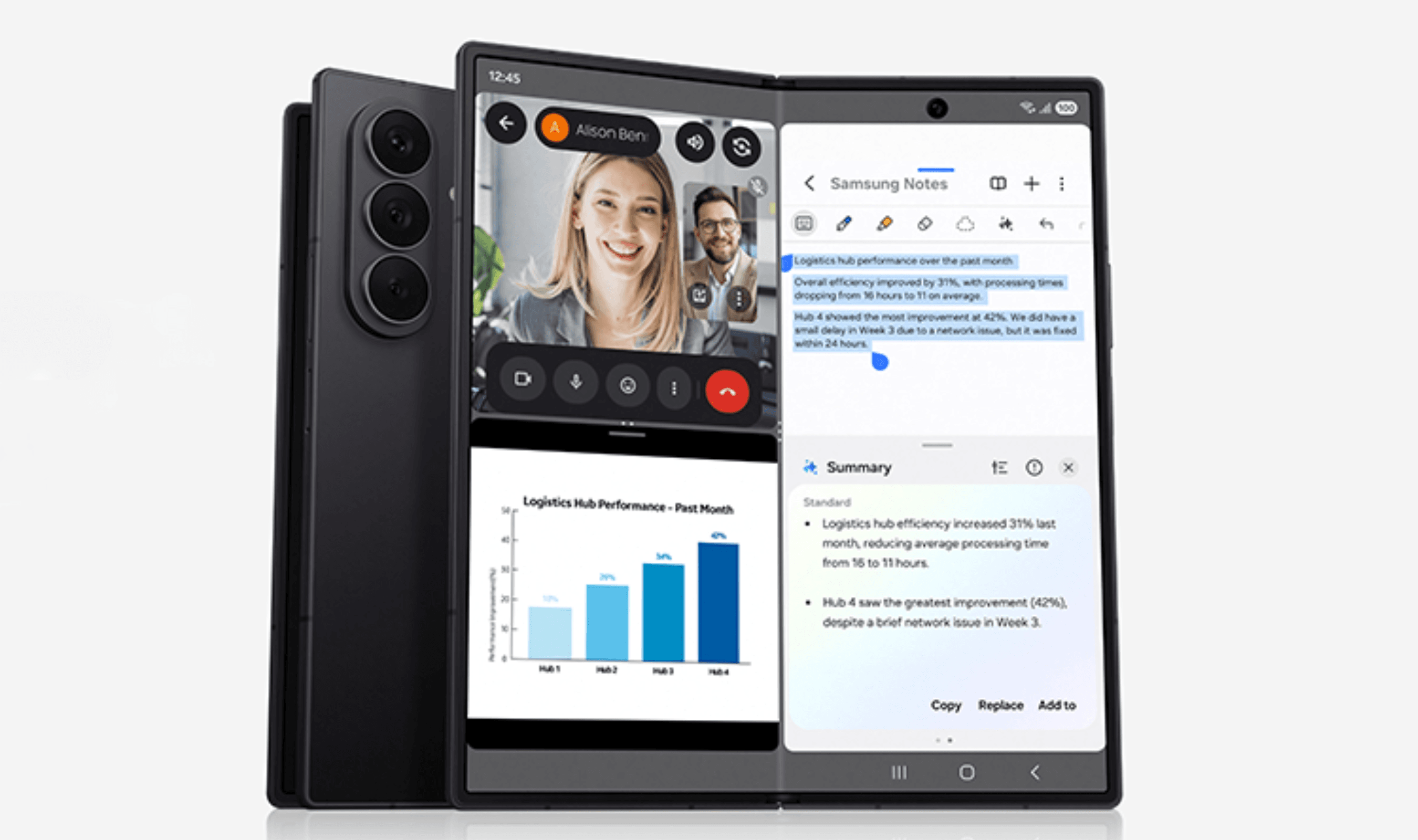
As we move through March 2026, Samsung's foldable phone lineup is gearing up for its next evolution. With the Galaxy Z Fold 7 having made significant strides in design and functionality, all eyes are now on what the Galaxy Z Fold 8 will bring to the table.
Based on the latest leaks, rumors, and industry reports, here are the main differences you can expect between these two flagship foldables.
The Galaxy Z Fold 7 launched in July 2025, continuing Samsung's established summer release pattern for its premium foldables. The Galaxy Z Fold 8 is expected to follow this same cadence, with most sources pointing to a July 2026 unveiling at Samsung's annual summer Unpacked event.
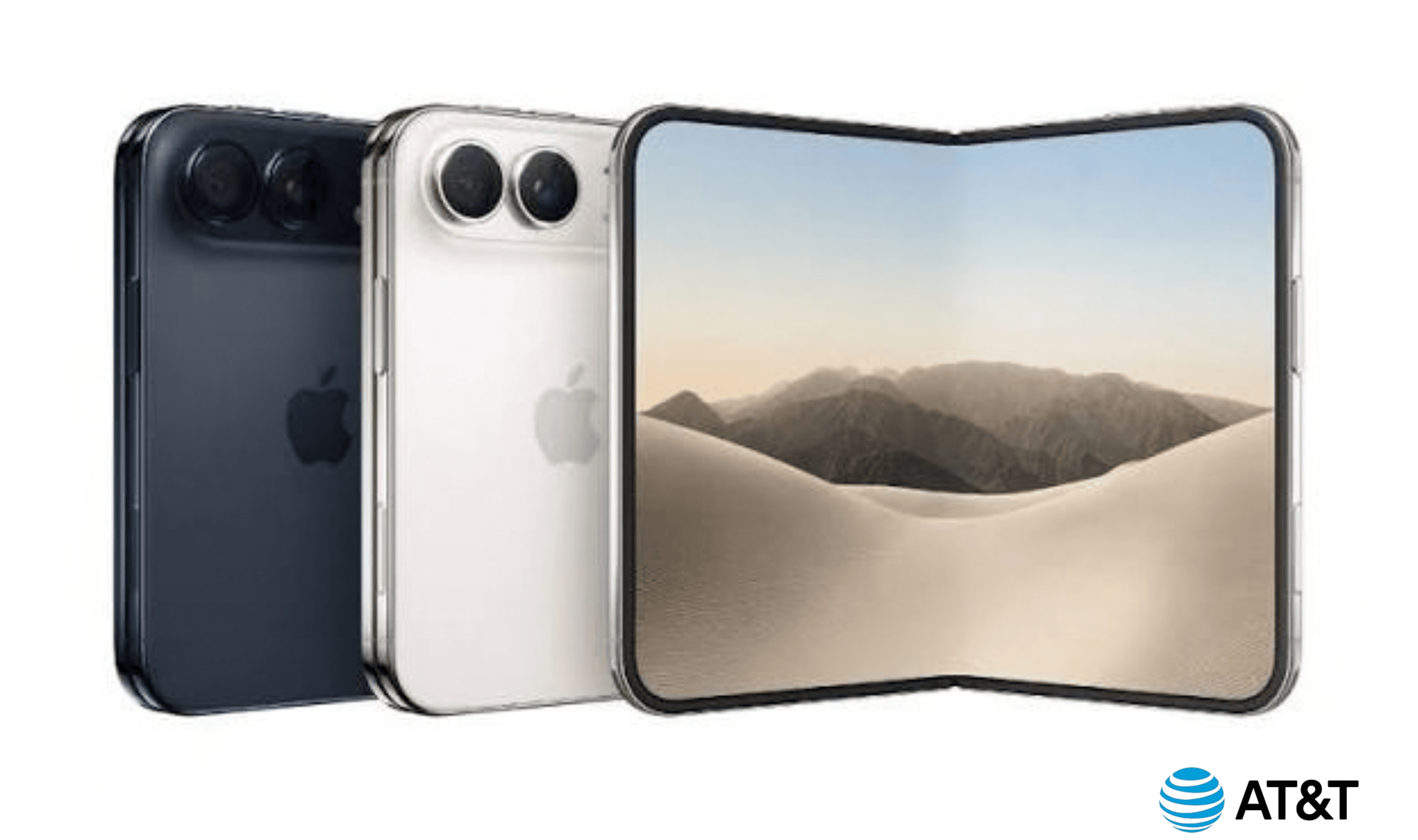
This year's release comes at a critical juncture for the foldable market. Apple is reportedly preparing to launch its first iPhone Fold later in 2026, with supply chain reports suggesting Apple has increased its initial supply of foldable displays from Samsung to as much as 20 million units.
This competitive pressure may drive Samsung to make more substantial upgrades than usual.
Design and Form Factor Evolution
One of the most notable changes rumored for the Galaxy Z Fold 8 is a shift toward a wider, more media-friendly form factor. While the Galaxy Z Fold 7 maintained a tall, narrow aspect ratio when folded (approximately 21:9), early information suggests Samsung may introduce a "Wide" variant alongside the standard model.
Key design differences expected:
Wider Aspect Ratio: The Galaxy Z Fold 8 Wide is rumored to feature a squatter design with an estimated aspect ratio of roughly 9:7 compared to the Fold 7's narrower profile. This would translate to a more square-like inner display that's easier to use one-handed.
Reduced Weight: Multiple reports indicate Samsung aims to make the Z Fold 8 lighter than its predecessor. The Galaxy Z Fold 7 weighs approximately 215 grams, while rumors suggest the Z Fold 8 could drop to around 200 grams through the use of Carbon Fiber-Reinforced Plastic (CFRP) in its chassis.
Improved Crease Visibility: Samsung appears to be going "all in" on reducing the visible crease that has been a hallmark of foldable displays. The company may use Ultra Thin Glass (UTG) combined with laser-drilled metal support plate technology to reduce crease visibility by about 20% compared to the Z Fold 7.
Display Specifications
Display technology represents another area where substantial improvements are anticipated:
Standard Model: The regular Galaxy Z Fold 8 is expected to maintain an approximately 8-inch inner display size similar to its predecessor.
Wide Variant: The rumored wide model could feature a slightly smaller but broader 7.6-inch inner display when unfolded, paired with a more usable 5.4-inch cover screen.
Aspect Ratio Shift: The wider model would reportedly adopt an unusual aspect ratio progression, 18:9 when folded and transforming to a square-like 18:18 when unfolded, making it fundamentally different from the taller Z Fold 7 design.
Performance and Hardware Upgrades
Samsung typically reserves its most notable performance boosts for even-numbered generations, and the Z Fold 8 will follow this pattern:
Processor: The Galaxy Z Fold 8 is expected to feature Qualcomm's Snapdragon 8 Elite Gen 5 chipset (likely in a "for Galaxy" optimized version), representing a substantial upgrade over the Snapdragon chip powering the Z Fold 7.
Battery Capacity: One of the most welcome upgrades could come in battery capacity. The Galaxy Z Fold 7 features a relatively modest 4,400mAh battery, while rumors point to a considerable boost to approximately 5,000mAh for the Z Fold 8, a nearly 14% increase that should translate to noticeably better battery life.
Memory and Storage: While specific details remain scarce, it's reasonable to expect incremental improvements in RAM configurations and storage options, potentially starting at higher base levels than the Z Fold 7.
Camera System Improvements
Camera capabilities have become increasingly important in premium smartphones, and foldables are no exception:
Main Camera Continuity: Early reports suggest Samsung may retain the impressive 200-megapixel main camera sensor introduced with the Galaxy Z Fold 7.
Secondary Camera Upgrades: Where improvements are expected is in the secondary cameras. Rumors indicate potential upgrades including a new high-resolution ultrawide camera (possibly up to 50 megapixels) and improvements to telephoto capabilities.
Selfie Camera Enhancements: Both cover screen and under-display selfie cameras could see improvements in image processing and sensor technology.
Software and Feature Enhancements
Beyond hardware changes, several software and feature differences are anticipated:
S Pen Support Reinstated: One of the most criticized aspects of the Galaxy Z Fold 7 was Samsung's decision to remove S Pen support. Multiple sources now indicate that S Pen compatibility will return with the Z Fold 8, restoring one of Samsung's key productivity differentiators.
Galaxy AI Evolution: Building on AI features introduced with recent devices like February's Galaxy S26 series (which Samsung called "the most intuitive Galaxy AI phone yet"). We can expect further refinement of on-device AI capabilities tailored specifically for foldable workflows.
Durability Improvements: While specific details remain limited, each new generation typically brings incremental improvements in hinge durability and overall build quality.
Pricing Considerations
Pricing remains one of the biggest unknowns for any upcoming flagship device:
Potential Price Increases: Given global economic factors and component cost pressures seen throughout early-to-mid-2020s smartphone cycles, some markets may see price increases. The US saw a $100 increase from Z Fold 6 ($1,899) to Z Fold 7 ($1,999), while UK pricing remained static at £1,799.
Competitive Pressure: With Apple entering the foldable market later this year at what will likely be premium pricing, rumors suggest Apple expects their iPhone Fold to outsell all Samsung foldables combined in its first year. Samsung may need to balance feature upgrades against price sensitivity.
Additional Model Variants
Beyond just comparing standard models, there are indications that Samsung may expand its foldable lineup:
Z Fold FE Possibility: Following last year's introduction of a more affordable Galaxy Z Flip FE model, rumors suggest we might finally see an affordable version of Samsung's book-style foldable, potentially called the Galaxy Z Fold FE.
Tri-Fold Innovation: While not directly part of this comparison, Samsung continues experimenting with tri-fold designs that could influence future generations beyond even these devices.
Conclusion: A Substantial Evolutionary Step
Based on current information available in March 2026, the transition from Galaxy Z Fold 7 to Galaxy Z Fold appears poised as one of Samsung's more substantial generational upgrades in recent years.
Key areas where users can expect meaningful differences include:
1Form Factor Options, Potentially two distinct models including a wider variant
2Weight Reduction, Lighter construction through advanced materials
3Battery Life, Considerable capacity increase addressing previous limitations
4Display Quality, Reduced crease visibility through new technologies
5Productivity Features, Return of S Pen support
6Performance, Next-generation chipset improvements
As we approach summer unveilings later this year, and with Apple preparing its own entry into this space, Samsung appears positioned not just for iterative improvement but for meaningful evolution that addresses key user feedback while pushing foldable technology forward.