
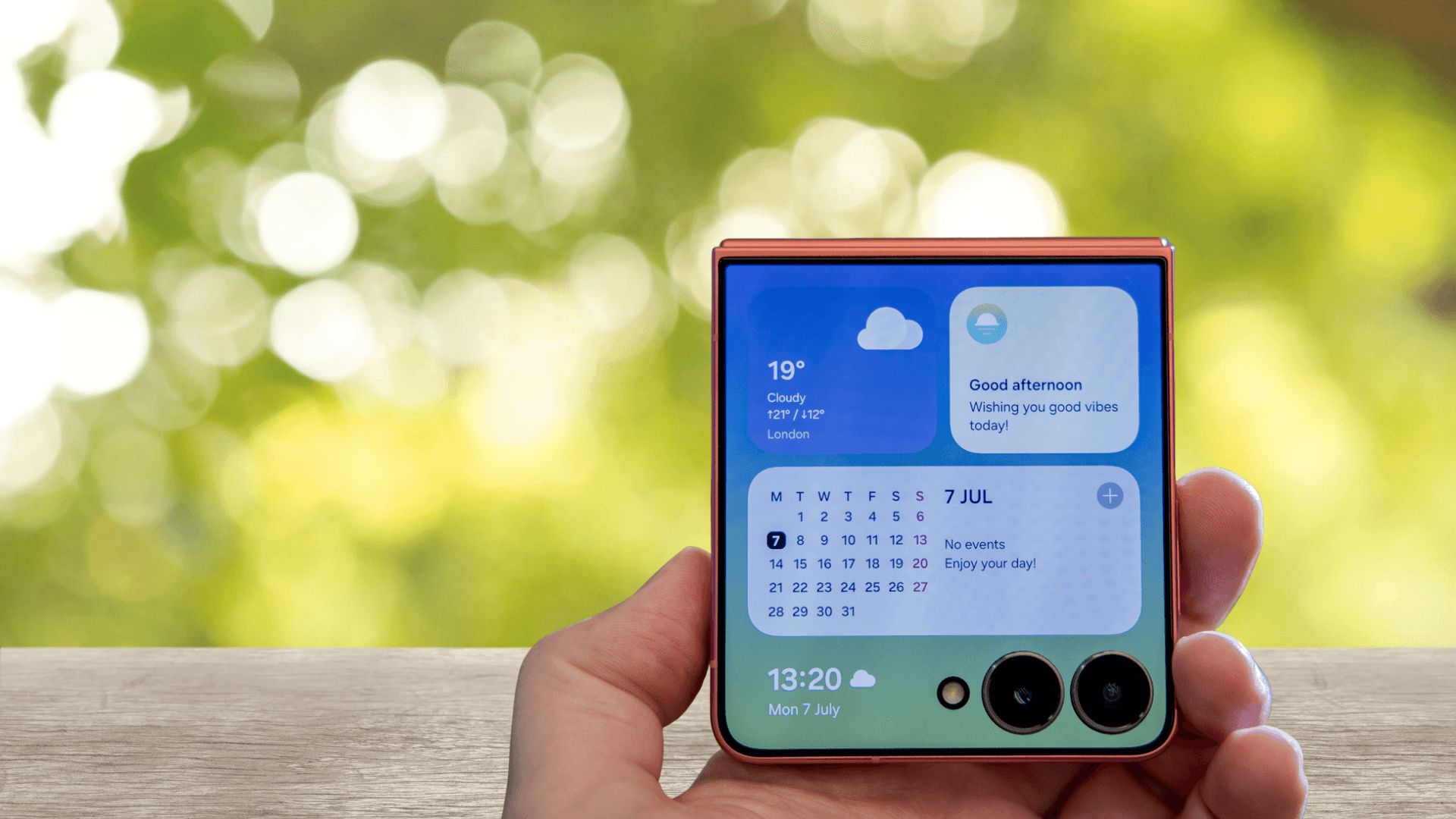
Samsung's Galaxy Z Flip 8 will reportedly maintain identical camera hardware to its predecessor, according to multiple leaks from Dutch publication GalaxyClub. The foldable phone is expected to launch in July 2026 with the same 50MP main sensor, 12MP ultrawide lens, and 10MP selfie camera as the Z Flip 7.
The camera configuration marks the third consecutive generation without major imaging upgrades for Samsung's flip-style foldable. Industry sources suggest the company is prioritizing weight reduction and price stability over camera improvements for the 2026 model.
Samsung plans to reduce the Z Flip 8's thickness and weight by more than 10%, potentially reaching 5.85mm when unfolded and weighing approximately 169-170g. The current Z Flip 7 measures 188g, making the reduction significant for pocketability and daily use.
Price stability remains a key focus, with Samsung reportedly targeting the same $1,099-$1,100 price point as the Z Flip 7. This strategy contrasts with the Galaxy Z Fold 8, which is expected to receive camera upgrades including a 50MP ultrawide sensor from the Galaxy S25 Ultra.
The Z Flip 8's camera continuity extends to the continued absence of a telephoto lens, a feature competitors like Xiaomi's Mix Flip 2 have incorporated. Samsung appears content with its dual-rear-camera formula for the flip series, focusing instead on computational photography improvements through software and AI enhancements.
Performance upgrades will come from Samsung's Exynos 2600 chipset, the company's first 2nm processor. The new silicon is expected to deliver significant performance gains over the Exynos 2500 in the Z Flip 7, potentially improving image processing capabilities despite identical camera hardware.
Battery capacity may see a modest increase to 4,300mAh, up from the Z Flip 7's 4,000mAh unit. Combined with the more efficient 2nm chipset, this could deliver meaningful battery life improvements for the thinner device.
Samsung's strategy creates a clear division between its foldable offerings. The Z Fold 8 is positioned as the premium powerhouse with camera upgrades, while the Z Flip 8 focuses on portability and accessibility. Industry analysts note this approach mirrors the company's broader smartphone segmentation.
The Z Flip 8's camera hardware has remained largely unchanged since 2024, with the 10MP selfie camera tracing back to the original 2020 Z Flip model. Samsung's software optimization has historically compensated for hardware limitations, as evidenced by the Z Flip 7 outperforming Motorola's Razr Ultra in camera tests despite the latter's superior specifications.
Market expectations place the Z Flip 8 as Samsung's key driver for foldable sales growth in 2026. The company reportedly views the device as essential for expanding foldable adoption beyond early adopters to mainstream consumers.
Camera enthusiasts may find the lack of hardware upgrades disappointing, but Samsung appears to be betting on weight reduction and price stability as more compelling selling points. The strategy reflects the company's assessment of what mainstream consumers value most in flip-style foldables.
The Z Flip 8's July 2026 launch will follow Samsung's traditional summer Unpacked event schedule. The device will compete against Motorola's 2026 Razr lineup and other flip-style foldables entering the market with potentially more aggressive camera specifications.
Samsung's conservative camera approach for the Z Flip 8 suggests the company believes software optimization and AI enhancements can deliver satisfactory imaging performance without hardware upgrades. This aligns with industry trends toward computational photography reducing reliance on sensor size and megapixel counts.
The foldable market continues to evolve, with Samsung maintaining its leadership position through differentiated product strategies. The Z Flip 8's camera continuity represents a calculated trade-off favoring accessibility and portability over imaging innovation.