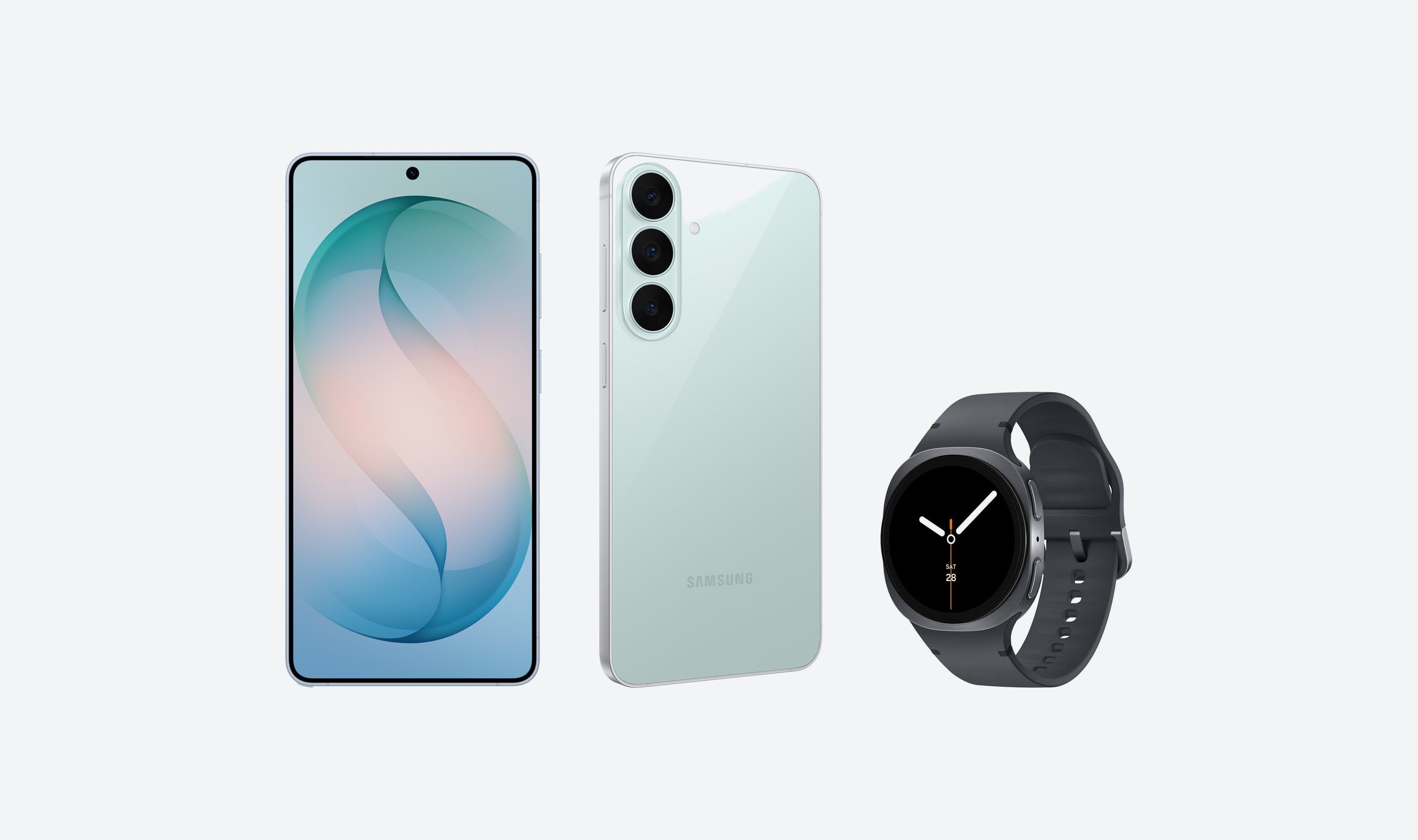

Samsung is testing an AI editing feature that could let Galaxy users change the apparent camera angle after taking a photo, with beta code pointing to a Galaxy S27 requirement. Android Authority found that the feature, called Recompose, checks for AI version 20271 in One UI 9.5 Beta 1.
The discovery came from examining unfinished software on a Galaxy S26 Ultra, where numerous newly identified AI features would not run. Recompose is part of Samsung’s Photo Editor app and extends the existing Move tool with a separate perspective-editing option. The proposed controls include gestures for adjusting the viewpoint and a slider for changing how close background objects appear.
How Recompose Would Work
Users would switch between Move and Recompose inside the editor. Instructions discovered in the code describe dragging a single finger to alter the viewpoint, while gestures with two fingers would handle panning, zooming and rotation.
A separate slider would let users make objects in the background seem nearer or more distant.
The reported process relies on another app, Spatial Core, which would use a depth map to create a three-dimensional rendering from the photograph. After the user adjusts that rendering’s perspective, Photo Editor would upload the image for generative AI processing in the cloud to supply missing image areas.
The Galaxy S27 Connection
The apparent device restriction comes from an AI version check, rather than simply whether a phone has the One UI 9.5 beta installed. Galaxy AI phones carry a firmware-level AI version, and Samsung’s apps consult that value when deciding whether to enable particular features.
Both Voice Recorder and the One UI Home launcher associate 20271 with the S27, while identifying 20261 with the S26. The Galaxy S26 Ultra used for the investigation instead returned 20263 on both stable One UI 9 and the One UI 9.5 beta, below the value Recompose checks.
Samsung brought some S26 capabilities to older handsets during 2026, so the apparent S27 restriction could change rather than remain permanent. The investigation concerns work-in-progress code, and features identified through that process can still be dropped before a public release.