Russia’s internet regulator has deployed machine-learning filtering costing 2.27 billion rubles, while the FSB has invoked confidential rules to defend mobile shutdowns, according to Proton VPN. A separate threat against Wikimedia Foundation could enable website blocking and expose collaborators to prison terms of up to six years.
Reports published on November 13 revealed the machine-learning filtering, which runs on a Russian model that has not been named and sits inside the setup directing TSPU equipment within internet providers’ networks. The system examines connection metadata through deep packet inspection, but cannot read encrypted content. Its use of machine learning excludes large language models.
RKS Global’s Dmitry Kuteinikov suggested that connection characteristics could help identify VPN traffic, warning that business VPNs and cloud services could be blocked incorrectly. Reports of VPN blocking in early November lack published measurements establishing their scale, and Roskomnadzor has not commented. One test involving four servers produced uneven results: three were blocked after periods ranging from three days to about three months, while the fourth remained accessible for four months before being voluntarily closed.
The FSB cited confidential government resolution No. 1407 in defending shutdowns challenged by 24 residents of the Volgograd region. Their April lawsuit seeks compensation over recurring outages between September and December 2025, naming defendants including the FSB, Roskomnadzor and mobile operators. At a November 17 hearing, the FSB denied wrongdoing and invoked the restricted-access resolution from 2025.
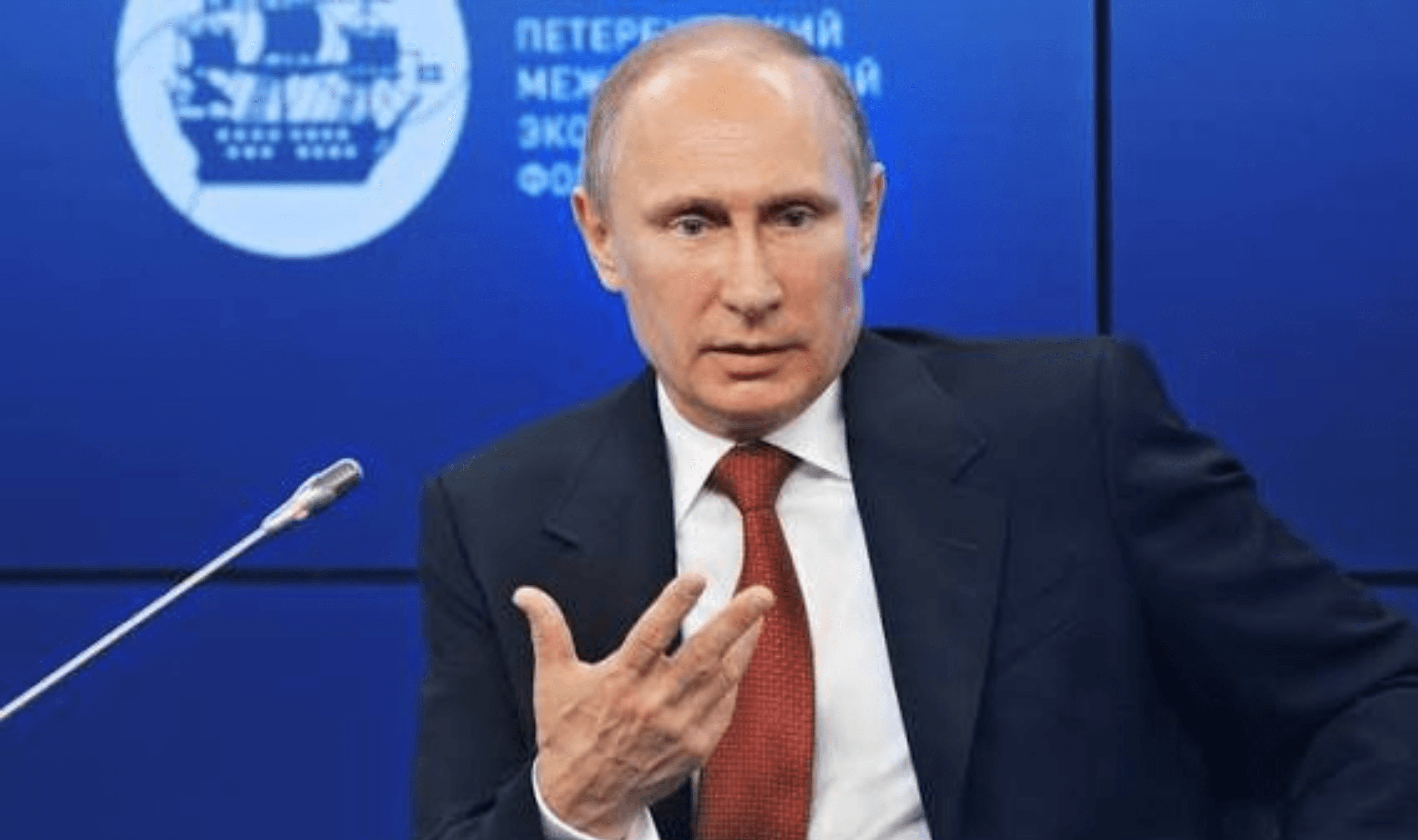
The FSB said it had reached an arrangement with mobile operators MegaFon, MTS and Beeline that bars them from revealing when it orders service restrictions and shields them from liability to customers. Authorities cite protection against drones as the reason for shutdowns, and Putin rejected advance warnings on national security grounds. Parts of the Ulyanovsk region face shutdowns linked to the military operation’s duration.
Mobile shutdowns became widespread in May 2025, and Na Svyazi counted more than 650 local incidents the following month. By March 2026, the group reported restrictions affecting an average of 63 regions each day. SberMobile recorded a 22% decline in Russian mobile data consumption during the first half of 2026.
The Prosecutor General’s Office threatened Wikimedia Foundation on November 19 with designation as an undesirable organization, alleging destabilization without identifying specific content. Wikimedia Foundation said it is weighing its options. A draft allocation for filtering during 2027 through 2029 approaches 60 billion rubles, about double the annual amount planned earlier.