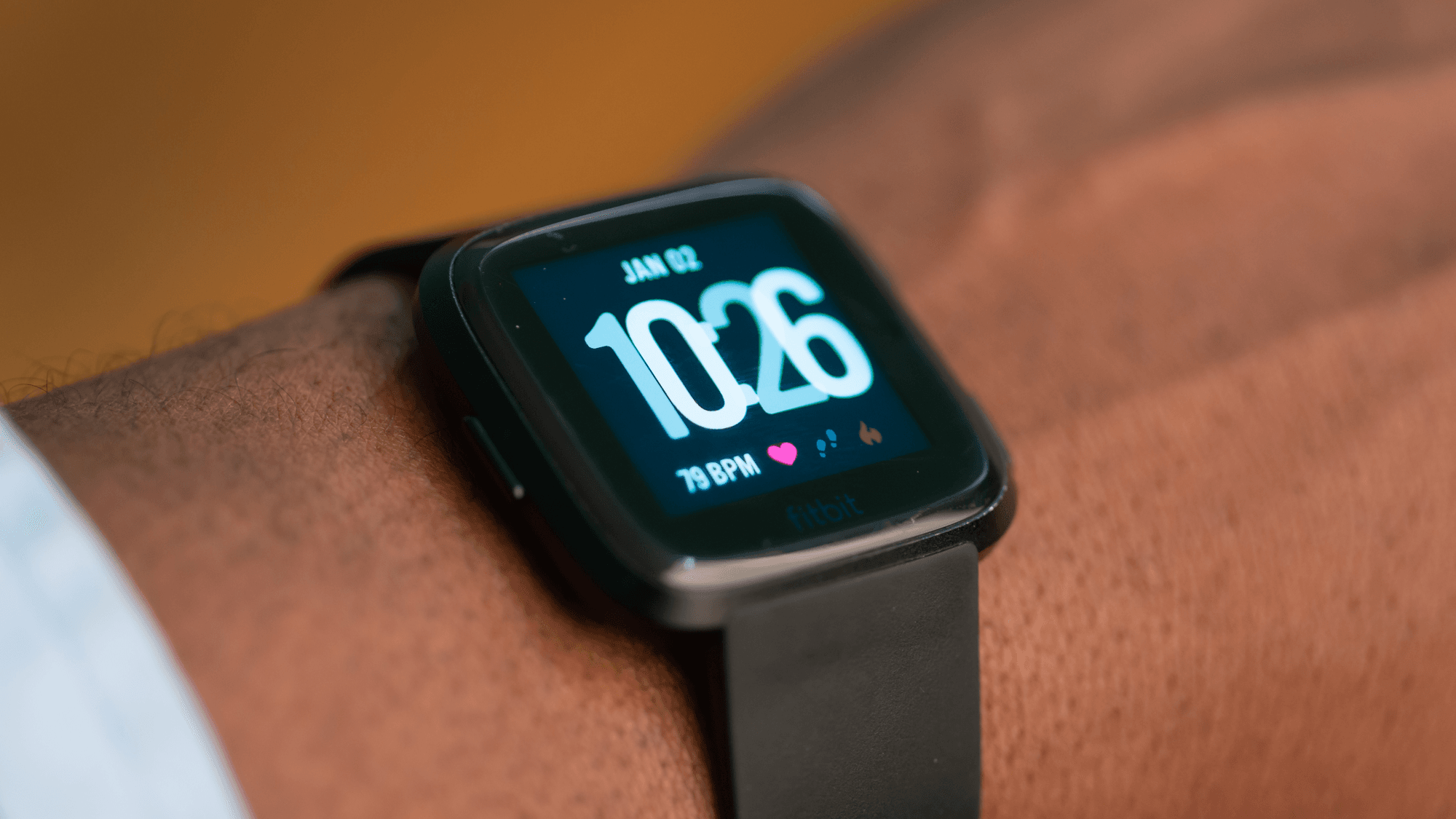
The first question is which phone you have. Apple Watch only pairs with an iPhone, while Fitbit trackers work with both iPhone and Android. If you have an iPhone and want a full smartwatch with a cellular option and Apple's sleep apnea and hypertension notifications, Apple Watch is the closer fit. If you use Android, or you want a tracker from $99.95 that Google rates for six to ten days on a charge, look at Fitbit.
Prices
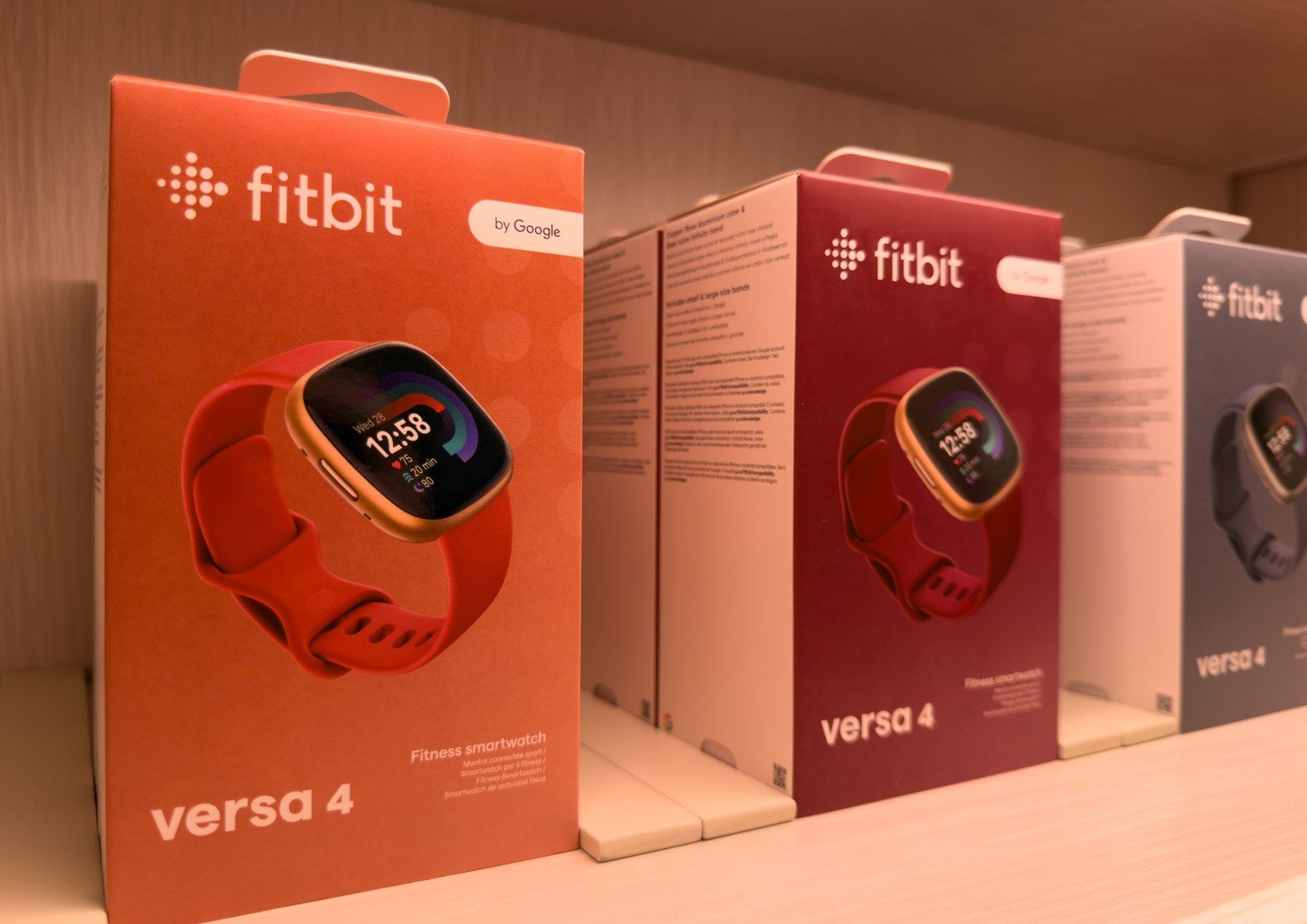
Google's US store lists the Fitbit Inspire 3 at $99.95, the screenless Fitbit Air from $99.99, the Charge 6 at $159.95, the Fitbit Edge from $179.99, the Versa 4 at $199.95 and the Sense 2 at $249.95.
Apple's current lineup starts with the Apple Watch SE 3 at $249 for the 40mm GPS model. The Series 12 starts at $399 for the 42mm aluminum model with GPS, or $499 with GPS + Cellular. The Apple Watch Ultra 4 costs $799 with cellular built in.
Phone compatibility
Fitbit trackers work with both iPhone and Android phones through the Google Health app, which replaced the Fitbit app in May 2026 and needs a Google Account. Google's product pages list iOS 16.4 or Android 11 or later, but its app help now lists Android 14 or later, so check your phone before buying. Apple Watch needs an iPhone 11 or later, or an iPhone SE (second generation) or later. The Series 12 and Ultra 4 need iOS 27, and the SE 3 needs iOS 26 or later. Google's own Pixel Watch is the Android-only option on Google's side.
Battery life
Fitbit's battery ratings are far longer. Google rates the Inspire 3 at up to ten days, the Charge 6, Edge and Air at up to seven days, and the Versa 4 and Sense 2 at six-plus days. Using GPS cuts that sharply, with the Sense 2 rated at up to five hours of continuous GPS.
Apple rates the SE 3 at up to 18 hours of normal use and the Series 12 at up to 24 hours, or 32 and 38 hours in Low Power Mode. The Ultra 4 stretches to up to 50 hours, or 84 hours in Low Power Mode.
Health features
- ECG: in the US, the Fitbit Edge, Charge 6 and Sense 2 can take an ECG reading, and so can the Apple Watch Series 12 and Ultra 4. The Apple Watch SE doesn't support the ECG app.
- Irregular rhythm notifications: Google offers them on all of its current Fitbit trackers in select locations, with firmware and eligibility rules, and Apple offers them on every current Apple Watch, including the SE 3.
- Blood oxygen: Fitbit estimates blood oxygen while you sleep. Apple offers Blood Oxygen on the Series 12 and Ultra 4, not the SE 3.
- Sleep apnea and hypertension alerts: Apple Watch offers sleep apnea notifications on all three current models and hypertension notifications on the Series 12 and Ultra 4. Google offers blood pressure and sleep breathing trends on some of its devices, but says they are not screening tools for either condition.
- Temperature: both track changes in skin or wrist temperature.
GPS and cellular
The Charge 6, Versa 4, Sense 2 and Edge have built-in GPS, so you can run without your phone. The Inspire 3 and Air use your phone's GPS. None of the Fitbit trackers covered here has a cellular option. Every Apple Watch has built-in GPS, and every model can be bought with cellular.
Subscriptions
Google Health Premium, the new name for Fitbit Premium, costs $9.99 a month and adds coaching, fitness plans, deeper sleep insights and a library of workouts. Apple Fitness+ costs $9.99 a month or $79.99 a year for guided workouts, meditation and Custom Plans. Neither is required to use the watch.
Which one to get
Choose Apple Watch if you use an iPhone and want a full smartwatch, a cellular option and Apple's sleep apnea notifications, plus hypertension notifications on the Series 12 or Ultra 4. Choose Fitbit if you use Android, or want a lower starting price and longer rated battery life. If you are moving from an older Fitbit, note that Google ended Fitbit account access after May 19, 2026, so you need to move to a Google Account to keep using the app.