Canvas not working in Chrome often means Chrome is out of date, Canvas site data is stale, cookies are blocked, JavaScript is off, an extension is interfering, or a site permission needs changing. Canvas LMS also breaks when you use the wrong school login page or an old bookmark.
Start with the fastest fixes, then move into permissions, graphics settings, and Chrome reset options only when the simpler steps do not bring Canvas back.
Start with the right Canvas page and current Chrome
A wrong school URL or stale bookmark sends you to the wrong account type and makes Chrome look like the problem. Go to https://www.instructure.com/canvas/login, choose Students and Educators, search for your school, and select the matching login page.
For a free account, use Free Canvas Account, then choose Canvas Login or K12 Login. Next, update Chrome from More > Help > About Google Chrome, let the update finish, and select Relaunch.
If Canvas still opens to a blank page, login loop, unsupported-browser banner, or badly formatted course page after Chrome relaunches, clear Canvas site data next.
Clear only Canvas site data
Use this when Canvas is the only site acting up.
- 1.Open Chrome's More menu and choose Settings.
- 2.Go to Privacy and security > Third-party cookies.
- 3.Open See all site data and permissions.
- 4.Search for instructure.com or your school's Canvas URL.
- 5.Select the Delete icon, then choose Delete.
Use a broader Chrome cleanup
Run this when Canvas still fails after Canvas-only clearing, or when several websites behave incorrectly in Chrome. This removes the Chrome data types you select for the time range you choose.
Open More > Delete browsing data. Choose Time range, such as All time.
Select Cookies and other site data and Cached images and files.
Choose Delete data, then reload Canvas.
Allow third-party cookies for Canvas tools
Canvas needs cookies enabled, and external LTI tools such as Google Drive or Kaltura need third-party cookies for embedded content.
Open More > Settings > Privacy and security > Third-party cookies. Under Sites allowed to use third-party cookies, select Add, enter your Canvas URL or the related tool URL, then select Add.
For a temporary check on the affected page, select Third-party cookies blocked in the address bar and turn on Third-party cookies.
If cookies are allowed and Canvas still will not run correctly, turn JavaScript back on next.
Turn JavaScript back on
Canvas requires JavaScript. When JavaScript is blocked in Chrome, the course page or embedded tool fails before it loads.
Open More > Settings > Privacy and security > Site settings > JavaScript.
Select Sites can use JavaScript.
Reload Canvas.
Use Incognito to find extension conflicts
This isolates Canvas failures caused by extensions, cached data, cookies, or profile settings. Incognito runs without your extensions and without your normal profile's cached data, so it tells you where the problem is; the steps below then fix it in your normal Chrome window.
Open More > New Incognito window, or press Ctrl + Shift + n on Windows, Linux, or ChromeOS. On Mac, press Command + Shift + n.
Sign in to Canvas in the Incognito window.
Test the same course page, quiz, assignment, video, or embedded tool that failed in your normal Chrome window.
For an embedded tool in Incognito, temporarily allow third-party cookies because Chrome blocks them there by default.
When Canvas works in Incognito, return to your normal Chrome window.
Open More > Extensions > Manage extensions.
Turn off your extensions.
Reload Canvas.
Turn the extensions back on one at a time.
When the problem returns, select Remove on that extension and confirm Remove.
Fix blocked Canvas permissions
The most common cause here is a Canvas permission Chrome has blocked, such as pop-ups, camera, microphone, JavaScript, downloads, or another per-site permission.
When Chrome blocks a Canvas pop-up, select the Pop-up blocked icon in the address bar, choose Always allow pop-ups and redirects from [site], then choose Done.
To change pop-ups from Chrome settings, open More > Settings > Privacy and security > Site Settings > Pop-ups and redirects, then add the Canvas site.
For Canvas recording, SpeedGrader, or Studio media tools, choose Allow when Chrome asks for camera or microphone access below the address bar.
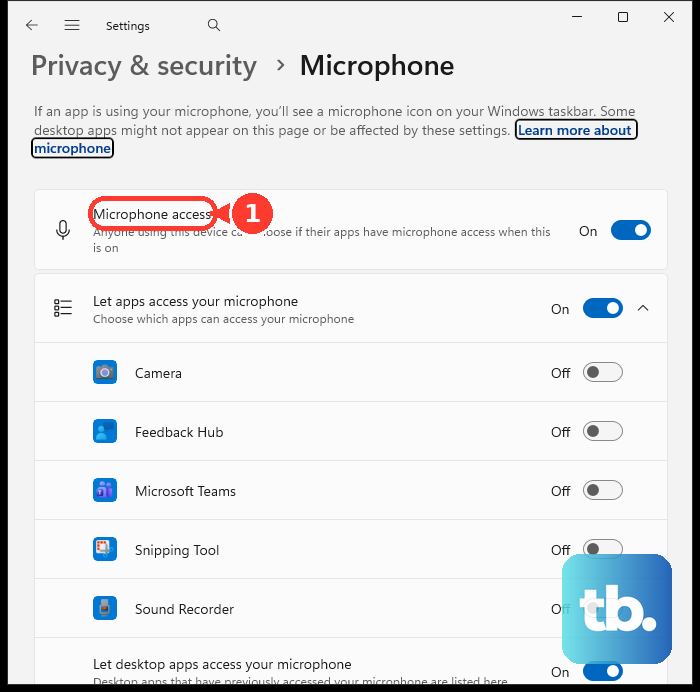
If you already blocked media access, open Canvas, select View site information to the left of the web address, choose Site settings, and change Camera and Microphone.
To undo a broader Canvas-specific block, open Canvas, select View site information, choose Site settings, and select Reset permissions when that button appears.
For insecure embedded course content, use the secure https:// version whenever it exists. Permit content from the Not Secure symbol and Site settings only when you trust the page and need that content for the course.
Fix blank or flickering interactive content
Open Chrome's More menu.
Go to Settings > System.
Turn Use graphics acceleration when available off when the Canvas page is blank or flickering.
Turn Use graphics acceleration when available on when WebGL or canvas content reports missing support.
Select Relaunch.
Reload the Canvas page.
For long quizzes, assignments, or media pages that reload after sitting inactive, add Canvas from Settings > Performance > Always keep these sites active.
Use the last Chrome fixes
Use these final fixes after updates, data clearing, cookies, JavaScript, Incognito, extensions, permissions, and graphics settings fail. They also fit Chrome problems caused by changed settings or locked school and work policies.
Reset Chrome from More > Settings > Reset settings > Restore settings to their original defaults, then choose Reset settings. Bookmarks and saved passwords stay in place.
Restart the connection by turning off the computer. Unplug the modem and router, wait about one minute, plug them back in, wait for the lights to stop blinking, turn on the computer, open Canvas, and select Reload.
On Windows, Mac, and Chromebook devices with a battery installed, turn off Energy Saver during video, recording, quizzes, or heavy interactive Canvas work. Open Settings > Performance > Energy Saver, or use the Energy Saver icon next to the address bar and choose Turn off now.
If Chrome still has broader browser problems, uninstall and reinstall it. On Windows 11, use Start > Settings > Apps > Installed apps > More next to Google Chrome > Uninstall; on Mac, quit Chrome and drag Google Chrome from Applications to Trash; on Linux, remove google-chrome-stable with sudo dpkg -r google-chrome-stable or sudo rpm -e google-chrome-stable.
Install Chrome again from https://www.google.com/chrome/.
On a phone or tablet, use the official Canvas app instead of mobile Chrome. Instructure says mobile browsers have limited Canvas support and recommends its product mobile apps; the learner app supports Android 9.0 or later and iOS 18.0 or later.
If Chrome says it is managed and cookie, JavaScript, or pop-up settings are locked, contact your school or work admin.
Flash cannot be enabled in current Chrome. Older Chrome paths that mention Advanced > Site Settings > Cookies and Site Data have been replaced by Privacy and security > Third-party cookies.
Frequently Asked Questions
Why does Canvas work in Incognito but not normal Chrome?
That points to extensions, cache, cookies, or profile settings. Disable extensions and turn them back on one at a time to find the conflict.
Why do Google Drive or Kaltura items not load in Canvas?
Those embedded tools can require third-party cookies. Allow third-party cookies for your Canvas URL or the related tool URL in Chrome.
Will resetting Chrome delete bookmarks or saved passwords?
No. Chrome reset keeps bookmarks and saved passwords, then you can reload Canvas afterward.
Should I use Canvas in mobile Chrome?
Use the official Canvas app on mobile. Instructure says mobile browsers have limited Canvas support and recommends its mobile apps; the learner app supports Android 9.0 or later and iOS 18.0 or later.