You need to check whether an app is installed, but Windows spreads different app types across Settings, Start, Store, Edge, and command-line tools. Start with the built-in Windows 11 screens first, then use the advanced lists when you need a cleaner inventory. These are the current Microsoft-supported ways to find installed apps on Windows.
1. Start in Installed apps
For a normal installed-app check, use Settings first. It is the main Windows 11 place for viewing installed apps and removing them.
- 1.Select Start.
- 2.Select Settings.
- 3.Select Apps.
- 4.Select Installed apps.
- 5.Use the app list or the search box to find the app.
To remove an app from this page, select More next to the app, then select Uninstall.
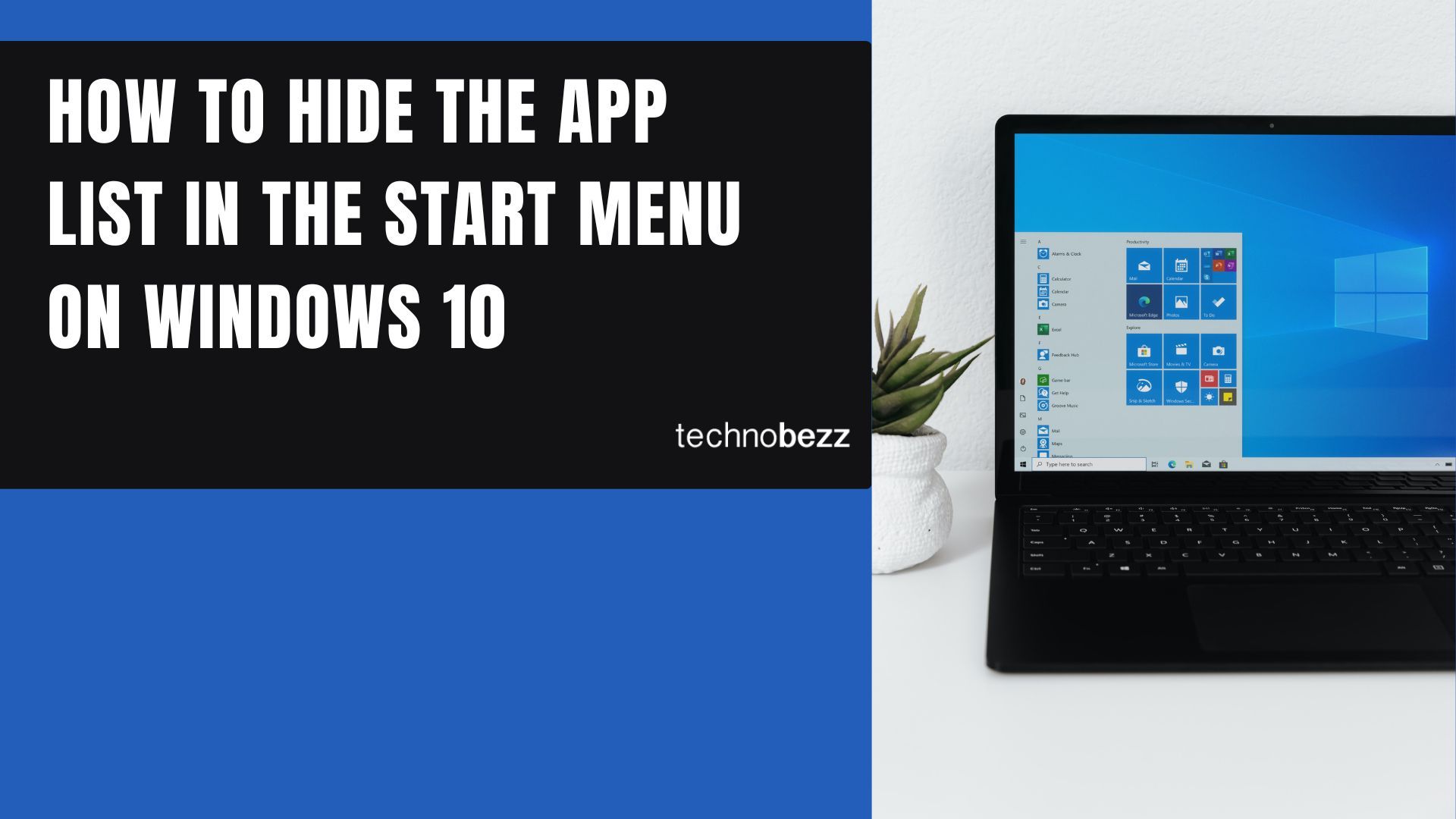
2. Browse All apps from Start
- 1.Select Start.
- 2.Select All apps.
- 3.Look through the list, or switch the All section between Category, Grid, and List view where those options appear.
- 4.Press and hold or right-click an app, then select Uninstall if you want to remove it.
Use the Start menu list when you want to confirm that an app is present and open it quickly. Use Settings > Apps > Installed apps when you want the fuller installed-apps page.
3. Search for a known app name
If you already know the app name, Windows Search is faster than browsing a long list: select Search on the taskbar, type the app or program name, then select the matching result.
You can do the same from the keyboard: press the Windows key, type the app name, then select the result.
4. Check Programs and Features
Classic desktop programs still appear in the older Control Panel list, especially when a program does not uninstall cleanly from Settings.
- 1.Select Search on the taskbar.
- 2.Type Control Panel.
- 3.Select Control Panel from the results.
- 4.Select Programs.
- 5.Select Programs and Features.
- 6.Press and hold or right-click a program, then select Uninstall or Uninstall/Change.
There is also a Run shortcut, appwiz.cpl, that opens this same Programs and Features surface. Treat it as a shortcut to Control Panel, not the primary Windows 11 route.
5. Open the apps folder view
- 1.Right-click Start and select Run, or press Windows + R.
- 2.Type shell:appsfolder.
- 3.Select OK or press Enter.
- 4.Review the applications shown in the folder window.
Windows has a File Explorer-style apps folder that shows application entries in one window. This view is useful when you prefer browsing app shortcuts and app entries outside the Start menu.
6. Separate Store and Edge app installs
Some app-style installs belong to Microsoft Store or Microsoft Edge, so check those places directly when the app came from one of them.
For Microsoft Store apps and games, open Microsoft Store, go to the library, then select My Library. Items with a Download icon have not been downloaded yet; items without that icon help identify Store apps already on the PC.
For Edge web apps, open Microsoft Edge, go to edge://apps, then review the installed web apps shown there. Use Open to launch one, or select Details and then Uninstall to remove it.
Neither screen is a complete Windows app inventory. Use them for Store downloads and websites installed as apps through Edge.
7. Review startup apps separately
The startup list answers a different question: which installed apps register startup behavior.
- 1.Select Start.
- 2.Select Settings.
- 3.Select Apps.
- 4.Select Startup.
- 5.Review the listed apps.
- 6.Use each On or Off toggle to control whether that app starts automatically.
- 7.Select the chevron for advanced settings where it appears.
This page is not a full installed-app list. Use it when you are checking apps that start with Windows.
8. Build a command-line inventory
- 1.Open Windows Terminal, Command Prompt, or PowerShell.
- 2.Run winget list.
- 3.Run winget list --name <app name> to filter by name.
- 4.Run winget list --id <app id> to filter by package ID.
- 5.Run winget export -o <output.json> to create a package list file.
Windows Package Manager gives you a text-based list from Windows Terminal, Command Prompt, or PowerShell. Microsoft says export attempts to export all applications installed on the PC, and unmatched apps produce warnings. Use the export file as a restorable or shareable package list, not as a complete forensic inventory.
9. Use PowerShell for package-specific lists
PowerShell is best when you need app-package detail instead of a general consumer app list.
- 1.Open PowerShell or Windows Terminal.
- 2.Run Get-AppxPackage to list AppX and MSIX packages installed in the current user profile.
- 3.Run PowerShell as administrator.
- 4.Run Get-AppxPackage -AllUsers to list AppX and MSIX packages for all user accounts.
- 5.Run Get-Package to return software packages installed with PowerShell PackageManagement providers.
Get-AppxPackage does not list every classic desktop program. Get-Package does not return every app installed by every installer technology.
Skip old WMIC app commands such as wmic product get name. Microsoft lists WMIC as deprecated and superseded by PowerShell for WMI, and Windows 11 version 25H2 uninstalls WMIC during feature update.
Frequently Asked Questions
Why do I see an app in Start but not in Microsoft Store Library?
Microsoft Store Library only covers Store apps and games tied to the signed-in Microsoft account. Non-Store desktop programs belong in Settings, Start, Control Panel, winget, or PowerShell lists.
Can I see which apps start automatically with Windows?
Yes. Go to Start > Settings > Apps > Startup. That page lists apps that register startup behavior and lets you turn each one on or off.
How do I find apps installed on a child’s device?
Family organizers can sign in at account.microsoft.com/family, select the family member, choose Windows, Xbox, Edge, or Mobile, then select Apps and games.
What changes on a work or school managed PC?
Administrators can view App inventory in Microsoft Intune for enrolled, Microsoft Entra joined Windows 10/11 devices, but only after assigning an app inventory device configuration policy. On the PC itself, use Settings, Start, Search, Control Panel, Store, Edge, winget, and PowerShell.