
Samsung's Galaxy S26 Ultra faces Apple's iPhone 17 Pro Max in a camera showdown that could define 2026's premium smartphone market. The iPhone 17 Pro Max launched in September 2025, while Samsung's flagship arrives February 25, 2026 according to multiple leaks from South Korean media and tipster Evan Blass.
Apple reclaimed the top smartphone position in 2025 with 20% global market share versus Samsung's 19%, according to Counterpoint Research data. The iPhone maker's fourth quarter marked its strongest performance ever with 25% of global shipments. This sets the stage for a critical camera technology battle between the industry leaders.
Sensor Stacking: Triple-Layer vs Traditional
Apple's chip deal with Samsung, announced in August 2025, centers on triple-layer stacked image sensors for the iPhone 18 and beyond. The Financial Times reported Samsung will manufacture three-layer stacked sensors for Apple's next-generation iPhones. This technology reduces signal loss and improves low-light performance by stacking the photodiode layer separately from the circuit layer.
Samsung's Galaxy S26 Ultra is rumored to feature a 200-megapixel main sensor, according to analysis of leaked specifications from multiple sources including Rokform and PhoneArena. The South Korean manufacturer has included dual-aperture designs since the Galaxy S9 in 2018, but the small sensor size limited effectiveness.
Industry analysts suggest Samsung may need larger sensors and more aperture flexibility to compete with Apple's upcoming variable aperture system.
Aperture Control: Variable vs Fixed
Apple plans to introduce variable aperture lenses on the iPhone 18 Pro and Pro Max models, according to CNET's analysis of 2026 smartphone expectations. This technology allows manual adjustment of light reaching the sensor, offering photographers more control over depth of field and exposure. Variable aperture represents Apple's first major hardware camera innovation since computational photography became dominant.
Samsung's approach focuses on computational photography through software enhancements. The Galaxy S26 Ultra's camera system reportedly features minor hardware upgrades with significant software improvements.
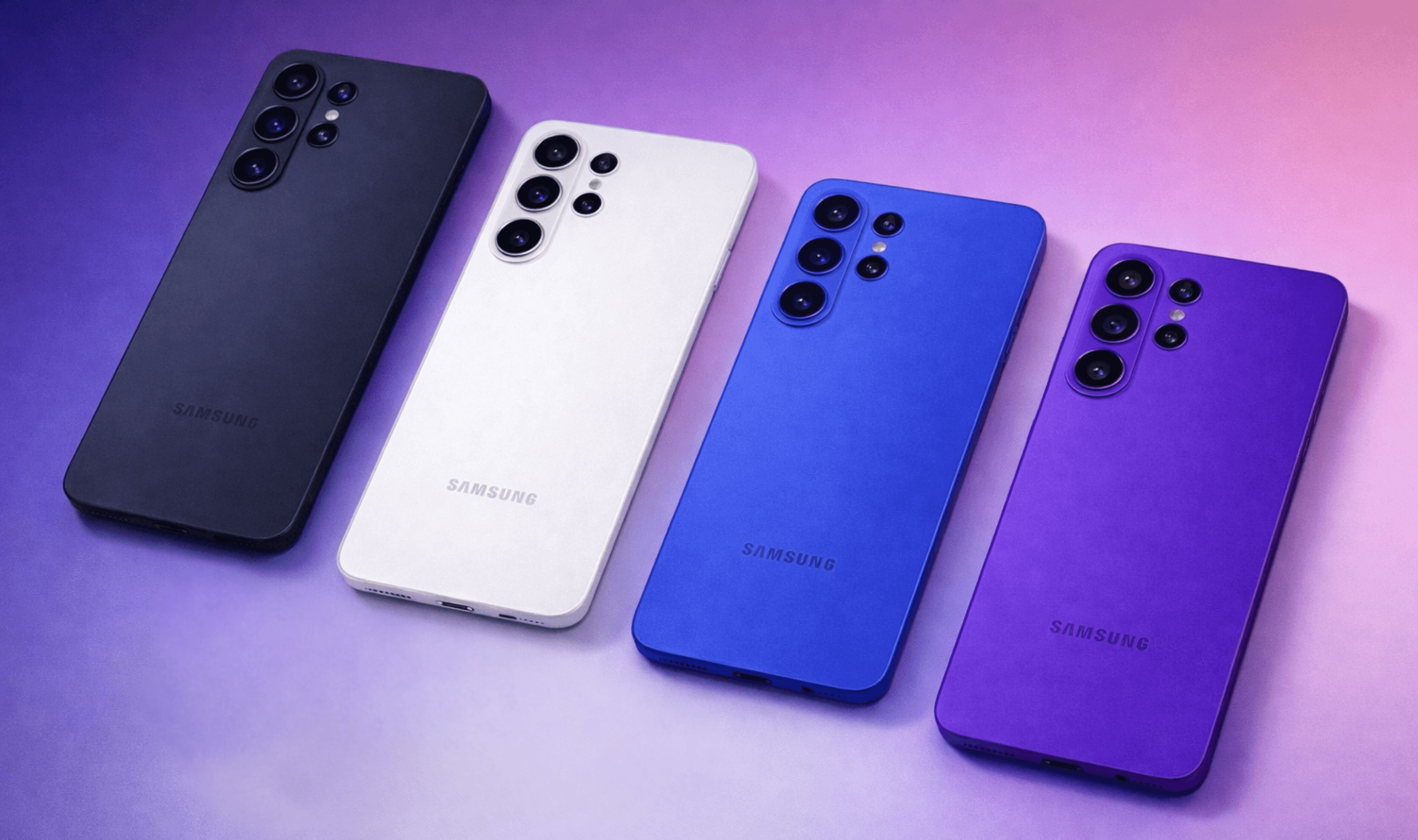
Leaked images show the S26 Ultra's camera bump protrudes more than expected, potentially housing larger sensors or additional stabilization hardware.
Camera Array Design Philosophy
The Galaxy S26 Ultra features three cameras in a vertical bump with an additional sensor to its right, according to PCMag's analysis of leaked renders. This contrasts with the iPhone 17 Pro Max's rectangular camera bump design introduced in 2025. Samsung's S26 Edge model adopts a horizontal bump similar to Apple's flagship, suggesting design convergence in the premium segment.
Apple's camera design prioritizes integration and visual cohesion, with the iPhone 17 Pro Max's rectangular bump representing the company's most significant design change in years.
Samsung's approach maintains the Ultra series' distinctive multi-camera array while reportedly improving sensor integration and reducing protrusion.
Computational Photography Divergence
Apple's computational photography relies heavily on the A19 Pro chip's neural processing capabilities. The iPhone 17 Pro Max delivers what reviewers call the best battery life since the iPhone 13 Pro Max, providing sustained processing power for real-time image enhancement. Apple's approach emphasizes consistency and automated optimization across shooting scenarios.
Samsung's Galaxy AI features, introduced with the S25 series, focus on cross-app actions and generative image capabilities. The S26 Ultra reportedly builds on this foundation with enhanced low-light processing and improved video stabilization.
Industry analysts note Samsung's software advantage in customization and manual controls, while Apple leads in automated optimization and ecosystem integration.
Market Positioning and Pricing
The iPhone 17 Pro Max starts at $1,199 for 256GB storage in the US market, according to Rokform's comparison analysis. Early leaks suggest the Galaxy S26 Ultra will land in the $1,299-$1,399 range for base configurations. Samsung faces pressure to maintain pricing while incorporating more expensive components amid an AI-related chip shortage affecting 2026 Android devices.
Apple's mid-range expansion with models like the iPhone 16e targets price-sensitive Android users, according to DW's analysis of global smartphone trends. Samsung's response focuses on premium differentiation through camera technology and S-Pen integration.
The Galaxy S26 Ultra's camera system represents Samsung's attempt to reclaim photographic leadership while maintaining its traditional $100-$200 price advantage over Apple's Pro Max models.
Launch Timing and Competitive Context
Samsung's February 25 Unpacked event timing places the S26 Ultra launch approximately five months after the iPhone 17 Pro Max's September 2025 debut. This gap allows Samsung to respond to Apple's camera innovations while facing pressure from Google's Pixel 10 series, which features native Qi2 magnetic charging absent from Samsung's 2026 lineup.
The camera competition occurs as smartphone upgrade cycles stretch to three or four years, according to Counterpoint Research. Both companies need compelling camera improvements to motivate upgrades from devices purchased during the pandemic-era surge. Apple's variable aperture and Samsung's sensor enhancements represent hardware-focused responses to market saturation.
Industry analysts suggest 2026's camera battle will center on low-light performance, computational photography efficiency, and professional-grade controls. Apple's ecosystem integration and Samsung's Android flexibility create distinct photographic experiences that appeal to different user segments.
The outcome will influence not only 2026 sales but also the direction of mobile photography development through the remainder of the decade.