
Apple's iPhone 18 lineup will build on existing charging technology rather than reinvent it, according to industry leaks. The 2026 flagship models will reportedly maintain USB-C connectivity while pushing wireless charging speeds to 25W through Qi2.2 standards.
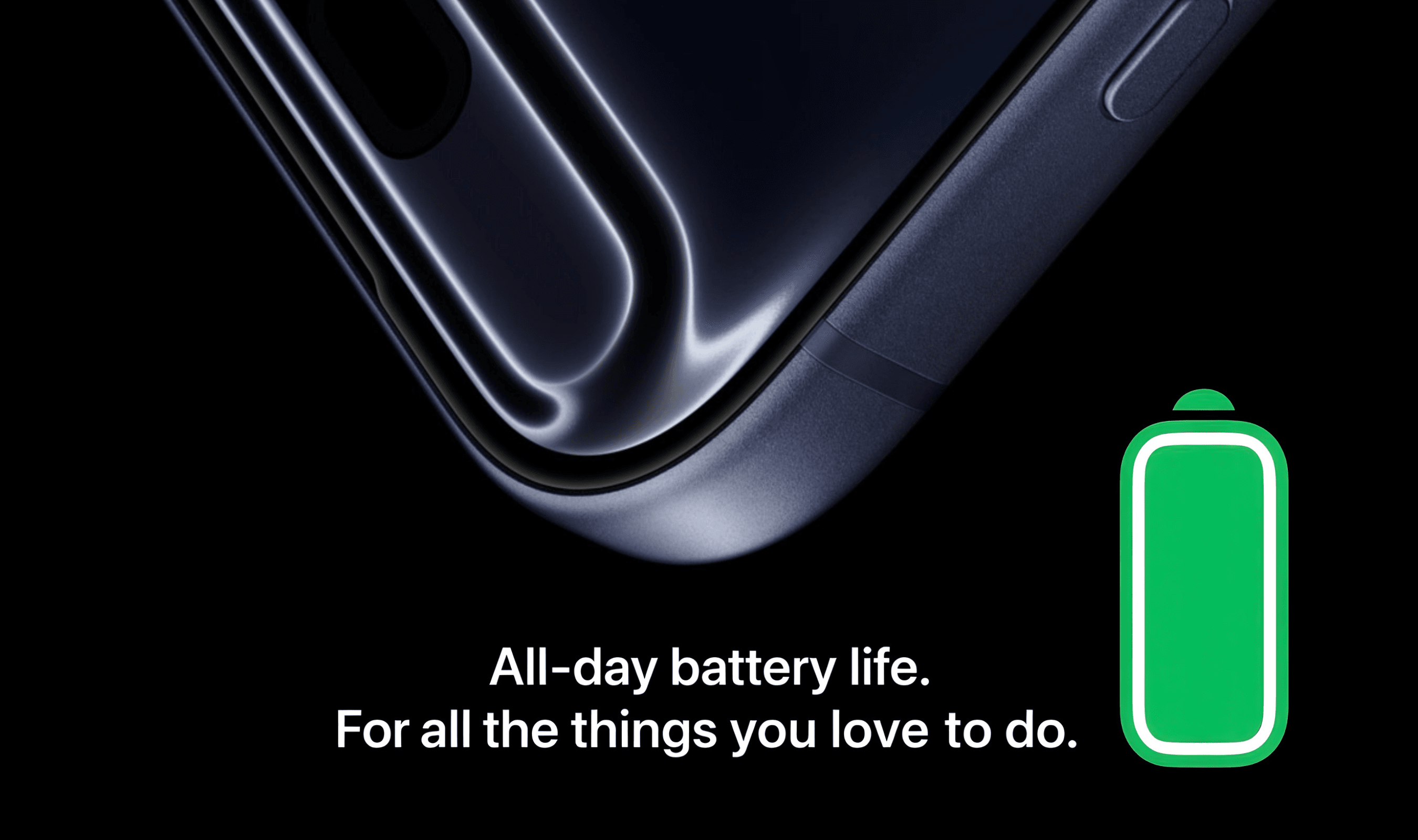
Battery capacities could see incremental increases across the lineup. The iPhone 17 Pro Max currently uses a 4823-5088 mAh battery depending on configuration. Apple typically increases capacity or improves efficiency with each generation.
New silicon-carbon battery technology may enable higher energy density without increasing device thickness. This approach aligns with Apple's focus on maintaining slim profiles while extending battery life.
Wireless charging improvements center on heat management. Active cooling systems in third-party chargers like Anker's Prime Wireless Charging Station and LISEN's 3-in-1 desk charger use fans to maintain 25W speeds without thermal throttling. These systems operate at 19 dB, making them suitable for bedroom use.
The Qi2.2 standard represents a significant leap for MagSafe charging. Anker claims its Prime Wireless Charging Station can charge an iPhone 17 Pro to 50% in 26 minutes and 80% in 55 minutes. LISEN reports similar 22-minute 50% charge times for the iPhone 17 Pro.
Apple's foldable iPhone, expected alongside the iPhone 18 lineup in late 2026, may feature a 5500 mAh battery. This capacity would position it as Apple's largest smartphone battery, addressing the power demands of dual-screen devices.
Charging performance depends on power adapters as well as device hardware. Apple recommends 30W or higher USB-C adapters for peak wired speeds with current MagSafe charging and USB-C performance.
Third-party charger manufacturers are addressing thermal limitations that previously constrained wireless charging speeds. Anker's "AirCool" system uses biomimetic airflow channels to keep iPhones below 100°F during charging. LISEN's cooling fan allows users to toggle between "Cool Mode" for maximum speed and "Sleep Mode" for silent overnight charging.
The iPhone 18's charging ecosystem will reportedly focus on practical improvements rather than radical changes. USB-C ports will continue offering faster wired charging than previous Lightning connectors, while MagSafe alignment and efficiency could see refinements.
Pricing for premium charging accessories reflects these technological advancements. Anker's Prime Wireless Charging Station has a retail price of $149.99 ($120 during launch promotion), while LISEN's 3-in-1 desk charger includes a 45W power adapter. Both represent the premium segment of the Qi2.2 market.
Apple's approach to charging technology emphasizes ecosystem integration over standalone innovation. The company's focus remains on balancing charging speed with battery longevity and device thermals.
Exact specifications for iPhone 18 charging rates and battery sizes will become clearer as launch details firm up later this year. Industry analysts expect Apple to reveal more information during its traditional September event timeframe.
The foldable iPhone's charging requirements present unique engineering challenges. Larger batteries and dual-screen operation demand efficient power management systems. Apple's solution will likely combine hardware optimizations with software-based battery management.
Third-party accessory makers are preparing for the iPhone 18's arrival with advanced charging solutions. These products demonstrate the maturing wireless charging market, where speed no longer requires significant trade-offs in convenience or noise.
Apple's charging strategy for 2026 appears focused on incremental refinement rather than disruption. This approach aligns with the company's historical pattern of gradually improving established technologies while maintaining backward compatibility.
The iPhone 18's charging capabilities will ultimately depend on Apple's balance of performance, efficiency, and thermal management. Early indications suggest a continuation of current trends with measured improvements across all charging methods.