
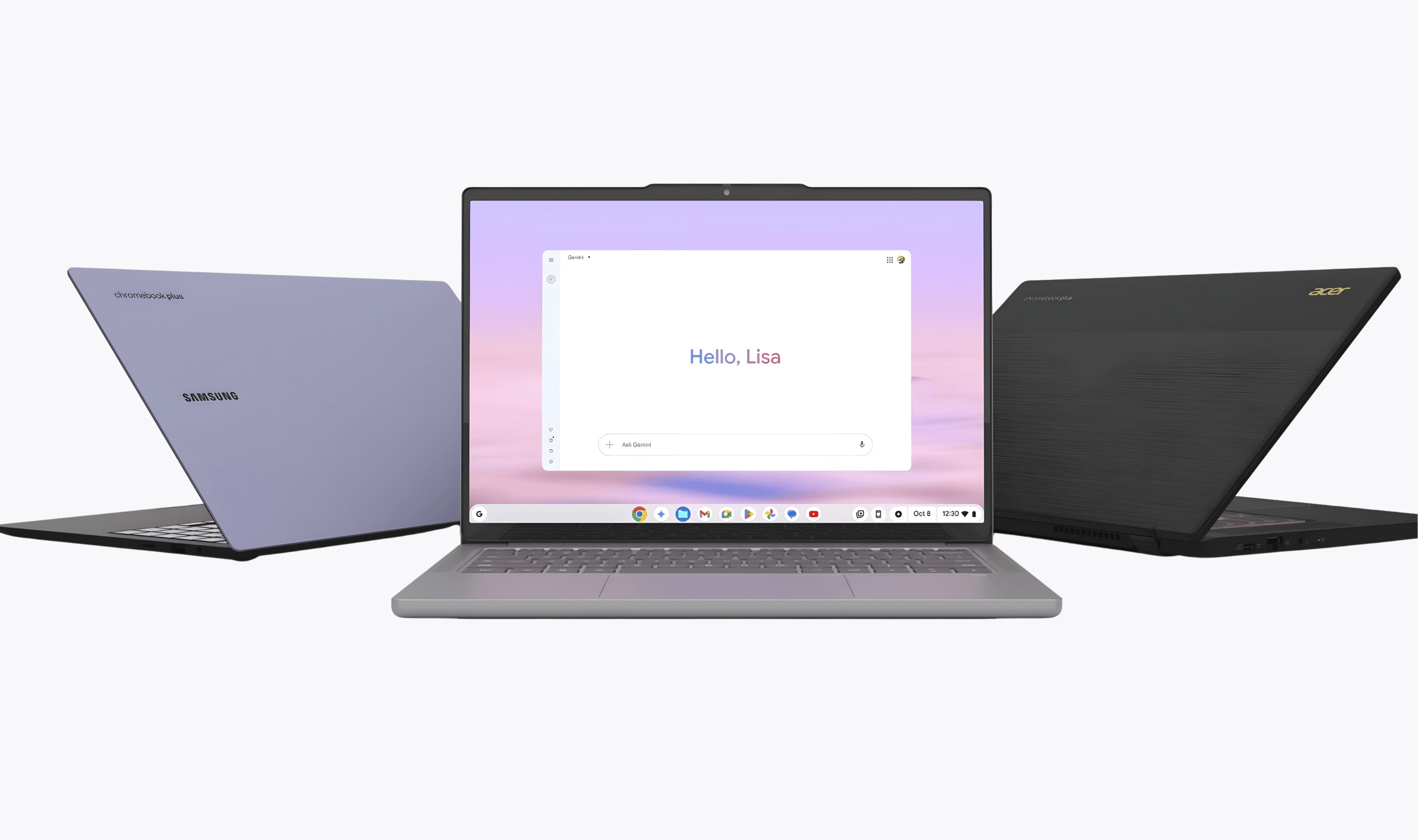
Google has listed a Desktop Camera app on the Play Store, signaling progress on its Aluminium OS project for PCs. The app appears designed for upcoming devices running Google's merged Android-ChromeOS platform.
The Desktop Camera app features a Pixel-like interface with a circular shutter button and photo/video toggle. Screenshots show a simplified version of Google's mobile camera software adapted for larger displays. Unlike smartphone camera apps, it currently lacks advanced features like Night Sight and Portrait mode.
Google's Aluminium OS represents a strategic shift from Chrome OS toward a unified Android-based platform for desktop and laptop hardware. The operating system merges Android and ChromeOS into a single software experience for PCs, according to industry reports.
The appearance of desktop-focused apps on the Play Store suggests internal testing is advancing. While Google hasn't confirmed a launch timeline, reports suggest the platform could debut at Google's annual I/O developer conference in May 2026, according to industry analysis.
The Desktop Camera app runs in full-screen format rather than a small window, differing from typical desktop camera applications. Its interface uses a floating menu layout with shutter controls positioned for larger displays.
Current functionality appears basic, supporting standard photo and video capture. More advanced tools are expected as the platform matures. The app remains incompatible with existing phones, tablets, and Chromebooks, indicating it's still in testing stages.
Video calls represent a core use case for the camera software. A first-party app could enable OS-wide enhancements like hardware-accelerated background blur and face tracking, with potential integration for Google Meet and other conferencing tools.
ChromeOS already offers camera features including document scanning, pan-tilt-zoom support, and QR code recognition. A dedicated Aluminium OS camera app would unify these capabilities under a single interface while maintaining consistency with Android's design language.
The development simplifies app creation for developers targeting multiple device categories. A unified ecosystem would allow applications to maintain consistent functionality across smartphones, tablets, and PCs running Google's operating systems.
Industry observers note that Chromebooks already run Android applications, but Aluminium OS aims to create deeper integration between mobile and desktop experiences. The platform could challenge Microsoft Windows and Apple macOS in the education and enterprise markets where Chromebooks have gained traction.
Google's move follows years of feature sharing between Android and ChromeOS. The company has gradually blurred the lines between its mobile and desktop operating systems, with Android applications becoming increasingly central to the ChromeOS experience.
The Desktop Camera app listing has been described as giving 'the clearest sign yet' that Google's Android-based PC platform is nearing launch, according to Android Authority. While Google maintains official silence on the project, the Play Store appearance suggests consumer hardware could arrive within months.
Reports suggest Aluminium OS will target premium markets, distinguishing it from ChromeOS which has traditionally focused on budget and education sectors. The platform's success will depend on application compatibility, developer support, and hardware partnerships with major PC manufacturers.
Google's annual I/O developer conference, typically held in May, represents the most likely venue for an official announcement. The company could preview the operating system alongside developer tools and hardware partnerships ahead of a broader consumer launch.
The Aluminium OS initiative reflects Google's broader strategy to extend Android's dominance beyond mobile devices. By creating a unified platform spanning smartphones, tablets, and PCs, Google aims to simplify software development while expanding its ecosystem's reach.
Competition in the PC operating system market has intensified with Apple's transition to Apple Silicon and Microsoft's continued Windows development. Google's entry with a mature Android-based platform could reshape the competitive landscape, particularly in price-sensitive market segments.
Early adopters and developers will monitor Play Store listings for additional desktop-optimized applications. The appearance of productivity tools, media applications, and gaming software would signal broader ecosystem readiness ahead of Aluminium OS's public debut.