
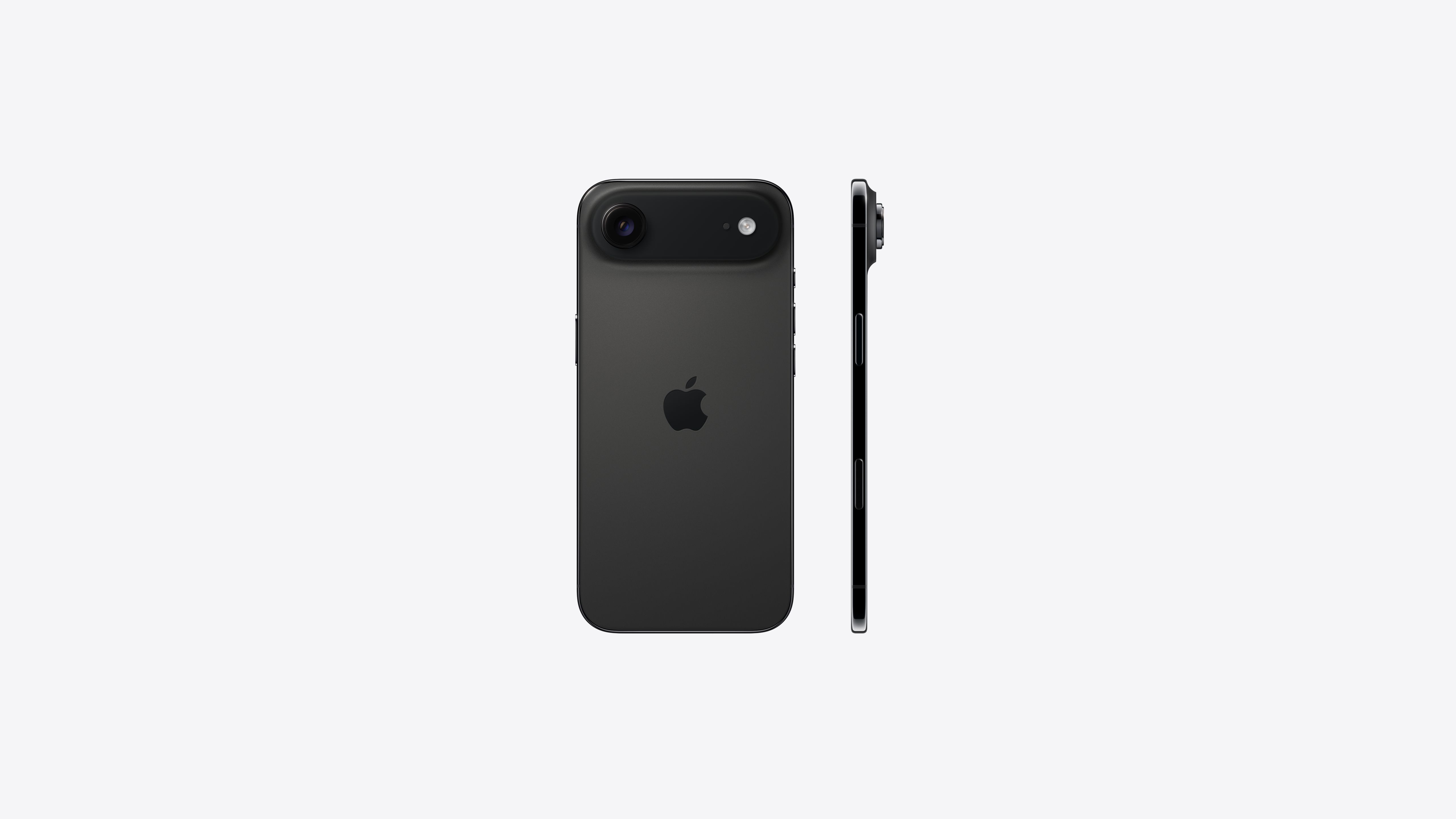
Apple will launch the iPhone Air 2 in September 2026 according to new leaks, reversing earlier reports that the ultra-thin device faced indefinite delays. Tipster Fixed Focus Digital claims the successor to Apple's thinnest phone returns to the fall 2026 schedule despite the original model's commercial struggles.
The iPhone Air 2 reportedly adds dual rear cameras to address the single-lens limitation that hampered the first generation. A larger battery targets the original's poor endurance, while vapor chamber cooling improves thermal management during gaming or video streaming. Apple may also price the device lower than the $999 starting point of the current iPhone Air.
This new timeline contradicts November reports from The Information that Apple had taken the iPhone Air 2 off its schedule without providing a new release date. Some engineers had hoped for a spring 2027 launch with redesigned dual cameras alongside the standard iPhone 18 and iPhone 18e.
Apple slashed iPhone Air production by 80% earlier this year after consumers rejected the 5.6mm device's trade-offs. The ultra-thin design sacrificed battery life and camera versatility, leaving buyers questioning why they should pay flagship money for fewer features than the standard iPhone 17.
The iPhone Air 2 will reportedly debut alongside Apple's foldable iPhone, iPhone 18 Pro, and iPhone 18 Pro Max in September 2026. This aligns with Apple's shift toward split launch cycles, where premium devices debut in autumn while standard models release later in the year.
Apple's foldable iPhone, also expected in September 2026, will feature a 5.5-inch external display with hole-punch camera and a 7.8-inch internal folding screen according to leaker Jon Prosser. The device will measure 9mm thick when closed, making each half approximately 4.5mm thick.
The iPhone 17e will launch separately in spring 2026, already entering mass production according to the same Fixed Focus Digital leak. That budget model swaps the notch for Dynamic Island, includes the A19 chip for AI features, uses thinner bezels via BOE OLED panels, and adds a glass back with MagSafe support.
Apple's iPhone 17 series achieved significant market success despite the iPhone Air's struggles. In China, iPhone 17 shipments jumped 128% in November, helping Apple capture 25% market share - its highest penetration since 2022. The iPhone 17 Pro Max emerged as the undisputed bestseller during China's Singles' Day shopping festival.
IDC forecasts Apple will ship 247.4 million iPhones in 2025, a record-breaking 6.1% annual jump that would mark the first time Apple tops global smartphone shipments since 2010. This would unseat Samsung's 14-year reign as the world's leading smartphone vendor.
The iPhone Air 2 redesign addresses specific user complaints rather than chasing thinness for its own sake. Dual cameras mean better photos without carrying a separate device, while the bigger battery should deliver genuine all-day performance instead of the original Air's disappointing battery life.
With the iPhone Fold expected to steal headlines in 2026, the iPhone Air 2 could position itself as an affordable alternative for buyers who want something special without foldable prices. It bridges the gap between base models and Pro devices while learning from the first generation's failures.
Apple's broader 2026 lineup includes the iPhone 18 Pro with potential under-display Face ID sensors and variable aperture cameras. The device will feature Apple's A20 Pro chip built on TSMC's 2nm process, offering significant gains in speed, energy consumption, and AI processing compared to the iPhone 17 Pro's A19 Pro.
Whether consumers give the iPhone Air 2 a second chance depends on Apple nailing the price and proving it fixed the battery issues that killed the original. The company's ability to reverse a projected Chinese market contraction into double-digit expansion demonstrates formidable brand resilience against localized competitors.