Sony cameras for video range from fixed-lens vlogging models to full-frame bodies equipped for paid production. Frame rates, sensor size, stabilization, media redundancy, connections, and still resolution determine which model fits the job.
Technobezz is supported by its audience. We may get a commission from retail offers.
Best Sony Cameras for Video in 2026
The Sony Alpha 7S III leads our 2026 picks with excellent low-light video, 4K/120p recording, dual card slots, and full-size HDMI.
T
Technobezz
Editorial Team
Updated September 5, 2026Sep 5, 2026
•12 min read

Get Deals Like These in Your Inbox
The best prices, checked by our editors.
The Sony Alpha 7S III is our top pick for its excellent low-light performance, internal 10-bit 4K/120p capture, dual card slots, and full-size HDMI. The remaining picks serve creators seeking better value, automated solo shooting, 8K hybrid work, travel-friendly resolution, or a simple first vlogging camera.
At a Glance
| Category | Product | Why We Picked It |
|---|---|---|
| Best overall | Sony Alpha 7S III | Excellent low-light 4K/120p with production-ready connections |
| Best value | Sony Alpha ZV-E10 II | Detailed 10-bit 4K and interchangeable lenses at an accessible price |
| Best for solo vlogging | Sony Alpha ZV-E1 | Compact full-frame video with automated framing and strong stabilization |
| Best for 8K and high-resolution hybrid work | Sony Alpha 7R VI | Exceptional 66.8MP stills alongside 8K and 4K/120p video |
| Best for travel creators who prioritize stills | Sony Alpha 7CR | High-resolution full-frame stills and oversampled 4K/30p in a compact body |
| Best for first-time vloggers | Sony ZV-1F | Simple all-in-one vlogging without extra lenses to manage |
How we chose
We prioritized recording modes, crop behavior, bit depth, stabilization, autofocus, audio, media redundancy, and connections. Sensor format, long-take suitability, lens costs, storage demands, and still resolution determined each use-case slot.
The best Sony cameras for video right now
Sony Alpha 7S III - Best overall
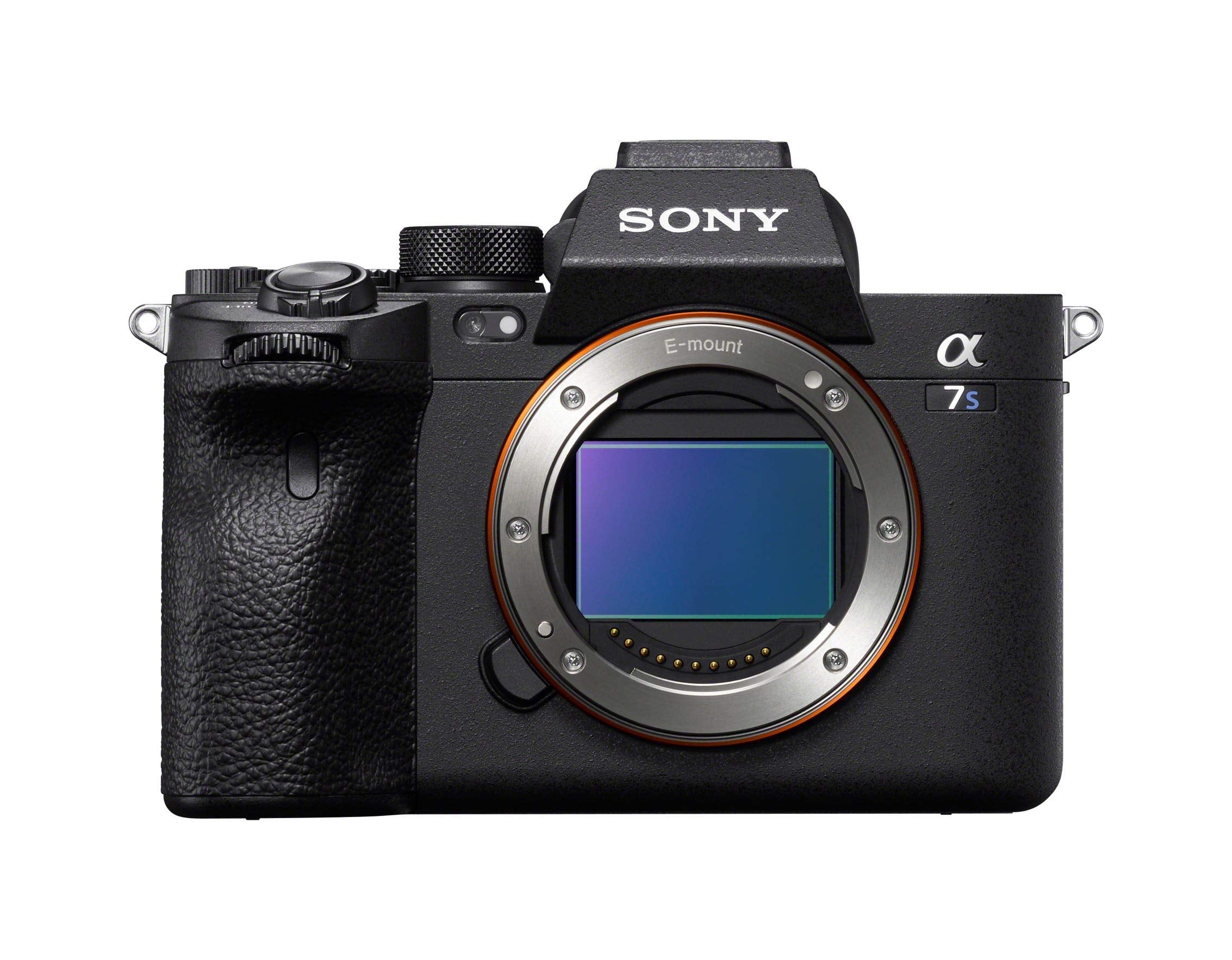
Low-light performance and dependable 4K slow motion put the Alpha 7S III at the top of this list. Its 12.1MP full-frame back-illuminated Exmor R CMOS sensor supports 4K/120p with an approximately 1.1x crop and internal 10-bit 4:2:2 recording.
Two slots accept CFexpress Type A or UHS-II SD cards, while the full-size HDMI port outputs 16-bit RAW. Five-axis in-body stabilization with Active Mode supports handheld work, and strong heat management suits demanding video use. The compromises are 12.1MP stills and no internal RAW, 6K, or 8K recording.
Key highlights
- 12.1MP full-frame back-illuminated Exmor R CMOS sensor
- 4K/120p with approximately 1.1x crop
- Internal 10-bit 4:2:2 recording
- 16-bit RAW output over full-size HDMI
- Two CFexpress Type A and UHS-II SD card slots
- 5-axis in-body stabilization with Active Mode
Pros
- Excellent high-ISO and low-light performance
- Full-frame 4K/120p with 10-bit 4:2:2 capture
- Dual card slots and full-size HDMI suit paid production
- Strong heat management for a fanless mirrorless body
Cons
- Only 12.1MP for still photography
- No internal RAW, 6K or 8K recording
- Expensive for a body introduced in 2020
Who it's for
Videographers who prioritize low-light video, dependable 4K slow motion, and production-ready connections over still resolution.
Skip if
Choose another model for high-resolution photos, internal RAW, or newer AI autofocus features.
Sony Alpha ZV-E10 II - Best value
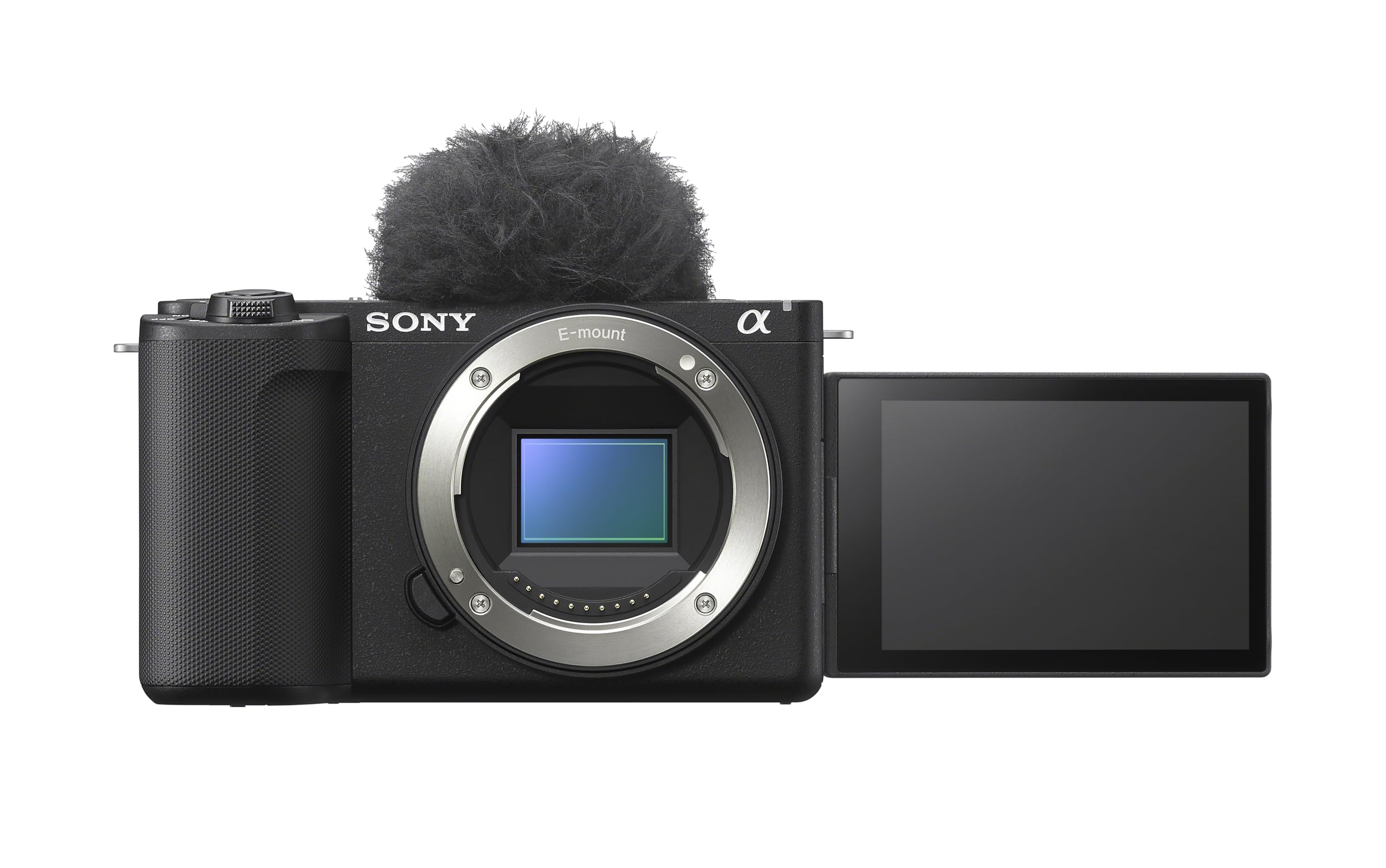
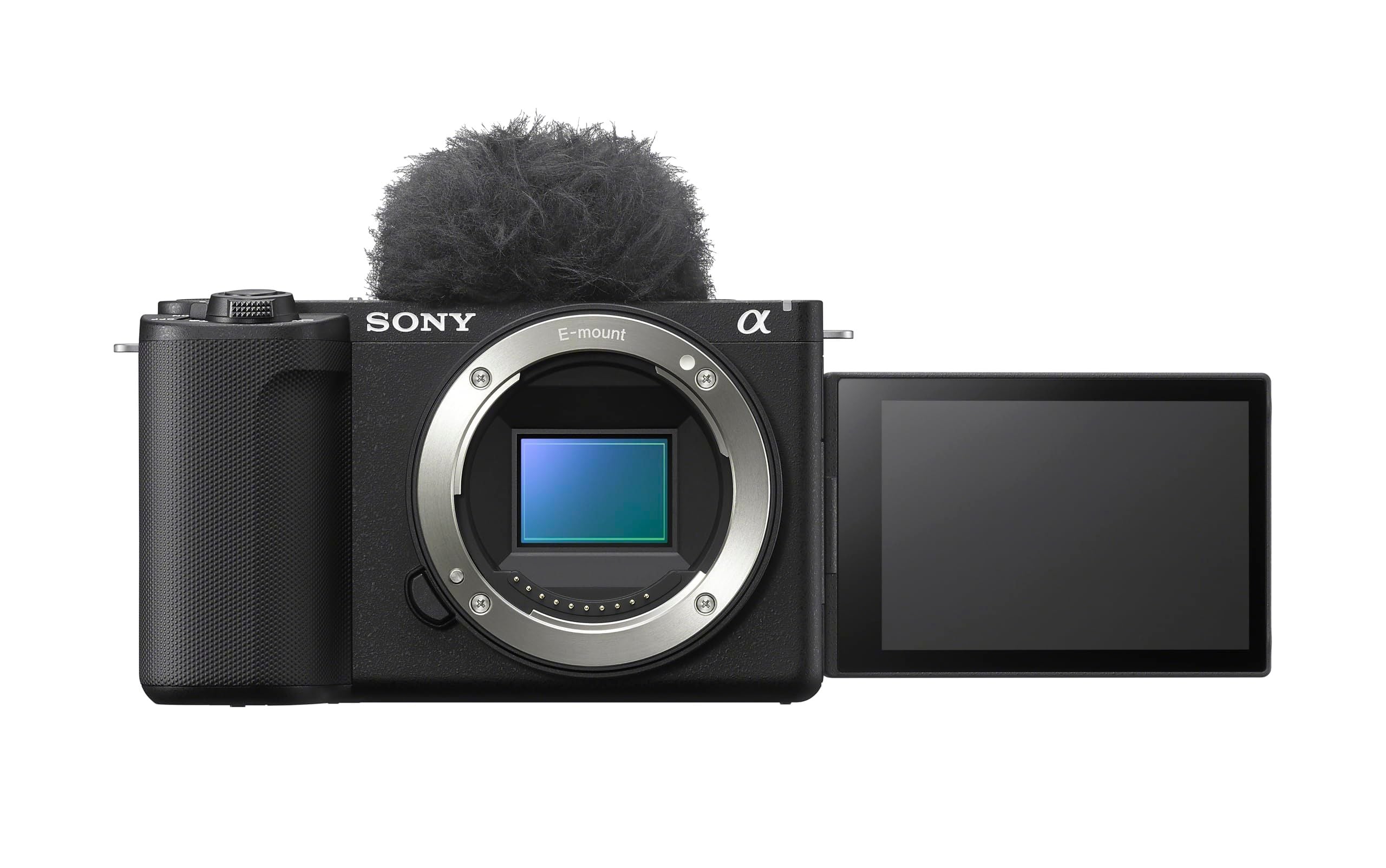
The ZV-E10 II gives YouTube, streaming, and small-production creators a 26MP APS-C sensor, full-width 4K/30p, and 4K/60p with an approximately 1.1x crop. Internal 10-bit 4:2:2 recording provides greater scope for color grading. Sony’s free upgrade license also enables cropped 4K/120p recording, with Active Mode stabilization unavailable at that frame rate.
Its autofocus system supports human, animal, and bird recognition, with up to 759 phase-detection points for stills and 495 for movies. A three-capsule directional microphone joins microphone and headphone jacks plus a digital Multi Interface Shoe.
Sony rates the NP-FZ100 battery for up to 195 minutes of continuous Full HD recording, while its CIPA actual-use rating is 130 minutes. This single-card body has no sensor-shift stabilization or electronic viewfinder.
Key highlights
- 26MP APS-C Exmor R CMOS sensor
- Full-width 4K/30p recording
- 4K/60p with approximately 1.1x crop; cropped 4K/120p with Sony’s free upgrade license
- Internal 10-bit 4:2:2 recording
- Up to 495 phase-detection autofocus points for movies and 759 for stills
- Up to 195 minutes of continuous Full HD recording
Pros
- Detailed 10-bit 4K video at a comparatively accessible price
- Reliable subject-tracking autofocus
- Interchangeable E-mount lens system
- Strong battery and unusually complete audio connections for its class
Cons
- No sensor-shift in-body stabilization
- No electronic viewfinder
- Single-card design is less suitable for jobs requiring redundant recording
Who it's for
YouTube, streaming, and small-production creators who want interchangeable lenses without full-frame pricing.
Skip if
Look elsewhere for an electronic viewfinder, sensor-shift stabilization, or dual recording cards.
Sony Alpha ZV-E1 - Best for solo vlogging
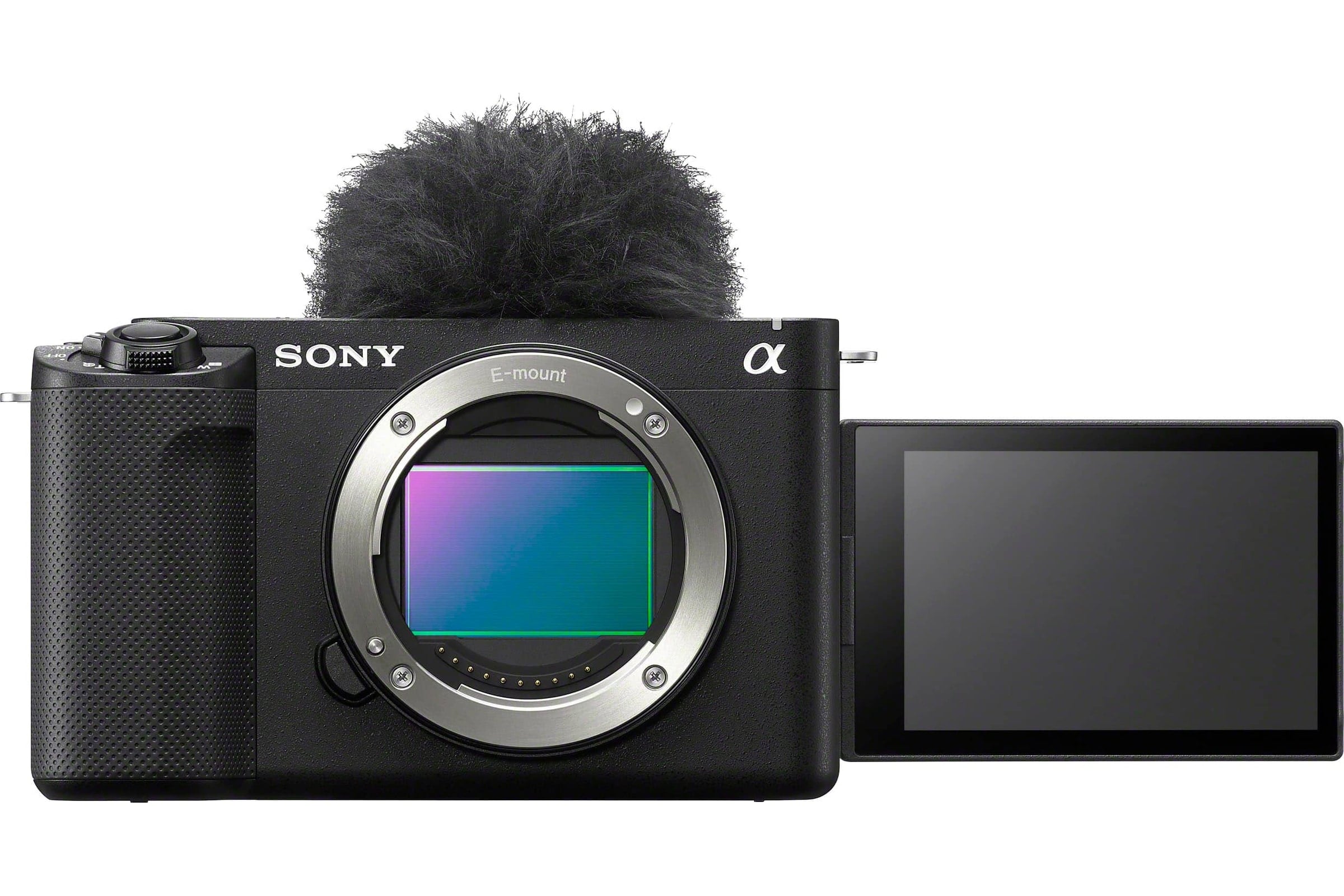
Set the ZV-E1 on a tripod and its AI Auto Framing can support unattended shooting. The compact body combines a 12.1MP full-frame Exmor R CMOS sensor with excellent autofocus, internal 10-bit 4:2:2 recording, and strong low-light video quality.
Installing Sony’s free license key enables 4K/120p with an approximately 10% crop. Five-axis sensor-shift stabilization works with Active and Dynamic Active modes, while USB streaming reaches 4K/30p. Microphone and headphone jacks plus a digital Multi Interface Shoe cover audio, but the fanless body can overheat during demanding long recordings and has only one card slot.
Key highlights
- 12.1MP full-frame Exmor R CMOS sensor
- 4K/120p after installing Sony’s free license key
- Internal 10-bit 4:2:2 recording
- 5-axis sensor-shift stabilization with Active and Dynamic Active modes
- USB streaming up to 4K/30p
- Microphone and headphone jacks plus digital Multi Interface Shoe
Pros
- Alpha 7S III-class full-frame video quality in a much smaller body
- Excellent autofocus and AI Auto Framing for unattended shooting
- Very effective electronic-assisted stabilization modes
- Useful 4K USB streaming and complete audio connections
Cons
- Compact fanless body can overheat during demanding long recordings
- Only one memory-card slot
- No electronic viewfinder and just 12.1MP for stills
Who it's for
Solo creators seeking full-frame low-light quality, strong stabilization, and automated framing in a compact kit.
Skip if
Select a different body for long 4K/120p sessions, redundant recording cards, or an electronic viewfinder.
Sony Alpha 7R VI - Best for 8K and high-resolution hybrid work
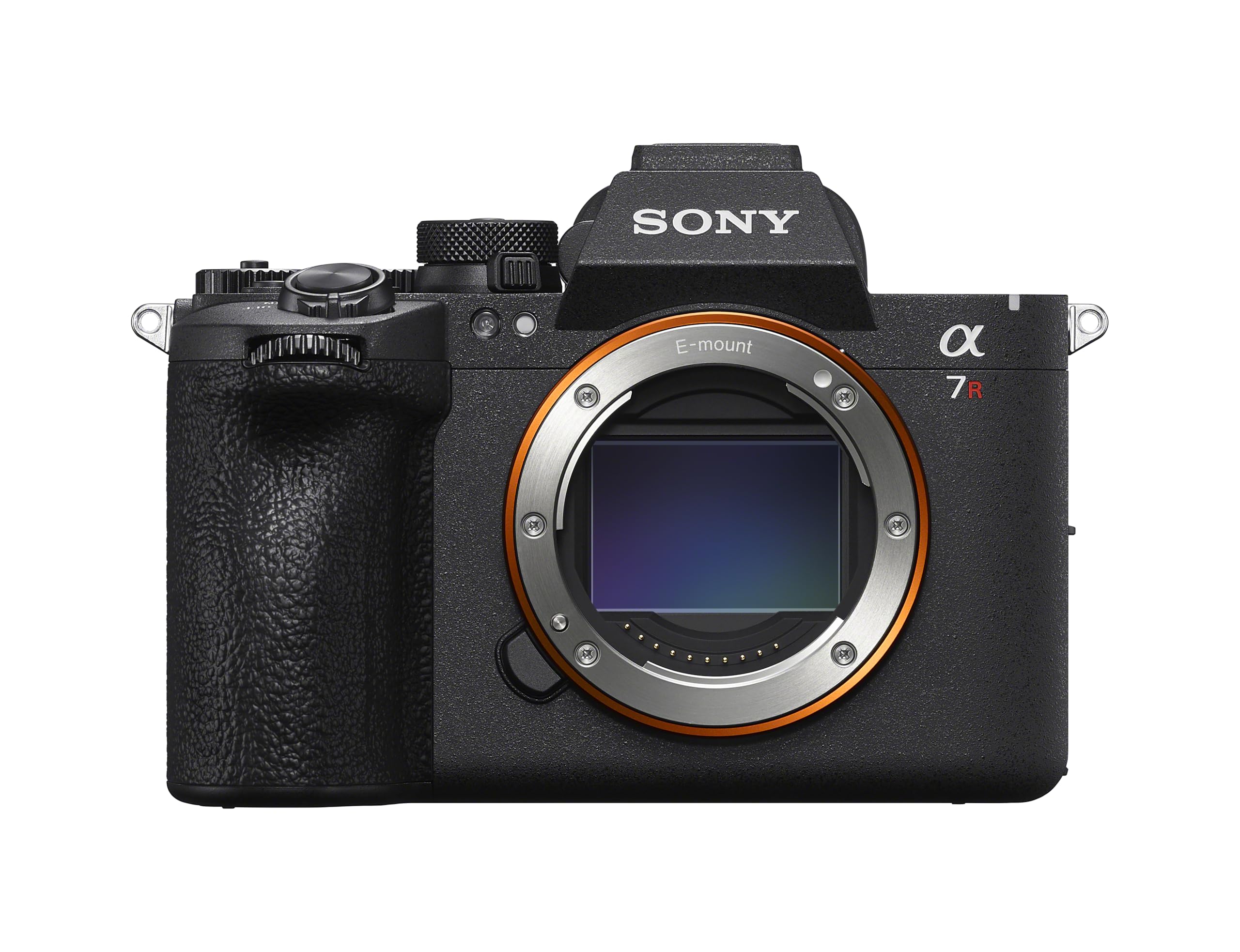
Hybrid professionals can capture 66.8MP commercial stills, 8K/30p footage, and 4K/120p video with the Alpha 7R VI. Its fully stacked full-frame Exmor RS CMOS sensor supports up to 10-bit 4:2:2 color for both listed video resolutions and provides faster readout than the previous generation.
Stabilization reaches up to 8.5 stops at the frame center and 7 stops at the periphery under CIPA 2024 testing. Both card slots accept CFexpress Type A and UHS-II SD media, and full-size HDMI supports 16-bit RAW output. Those high-resolution files demand substantial storage and computing power, while 8K recording tops out at 30p.
Key highlights
- 66.8MP fully stacked full-frame Exmor RS CMOS sensor
- 8K/30p up to 10-bit 4:2:2
- 4K/120p up to 10-bit 4:2:2
- Up to 8.5 stops of stabilization at the frame center
- Two CFexpress Type A and UHS-II SD card slots
- 16-bit RAW output over full-size HDMI
Pros
- Exceptional still resolution alongside 8K and 4K/120p video
- Stacked sensor provides faster readout than the previous generation
- Strong stabilization and modern AI autofocus
- Professional dual-card and full-size HDMI connectivity
Cons
- Very expensive and demanding of premium lenses
- 66.8MP photos and high-bitrate video require substantial storage and computing power
- 8K tops out at 30p
Who it's for
Hybrid professionals who need extremely detailed commercial stills, 8K footage, and high-quality 4K slow motion from one body.
Skip if
A less demanding model makes more sense when 4K video is the main deliverable and very high-resolution photography is unnecessary.
Sony Alpha 7CR - Best for travel creators who prioritize stills
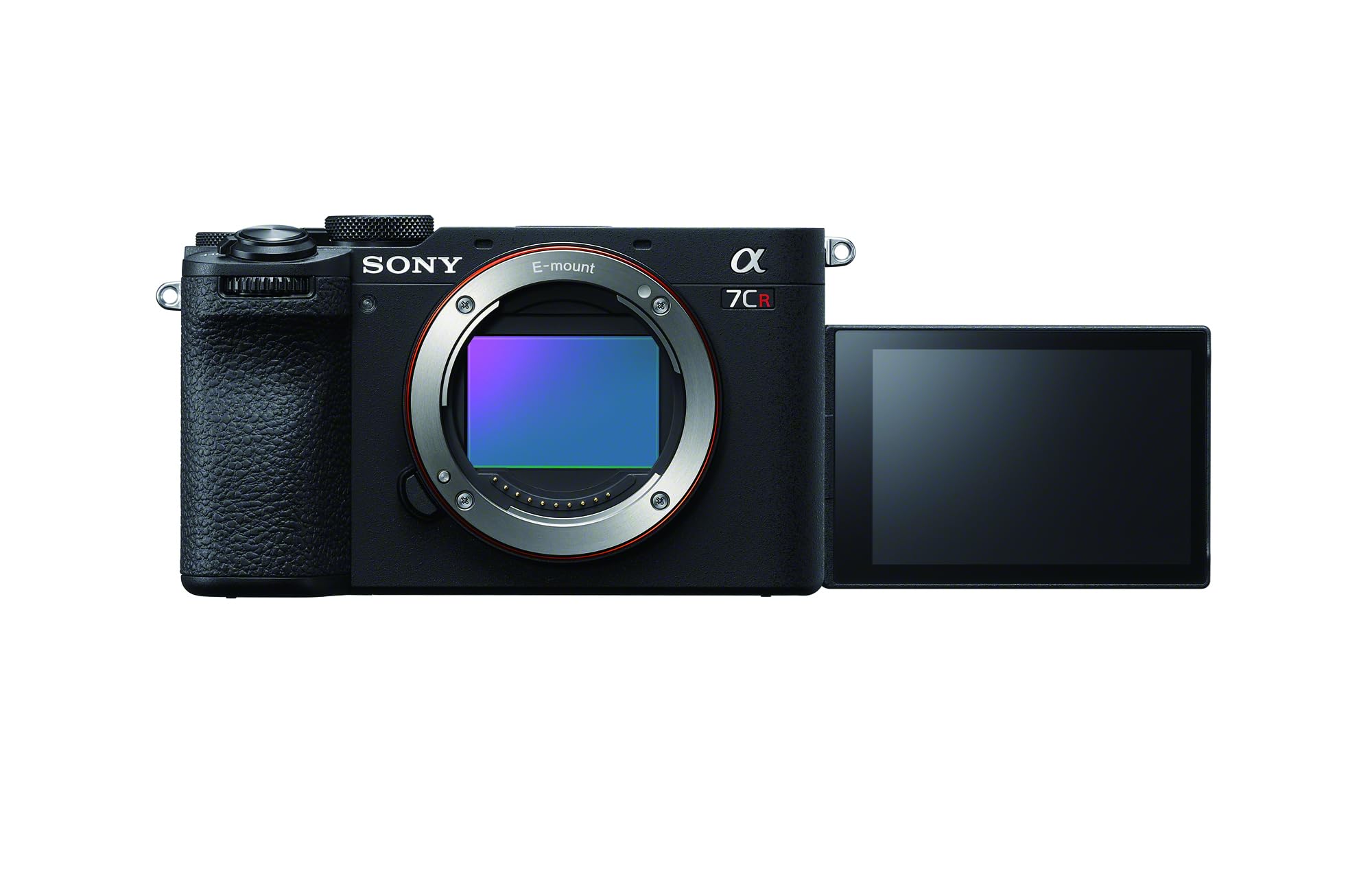
Travel photographers get a 61MP full-frame Exmor R CMOS sensor in the compact Alpha 7CR. Its 4K/60p mode records 10-bit 4:2:2 video from an approximately 1.2x crop using full pixel readout with binning, while the 6.2K-oversampled Super 35mm mode is available up to 4K/30p.
For handheld shooting, five-axis in-body stabilization is rated up to 7 stops. The 693 phase-detection points add AI subject recognition, and compact E-mount primes suit the travel-friendly body.
Video-focused compromises include an approximately 1.2x crop without 6.2K oversampling at 4K/60p, one UHS-II SD card slot, micro HDMI, and rolling-shutter skew during quick pans.
Key highlights
- 61MP full-frame Exmor R CMOS sensor
- 4K/60p 10-bit 4:2:2 recording
- Super 35mm capture with 6.2K oversampling at up to 4K/30p
- 5-axis in-body stabilization rated up to 7 stops
- 693 phase-detection autofocus points with AI subject recognition
- One UHS-II SD card slot
Pros
- Very high still resolution in a compact travel-friendly body
- Detailed 6.2K-oversampled Super 35mm 4K up to 30p
- Effective stabilization and modern AI autofocus
- Pairs well with compact E-mount primes
Cons
- 4K/60p requires an approximately 1.2x crop and drops the 6.2K oversampling
- Only one card slot and a fragile micro-HDMI connector
- High-resolution sensor can show rolling-shutter skew during quick pans
Who it's for
Travel photographers who prioritize high-resolution stills but also need detailed 10-bit video in a compact full-frame kit.
Skip if
Choose another body when dual cards, full-size HDMI, or fast full-frame readout are required.
Sony ZV-1F - Best for first-time vloggers
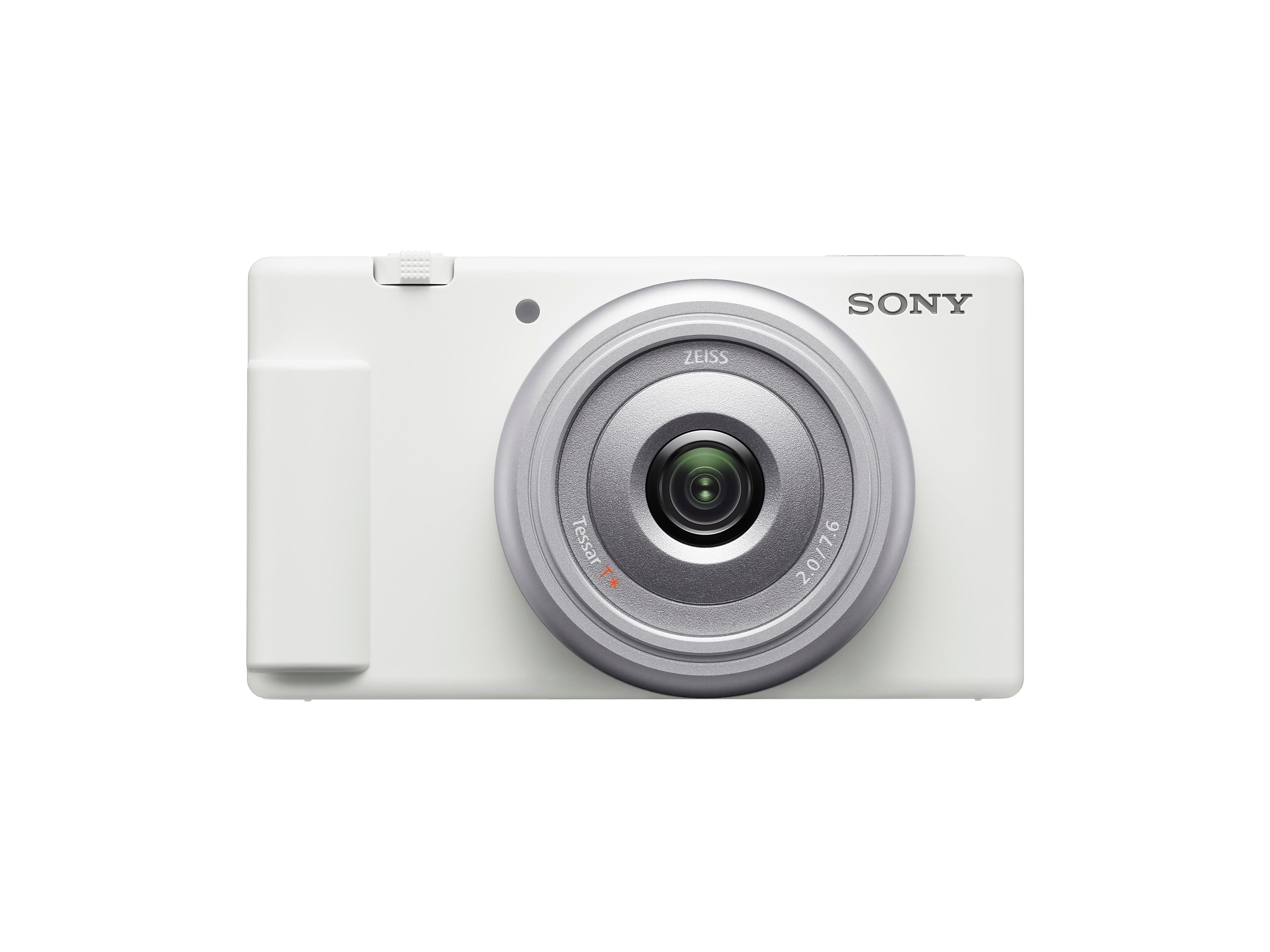
No lens shopping is required with the ZV-1F. Its fixed 20mm-equivalent F2 ZEISS Tessar T* lens provides a wide view for arm’s-length recording, while the 20.1MP 1.0-type Exmor RS CMOS sensor is larger than the sensors in most phones and webcams.
The camera records 4K up to 30p and uses electronic Active Mode stabilization with a slight crop. A 3-inch vari-angle touchscreen, included windscreen, and approximately 9.1-ounce weight with battery and memory card support straightforward handheld vlogging. There is no optical zoom, headphone output, viewfinder, or interchangeable-lens support.
Key highlights
- 20.1MP 1.0-type Exmor RS CMOS sensor
- Fixed 20mm-equivalent F2 ZEISS Tessar T* lens
- 4K video up to 30p
- Electronic Active Mode stabilization with a slight crop
- 3-inch vari-angle touchscreen
- Approximately 9.1 ounces with battery and memory card
Pros
- Simple, genuinely compact all-in-one design
- Wide 20mm-equivalent lens works well at arm’s length
- Larger sensor than most phones and webcams
- Includes a windscreen and creator-friendly controls
Cons
- Fixed lens has no optical zoom
- Limited to 4K/30p and electronic stabilization
- No headphone output, viewfinder or interchangeable lenses
- Autofocus is less sophisticated than Sony’s phase-detection models
Who it's for
First-time vloggers who want a straightforward dedicated camera without choosing or carrying lenses.
Skip if
Consider an interchangeable-lens model for zoom flexibility, 4K slow motion, mechanical stabilization, or room to expand.
How to Choose
- Check frame rates and their crops. A 4K/120p headline does not always mean full-width capture. The Alpha 7S III has an approximately 1.1x crop at 120p, the ZV-E10 II crops by approximately 1.1x at 60p, and the ZV-E1 applies an approximately 10% crop at 120p.
- Match the sensor to the job. The lower-resolution full-frame sensors in the Alpha 7S III and ZV-E1 favor clean 4K and low-light work. The Alpha 7R VI and Alpha 7CR provide much higher still resolution and greater reframing flexibility, but they create larger files.
- Prioritize 10-bit recording for grading. Internal 10-bit 4:2:2 footage tolerates heavier color correction, log workflows, and green-screen work better than 8-bit video. Simpler 8-bit capture remains adequate for fast-turnaround clips with minimal grading.
- Separate sensor-shift and electronic stabilization. Sensor-shift stabilization helps with handheld lenses and static shots. Active and Dynamic Active modes add digital correction and crop the image, while the ZV-E10 II and ZV-1F lack sensor-shift stabilization.
- Plan for audio, media and long takes. Paid productions benefit from headphone monitoring, full-size HDMI, and dual cards. Compact fanless bodies are easier to carry but can be less dependable for uninterrupted high-resolution recording in hot conditions.
- Budget for lenses and storage. Full-frame E-mount lenses, CFexpress Type A cards, and high-capacity drives add substantially to a complete kit. APS-C bodies and smaller lenses generally create a lighter, less expensive setup.
Do I need a full-frame Sony camera for good video?
No. The APS-C Sony Alpha ZV-E10 II records detailed 10-bit 4K and supports smaller, less expensive lenses. Full frame mainly provides greater control over depth of field and generally better high-ISO performance at equivalent technology levels.
How does a video crop affect lens choice?
A crop reduces the recorded field of view, making the lens appear tighter. The Alpha 7S III applies an approximately 1.1x crop at 4K/120p, the ZV-E10 II uses an approximately 1.1x crop at 4K/60p, and the ZV-E1 applies an approximately 10% crop at 4K/120p.
Why does 10-bit 4:2:2 recording matter?
Internal 10-bit 4:2:2 footage tolerates heavier color correction, log workflows, and green-screen work better than 8-bit video. Simpler 8-bit capture can still suit fast-turnaround clips that require minimal grading.
Can full-frame and APS-C Sony E-mount lenses be mixed?
Yes. Full-frame FE lenses work on APS-C E-mount bodies with an approximately 1.5x field-of-view factor. APS-C lenses can mount on full-frame Sony bodies, but the camera normally switches to a lower-resolution crop mode.
When do dual card slots and full-size HDMI matter?
Paid productions benefit from redundant recording and more robust connections. The Alpha 7S III and Alpha 7R VI each provide two card slots compatible with CFexpress Type A and UHS-II SD media, plus full-size HDMI with 16-bit RAW output.
Published August 11, 2026 Last updated September 5, 2026
Share this article
More in News
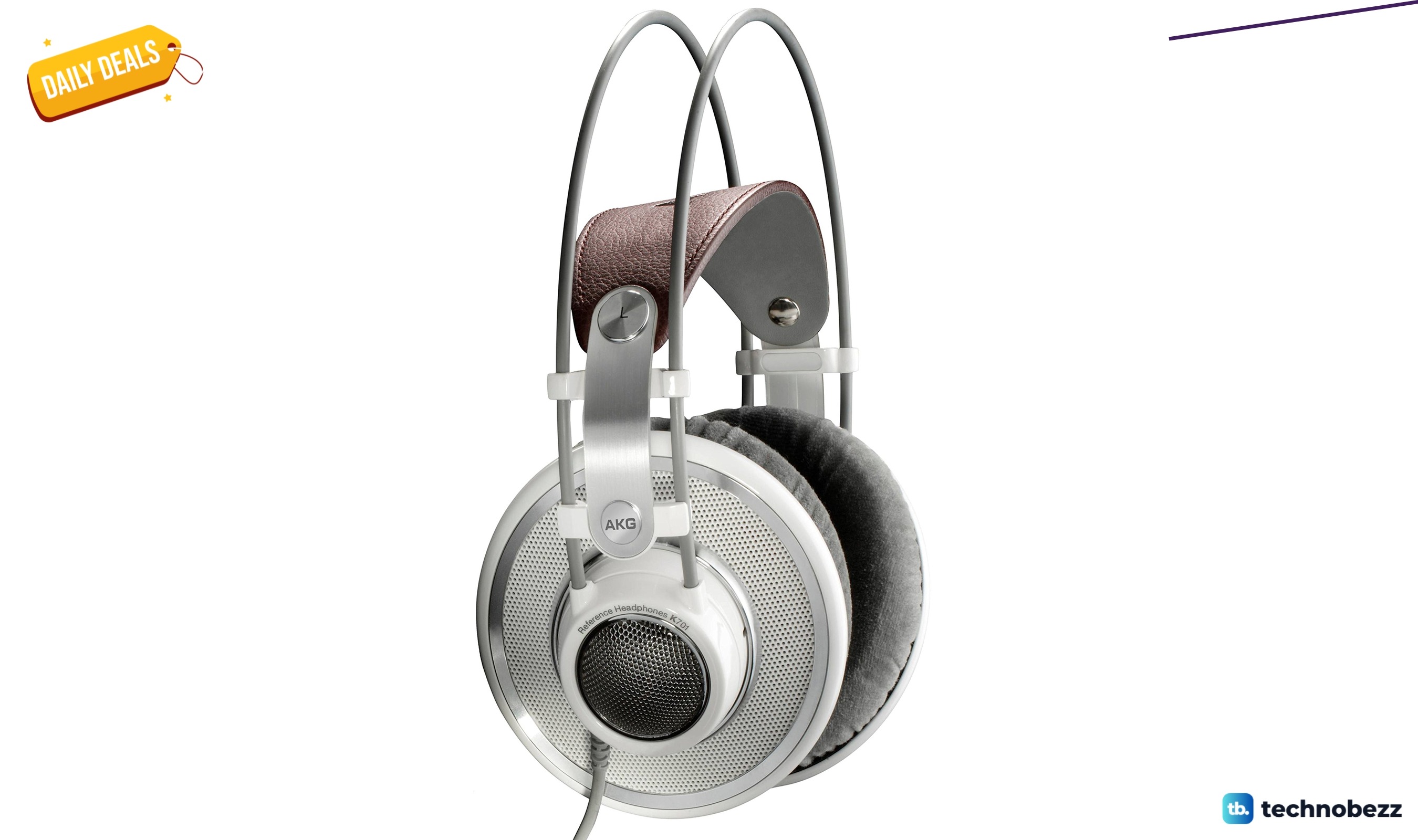
AKG K 701 Ultra Reference Class Stereo discounted to $247.37
AKG K 701 headphones drop to $247.37 on Amazon, a 47% discount that sits below recent 30, 90, and 180-day average prices.
5 min read
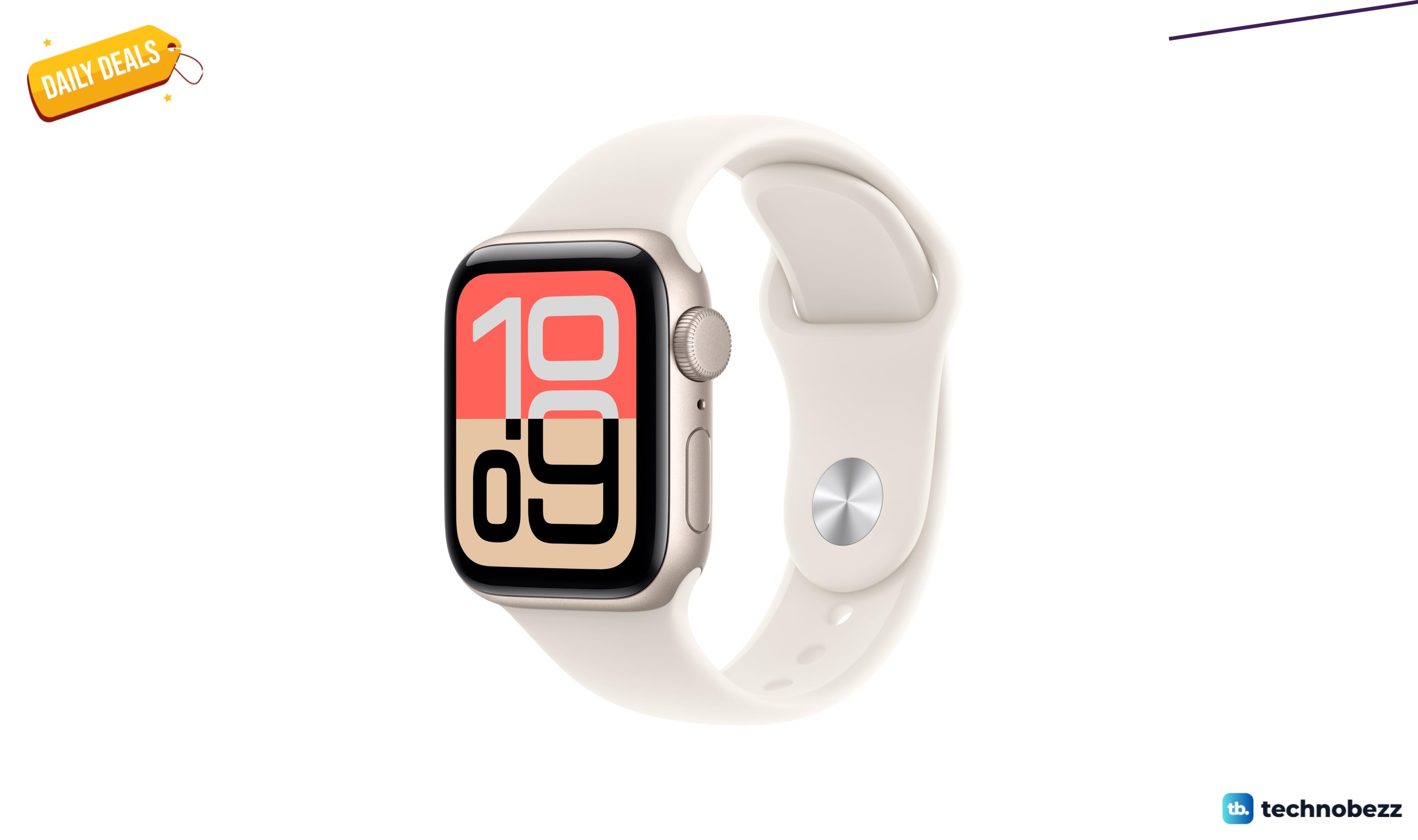
Apple Watch SE 3 GPS 40mm Smartwatch discounted to $189.97
Save $59.03 on the Apple Watch SE 3 GPS 40mm at Amazon, matching its lowest recorded price with health and sleep tracking.
5 min read
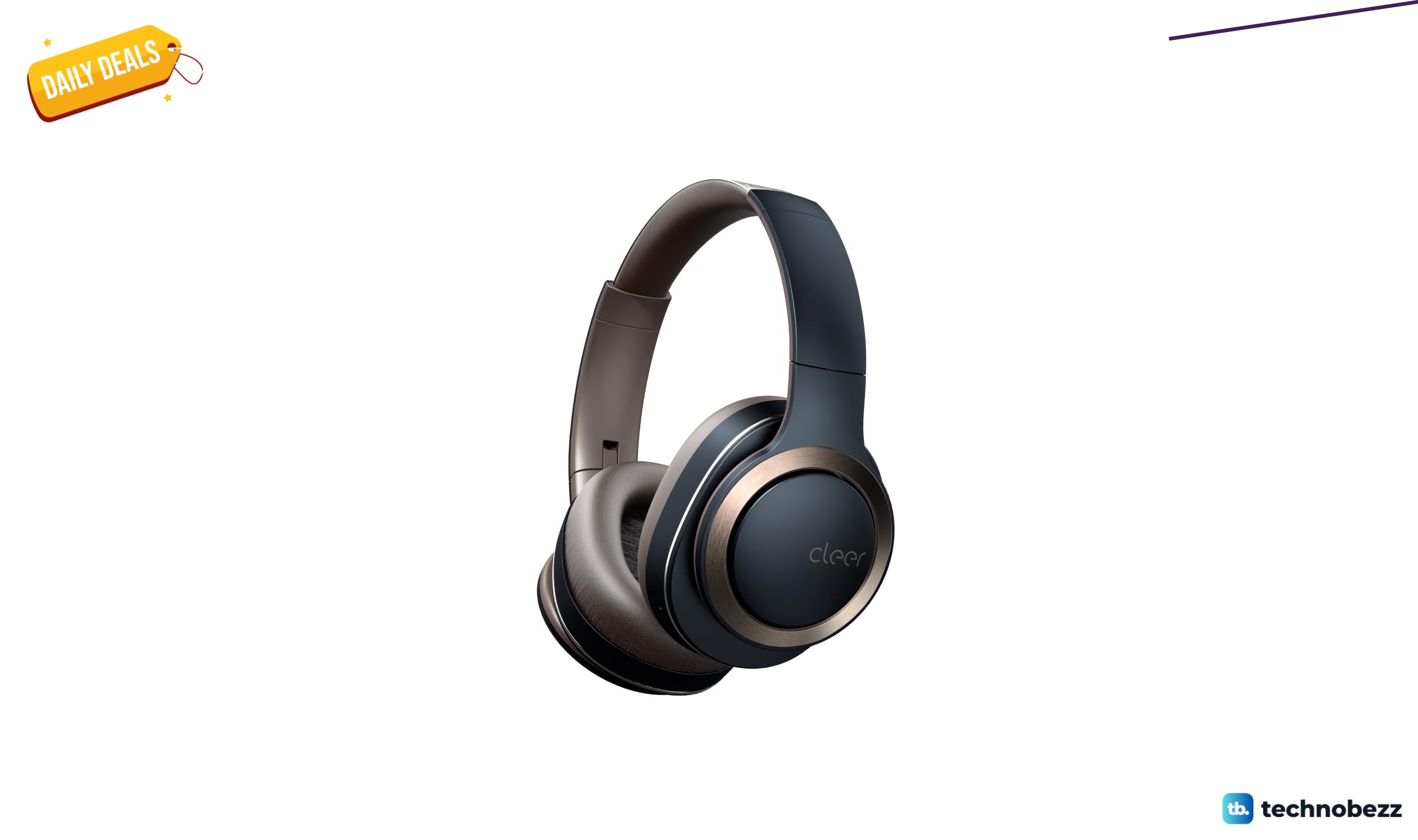
Cleer Audio Enduro ANC Noise Canceling Headphones price drops to $94.99
Save 47% on Cleer Audio Enduro ANC headphones at $94.99, with 60-hour battery, active noise cancellation, and multipoint Bluetooth.
3 min read

Lenovo coupon codes and deals
Browse 5 current Lenovo offers, including 3 coupon codes and 2 online deals.
5 min read

Woot coupon codes and deals
3 min read

Samsung coupon codes and deals
5 min read

Best tech coupon codes and online deals
4 min read
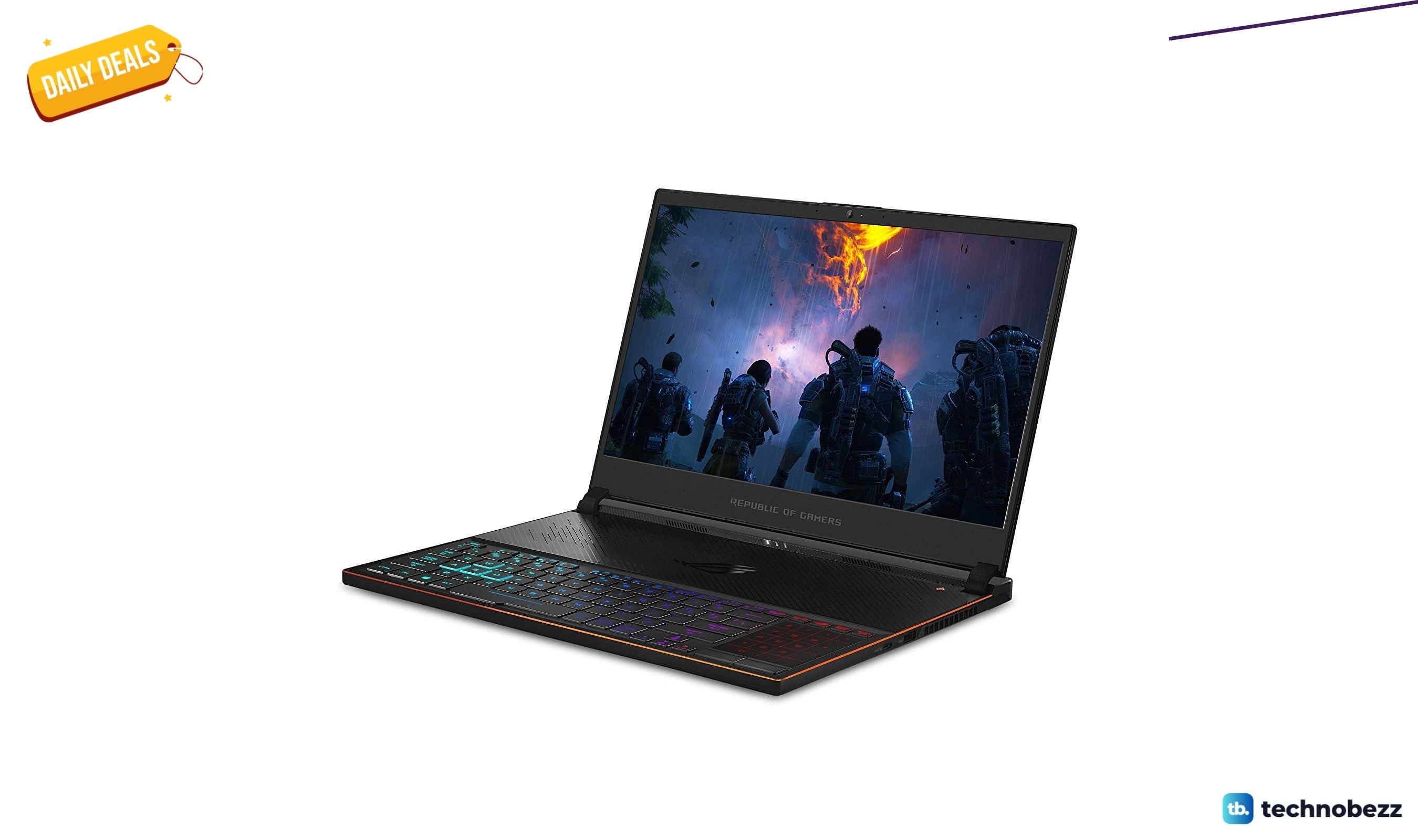
ASUS ROG Zephyrus S Ultra Slim Gaming gets a $660.95 price cut to $1338.05
5 min read
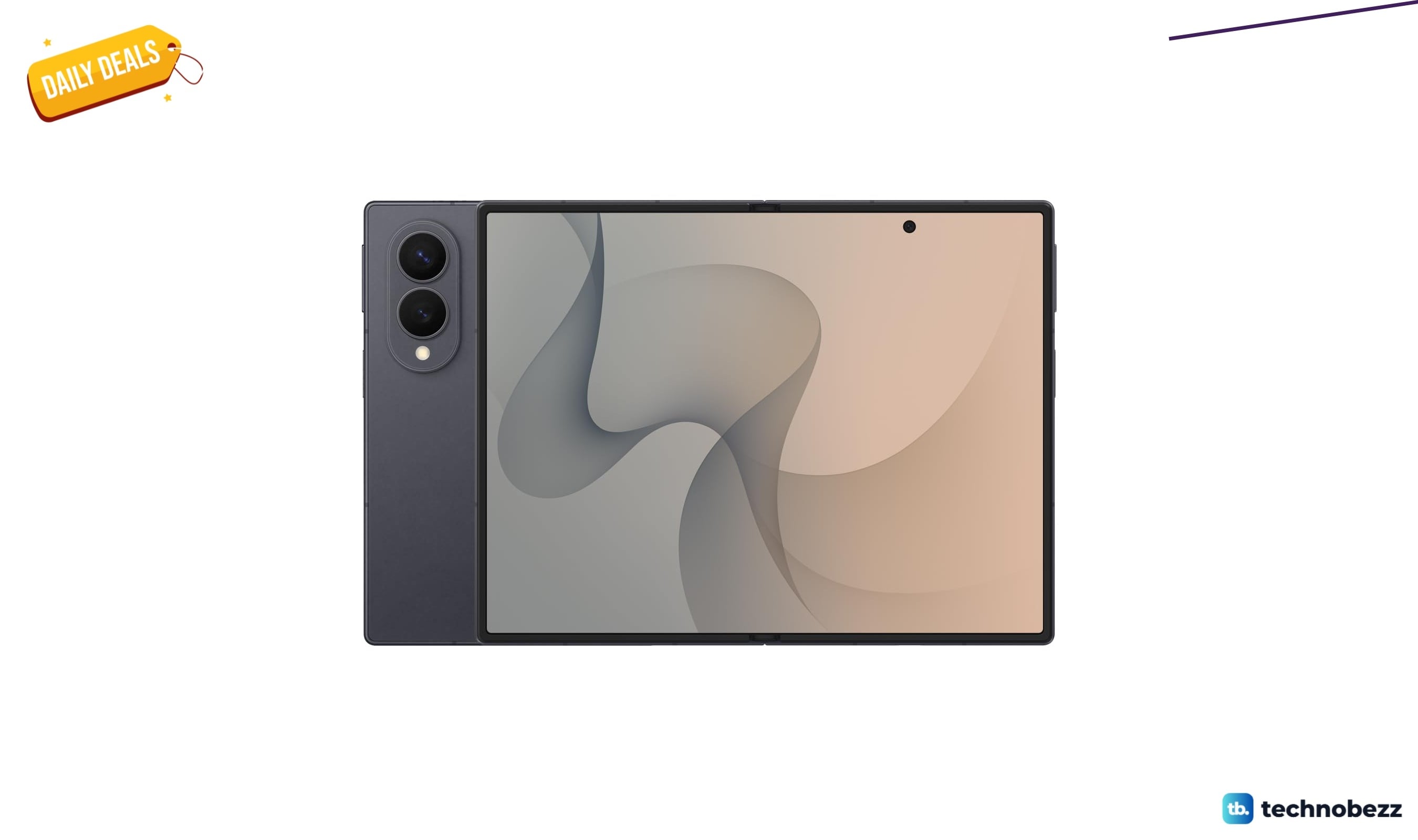
Samsung Galaxy Z Fold8 Unlocked Android Smartphone on sale for $1649.99
3 min read
We found 2 smartwatch deals from $219.99 that are actually worth it
5 min read
Sony WH-CH720 Noise Canceling Wireless Bluetooth Headphones now $87.94, down from $119.99
3 min read
TCL 75-inch F7D QLED 4K TV leads 2 TV deals from $499.99
5 min read