Solar generators solve a different problem than gas generators. They store electricity in a portable battery, run indoors without exhaust, and recharge from wall power, solar, car power, or sometimes another generator.
Technobezz is supported by its audience. We may get a commission from retail offers.
Best Solar Generators for 2026
EcoFlow DELTA 3 Plus 1024Wh is our top pick for balanced home backup, camping, RV power, and solar charging.
T
Technobezz
Editorial Team
Updated August 25, 2026Aug 25, 2026
•16 min read

Get Deals Like These in Your Inbox
The best prices, checked by our editors.
The EcoFlow DELTA 3 Plus 1024Wh is the best overall pick because it balances 1024Wh of capacity, 1800W AC output, fast AC recharging, and strong 1000W solar input. It fits outage prep, camping, RV trips, and home office backup without jumping straight into a large home system.
The right choice comes down to runtime, inverter output, solar recovery speed, battery chemistry, expandability, and how much weight you are willing to move. This list starts with compact 1kWh options, then moves into 2kWh models and expandable home backup systems.
At a Glance
| Category | Product | Why We Picked It |
|---|---|---|
| Best overall | EcoFlow DELTA 3 Plus 1024Wh | The strongest all-around mix of capacity, output, recharge speed, and solar input |
| Best value | Jackery Explorer 1000 v2 1070Wh | A practical 1kWh-class balance of battery size, weight, and everyday output |
| Best compact high-output | Anker SOLIX C1000 Gen 2 1024Wh | A compact 1kWh station with unusually strong 2000W AC output |
| Best 2kWh solar charging | BLUETTI Elite 200 V2 2073Wh | A 2kWh-class station with excellent 1000W solar input |
| Best lightweight 2kWh pick | Jackery Explorer 2000 v2 2042Wh | A lighter way to get 2kWh-class runtime and 2200W output |
| Best rugged camping pick | Goal Zero Yeti 1500 6th Gen 1505Wh | A more rugged 1505Wh LiFePO4 station with IPX4 water resistance |
| Best quiet high-output pick | DJI Power 2000 2048Wh | A compact 2kWh station with quiet operation and 3000W output |
| Best for home backup | EcoFlow DELTA Pro 3 4096Wh | A larger expandable battery system with 120V/240V support |
| Best expandable whole-home system | Anker SOLIX F3800 Plus 3840Wh | A high-output modular system that can scale into whole-home backup |
How we chose
Selections prioritize usable battery capacity, continuous and surge AC output, solar input, recharge speed, battery chemistry, portability, expandability, and outlet utility. The strongest picks match their slot with a clear buyer use case, from camping and RV power to outage prep, off-grid work, home office backup, and selected home circuits.
The best solar generators right now
EcoFlow DELTA 3 Plus 1024Wh - Best overall
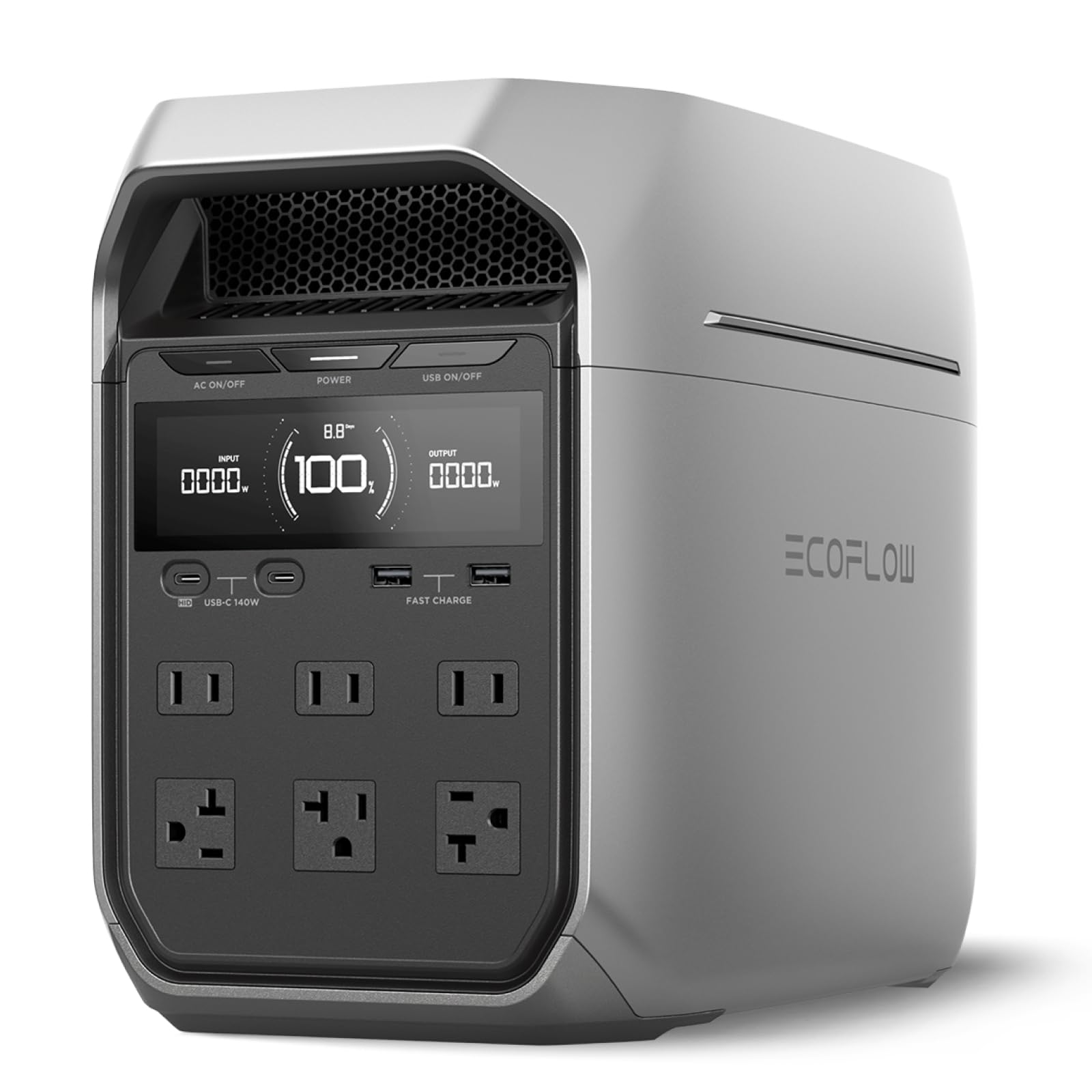
EcoFlow DELTA 3 Plus 1024Wh is the cleanest all-around choice for shoppers who want one solar generator for several jobs. Its 1024Wh LiFePO4 battery pairs with 1800W continuous AC output and 3600W surge, giving it enough inverter headroom for many outage, camping, RV, and home office backup needs.
Solar charging is a major strength here. The DELTA 3 Plus supports up to 1000W max MPPT solar input split as 500W x 2, and its 1500W AC input can recharge the unit from 0 to 100% in 56 minutes.
This is still a portable 1kWh-class station, not a full home system. It makes the most sense as a flexible everyday backup that can be expanded within the DELTA 3 battery ecosystem when you need more runtime.
Key highlights
- 1024Wh battery capacity
- 1800W continuous AC output
- 3600W surge output
- 1000W max MPPT solar input, 500W x 2
- 0 to 100% AC recharge in 56 minutes with 1500W input
- LiFePO4 battery chemistry
Pros
- Excellent balance of capacity, output, charging speed, and portability
- Very strong 1000W solar input for a 1kWh unit
- Fast AC recharge is useful before storms
- Expandable within the DELTA 3 battery ecosystem
Cons
- Not enough capacity for long refrigerator-plus-freezer outages without extra batteries
- Solar panels are usually sold separately or in costlier kits
- Still heavy enough that daily carrying is not effortless
Who it's for
Best for buyers who want one do-most-things solar generator for outages, camping, RV trips, and home office backup.
Skip if
Not the right fit for buyers who need 240V output or multi-day home backup without adding batteries.
Jackery Explorer 1000 v2 1070Wh - Best value
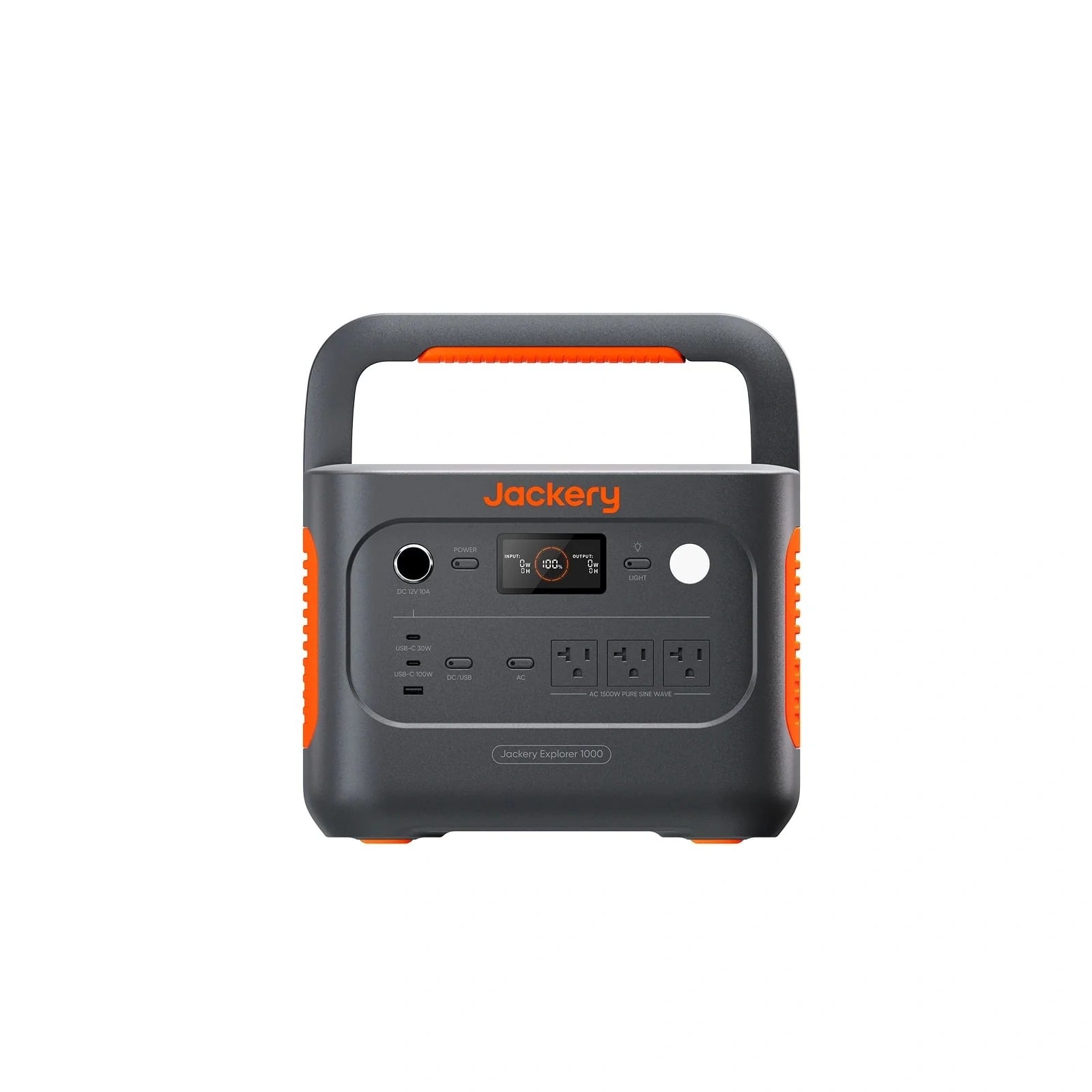
Jackery Explorer 1000 v2 1070Wh earns the value slot by keeping the essentials strong without moving into a heavier 2kWh station. Its 1070Wh LiFePO4 battery and 1500W continuous AC output cover common loads like a fridge, router, laptop, or camp kitchen gear for limited periods.
At 23.8 lb, it is much easier to move than larger stations. The 3000W surge rating gives it extra startup headroom, while the 400W max combined solar input is useful but slower than the strongest solar options in this list.
Portability is the point. This Jackery is best when you want credible backup power in a size that still feels manageable for short outage support and camping.
Key highlights
- 1070Wh battery capacity
- 1500W continuous AC output
- 3000W surge output
- 23.8 lb weight
- 400W max combined solar input
- LiFePO4 battery chemistry
Pros
- Strong real-world sweet spot for price, weight, and battery size
- 1500W inverter can handle many small appliances and camp loads
- Much lighter than most 2kWh units
- Widely sold, including Amazon US listings
Cons
- 400W solar input trails EcoFlow and Anker rivals
- No 240V or serious home-panel integration
- Runtime is limited for high-draw appliances
Who it's for
Best for buyers who want an affordable, portable backup battery that can still run a fridge, router, laptop, or camp kitchen gear.
Skip if
A poor match for buyers who prioritize fast solar refilling or need more than one day of outage runtime.
Anker SOLIX C1000 Gen 2 1024Wh - Best compact high-output
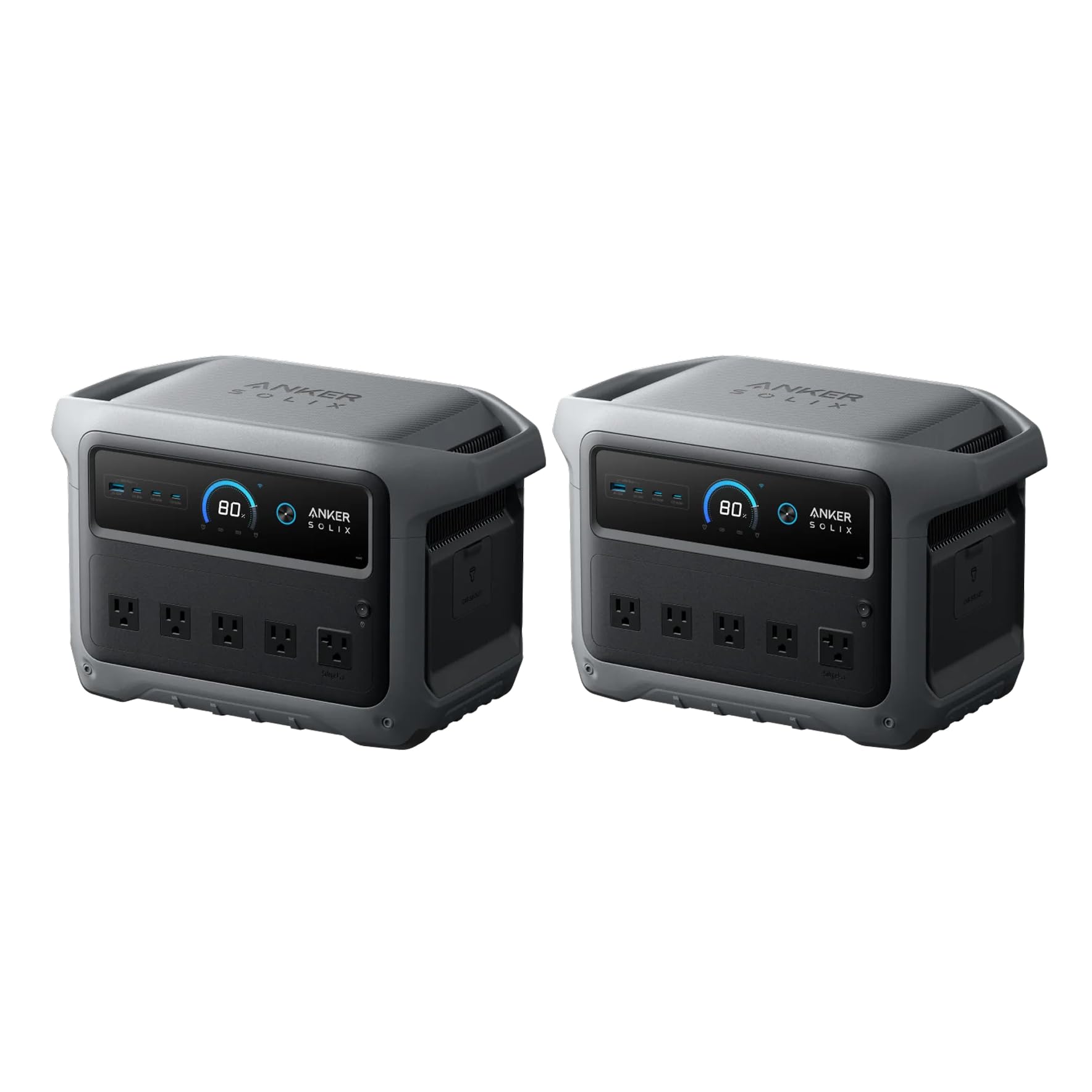
The Anker SOLIX C1000 Gen 2 1024Wh puts inverter muscle ahead of long runtime. Its 1024Wh battery is modest, but the 2000W continuous AC output and 3000W peak rating help it run bigger appliances for shorter stretches.
Its 600W max solar input is strong for the size, and the under 10 ms UPS switchover gives it added appeal for routers, CPAPs, and workstations. Anker also rates the pack for 4000 cycles to at least 80% capacity.
The tradeoff is simple. This is a high-output compact station, not a long-runtime battery, so buyers chasing maximum watt-hours should look at larger capacity picks.
Key highlights
- 1024Wh battery capacity
- 2000W continuous AC output
- 3000W peak output
- 600W max solar input, 60V max
- Under 10 ms UPS switchover
- 4000 cycles to at least 80% capacity
Pros
- Higher 2000W output than many 1kWh competitors
- Good 600W solar input for the size
- Fast UPS switchover for routers, CPAPs, and workstations
- Modern LiFePO4 pack with strong cycle-life claim
Cons
- Less established review history than longer-running Anker power stations
- Capacity is still only about 1kWh
- App-enabled features may matter more than some buyers want
Who it's for
Best for buyers who want a small solar generator that can run bigger appliances for shorter periods.
Skip if
Not ideal for buyers who mostly need maximum watt-hours instead of peak output.
BLUETTI Elite 200 V2 2073Wh - Best 2kWh solar charging
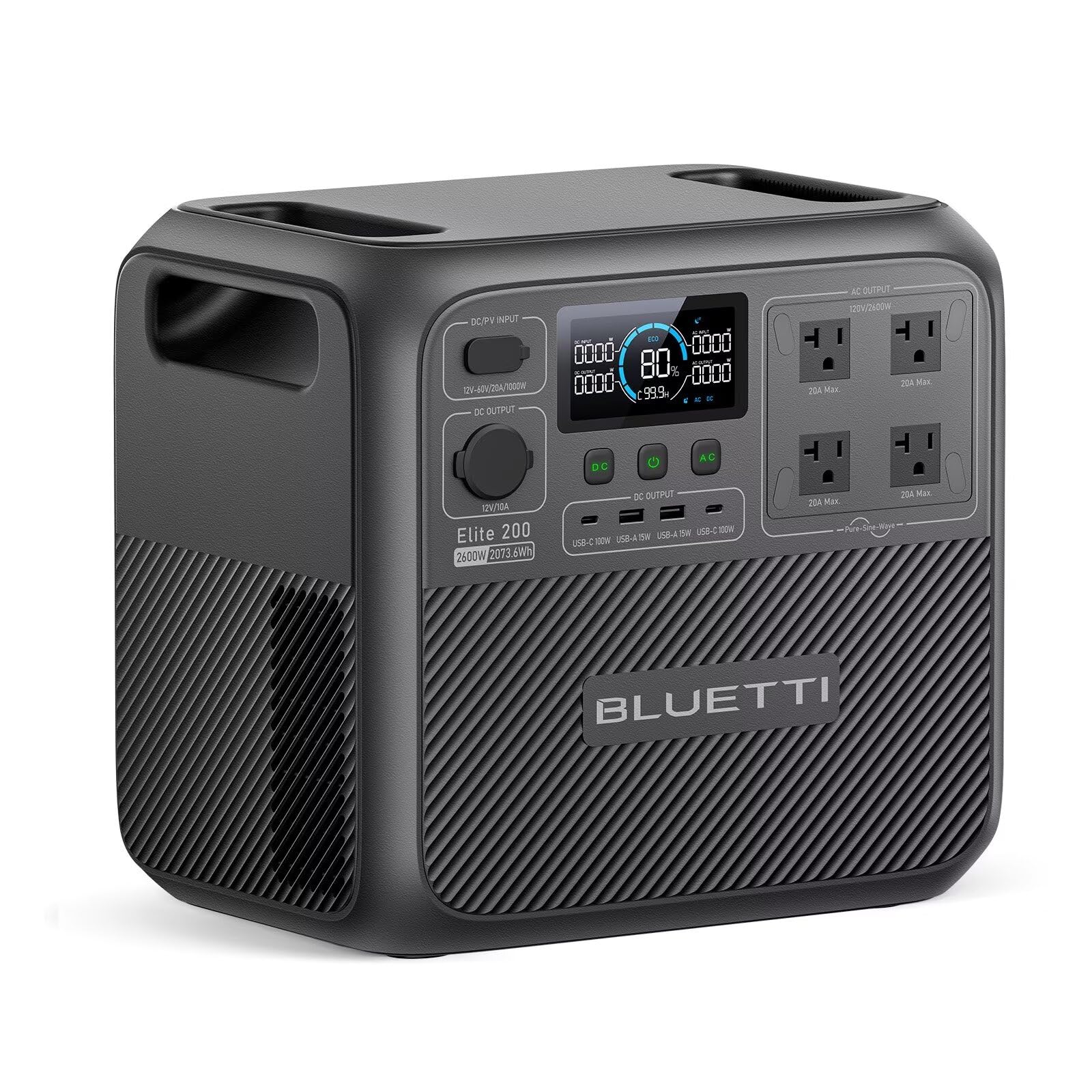
Solar recovery is the reason to choose the BLUETTI Elite 200 V2 2073Wh. Its 2073.6Wh battery gives you more practical runtime than a 1kWh unit, and the 2600W output across 4 AC outlets supports larger camp, outage, and off-grid work loads.
The headline spec is 1000W max solar input with a 12V to 60V, 20A max range. AC input is also strong at up to 1800W, giving the unit more flexibility when you need to refill before or after an outage.
The compromise is weight. At 53.4 lb, this is portable in the broad sense, but it is not the easiest model to lift, carry, or move often.
Key highlights
- 2073.6Wh battery capacity
- 2600W AC output across 4 AC outlets
- 1000W max solar input
- 12V to 60V, 20A max solar range
- Up to 1800W AC input
- 53.4 lb weight
Pros
- Large 2kWh-class capacity with strong 2600W output
- 1000W solar input is excellent for this class
- Good outlet mix for camping, outages, and off-grid work
- Often aggressively discounted on Amazon US
Cons
- Heavy at more than 50 lb
- Not designed for 240V home loads
- BLUETTI model naming can be confusing across regions
Who it's for
Best for buyers who want a portable 2kWh unit that can refill quickly from a serious solar-panel setup.
Skip if
The wrong choice for buyers who need wheels, 240V output, or the lightest 2kWh station.
Jackery Explorer 2000 v2 2042Wh - Best lightweight 2kWh pick
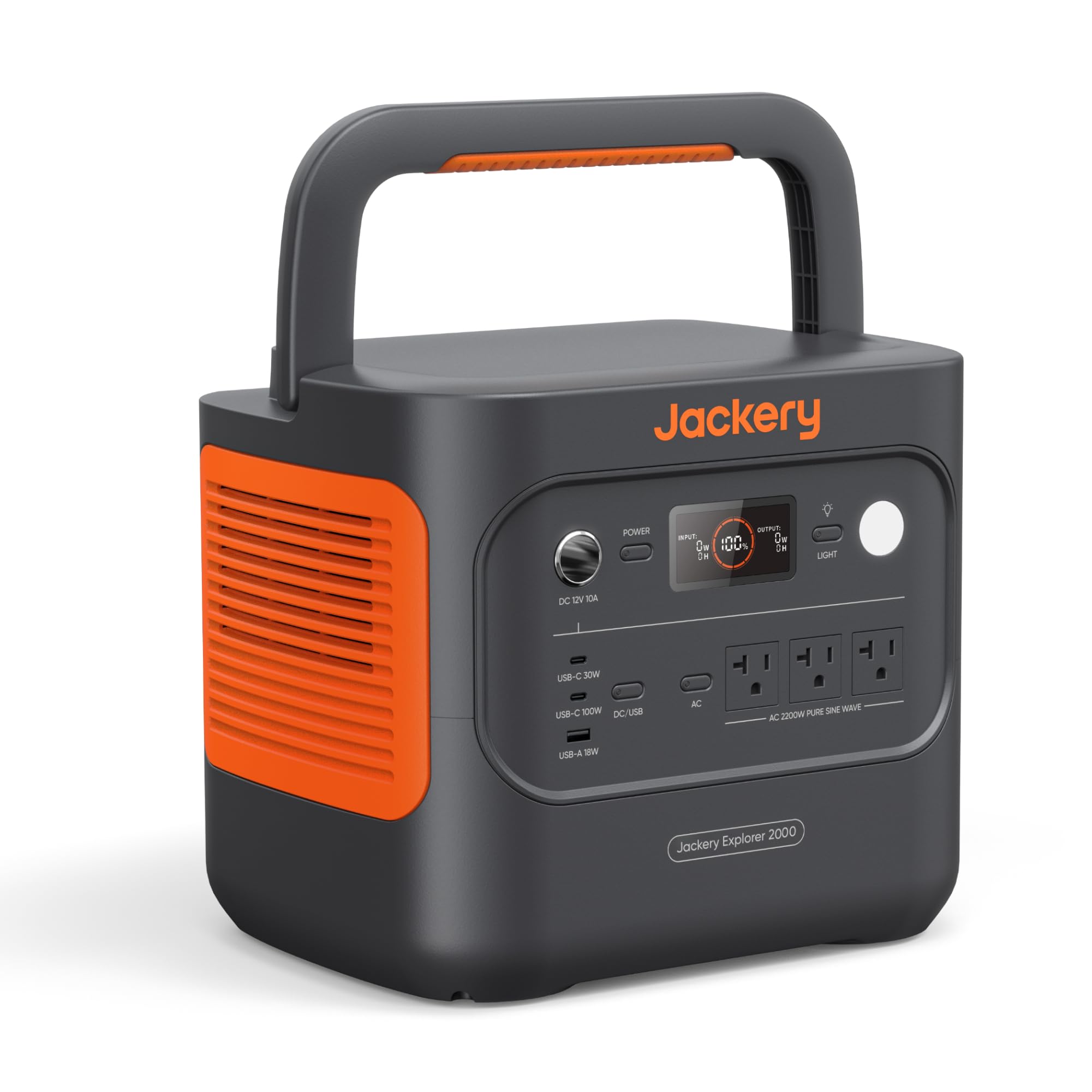
Jackery Explorer 2000 v2 2042Wh focuses on a problem that matters once battery size doubles: weight. Its 2042Wh LiFePO4 battery and 2200W continuous AC output can support refrigerators, microwaves, and many tools.
At 39.5 lb, it is very light for a 2kWh LiFePO4 power station. It also includes 4400W peak output and an under 20 ms UPS switchover, giving it a straightforward role as a capable backup station with a simple interface.
This Jackery is best for buyers who want a large portable battery, not a modular home-backup platform. Solar input is not class-leading, and expansion is not its strength.
Key highlights
- 2042Wh battery capacity
- 2200W continuous AC output
- 4400W peak output
- Under 20 ms UPS switchover
- 39.5 lb weight
- LiFePO4 battery chemistry
Pros
- Very light for a 2kWh LiFePO4 power station
- Simple interface and strong mainstream brand support
- Good 2200W output for refrigerators, microwaves, and many tools
- Amazon US listing showed substantial owner review volume
Cons
- Solar input is not class-leading
- Not built for larger expandable battery systems
- No 240V output
Who it's for
Best for buyers who want 2kWh-class runtime without moving a 55- to 70-pound box.
Skip if
Not the right fit for buyers who plan to build a larger expandable home-backup system.
Goal Zero Yeti 1500 6th Gen 1505Wh - Best rugged camping pick
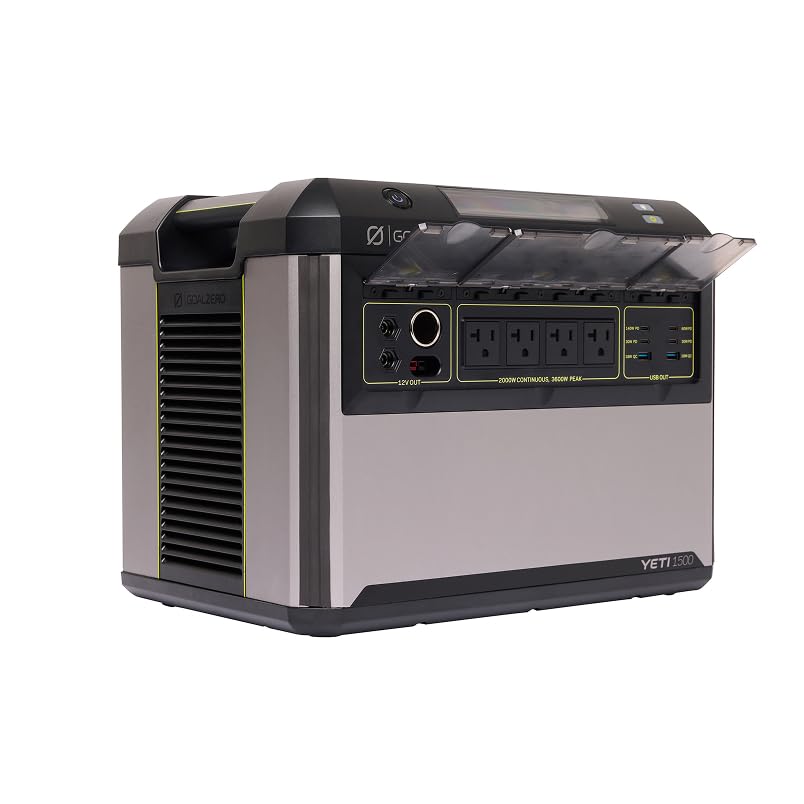
Goal Zero Yeti 1500 6th Gen 1505Wh is the outdoor-first pick in this group. Its 1505Wh LiFePO4 battery, 2000W continuous output, and 3600W surge rating give it a strong foundation for camping and field work.
Durability separates it from simpler indoor backup picks. The IPX4 water-resistant rating is useful around camp, and 900W max solar input gives it better recovery potential than many smaller portable stations.
Weight and value are the tradeoffs. At about 53 lb, this Goal Zero makes the most sense when rugged build, outdoor use, and weather resistance matter more than getting the most capacity for the money.
Key highlights
- 1505Wh LiFePO4 battery capacity
- 2000W continuous AC output
- 3600W surge output
- 900W max solar input
- 0 to 100% AC recharge in 1.1 hours
- IPX4 water resistant
Pros
- More rugged build than many plastic-bodied rivals
- IPX4 rating is useful for camping and field work
- Strong 900W solar input
- Modern LiFePO4 battery design
Cons
- Expensive for 1505Wh
- Heavy at about 53 lb
- Less attractive if you only need indoor emergency backup
Who it's for
Best for buyers who value durability, weather resistance, and outdoor use more than the lowest watt-hour cost.
Skip if
Not ideal for buyers who want maximum capacity for the money or home-panel integration.
DJI Power 2000 2048Wh - Best quiet high-output pick
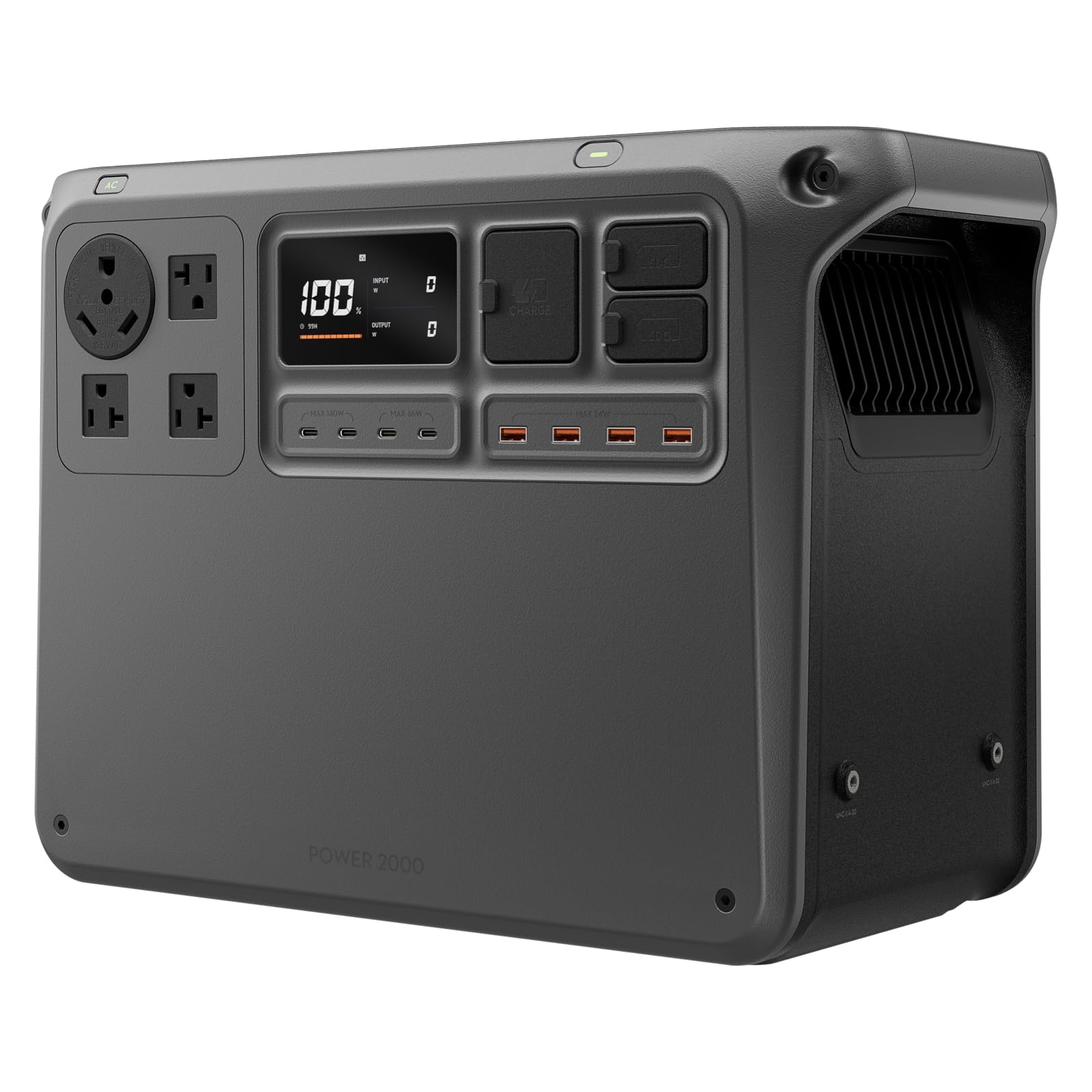
DJI Power 2000 2048Wh gives you serious AC output from a compact 2kWh package. The US 100 to 120V model is rated for 3000W AC output, and the battery maintains over 80% capacity after 4000 cycles.
Quiet operation is central to its appeal. It has a very quiet operating profile compared with many rivals, and its accessory ecosystem is especially strong for DJI drone users.
Solar charging can be powerful with the right accessory hardware. With the DJI Power 1.8kW Solar/Car Super Fast Charger accessory, solar input can reach up to 1800W.
Key highlights
- 2048Wh battery capacity
- 3000W AC output for US 100 to 120V model
- Maintains over 80% capacity after 4000 cycles
- Approx. 22 kg / 48.5 lb weight
- Up to 1800W solar input with DJI Power 1.8kW Solar/Car Super Fast Charger accessory
- Expandable up to 22,528Wh with battery modules
Pros
- High 3000W output in a compact 2kWh package
- Very quiet operating profile compared with many rivals
- Strong accessory ecosystem, especially for DJI drone users
- Expandable up to 22,528Wh with battery modules
Cons
- Best solar performance requires DJI accessory hardware
- Newer entrant in this category than Jackery, EcoFlow, or Goal Zero
- No native 240V home-output pitch like larger home-backup systems
Who it's for
Best for buyers who want a quiet, compact, high-output station for home backup, RV use, production work, or DJI gear.
Skip if
Not the right fit for buyers who want a simpler MC4-first solar setup without proprietary accessories.
EcoFlow DELTA Pro 3 4096Wh - Best for home backup
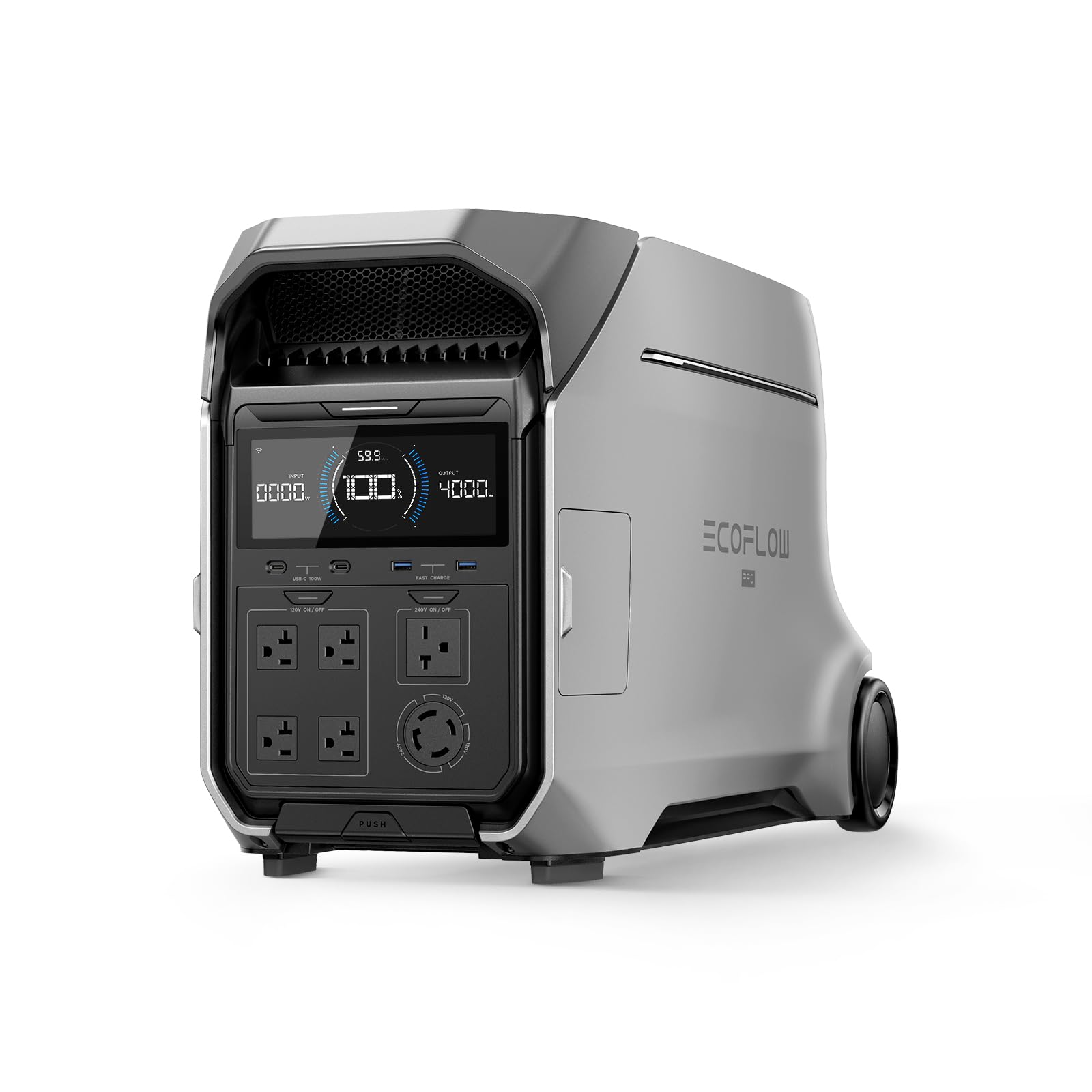
EcoFlow DELTA Pro 3 4096Wh is where this list moves from portable power station into serious home-backup territory. Its 4096Wh capacity, 4000W AC output, and 120V/240V support make it more useful for home loads than typical 120V-only boxes.
Solar input is another major advantage. The system supports 2600W max solar input, split between 1600W high-voltage PV and 1000W low-voltage PV, and it is expandable up to 48kWh.
This is a large, heavy, and complex choice compared with a 1kWh or 2kWh station. It makes sense when you want a portable battery system that can grow into longer outage coverage.
Key highlights
- 4096Wh battery capacity
- 4000W AC output
- 120V/240V output support
- 2600W max solar input
- 4000 cycles to over 80% state of health
- Expandable up to 48kWh
Pros
- Large 4kWh base capacity
- 120V/240V support makes it more useful for home loads
- Excellent solar input ceiling
- Expandable for longer outages
Cons
- Large, heavy, and expensive
- Home integration accessories add cost and complexity
- Overkill for casual camping or phone/laptop charging
Who it's for
Best for buyers who want a portable battery system that can grow into serious home-backup duty.
Skip if
Too much system for buyers whose needs are limited to small electronics, CPAP, router, or weekend camping.
Anker SOLIX F3800 Plus 3840Wh - Best expandable whole-home system
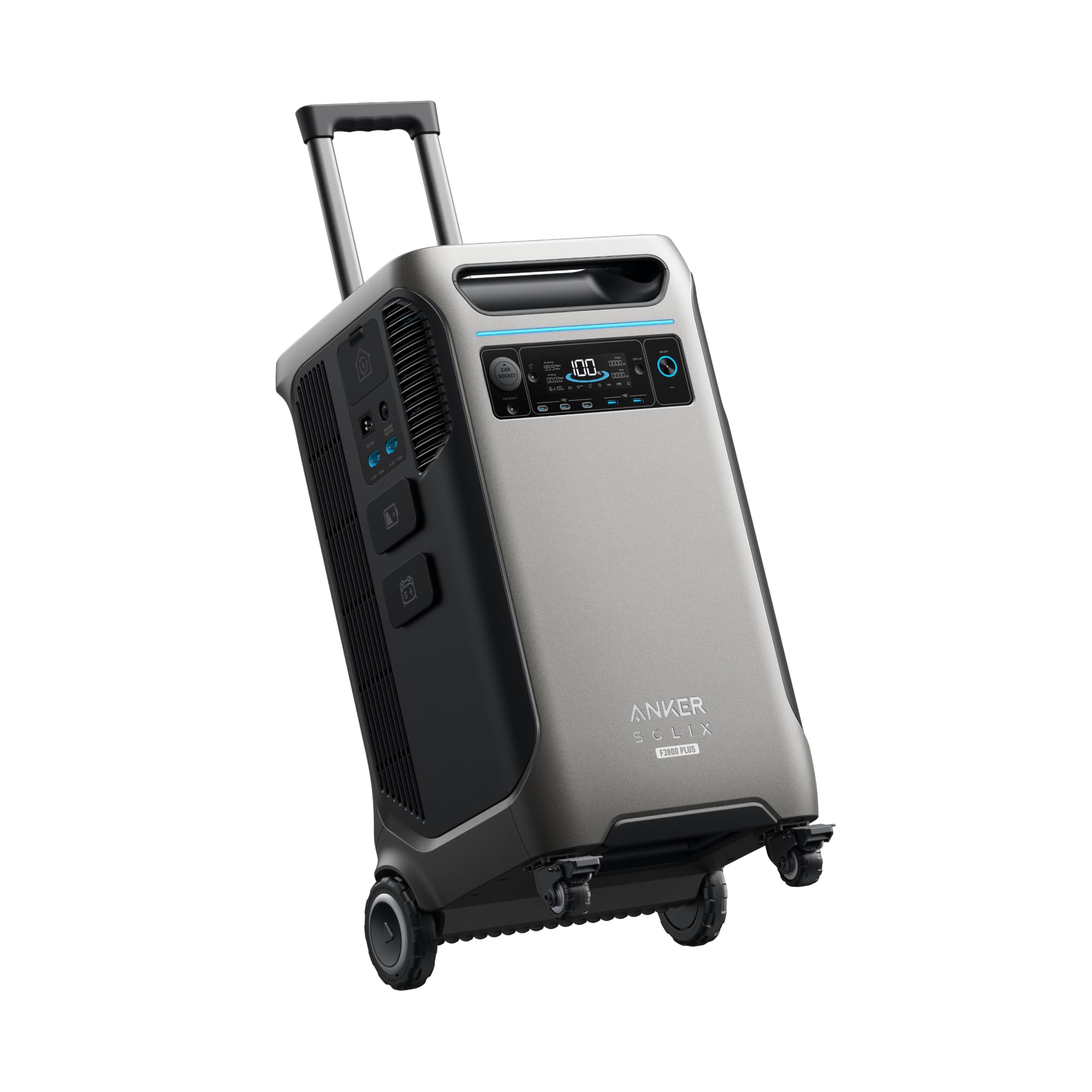
Anker SOLIX F3800 Plus 3840Wh is the expandable whole-home choice for buyers building a larger backup path. It starts with a 3840Wh-class LiFePO4 base battery and delivers 6000W AC output with 120V/240V support.
Solar capability is a core strength. The F3800 Plus supports 3200W max solar input through dual 165V MPPT inputs, and the system can expand up to 53.8kWh.
This is more system than most apartment, camping, or casual emergency shoppers need. It becomes compelling when selected home circuits, RV use, or modular outage backup are the real goal.
Key highlights
- 3840Wh class base battery
- 6000W AC output
- 120V/240V support
- 3200W max solar input via dual 165V MPPT inputs
- Expandable up to 53.8kWh
- LiFePO4 battery chemistry
Pros
- Big 6000W inverter output from one unit
- Improved 3200W solar input versus the original F3800
- Scales into a real whole-home backup system
- Can integrate with Anker home power accessories
Cons
- Very heavy and expensive
- Full home-backup setup requires additional hardware
- More system than most apartment or camping shoppers need
Who it's for
Best for buyers who want a modular battery backup path for outages, RVs, or selected home circuits.
Skip if
Not the right choice for buyers who need a simple portable box they can lift into a car by themselves.
How to Choose
- Match watt-hours to runtime. Watt-hours are the fuel tank. A 1000Wh station is fine for phones, laptops, routers, CPAPs, and short fridge support; 2000Wh-plus is more realistic for overnight essentials; 4000Wh-plus is where home-backup expectations start to make sense.
- Check inverter output. A big battery with a weak inverter can fail to start microwaves, pumps, fridges, or power tools. Look at continuous watts first, then surge watts for compressor startup loads.
- Prioritize solar input. Solar input determines recovery speed. A 2000Wh unit with 400W solar can take most of a sunny day to refill, while 900W to 1800W solar input can recover much faster with enough panels and good sun.
- Decide on 240V support. Most portable stations are 120V only. If you need well pumps, some HVAC equipment, EV charging, or transfer-panel use, choose a model that explicitly supports 120V/240V and plan for the required panels or adapters.
- Choose LiFePO4 when possible. For most buyers in 2026, LiFePO4 batteries are preferable because they typically offer far higher cycle life and better long-term value than older NMC packs.
- Respect the weight. A 1kWh unit around 24 to 30 lb can be moved easily; 2kWh models often hit 40 to 55 lb; whole-home systems can exceed 100 lb and need wheels, carts, or semi-permanent placement.
Is a solar generator the same thing as a gas generator?
No. In this category, a solar generator is usually a portable battery power station plus optional solar panels. It stores electricity and can recharge from wall power, solar, car, or sometimes another generator. It does not make continuous power from fuel.
Can these run a refrigerator during an outage?
Yes. Most 1000Wh-plus models can run a typical refrigerator for several hours, and 2000Wh-plus models can usually run one longer. Actual runtime depends on fridge efficiency, ambient temperature, compressor cycling, and what else is plugged in.
Do solar panels come in the box?
Often no. Many listings sell the power station alone and offer solar-generator bundles separately, so shoppers should verify whether panels are included before comparing options.
Can I use a solar generator indoors?
Yes. Battery power stations can be used indoors because they do not emit exhaust while operating. Solar panels still need sun exposure outdoors or near strong direct sunlight.
How much solar panel wattage should I buy?
A practical starting point is 200W to 400W for a 1kWh station, 400W to 1000W for a 2kWh station, and 1000W-plus for 4kWh home-backup units, staying within the power station's voltage, current, and wattage limits.
Share this article
More in News
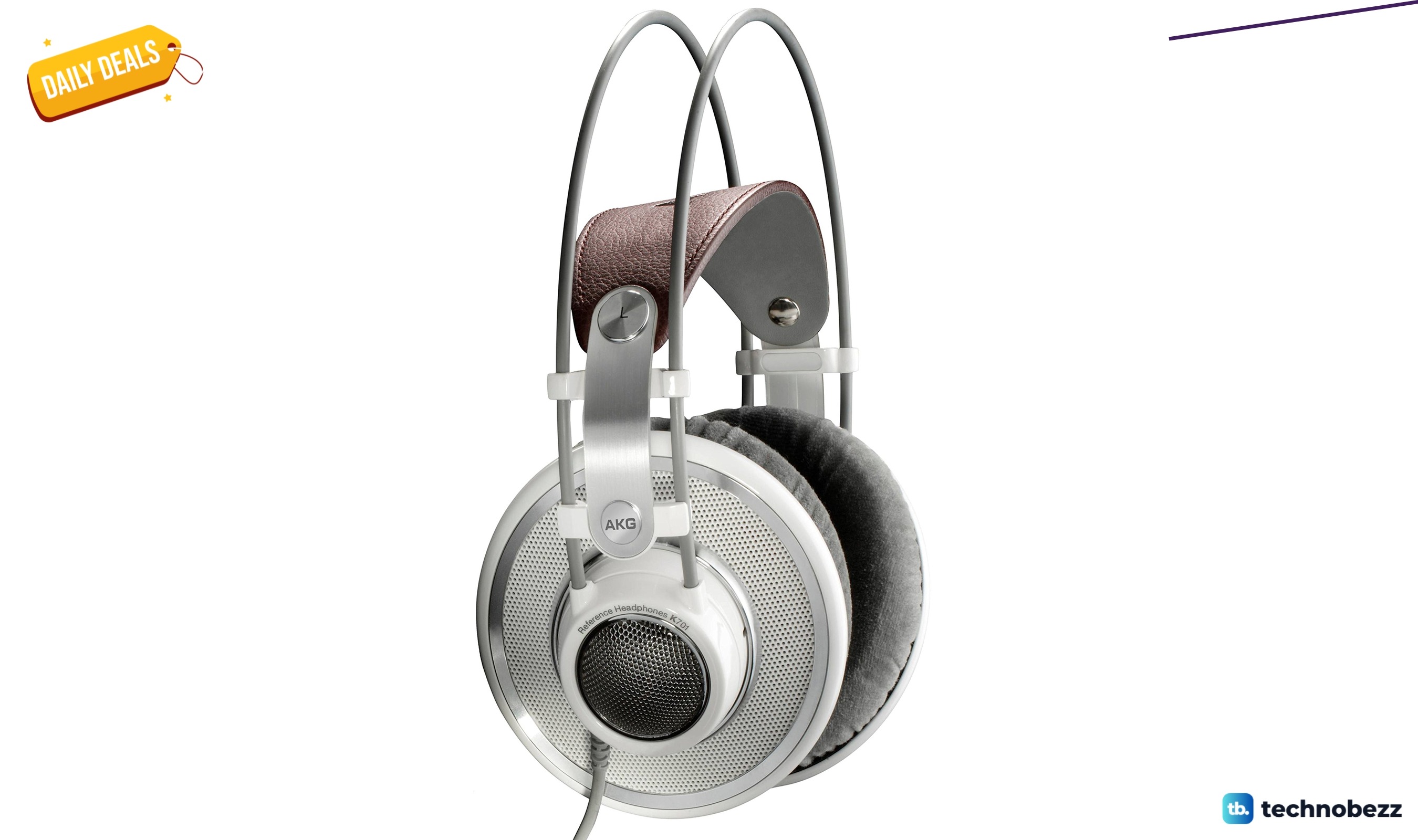
AKG K 701 Ultra Reference Class Stereo discounted to $247.37
AKG K 701 headphones drop to $247.37 on Amazon, a 47% discount that sits below recent 30, 90, and 180-day average prices.
5 min read

Apple Watch SE 3 GPS 40mm Smartwatch discounted to $189.97
Save $59.03 on the Apple Watch SE 3 GPS 40mm at Amazon, matching its lowest recorded price with health and sleep tracking.
5 min read
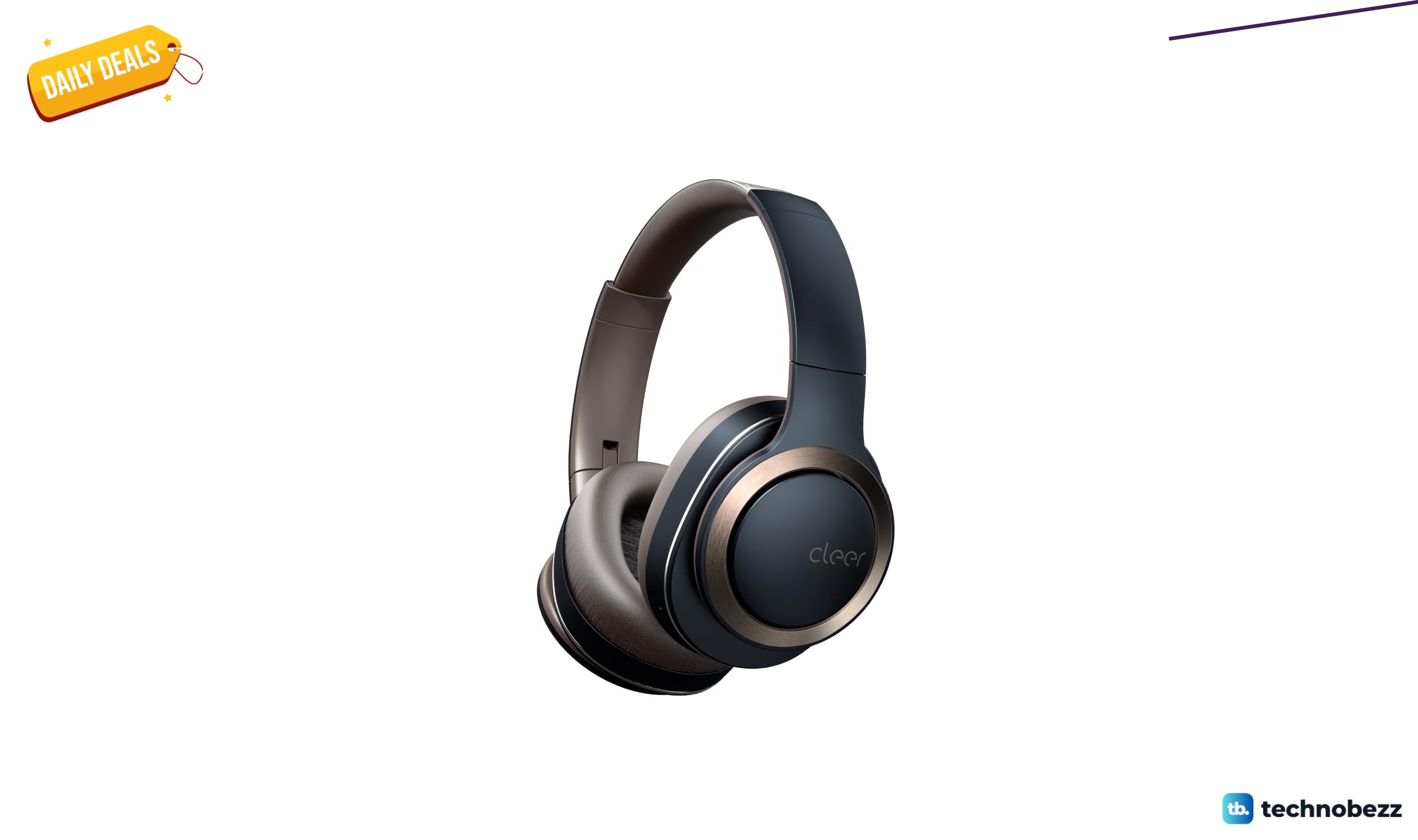
Cleer Audio Enduro ANC Noise Canceling Headphones price drops to $94.99
Save 47% on Cleer Audio Enduro ANC headphones at $94.99, with 60-hour battery, active noise cancellation, and multipoint Bluetooth.
3 min read

Lenovo coupon codes and deals
Browse 5 current Lenovo offers, including 3 coupon codes and 2 online deals.
5 min read

Woot coupon codes and deals
3 min read

Samsung coupon codes and deals
5 min read

Best tech coupon codes and online deals
4 min read
ASUS ROG Zephyrus S Ultra Slim Gaming gets a $660.95 price cut to $1338.05
5 min read
Samsung Galaxy Z Fold8 Unlocked Android Smartphone on sale for $1649.99
3 min read
We found 2 smartwatch deals from $219.99 that are actually worth it
5 min read
Sony WH-CH720 Noise Canceling Wireless Bluetooth Headphones now $87.94, down from $119.99
3 min read
TCL 75-inch F7D QLED 4K TV leads 2 TV deals from $499.99
5 min read