When your Samsung Galaxy stops vibrating, you miss calls, texts, and alerts without realizing it. The cause is almost always a setting, a mode, or a glitched app rather than broken hardware. The steps below follow current One UI menus, so the paths match recent Galaxy phones.
Work through them in order. The early fixes solve the vast majority of cases in under a minute, and the later steps help you confirm whether the problem is software or the vibration motor itself.
Quick Fixes at a Glance
Use this table to jump straight to the fix that matches your symptom. If you are not sure where to start, begin with a restart and then check Sound mode.
| Symptom | Most likely fix |
|---|---|
| No vibration at all, started suddenly | Restart the phone |
| Phone is silent and still | Switch out of Mute, set Sound mode |
| Vibration too weak to feel | Raise Vibration intensity |
| No vibrate for calls only | Turn on Vibrate while ringing |
| Quiet only at certain times | Turn off Do Not Disturb or Sleep mode |
| One app does not vibrate | Fix that app's notification settings |
| No keyboard or touch buzz | Enable System vibration |
| Nothing works at all | Safe Mode test, then hardware test |
Restart the Phone
A quick restart clears the temporary system glitches that often freeze haptic feedback. It is the single fastest fix and costs you nothing.
Press and hold the Side button and Volume Down together for several seconds, then tap Restart. If the menu does not appear, keep holding both buttons until the phone reboots on its own. Once it powers back on, test a vibration to see if the issue is gone.
Switch Out of Mute
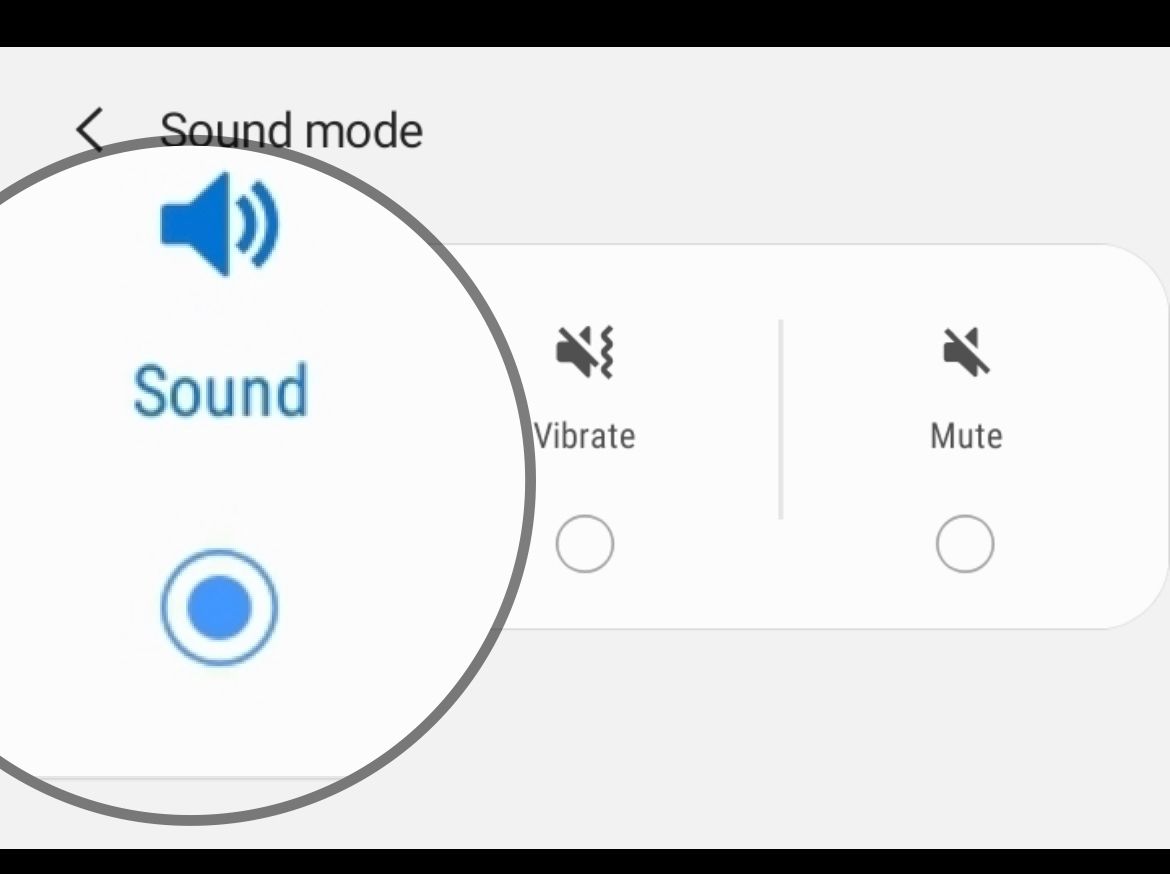
If your phone is set to Mute, vibration is often disabled along with sound. Setting the correct sound mode brings it back.
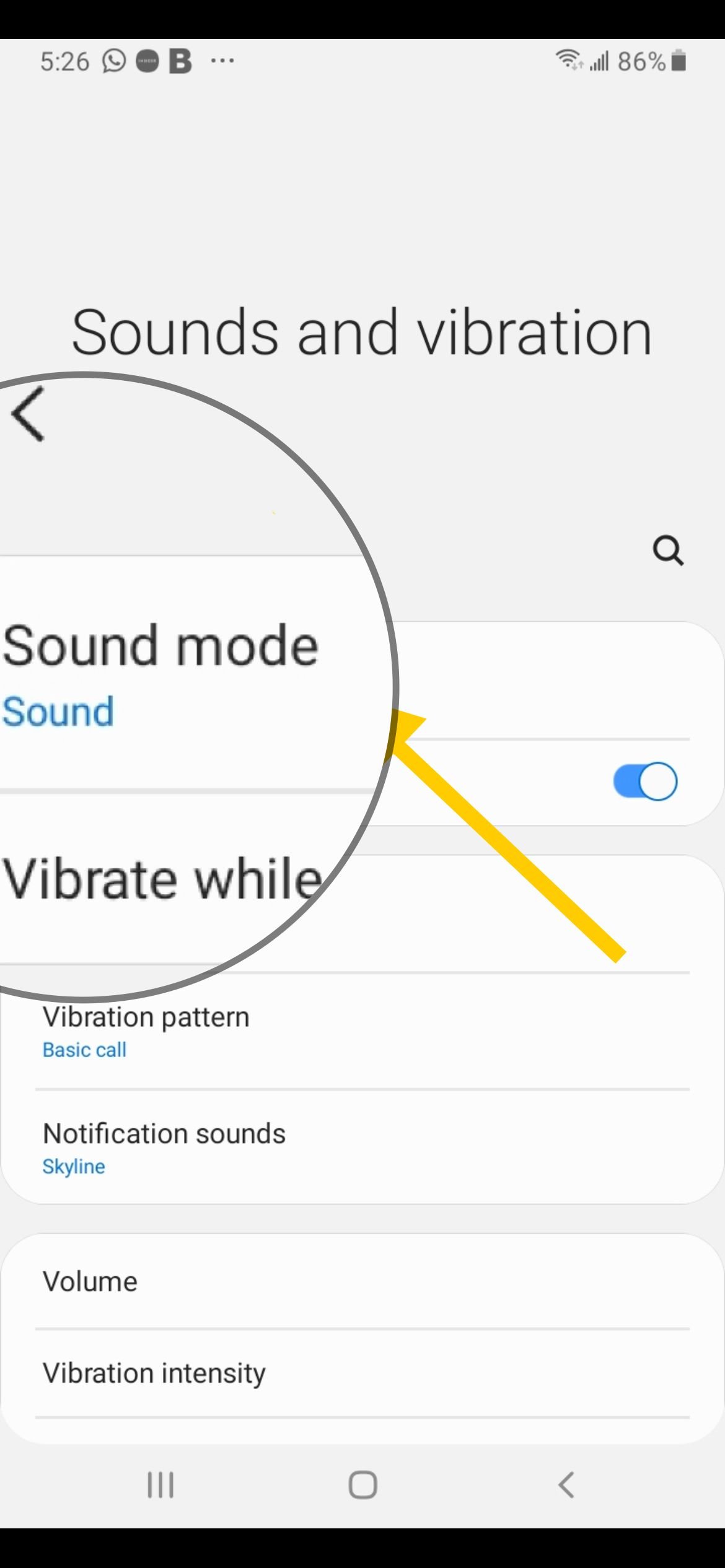
Go to Settings > Sounds and vibration > Sound mode. Choose Sound or Vibrate instead of Mute. You can also toggle this from the Quick Settings panel by swiping down and tapping the sound or vibrate icon.
Turn On Vibrate While Ringing
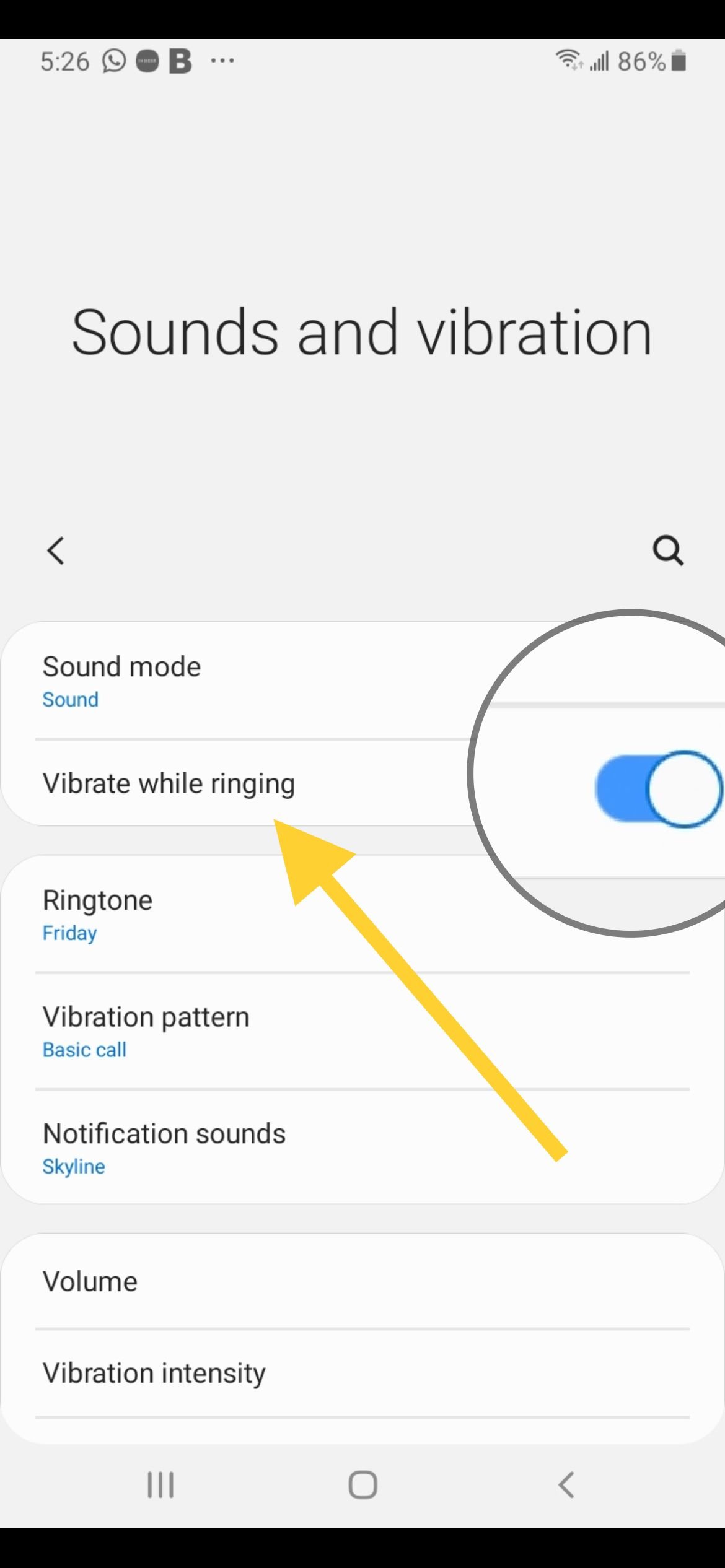
This setting controls whether the phone buzzes for incoming calls. If only calls fail to vibrate, this is usually the reason.
Open Settings > Sounds and vibration and turn on Vibrate while ringing. If it is already on, toggle it off and back on to reset it. Then place a test call to confirm.
Raise the Vibration Intensity
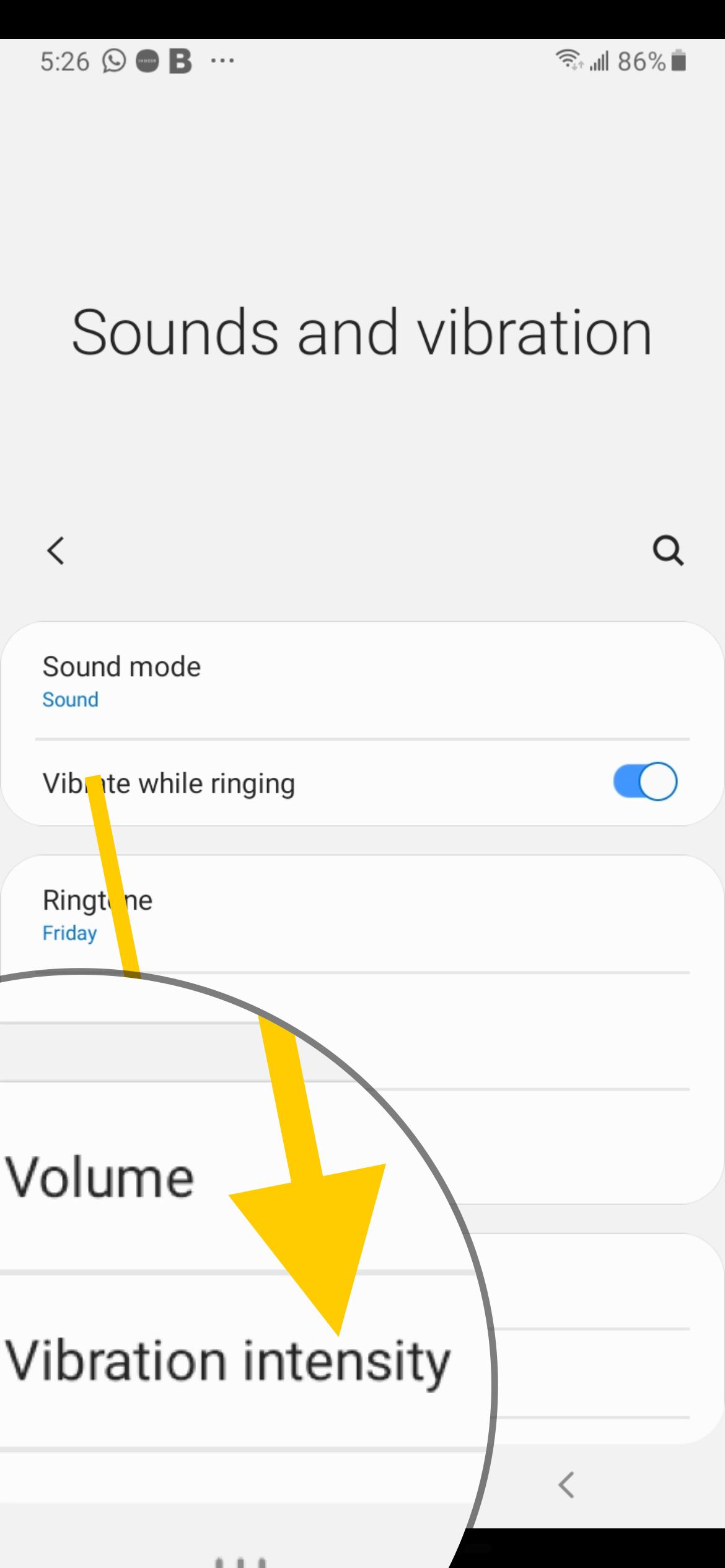
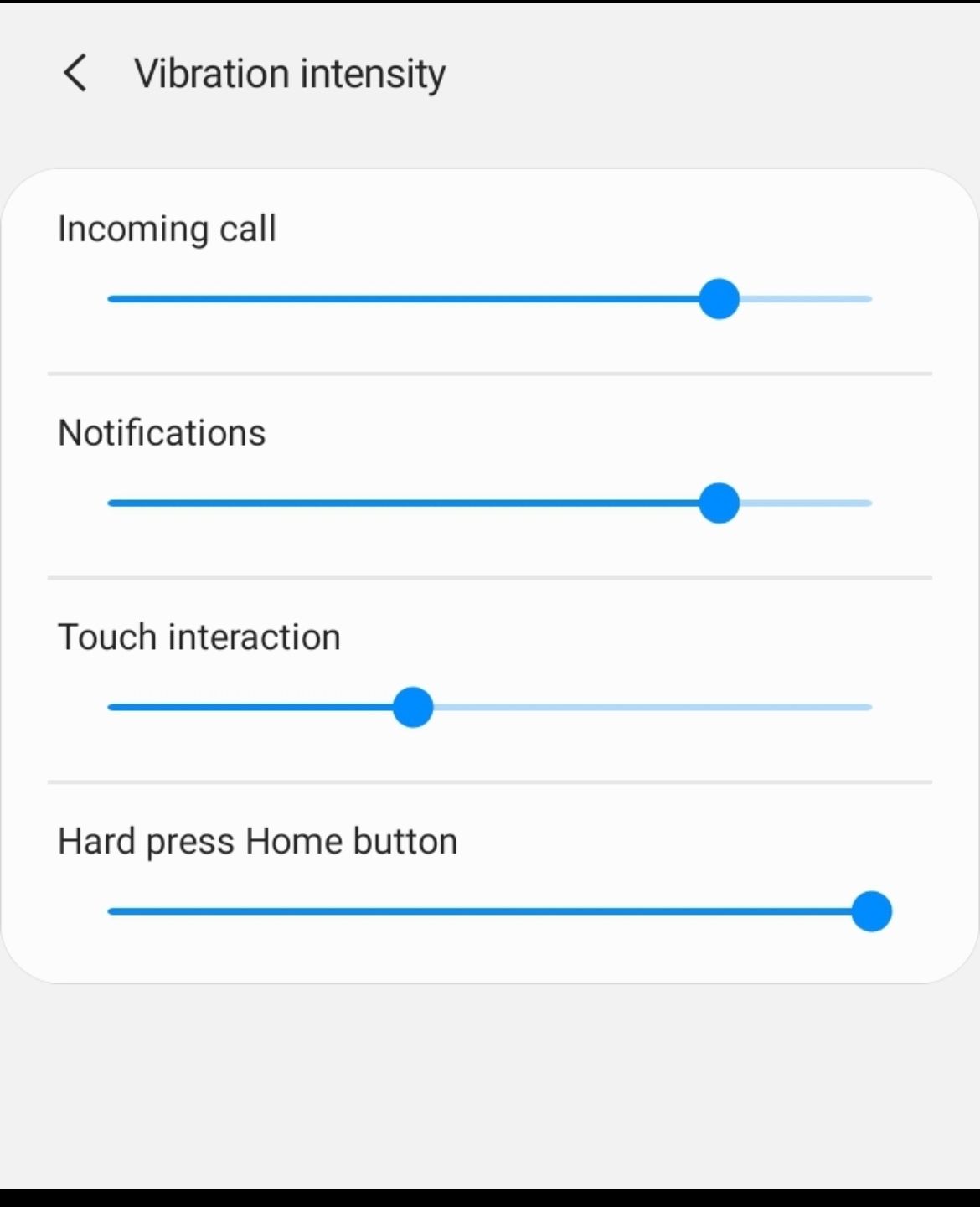
Galaxy phones let you set separate intensity levels, and a low setting can make vibration too faint to notice. Turning the sliders up often makes the problem disappear.
Go to Settings > Sounds and vibration > Vibration intensity. Raise the sliders for Call, Notifications, System, and Media so each is set high enough to feel.
Check the Vibration Pattern
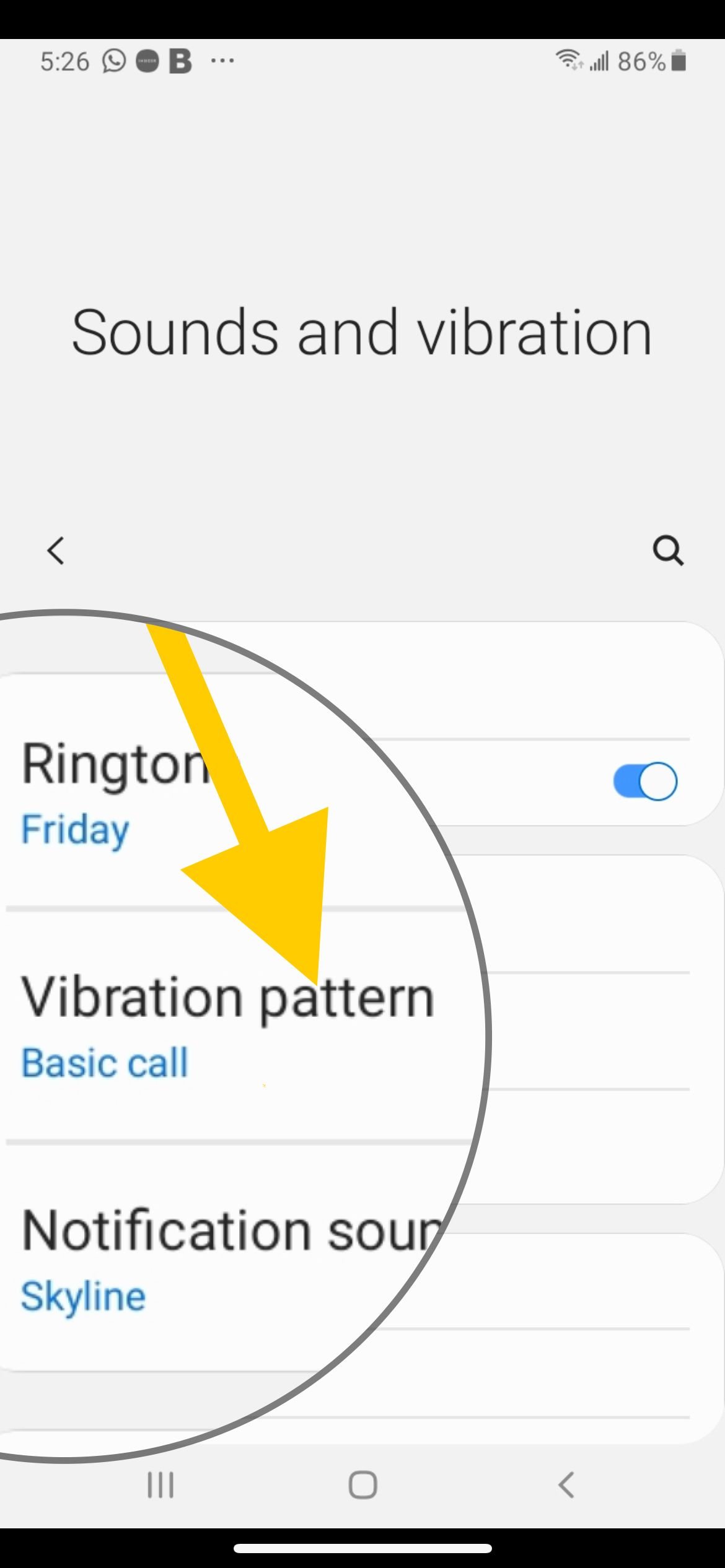
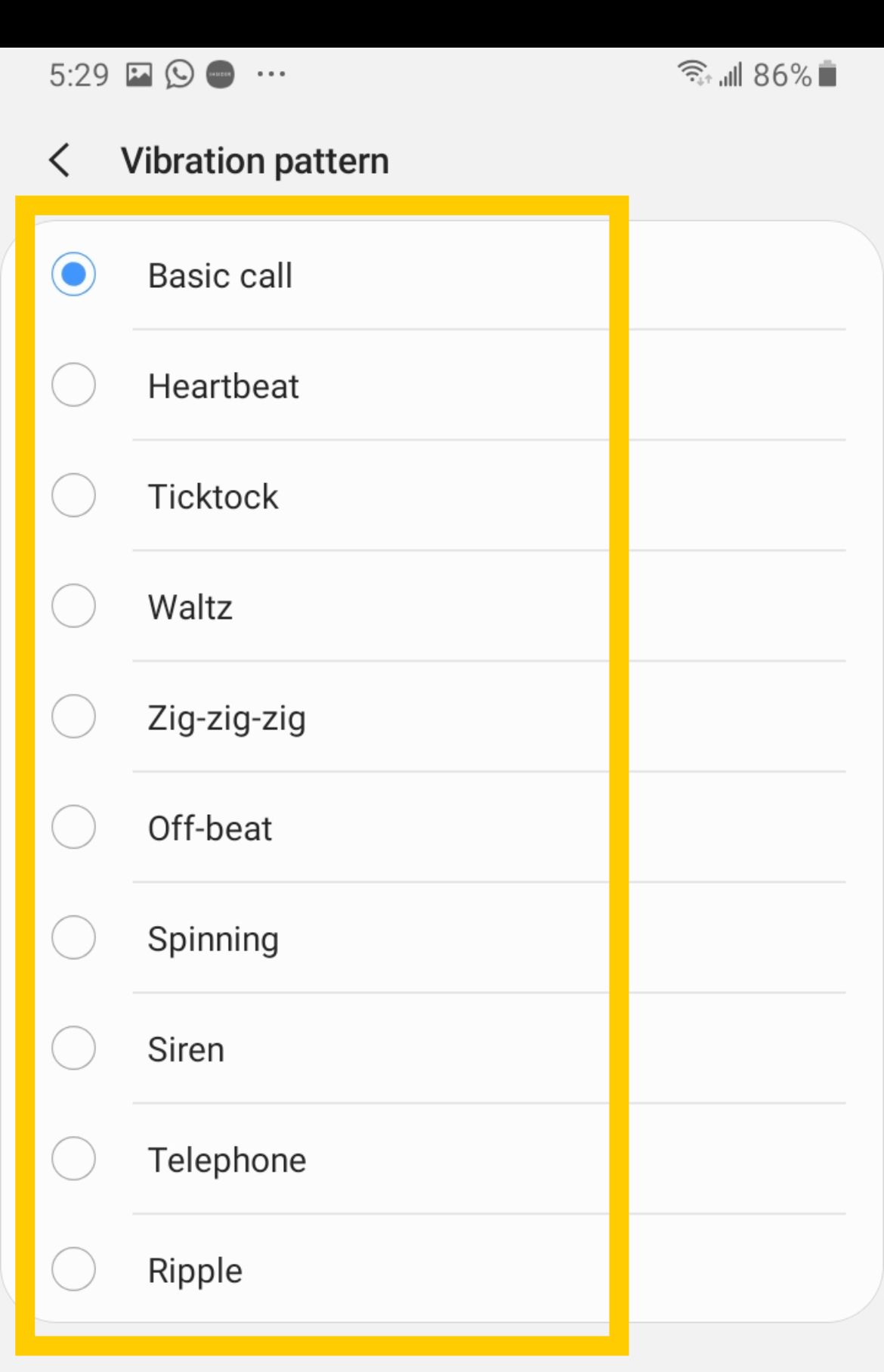
Some One UI versions include a vibration pattern set to Silent, which produces no buzz even when everything else is correct. Switching to a normal pattern fixes this.
Open Settings > Sounds and vibration, then check Call vibration and Notification vibration. Make sure Silent is not selected and pick an active pattern instead.
Turn Off Do Not Disturb
Do Not Disturb silences notifications and vibration for anything not on your allowed list. If your phone goes quiet at certain times, this is a common cause.
Go to Settings > Notifications > Do not disturb and turn it off. You can also disable it from the Quick Settings panel if the Do Not Disturb tile is active.
Disable Sleep and Other Modes
Sleep mode and similar profiles in Modes and Routines automatically enable Do Not Disturb and mute alerts during set hours. An active mode can block vibration without any obvious sign.
Open Settings > Modes and Routines and check whether Sleep, Theater, or a custom mode is running. Turn off any active mode, or edit its schedule so it is not silencing your phone when you need alerts.
Enable System Vibration
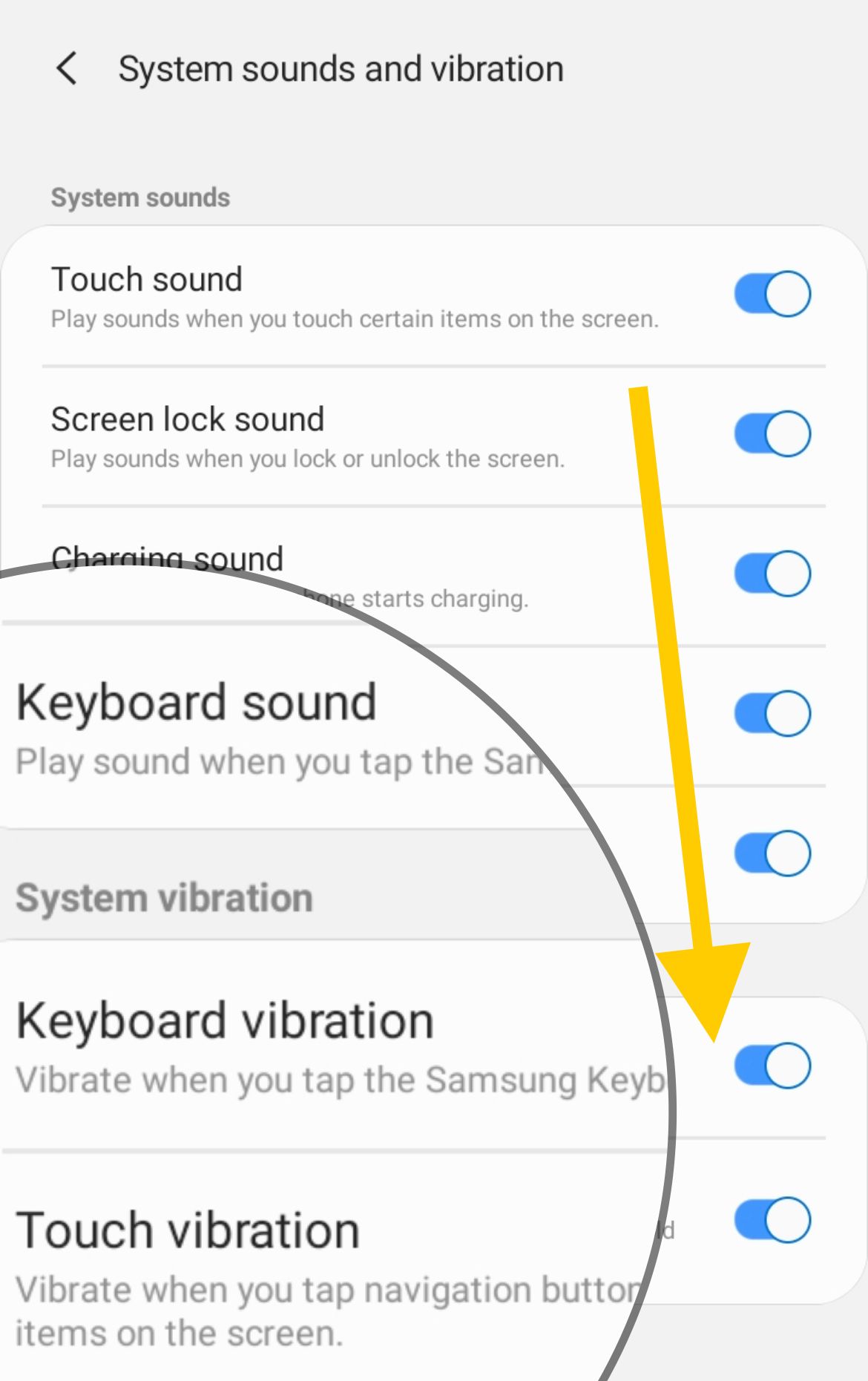
System vibration covers the buzz you feel when typing, dialing, or using touch controls. If only those are missing, this menu is where to look.
Go to Settings > Sounds and vibration > System vibration. Turn on vibration feedback for touch interactions, the dialing keypad, and the Samsung keyboard as needed.
Fix App Notification Settings
When vibration fails for just one app, the problem is usually in that app's notification settings rather than a system fault. Each app controls its own alert behavior.
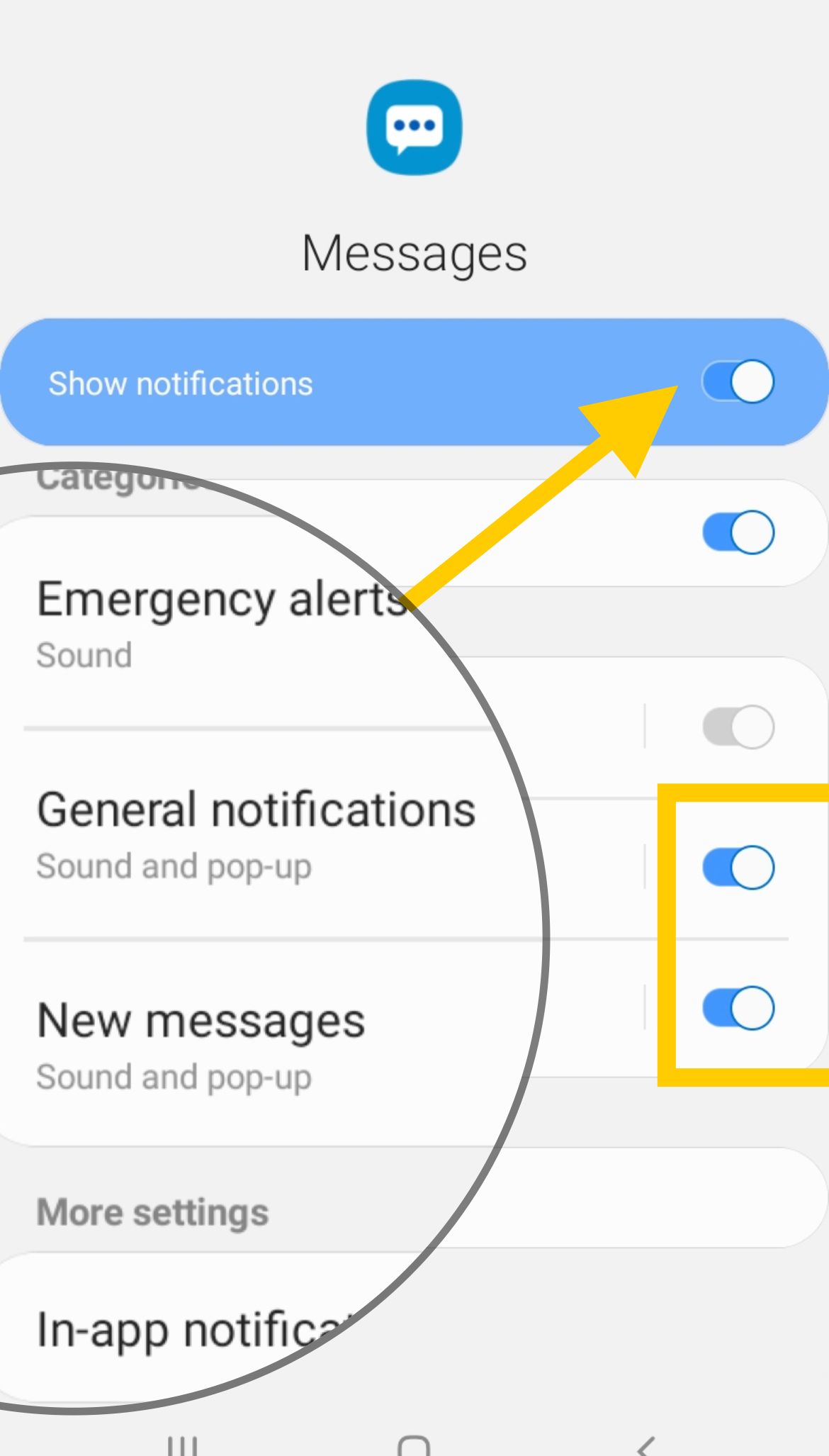
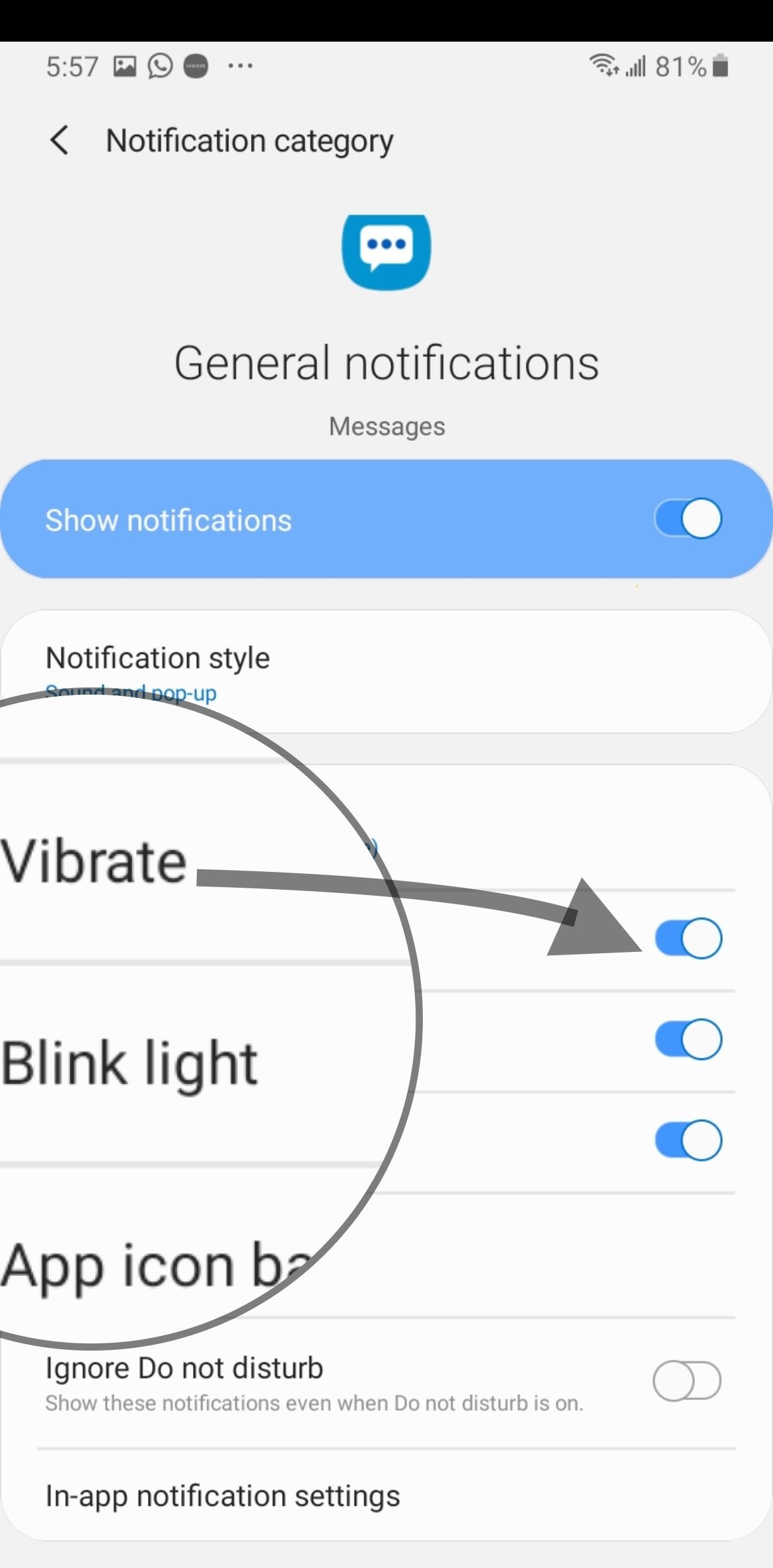
Go to Settings > Apps, select the app, then tap Notifications. Make sure notifications are allowed and that vibration is enabled for the alert categories you care about.
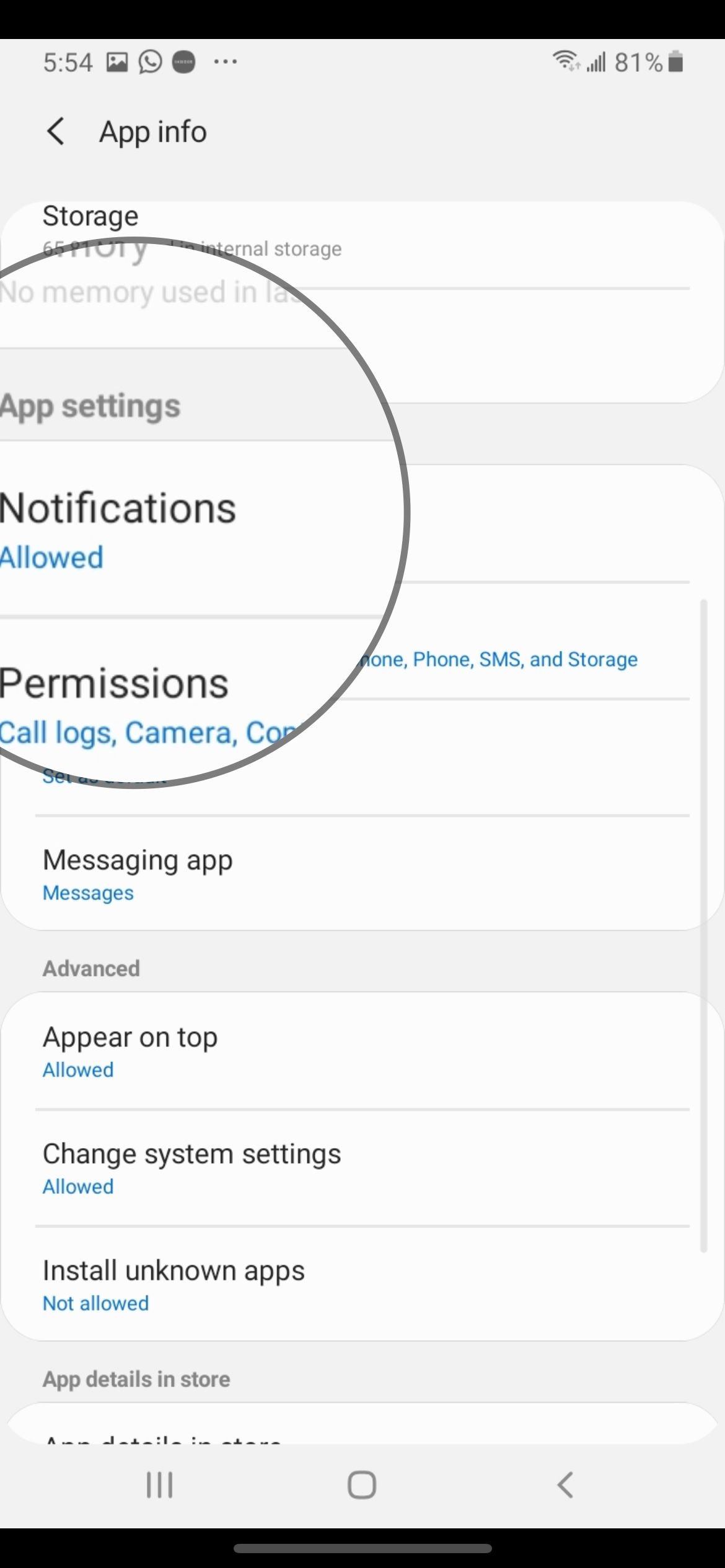
For the Messages app, open Settings > Apps > Messages > Notifications. Enable notifications and vibration for both the general and new message categories.
Update the Software
An outdated One UI build can carry bugs that break haptics, and Samsung often resolves them in later updates. Installing the latest version is a low-effort fix worth trying.
Go to Settings > Software update > Download and install. Apply any available update, then restart and test vibration again.
Test in Safe Mode
Safe Mode loads the phone with only built-in apps disabled from third parties. If vibration works here, a downloaded app is the culprit.
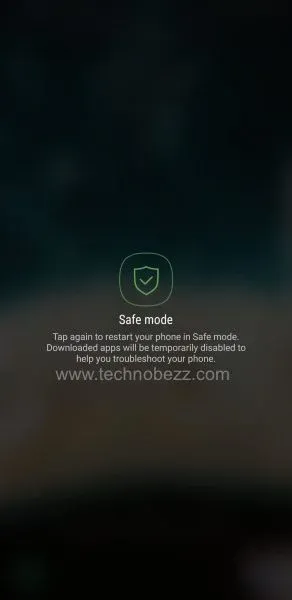
Press and hold the Side button and Volume Down, then touch and hold Power off until the Safe mode option appears, and tap it. Test vibration in Safe Mode. To exit, simply restart the phone normally.
If vibration works in Safe Mode, a downloaded app is interfering. Restart normally and remove recently installed apps one at a time until the problem disappears.
Reset Settings
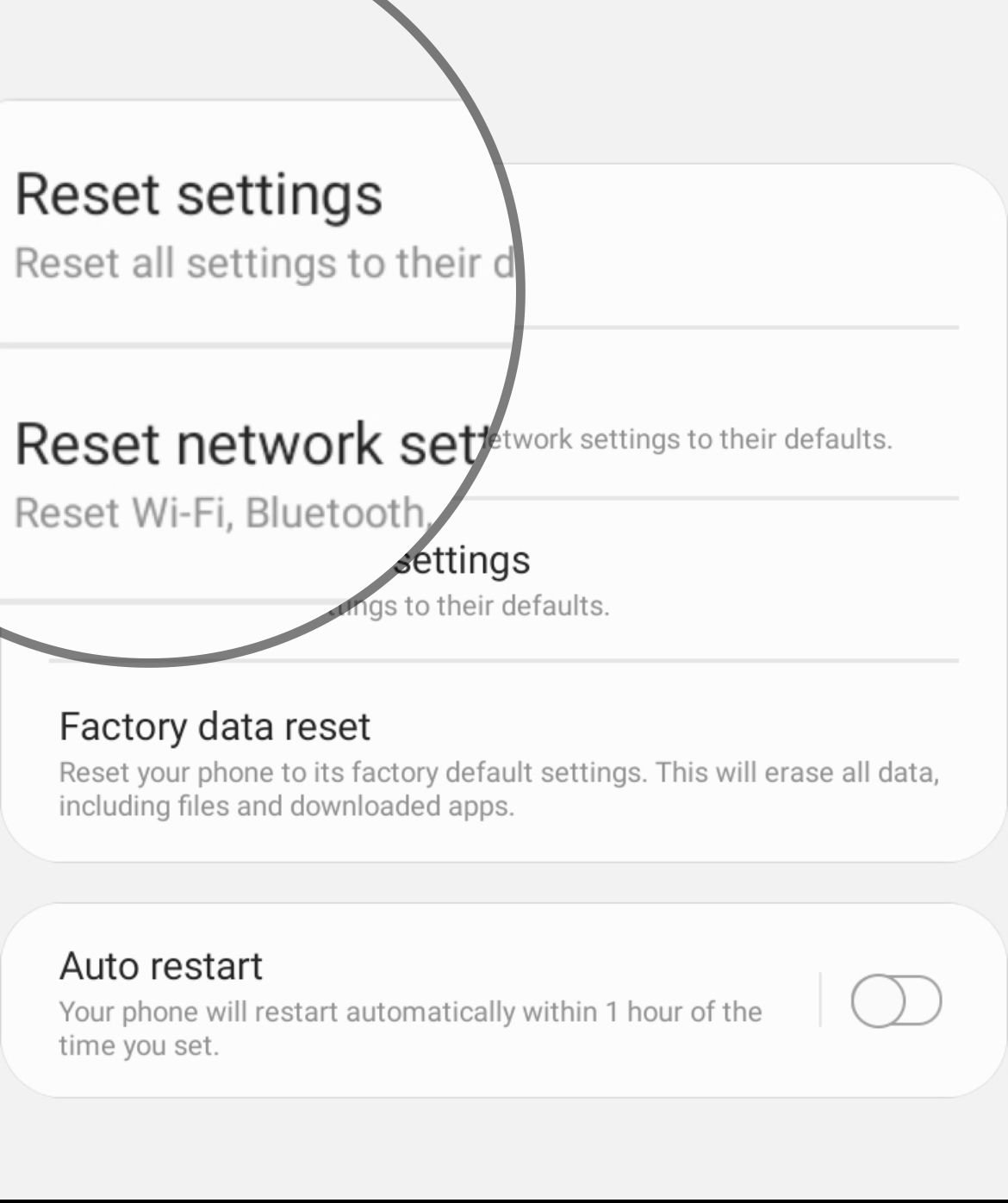
Resetting settings returns system options to their defaults without erasing your photos, apps, or files. It clears any misconfiguration you cannot find manually.
Go to Settings > General management > Reset > Reset settings, then confirm. After the phone reboots, check vibration and reconfigure your sound mode if needed.
Remove Custom Themes
A third-party theme can occasionally override sound and vibration behavior in ways that are hard to spot. Switching back to the default theme rules this out.
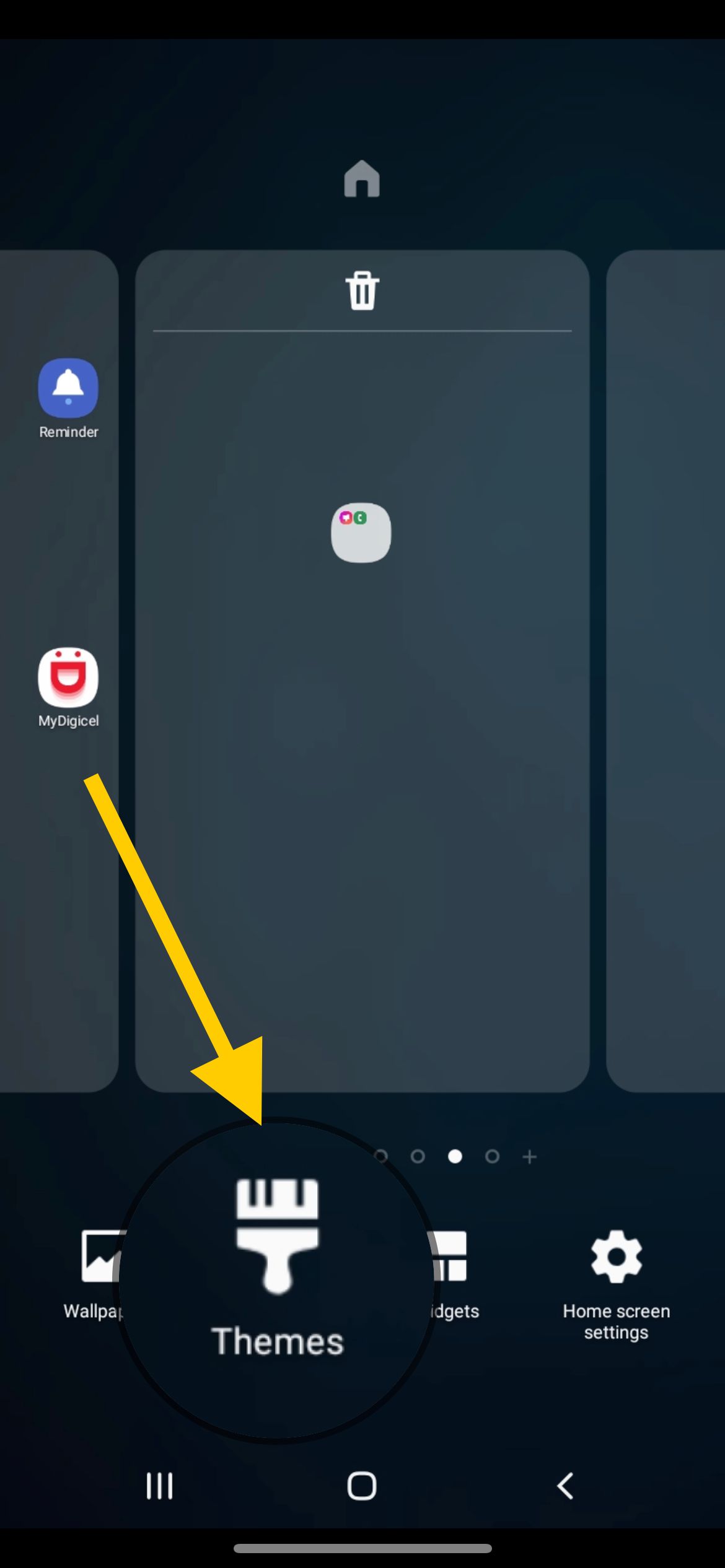
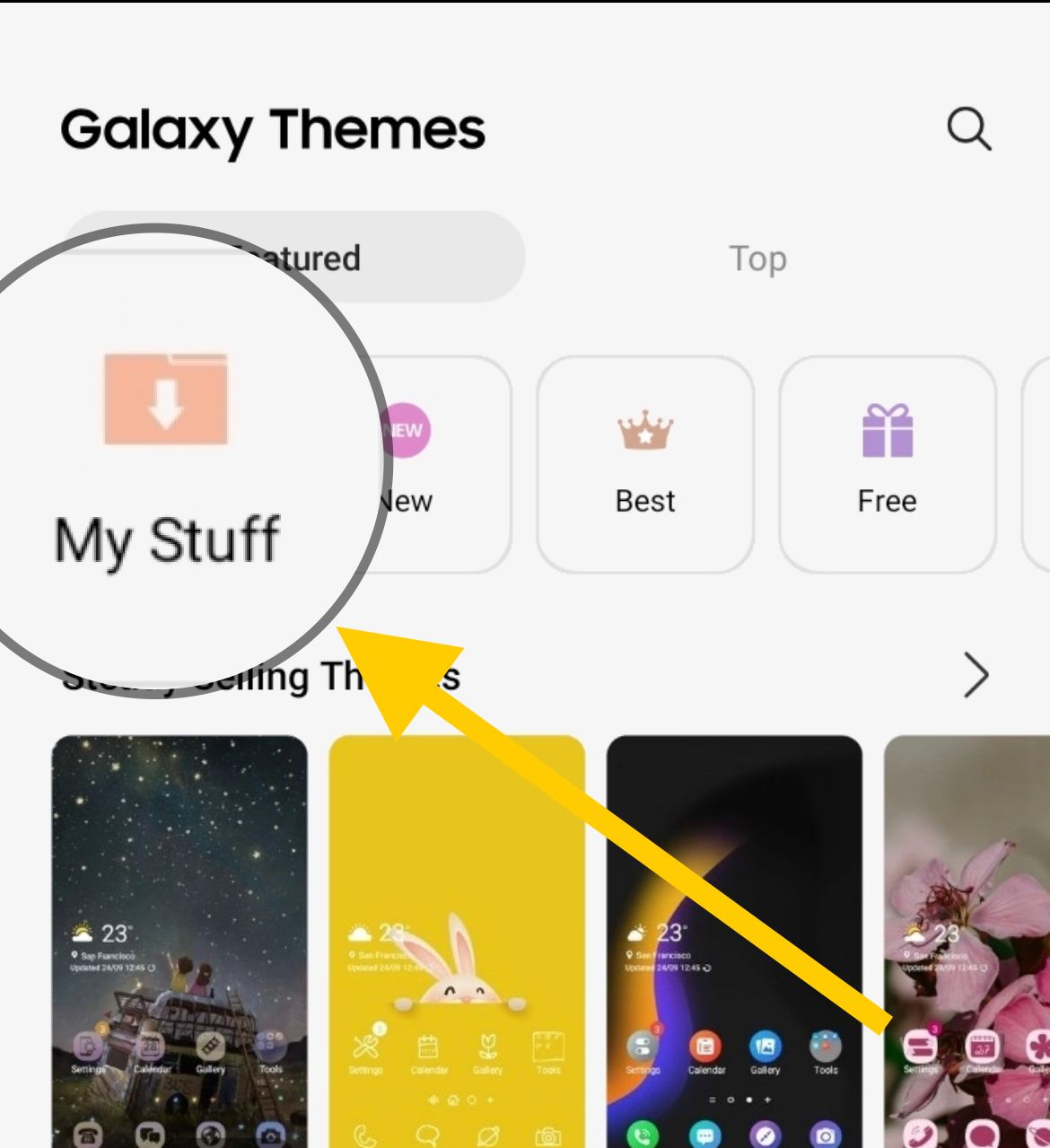
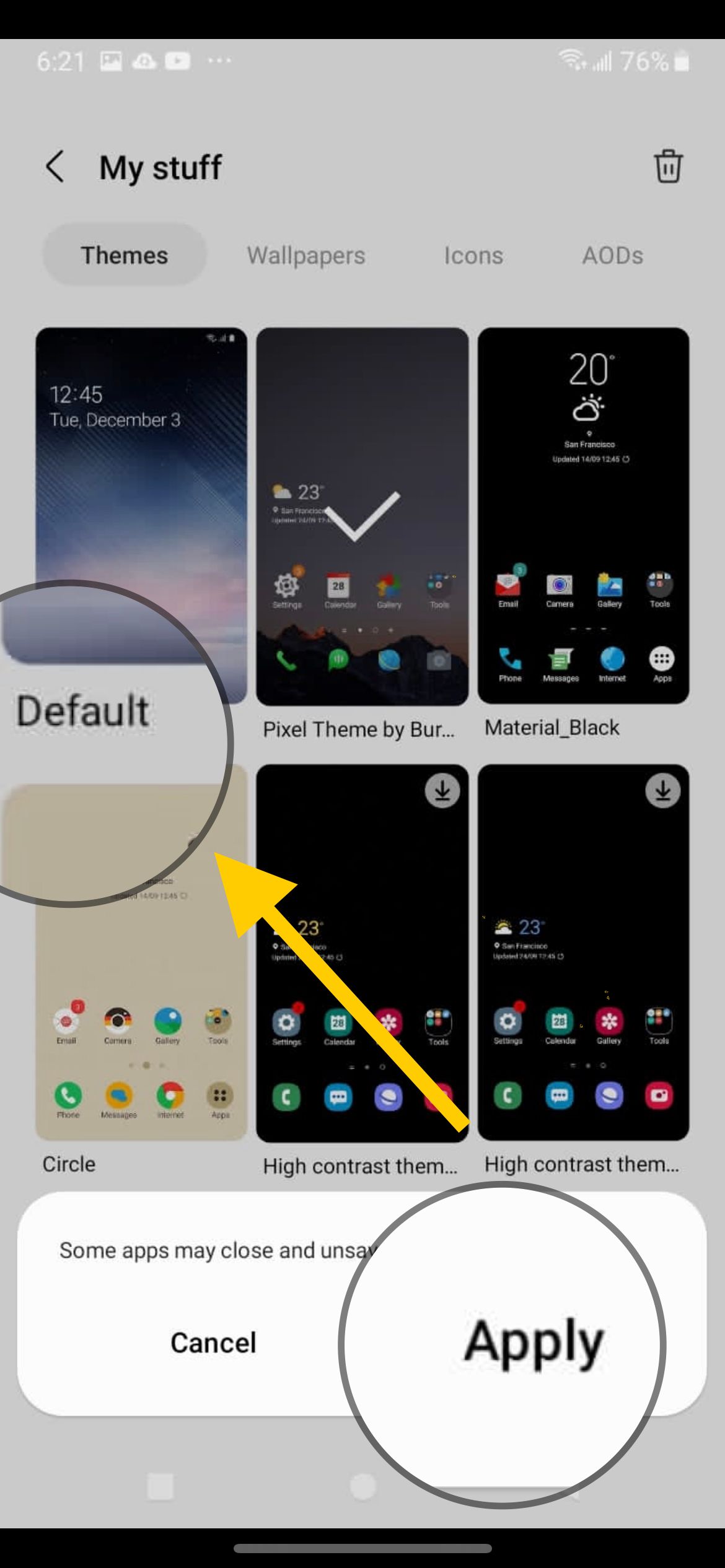
Long-press an empty area of the home screen, tap Themes, then open My stuff. Select the Default theme and apply it, then test vibration.
Run a Hardware Test
If software fixes fail, confirm whether the vibration motor itself still works. The Samsung Members app is the most reliable way to check on current One UI versions.
Open Samsung Members, go to the Discover tab, then tap Diagnostics > Phone diagnostics. Run the Vibration test, or choose Test all. If the test buzzes, the motor is fine and the issue is software.
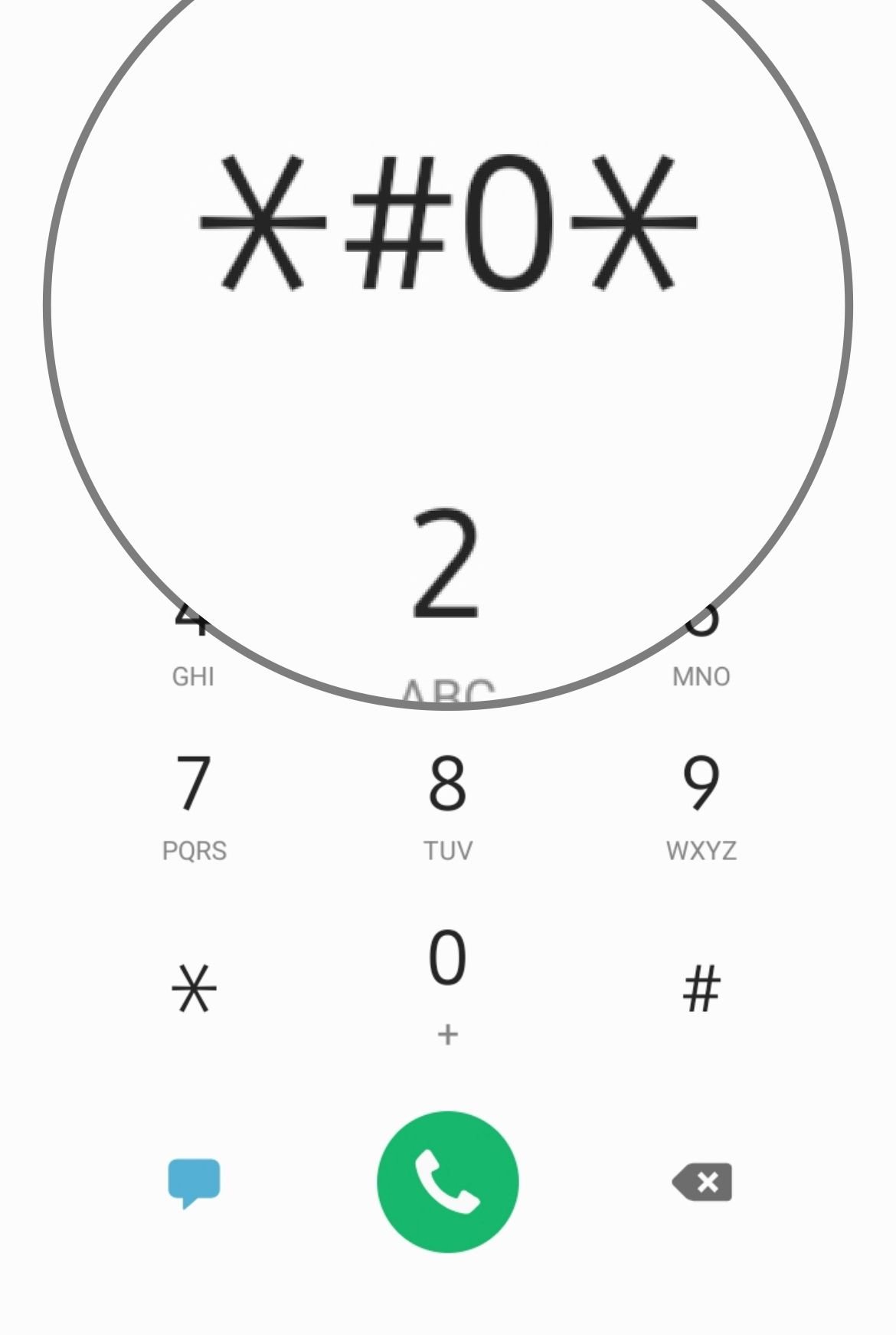
On some devices you can also open the Phone dialer and enter the diagnostic code *#0*#, then tap Vibration. This hidden menu is restricted or removed on many newer Galaxy models, so use Samsung Members if the code does nothing.
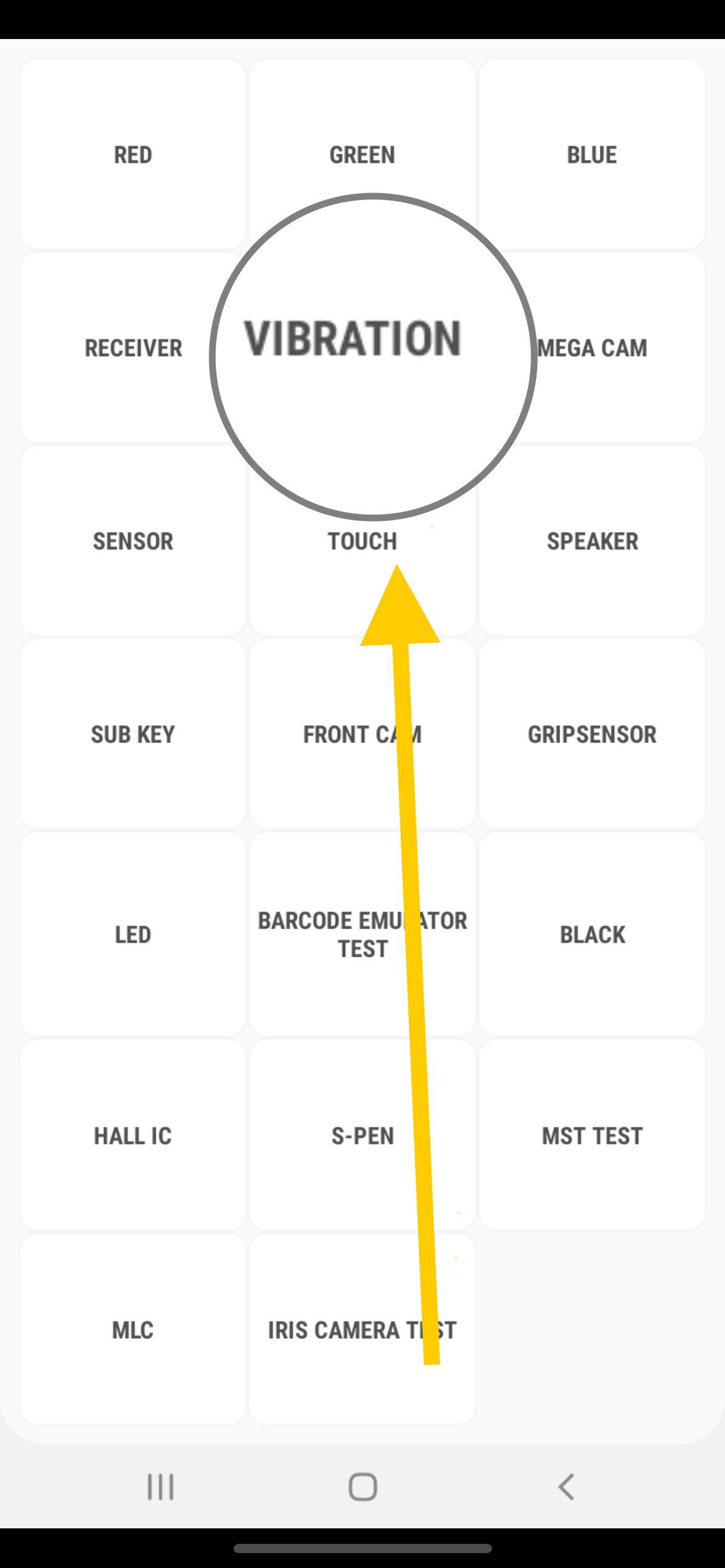
If the motor fails to respond in either test, the vibration component likely needs service. Contact Samsung support or an authorized repair center, especially if the phone is still under warranty.
Frequently Asked Questions
Why won't my Samsung vibrate for calls only?
This is almost always the Vibrate while ringing toggle being off, or a Call vibration pattern set to Silent. Open Settings > Sounds and vibration, turn on Vibrate while ringing, and choose an active call vibration pattern.
Is my vibration problem hardware or software?
Run the Vibration test in the Samsung Members Diagnostics tool. If the phone buzzes during the test, the motor is fine and the issue is a setting or app. If it stays still, the hardware likely needs repair.
Does Sleep mode disable vibration?
Yes. Sleep mode automatically turns on Do Not Disturb and silences sound and vibration during its scheduled hours. Check Settings > Modes and Routines and turn off any active mode that is muting alerts.
Why does my Samsung vibrate too weakly to feel?
The vibration intensity sliders are set too low. Go to Settings > Sounds and vibration > Vibration intensity and raise the Call, Notifications, System, and Media levels.
Why does only one app fail to vibrate?
That app's notification settings have vibration turned off or notifications blocked. Open Settings > Apps, select the app, tap Notifications, and enable vibration for the relevant alert categories.
Will a factory reset fix vibration that still won't work?
A factory reset can clear deeper software faults, but try Reset settings first since it keeps your data. If neither helps and the hardware test fails, the issue is the vibration motor and the phone needs service.
First published October 15, 2025. Last updated June 4, 2026.