
That "Unfortunately, Samsung Keyboard has stopped" message popping up on your Galaxy S25 FE is a real roadblock. It's a common hiccup, but the good news is you can almost always fix it yourself without losing any data.
I'd start with the simplest fix first. Head to your Settings, then tap on Apps. Find "Samsung Keyboard" in the list and tap on it. On the app info screen, tap the "Force Stop" button. This completely shuts down the keyboard app and lets it start fresh the next time you need to type.
Restart Your Galaxy S25 FE
A full phone restart clears out temporary system glitches that can affect any app, including the keyboard. Just press and hold the side button and volume down button together for about ten seconds until you see the Samsung logo. Your phone will reboot, and you can test the keyboard right away.
Clear the Keyboard's Cache and Data
Corrupted temporary files can cause the keyboard to crash. Clearing the cache is safe and won't delete your personal typing data, but clearing the app data will reset the keyboard to its default settings. You'll lose any custom dictionaries or personalized preferences.
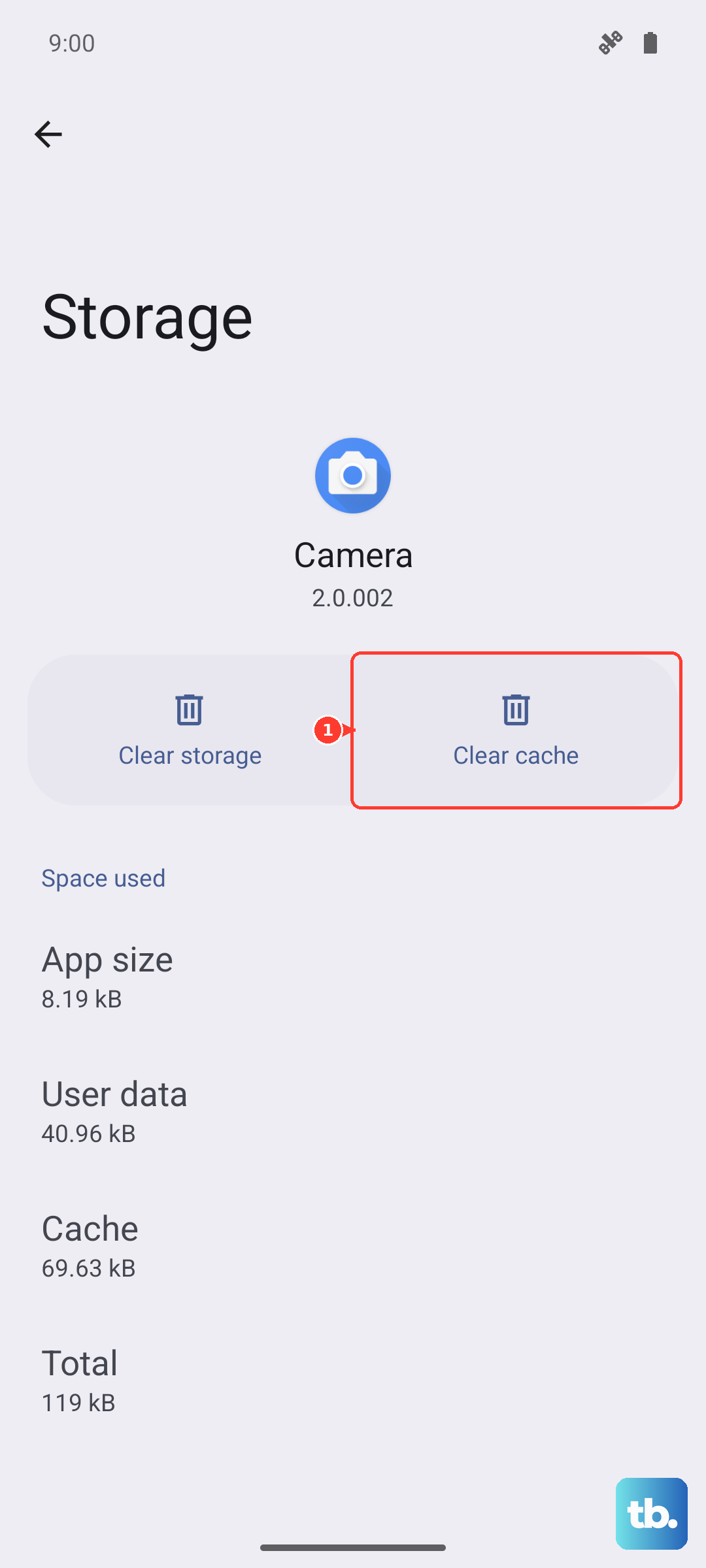
Go back to Settings > Apps, find Samsung Keyboard again, and tap "Storage." Tap "Clear Cache" first and see if that helps. If the problem persists, you can then tap "Clear Data." Confirm the action, and your keyboard will revert to its out-of-the-box state.
Check for Keyboard and System Updates
An outdated keyboard app or system software can lead to conflicts, especially after other apps update. Open the Google Play Store, tap your profile icon, and go to "Manage apps & device." Under "Updates available," see if Samsung Keyboard is listed.
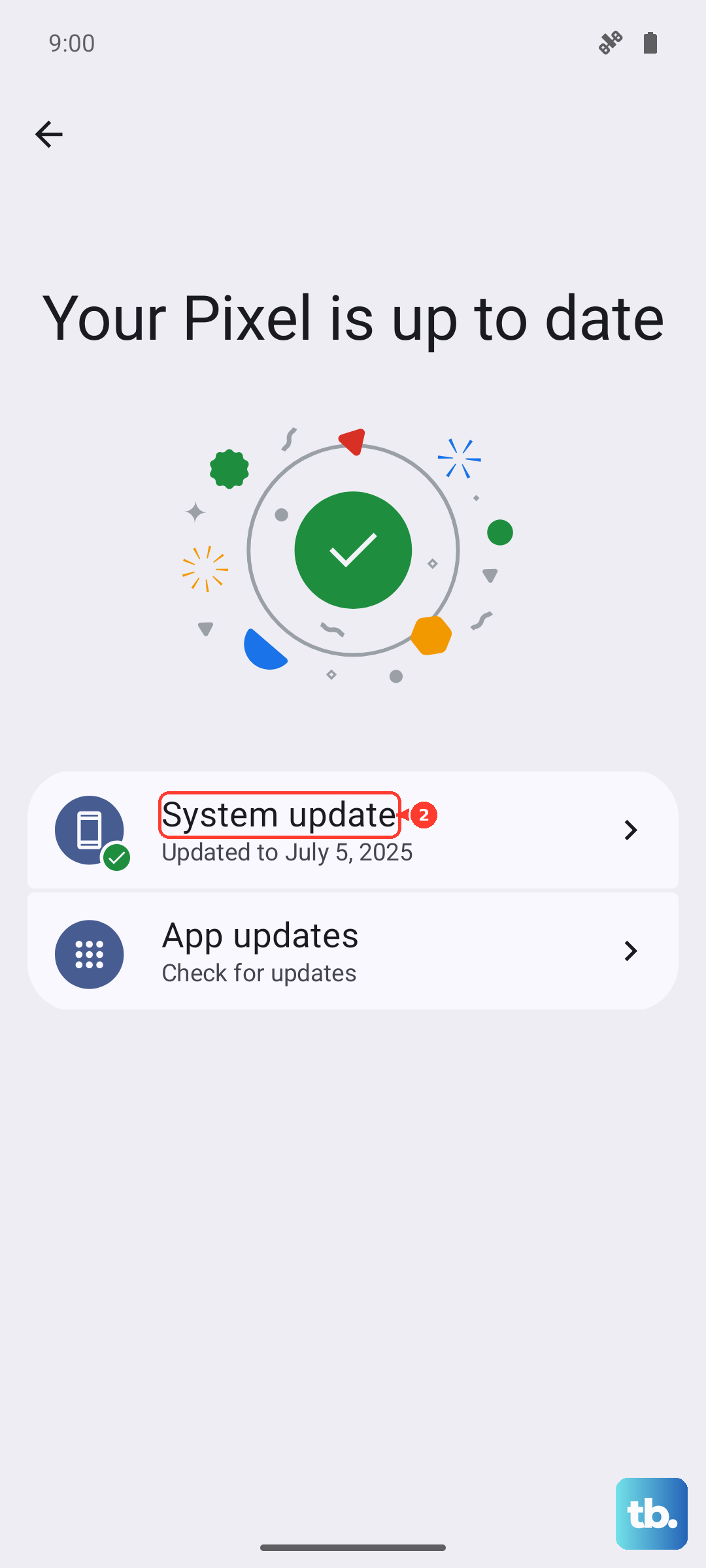
It's also crucial to check for a full system update. Go to Settings > Software update and tap "Download and install." The Exynos 2400 chip in the S25 FE is powerful, but software updates often include important stability patches that can resolve these kinds of app errors.
Reset Your Keyboard Settings
If a particular setting got messed up, resetting everything can help. Navigate to Settings > General management > Language and input. Tap "On-screen keyboard," then select "Samsung Keyboard."
Look for the "Reset to default settings" option near the bottom. This will wipe all your keyboard preferences, like vibration strength and toolbar layout, but it often clears up persistent crashing issues.
Try a Different Keyboard App
As a quick workaround, you can install a different keyboard from the Play Store. Gboard (Google's keyboard) or SwiftKey are excellent alternatives. Once installed, go to Settings > General management > Language and input > On-screen keyboard and enable your new keyboard as the default.
This gets you typing immediately while you troubleshoot the main Samsung Keyboard issue. Sometimes, just using a different app for a while can let the system sort itself out.
Boot Into Safe Mode
Safe mode temporarily disables all third-party apps you've downloaded. If your keyboard works perfectly in safe mode, you know a recently installed app is causing the conflict.
To enter safe mode, press and hold the side button until the power menu appears. Tap and hold the "Power off" icon on your screen until you see a prompt to reboot to safe mode. Tap "Safe mode." If the keyboard works here, start by uninstalling apps you added just before the problem started.
Clear the Dictionary App's Data
The dictionary service works hand-in-hand with your keyboard. Go to Settings > Apps, tap the three-dot menu, and select "Show system apps." Now, find the app called "Dictionary" or "Dictionary Provider."
Tap on it, go to Storage, and hit "Clear Data." This resets your learned words and dictionary data, which can sometimes be the source of the crash.
Reset All System Settings
This is a more thorough step but still won't touch your photos, messages, or apps. It resets every system setting, Wi-Fi passwords, Bluetooth connections, display preferences, back to factory default.
Go to Settings > General management > Reset. Choose "Reset all settings" and confirm. You'll need to reconfigure your connections and preferences afterward, but it can resolve deep-seated configuration conflicts causing the keyboard to fail.